

if we start talking roll/tip rusto, I'm outta here... 


, but I prime it, and then do a light sand with like 1200 or 800. ]
looks good.....
for the future, that is WAY too fine for paint to stick to properly... most paint manufacturers want 320, to maybe 600 grit on the primer.. any single stage, I'm 320 to 400.. most base, or lacquer is 4, or 6... but never any finer than that, doesn't give it anything to grab.. not too mention, you get the prep job done way faster with grittier paper...
if for whatever reason i'm color-sanding between coats, it'll be 600, or 1000...
1000, 1200 and maybe 1500, are for cut/buff... heck, 1500 is like notebook paper...
 That's what worked for me....not saying AT ALL that it's the 'right' way to do it.
I guess I didn't really answer your questions though... Yes, you can primer it, and then come back another day, but you'll want to scuff off the top layer of primer because it will have accumulated some road dirt and oil (yes, oil...even your finger prints have oil in them.....if you sand a fender down to base sheet metal, clean it, then put your fingers on it, come back in a day or two, and you will see a rust like stain of your finger prints on it...lol. ) You might even want to spray on another coat of primer before you actually paint.
The cleaner will evaporate almost immediately, but you can also use your compressed air to blow it off as well (there are some spots where it accumulates and if you start spraying your base and hit a corner where it collected, you'll blow out the liquid all over your paint surface and frack it up).
After I made sure that the surface was clean and dry, I shoot the color on and I think I made a second pass right away. Again, I have no ideas about how pros do it, but I let that sit for about 30 minutes and then shoot some more (I can already hear people telling me how wrong that is, but that's what I did).
If you are going to put clear coat on, you'll want to do that as soon as you can, because again, you don't want any dirt or oil getting on your base. I think someone suggested mixing clear into your last coat of color, which is a great idea.
I disassembled and cleaned my gun every time after I stopped...which means even between sitting between coats for the color. Something about the paint or the gun or whatever, made the paint left in the gun turn stringy, so it was coming out "funny" when I put more color in the gun.
All in all, it's wasn't show quality paint, but it's good enough, and that's for a black paint Infiniti, so...you should be able to do pretty good job with basic equipment and quite a bit of patience and elbow grease


let the vehicle/part get to a steady temp as well as your paint/reducer/etc. use the correct reducer for your temps
 substrate temp is so much more important than air temp...
leave it to Dave to bring up my mantra.....
the vast majority of people never think of that... hard to get runs when your sheetmetal is 85 degrees...
I like doing a 320 to 400 wetsand (depending on sealer used) with
DAWN dishsoap as the final sanding step. It cleans very well and I like wetsanding better than dry.
are you gonna use rattlecan primer?
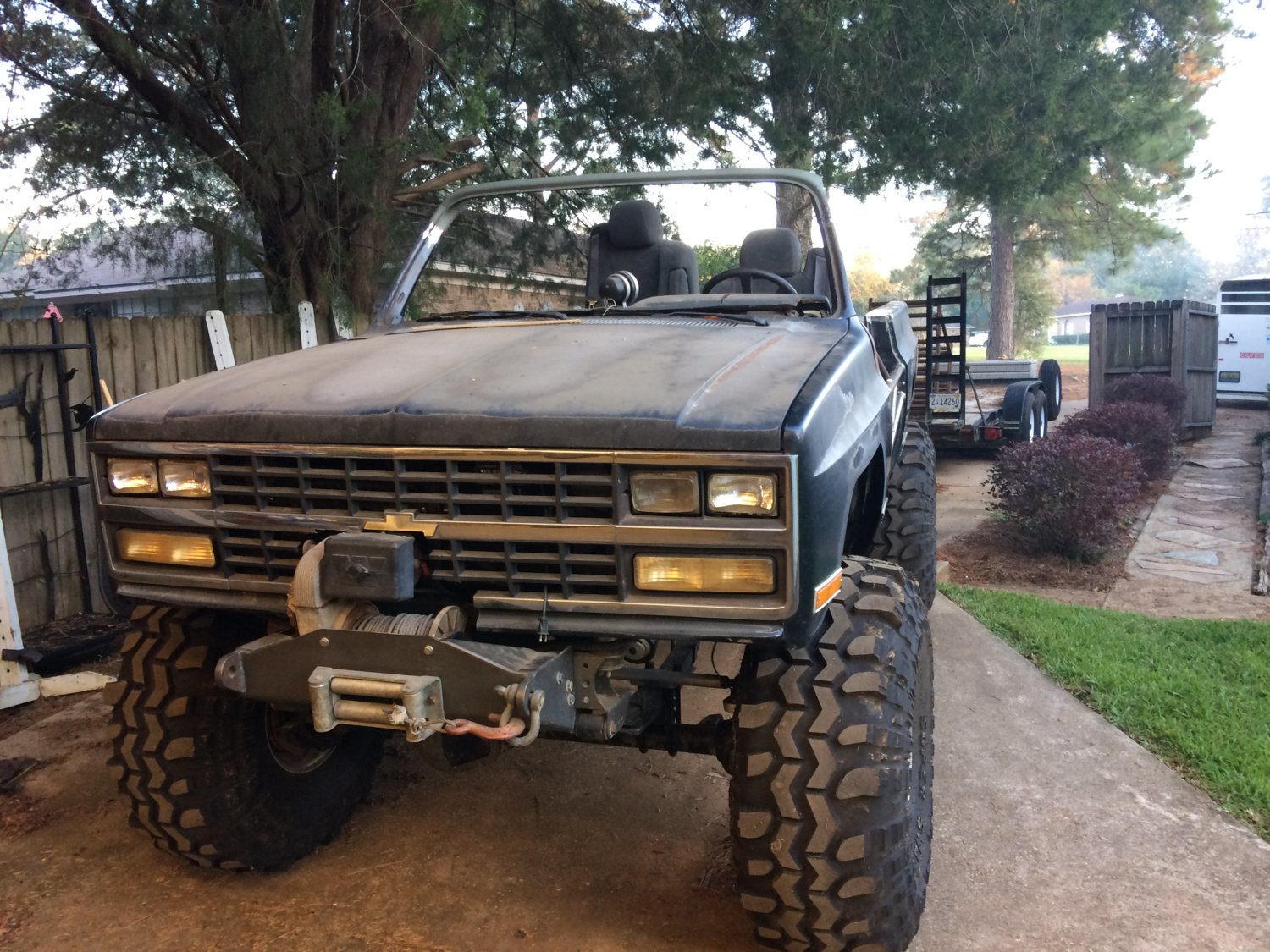
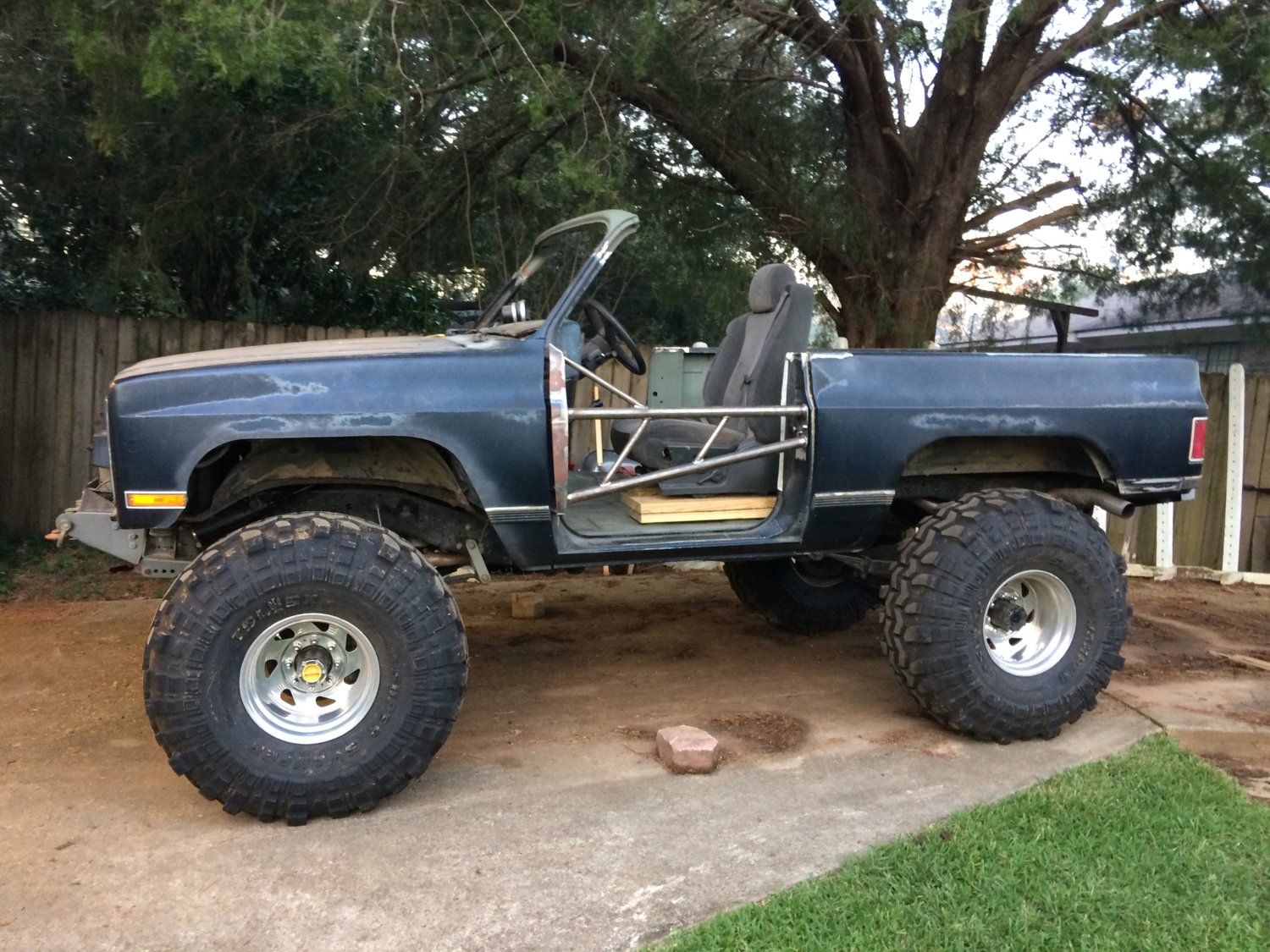
 Deep down I feel like the right thing to do is to spray primer with a gun. Yes or no? WWRD (as if I didn't know)? This also leads to another question, if I should gun primer it, is it ok to rattle can the small repair spots as I bondo them (then gun primer the whole truck when I'm done with spots)? My buddy swears rattle can primer is junk but there's lots of humidity here, if I don't cover it somehow the bare metal will be orange in a week.


