


Ok, So I've needed to do rear drum shoes on my burb for a while, but have NEVER attempted to do any work to drum brakes. It's kinda been an intimidation thing more than anything, because I never have anyone to help me when i'm working on my truck.
I wanted to make this list of things i learned, but if there were better ways to attack it, i'm all ears. I just want a good informative post so others can search for tips and not come up empty handed like i did.
I learned quite a few things, and alot were things i wish someone had told me before i started. I am friendly with all the guys at my local kragen, but most are worthless. After 4 or so trips back and forth for random parts i needed, i got the info/encouragement out of them that i needed.
When I do jobs of this type, i like to have what i need on hand before i start, and like everyone, I get frustrated with multiple part store trips. I don't mind spending a few extra bucks on a tool that makes the process way easier, or on the extra hardware kit to replace questionable hardware.
I followed the standard Chiltons service manual, and would expect any novice to follow a good repair guide. Remember, Autozone has free repair guides online!
Ok, on to the tips!
Buy some good grease designed for brakes. I hate those little packets, so i got a jar that is basically a lifetime supply. Rear drum brakes last a long time, and i figure i better do a good job lubricating everything while i'm in there, as it probably wont' be opened again for another 30,000 miles or more.
Buy the specialty brake tools. My guy at kragen recommended the following:
Brake Spring Pliers http://kragen.com/ProductDetail.aspx?MfrCode=PBI&MfrPartNumber=648404
They were $7, and i don't think i would have removed the springs and lived to tell about it without them. Yah, I could have put on a face shield, and attacked the springs with a screwdriver, but thats not how I like to work.
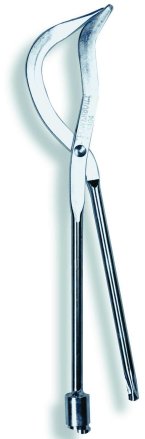
Brake hold down tool http://kragen.com/ProductDetail.aspx?MfrCode=PBI&MfrPartNumber=648592
This was also only $7, and I had no idea what it was for until i needed it. It helps you release and reinstall the hold down spring retainers easily. At first, I didn't' think it was that great, but when you are holding everything together with your other hand, and knee, and chin.....this tool comes through in a pinch and helps you get that retainer washer installed on your first try.

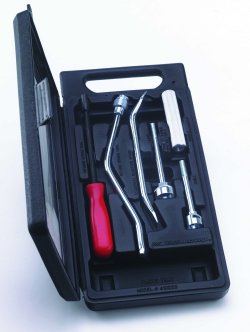
Kragen also had this kit, but i didn't buy this one http://kragen.com/ProductDetail.aspx?MfrCode=PBI&MfrPartNumber=640579&CategoryCode=3479
I was told i didn't need it, and am curious to hear from others if it would have helped. I sorta think any extra small tool to help with some of those springs would have been nice, but probably not necessary for another $20.
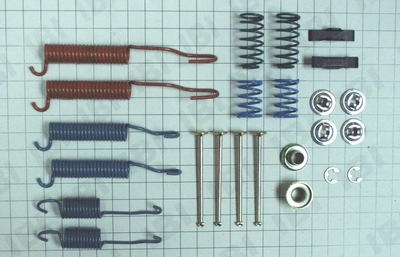
Buy the hardware kit! I didn't even know this existed until i lost a E clip and washer and went back to the store trying to find a replacement. This little kit contains most of the critical springs and hardware involved in the brake job. The one for mine was somethign like this:http://kragen.com/ProductDetail.aspx?MfrCode=BHH&MfrPartNumber=H7055
At only $4.29, it saves your a$$ if you lose a spring or clip, keeps you from having to clean up all your old hardware/springs, and lets you replace parts that are probably warn and ready for replacement anyways.
Wheel Cylinders: I didn't originally buy new wheel cylinders, but after seeing the age of mine and the conditions of the seals on the first side i did, i went back and got them. This item is up to you, but i'd rather have them and return them if not needed. I paid about $10.99 a piece, and you would need one for each side. Glad i had bought them when i got to the passenger side, as that one was leaking pretty bag. I was planning to bleed the brakes to rid myself of some other issues i was having following this brake job, so it wasn't a big deal to replace these. If you aren't planning to bleed, realize that you will have to re-bleed the system after you change wheel cylinders.
Besides that, take good pictures as you go along, and do one side at a time. That way, you can go look at side 2 when you realize you don't know how to put side 1 back together
Hope some of these tips come across as useful! Forgive my rambling as its late, and i'm not thinking too straight......
Tomorrow i get to re bleed the system, and i'll post back to let you know how everything works after its adjusted!
I wanted to make this list of things i learned, but if there were better ways to attack it, i'm all ears. I just want a good informative post so others can search for tips and not come up empty handed like i did.
I learned quite a few things, and alot were things i wish someone had told me before i started. I am friendly with all the guys at my local kragen, but most are worthless. After 4 or so trips back and forth for random parts i needed, i got the info/encouragement out of them that i needed.
When I do jobs of this type, i like to have what i need on hand before i start, and like everyone, I get frustrated with multiple part store trips. I don't mind spending a few extra bucks on a tool that makes the process way easier, or on the extra hardware kit to replace questionable hardware.
I followed the standard Chiltons service manual, and would expect any novice to follow a good repair guide. Remember, Autozone has free repair guides online!
Ok, on to the tips!
Buy some good grease designed for brakes. I hate those little packets, so i got a jar that is basically a lifetime supply. Rear drum brakes last a long time, and i figure i better do a good job lubricating everything while i'm in there, as it probably wont' be opened again for another 30,000 miles or more.
Buy the specialty brake tools. My guy at kragen recommended the following:
Brake Spring Pliers http://kragen.com/ProductDetail.aspx?MfrCode=PBI&MfrPartNumber=648404
They were $7, and i don't think i would have removed the springs and lived to tell about it without them. Yah, I could have put on a face shield, and attacked the springs with a screwdriver, but thats not how I like to work.
Brake hold down tool http://kragen.com/ProductDetail.aspx?MfrCode=PBI&MfrPartNumber=648592
This was also only $7, and I had no idea what it was for until i needed it. It helps you release and reinstall the hold down spring retainers easily. At first, I didn't' think it was that great, but when you are holding everything together with your other hand, and knee, and chin.....this tool comes through in a pinch and helps you get that retainer washer installed on your first try.
Kragen also had this kit, but i didn't buy this one http://kragen.com/ProductDetail.aspx?MfrCode=PBI&MfrPartNumber=640579&CategoryCode=3479
I was told i didn't need it, and am curious to hear from others if it would have helped. I sorta think any extra small tool to help with some of those springs would have been nice, but probably not necessary for another $20.
Buy the hardware kit! I didn't even know this existed until i lost a E clip and washer and went back to the store trying to find a replacement. This little kit contains most of the critical springs and hardware involved in the brake job. The one for mine was somethign like this:http://kragen.com/ProductDetail.aspx?MfrCode=BHH&MfrPartNumber=H7055
At only $4.29, it saves your a$$ if you lose a spring or clip, keeps you from having to clean up all your old hardware/springs, and lets you replace parts that are probably warn and ready for replacement anyways.
Wheel Cylinders: I didn't originally buy new wheel cylinders, but after seeing the age of mine and the conditions of the seals on the first side i did, i went back and got them. This item is up to you, but i'd rather have them and return them if not needed. I paid about $10.99 a piece, and you would need one for each side. Glad i had bought them when i got to the passenger side, as that one was leaking pretty bag. I was planning to bleed the brakes to rid myself of some other issues i was having following this brake job, so it wasn't a big deal to replace these. If you aren't planning to bleed, realize that you will have to re-bleed the system after you change wheel cylinders.
Besides that, take good pictures as you go along, and do one side at a time. That way, you can go look at side 2 when you realize you don't know how to put side 1 back together
Hope some of these tips come across as useful! Forgive my rambling as its late, and i'm not thinking too straight......
Tomorrow i get to re bleed the system, and i'll post back to let you know how everything works after its adjusted!

 'scribed for later use...


 I completely rebuilt my rear using 95% new parts, except for the stuff I couldn't find. Somewhere, I screwed up on one of the wheels, because they don't retract as they should.


