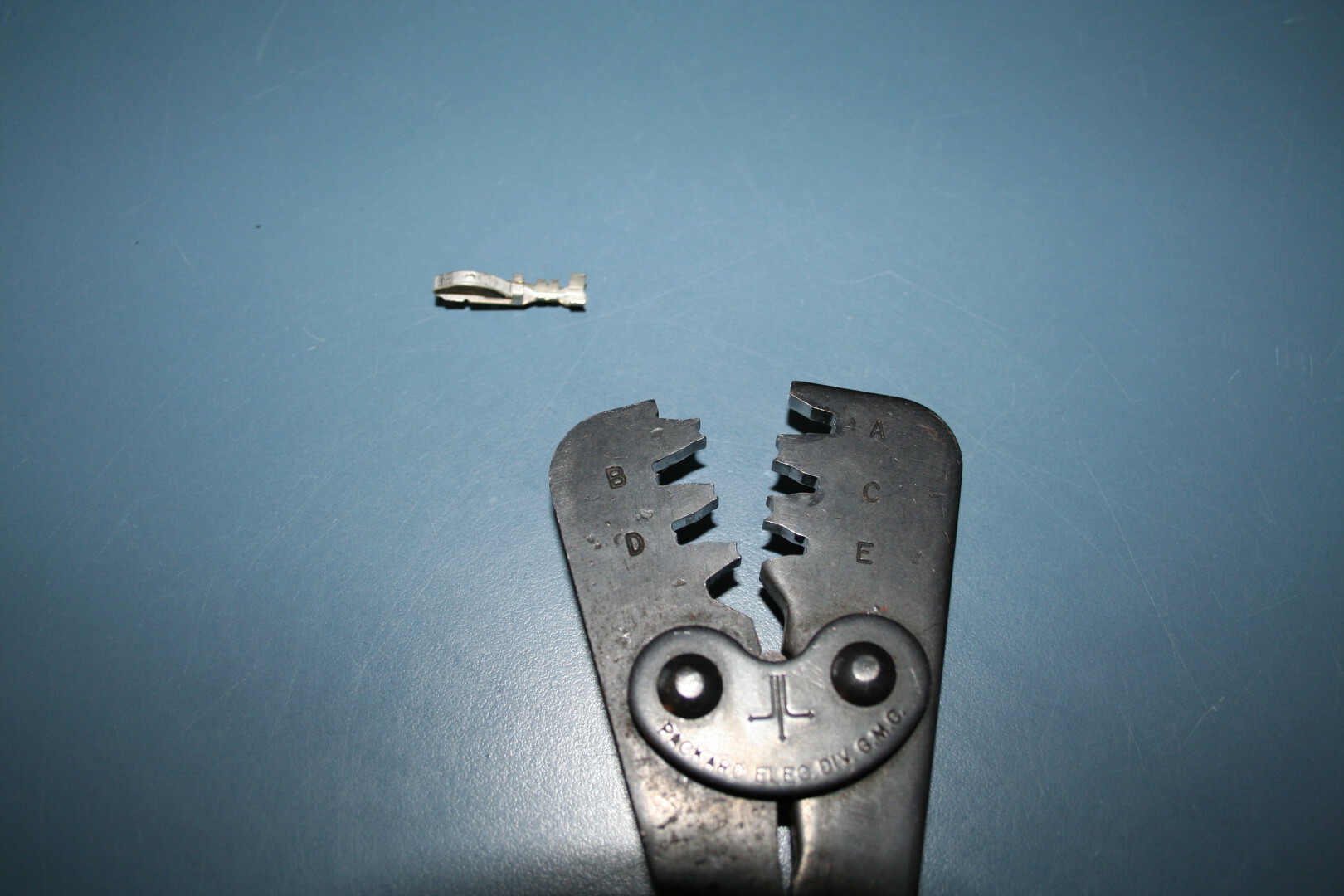
For those that don't know, I'm wiring my K5 from scratch (been doing so for a year  ), anyhow, finally almost getting done, and am down to the end here.
Anyhow, I've got various accessories and other places that require disconnects on the wires to be able to easily perform maintenance.
Every wonder why your KC Daylighters aren't as bright as they should be? Your ground get corroded within a year 'cause you live in the rust belt?
Well worry no more, here's how to do disconnects in those venerable areas:
What I'm detailing is A KC Dayligher install. For this application, each light is 150w (so at 12v, that's 12.5amps). I've run my ground wire back to a nice protected ground block. Generally speaking, the frame is a horrible place to ground things like high-amperage lights, because it corredes so easy. Anyhow,
For these I used Metri-Pak 480 Sealed:
To get ready go here and order Packard Metri-Pak Terminals/Bodies/seals/TPA/CPA locks for the amperage and number of cavities you need. (They have a $25 min. order, so stock up!)
First, cut off these crap bullet connectors with a shotty attempt at a seal (here in the rustbelt, this would toast in about 2-3 years):
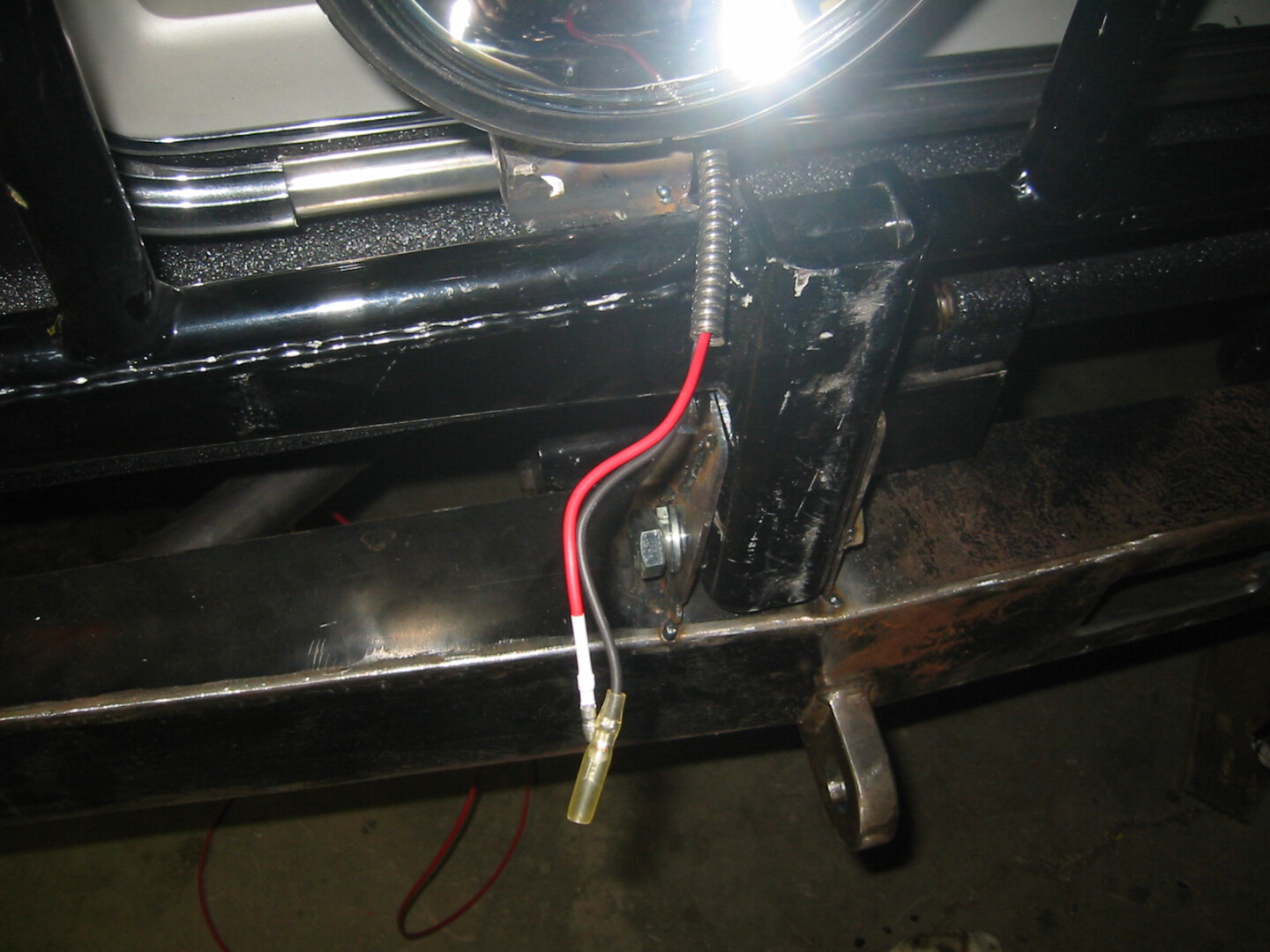
Next, strip your wires to the proper length:
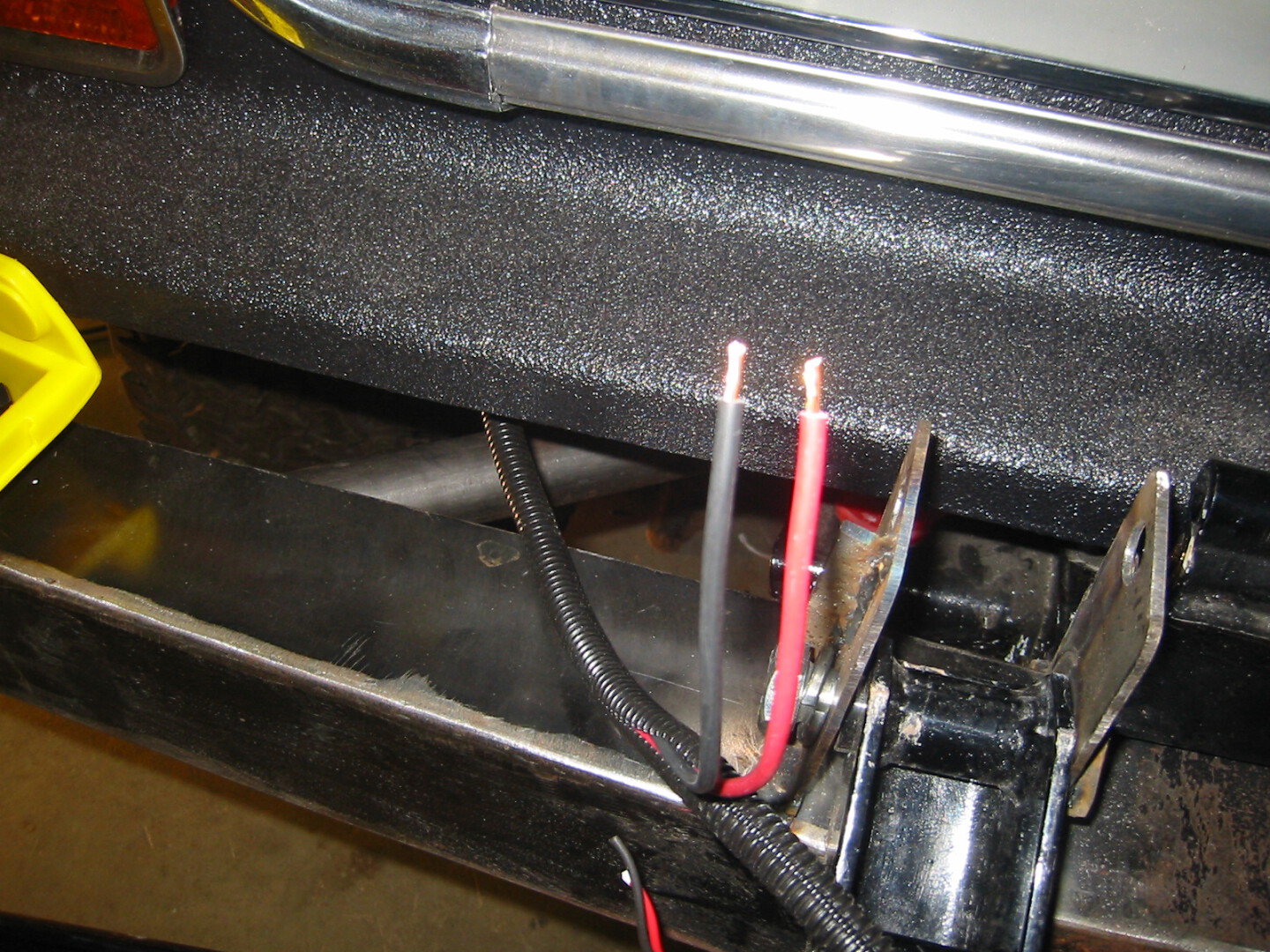
Then:
Reach into your parts bin of terminals/seals/bodies etc and pull out the proper terminals and seals:
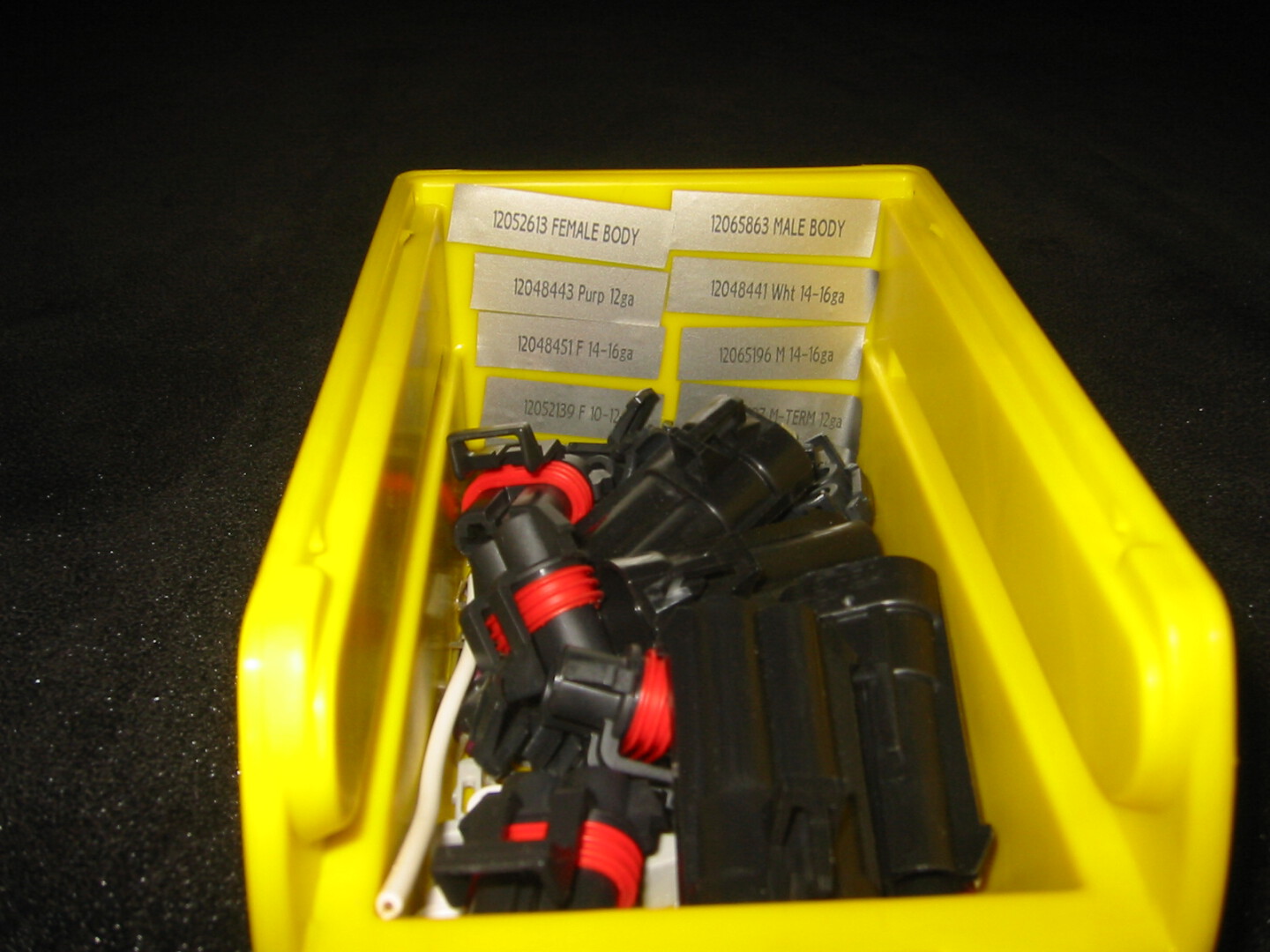
Slide on the proper sized seal (the purple ribbed thing there) for your gauge wire (the seals have some give, so don't feel you need to order every single cable size, bigger wires can squeeze into a smaller hole if nessesary, they have so many because automated assembly machines need the proper size) I have only 16ga and 12ga seal sizes.
Place the terminal on the wire, grab your Delphi/Packard Terminal Crimper (Shown on the bumper there), and crimp the terminal and then the seal. (A nessesary tool, don't try to use a hardware store crimper, these terminals have little wings that get folded through the strands of wire to catch as many as possible. The crimper is a bit brutal in price, cheapest I've seen on ebay is like $40-50, list is $140, but well worth it if your doing alot of them. You could plier crimp and solder if your just doing one though.)
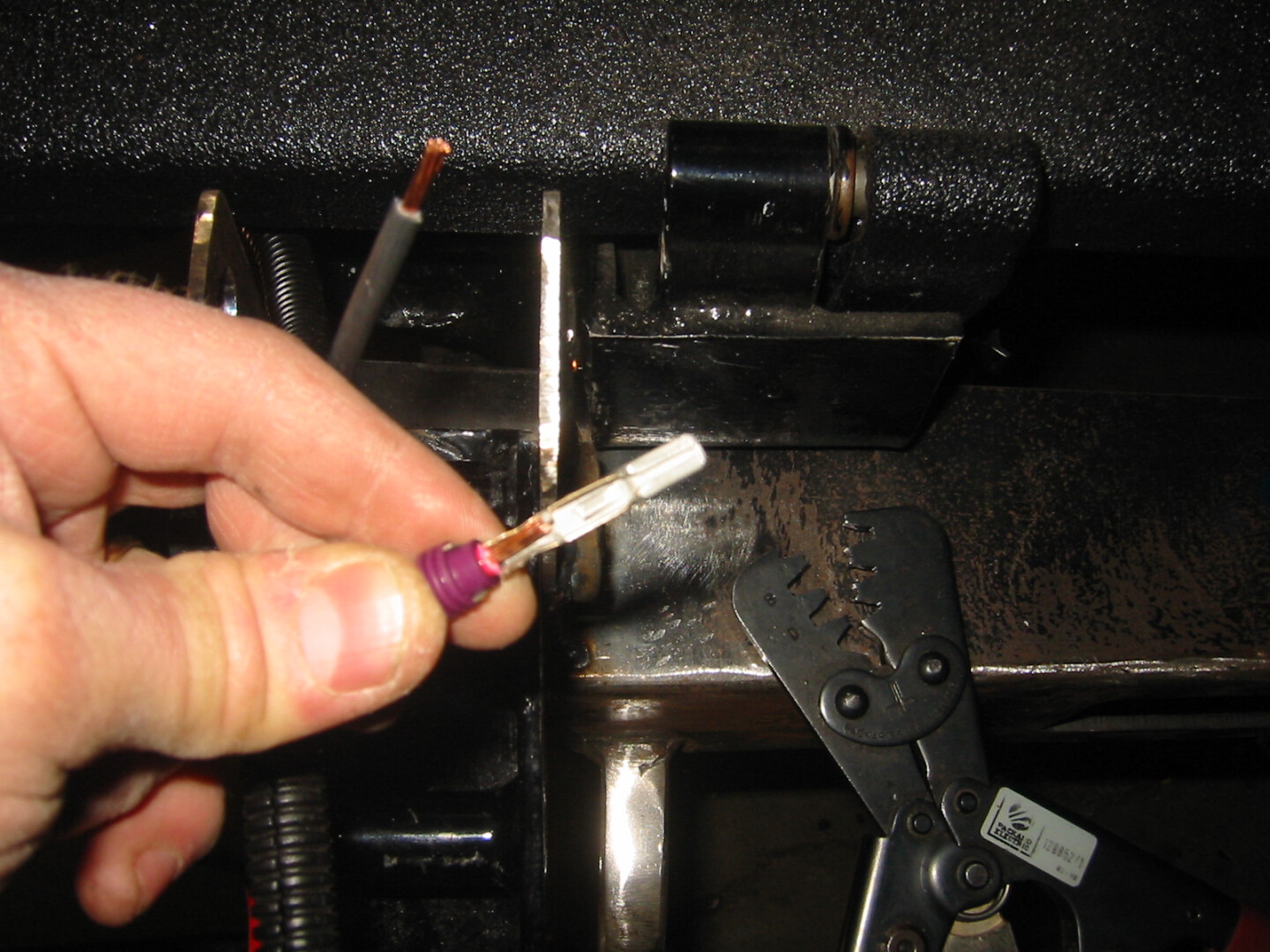
Repeat for each wire on male and female sides using the apportiate terminal and seal, then line up your wires (make sure to put the right wires in the right cavity on reach side so when their mated the proper wires become connected!, I used 12v in 'A' and ground in 'B', the bodies are labeled.
Pop those terminals into the body and engage the tang (click!).

Install your TPA (Terminal Position Assurance) lock (The little piece of black plastic that clips on the back of each body. It assures the position of the wire as it enters the connector body so the seal doesn't set compressed if you bend the wire one way or the other coming out of the cavity.
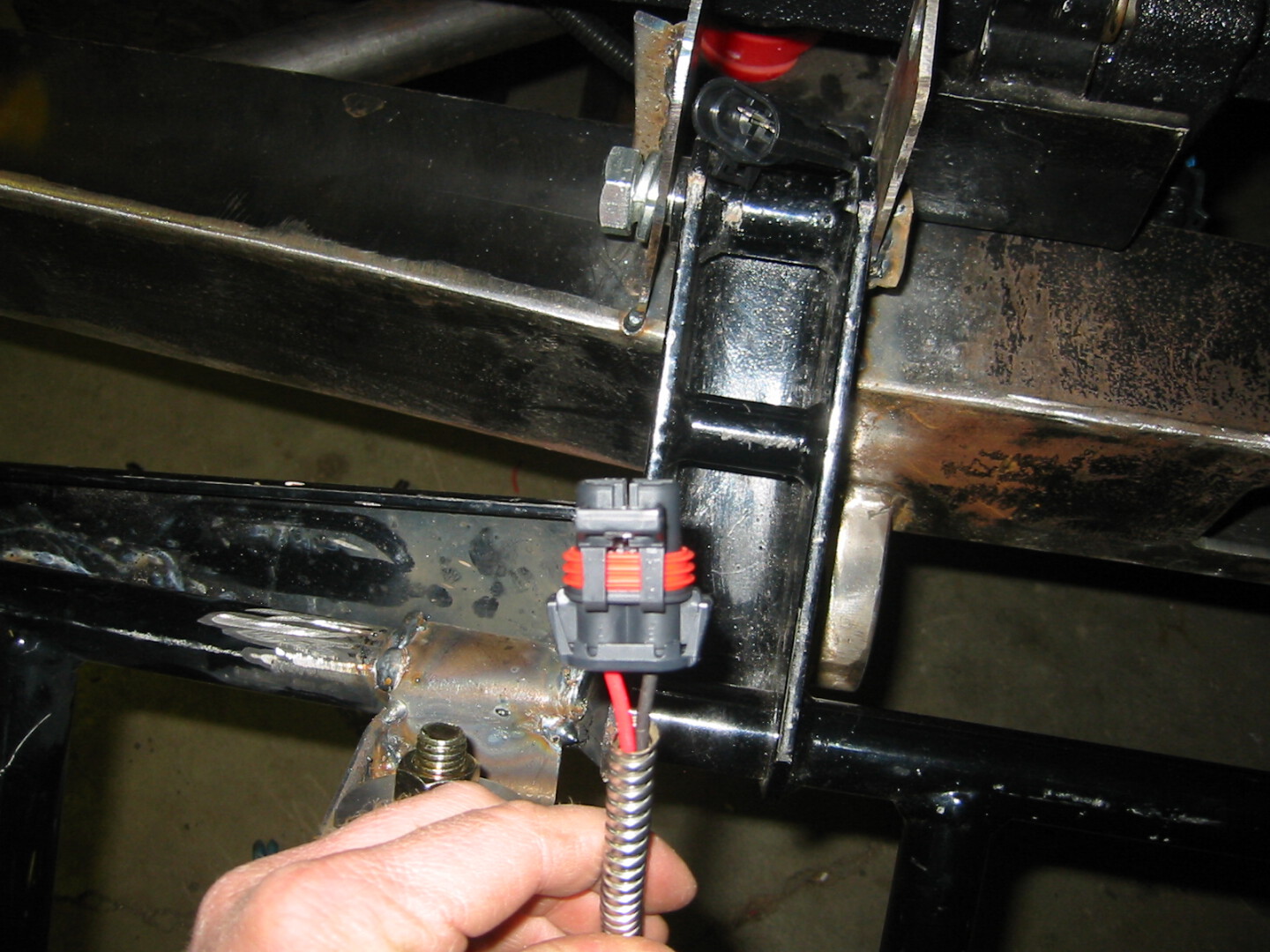
Connect your male and female ends together, and install your CPA (Connector position assurance) lock, and secure the wires.
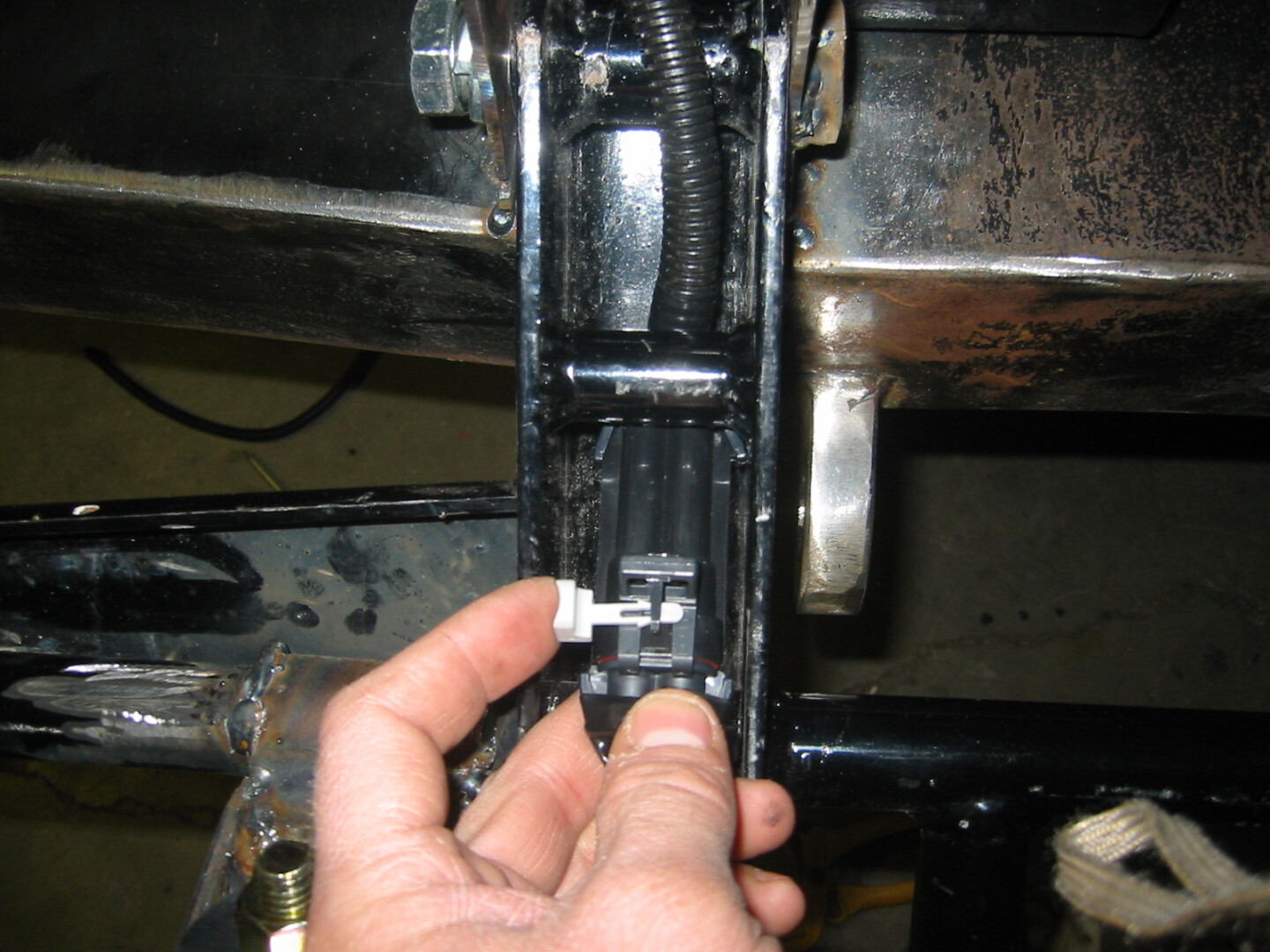
A little tape for abrasion and a little extra protection, and secure the wires, and your done!
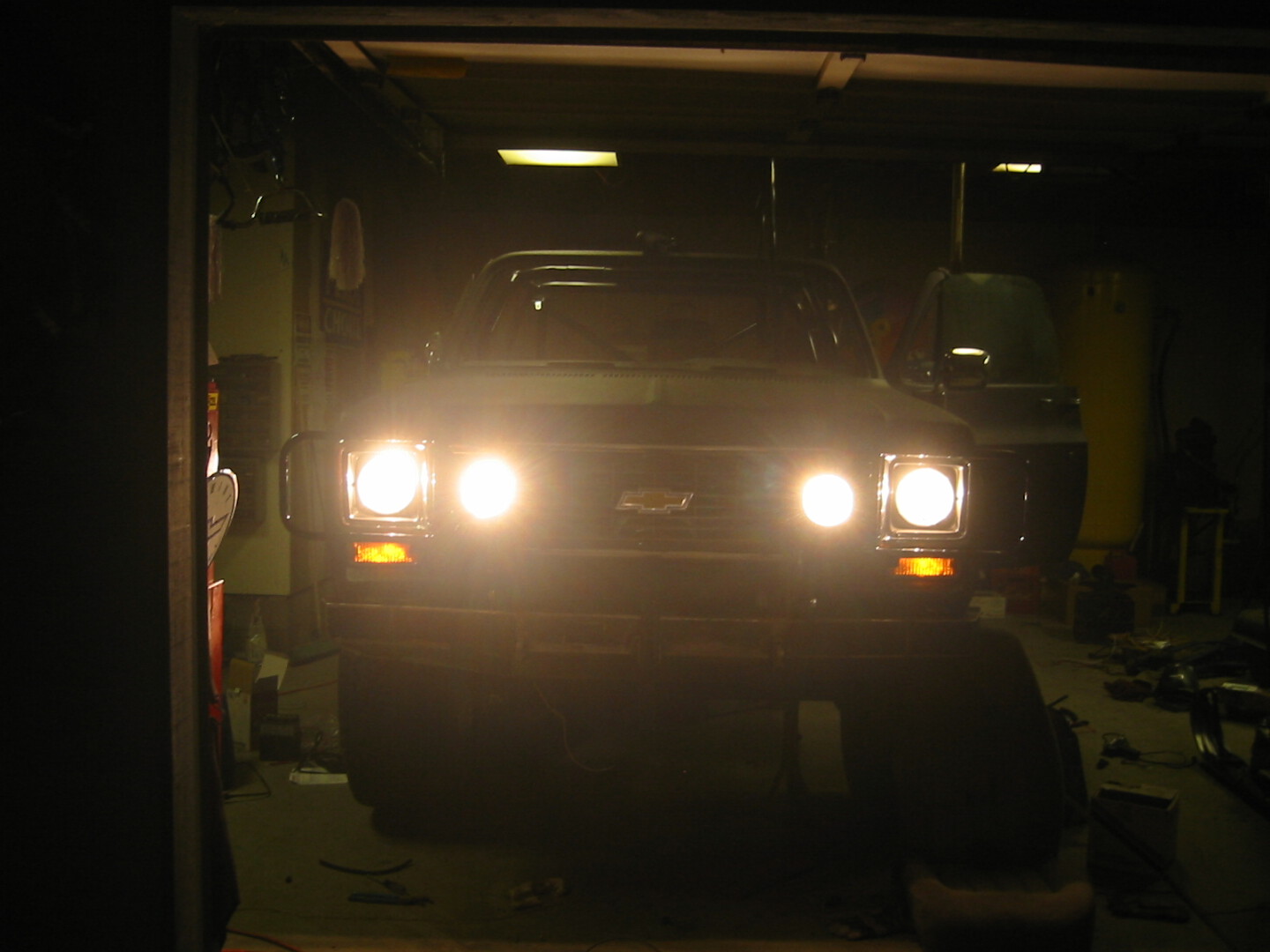
My lights here on a relay, with a Carling Tech on-off-on switch, one 'on' position is on no matter what, the other on position is slaved to the bright lights switch.
And in case your wondering, that's a H1 fold down brush guard, it needs to fold down because my fiberglass tilt front clip. folds up.
The best part is, you won't have to worry about it or touch it for 30 years+
So stop using those crap connectors that come with various accessories and wire it right!
), anyhow, finally almost getting done, and am down to the end here.Anyhow, I've got various accessories and other places that require disconnects on the wires to be able to easily perform maintenance.
Every wonder why your KC Daylighters aren't as bright as they should be? Your ground get corroded within a year 'cause you live in the rust belt?
Well worry no more, here's how to do disconnects in those venerable areas:
What I'm detailing is A KC Dayligher install. For this application, each light is 150w (so at 12v, that's 12.5amps). I've run my ground wire back to a nice protected ground block. Generally speaking, the frame is a horrible place to ground things like high-amperage lights, because it corredes so easy. Anyhow,
For these I used Metri-Pak 480 Sealed:
To get ready go here and order Packard Metri-Pak Terminals/Bodies/seals/TPA/CPA locks for the amperage and number of cavities you need. (They have a $25 min. order, so stock up!)
First, cut off these crap bullet connectors with a shotty attempt at a seal (here in the rustbelt, this would toast in about 2-3 years):
Next, strip your wires to the proper length:
Then:
Reach into your parts bin of terminals/seals/bodies etc and pull out the proper terminals and seals:
Slide on the proper sized seal (the purple ribbed thing there) for your gauge wire (the seals have some give, so don't feel you need to order every single cable size, bigger wires can squeeze into a smaller hole if nessesary, they have so many because automated assembly machines need the proper size) I have only 16ga and 12ga seal sizes.
Place the terminal on the wire, grab your Delphi/Packard Terminal Crimper (Shown on the bumper there), and crimp the terminal and then the seal. (A nessesary tool, don't try to use a hardware store crimper, these terminals have little wings that get folded through the strands of wire to catch as many as possible. The crimper is a bit brutal in price, cheapest I've seen on ebay is like $40-50, list is $140
, but well worth it if your doing alot of them. You could plier crimp and solder if your just doing one though.)
Repeat for each wire on male and female sides using the apportiate terminal and seal, then line up your wires (make sure to put the right wires in the right cavity on reach side so when their mated the proper wires become connected!, I used 12v in 'A' and ground in 'B', the bodies are labeled.
Pop those terminals into the body and engage the tang (click!).
Install your TPA (Terminal Position Assurance) lock (The little piece of black plastic that clips on the back of each body. It assures the position of the wire as it enters the connector body so the seal doesn't set compressed if you bend the wire one way or the other coming out of the cavity.
Connect your male and female ends together, and install your CPA (Connector position assurance) lock, and secure the wires.
A little tape for abrasion and a little extra protection, and secure the wires, and your done!
My lights here on a relay, with a Carling Tech on-off-on switch, one 'on' position is on no matter what, the other on position is slaved to the bright lights switch.
And in case your wondering, that's a H1 fold down brush guard, it needs to fold down because my fiberglass tilt front clip. folds up.
The best part is, you won't have to worry about it or touch it for 30 years+
So stop using those crap connectors that come with various accessories and wire it right!
Last edited:

 I still have those crappy connectors from Auto Zone. I'll go this route when I get a chance to work on some of my wiring problems and replace those KC lights that got damaged from my recent accident.
 )), the 59 series (wide body 56 style, used on headlights, and 2 in the ignition switch), pack-con terminals (used on wipers, turn signal connector, blower motor swtich..etc), and all metri-pak sealed and unsealed terminals.