Joe Blaze
1/2 ton status
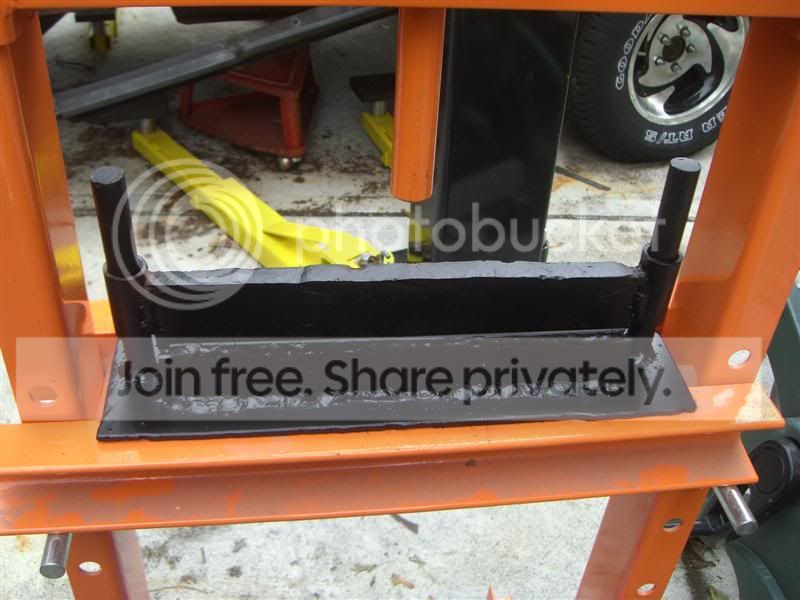
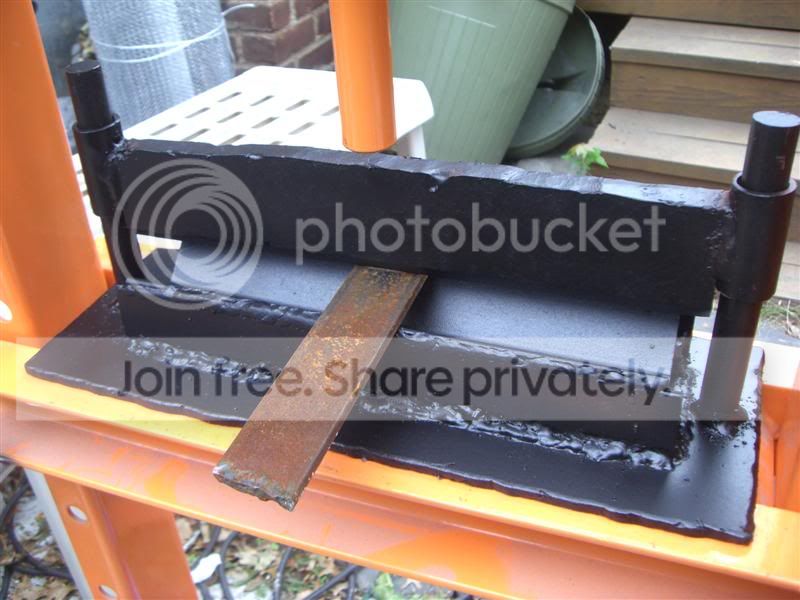
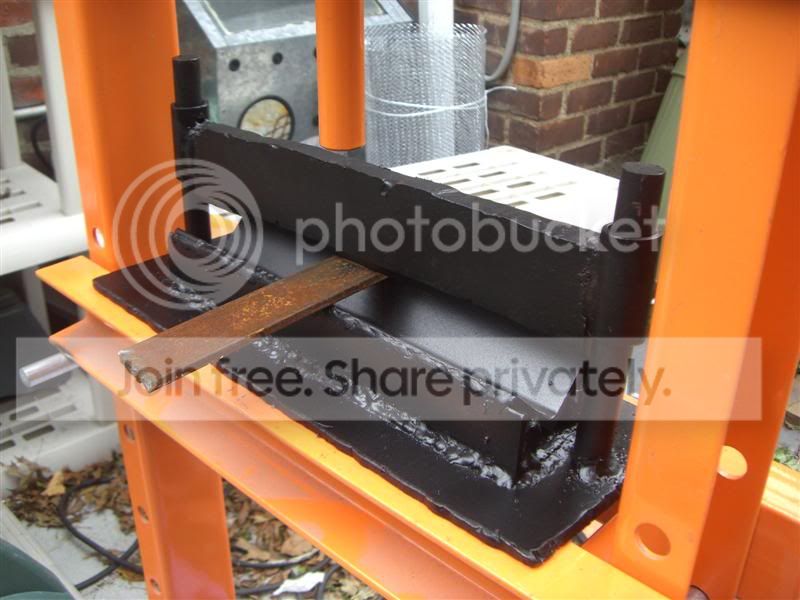
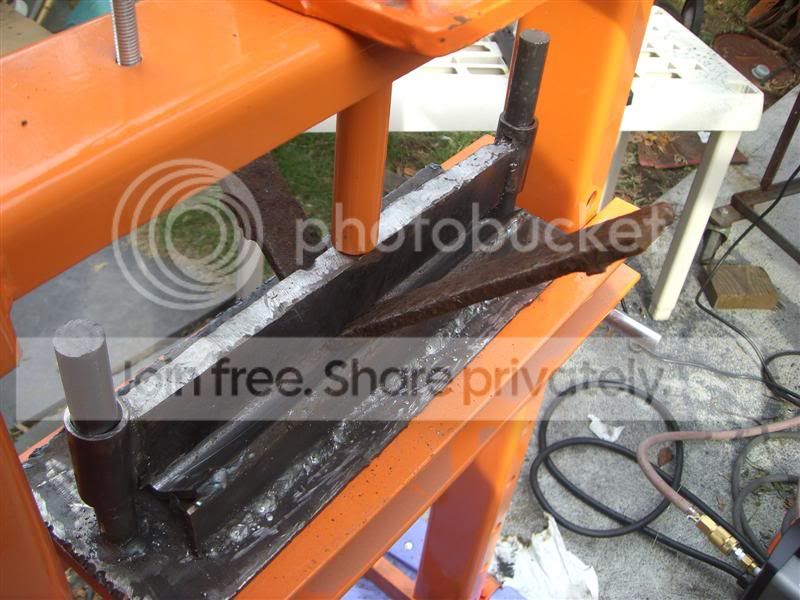
Since I saw a few posts here on press brakes, i decided to post my project of putting together a DIY one from mostly scrap i had laying around.
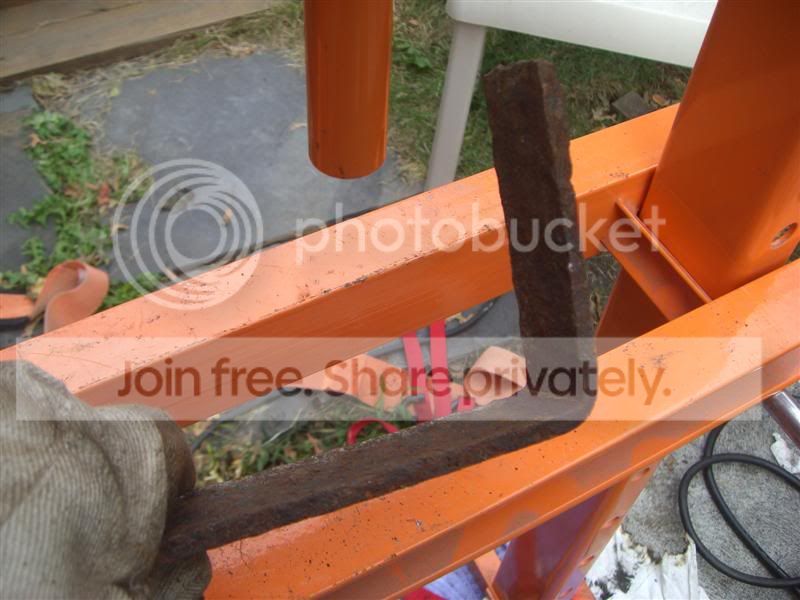
Here is my cheap solution for my need to find a way to bend some ¼” aluminum diamond plate for some brackets I needed to make. I made it after seeing some examples of DIY press brakes online. The die I made from an old piece of ½” thick railroad scrap I found at the local Rail Road crossing.
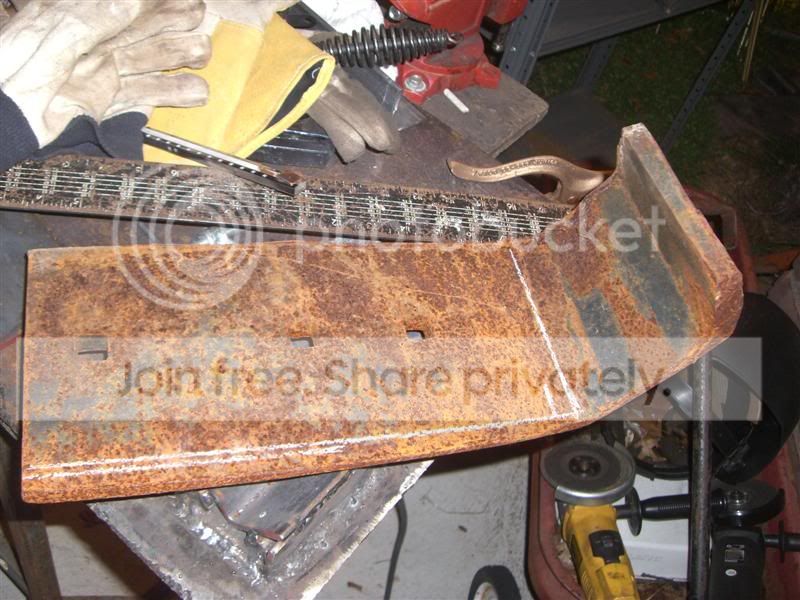
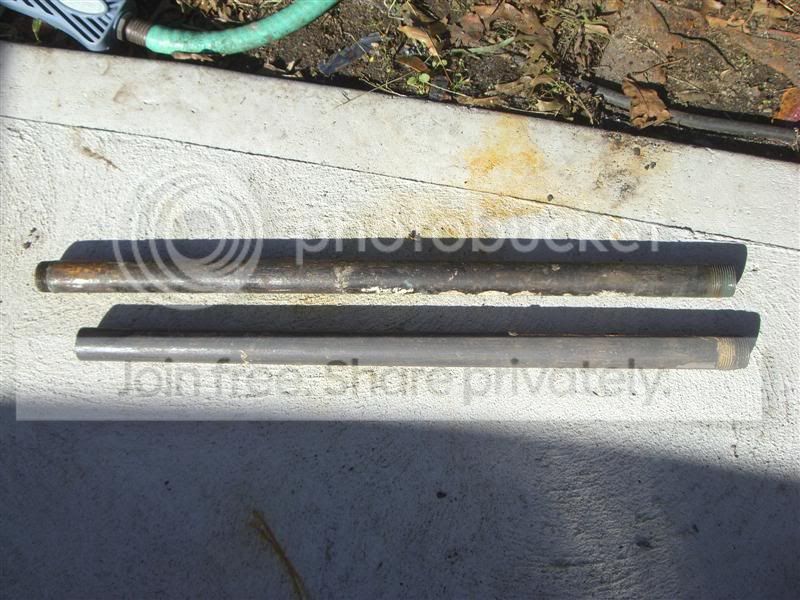
The 3/16” x 1 ½” and 3/16” x 2” angle iron and ¾” round bar I had left over from other projects. The ¼” steel base plate I cut from the edge of a larger piece I was using as a welding table top. The round pipe was scrap left over after relocating some steam radiators in my house.
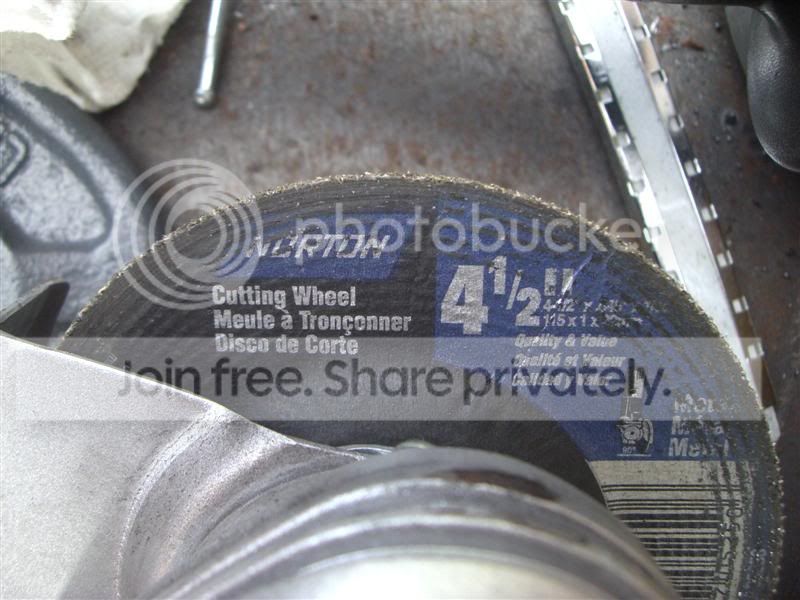
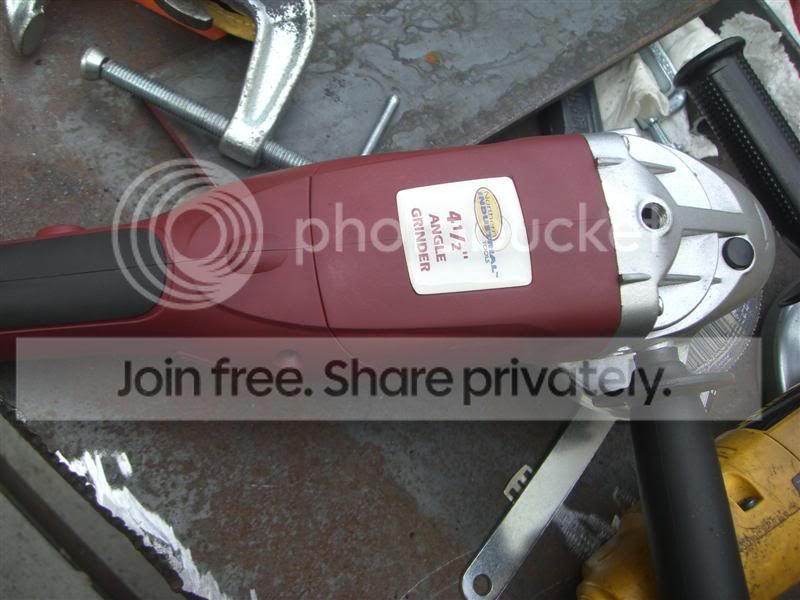
I cut the railroad scrap down to about 12" x 2½” with a cheapo 4 ½” Harbor Freight/Northern grinder with a good quality cut-off disk. I started out by using my plasma cutter on it, but found that the low-tech method of using the grinder and cut-off wheel worked better, leaving a beautiful clean edge.
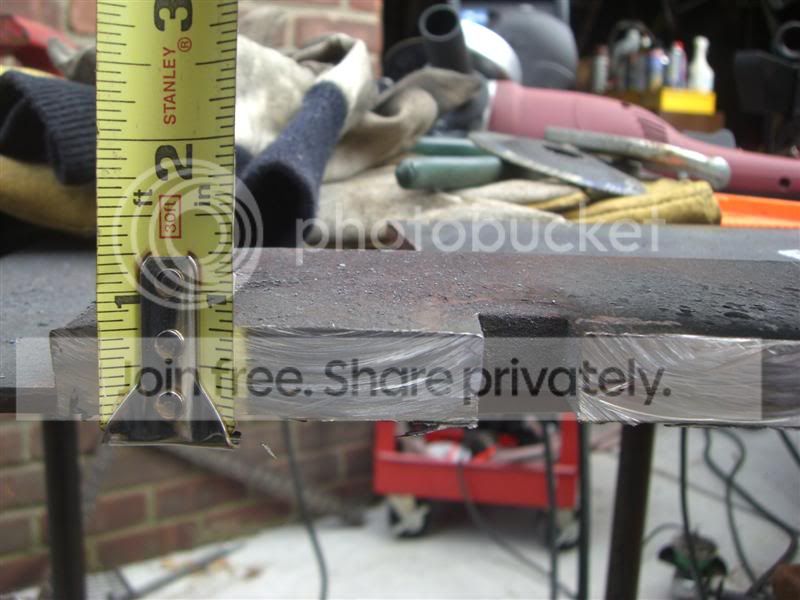
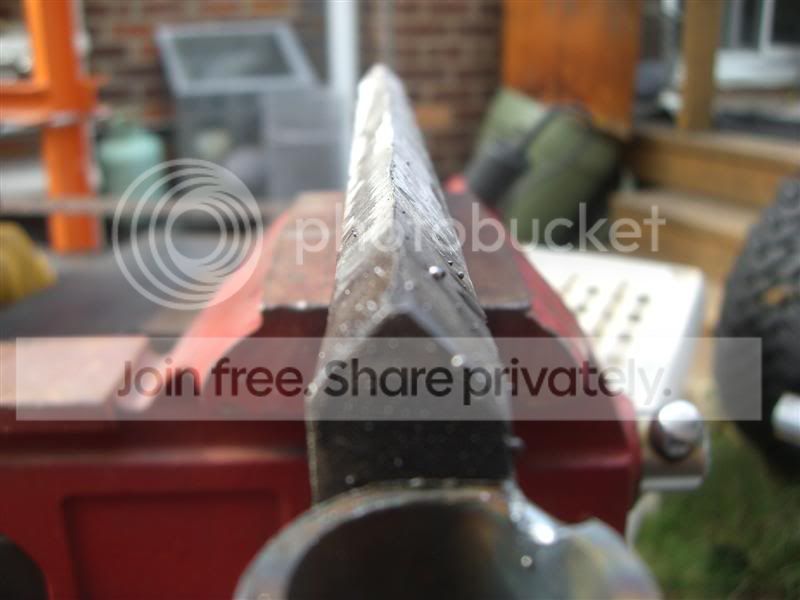
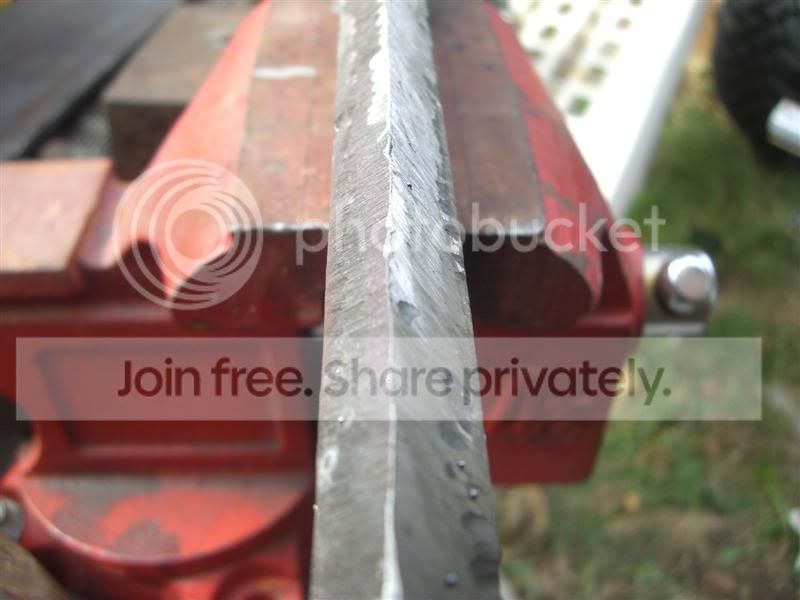
I then used the plasma at an angle to get a rough point along the edge, and then finish ground the point with another cheapo grinder with a grinding wheel. (They are so cheap, I keep four, each with different disks and brushes on them for different needs. It is easier than swapping the disks.)
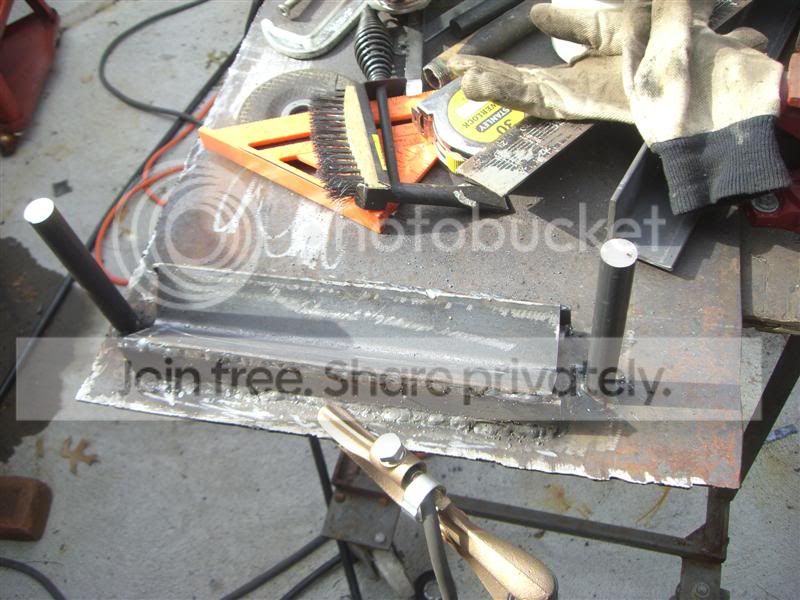
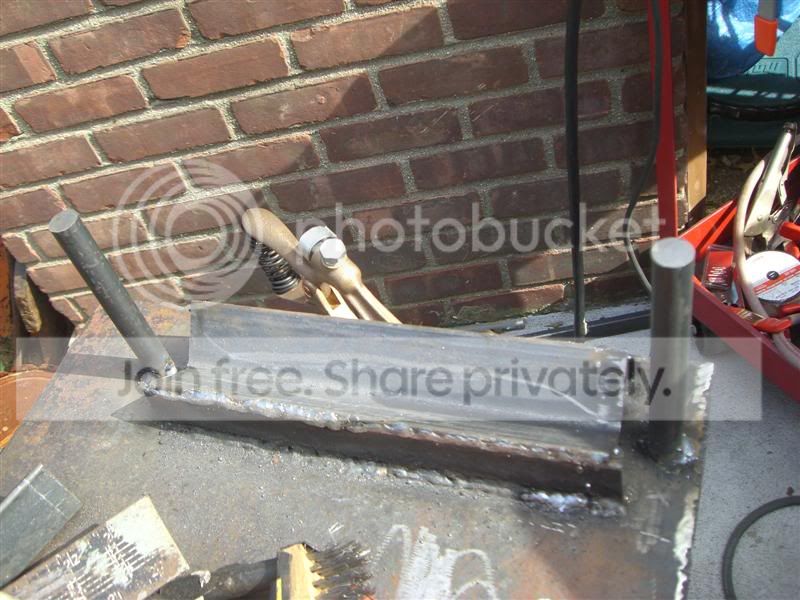
I cut two pieces of the 1 ½” angle iron to the same length, and welded them, butted up against each other to form a c-channel, almost to the edge of my ¼” steel plate. Then I cut the ¾” bar to two pieces of the same length. These got welded into the angle iron to act as structural support to go underneath the bottom die.
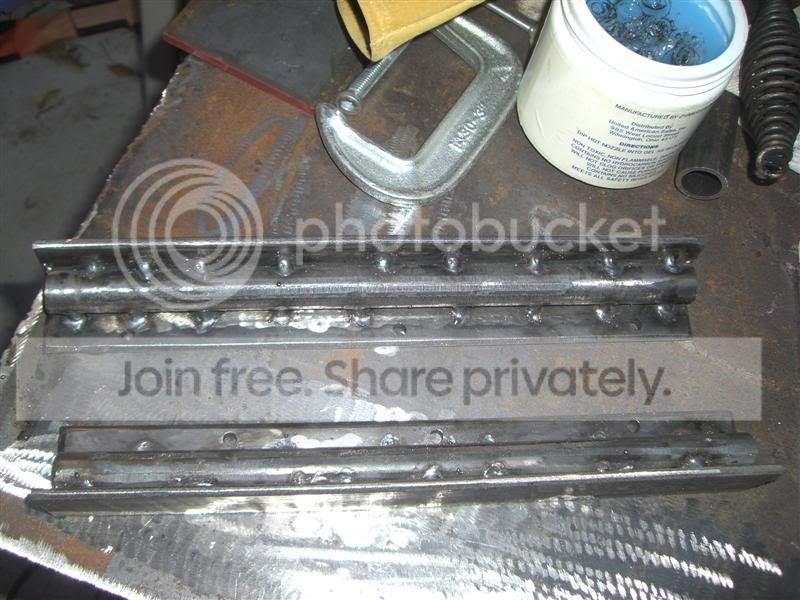
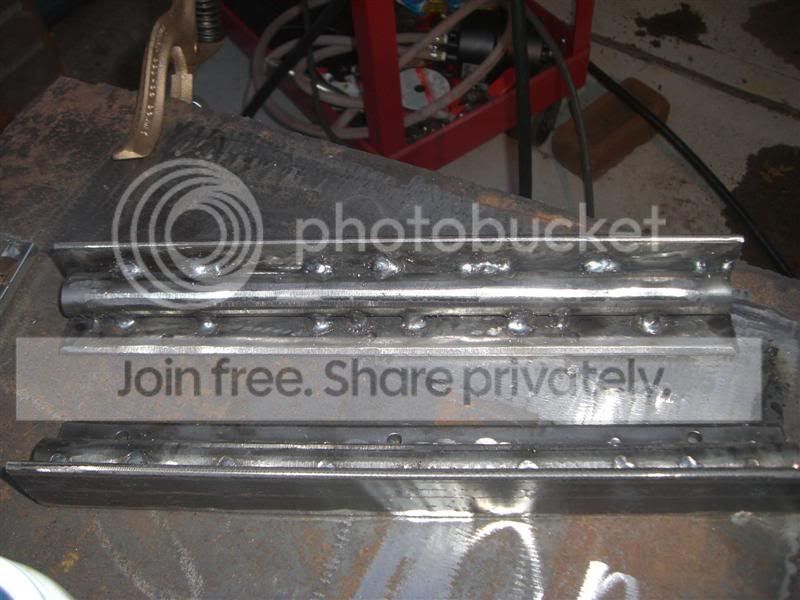
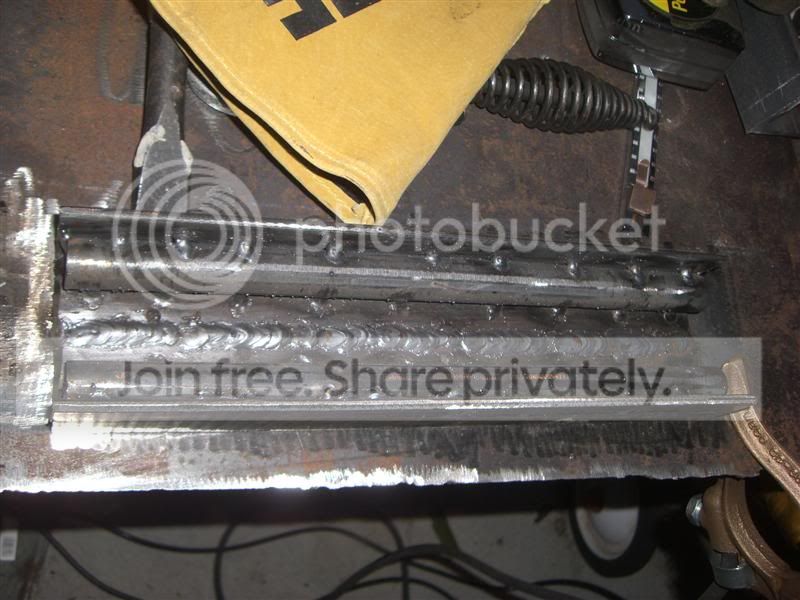
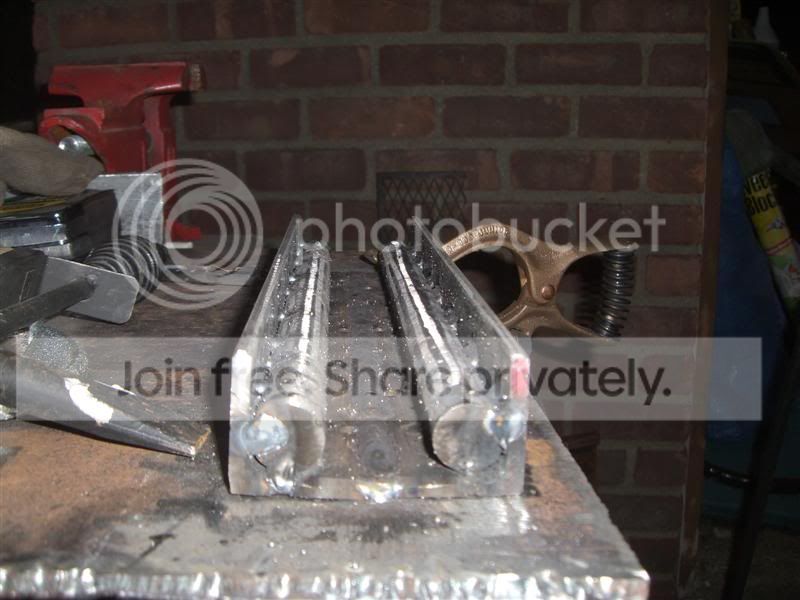
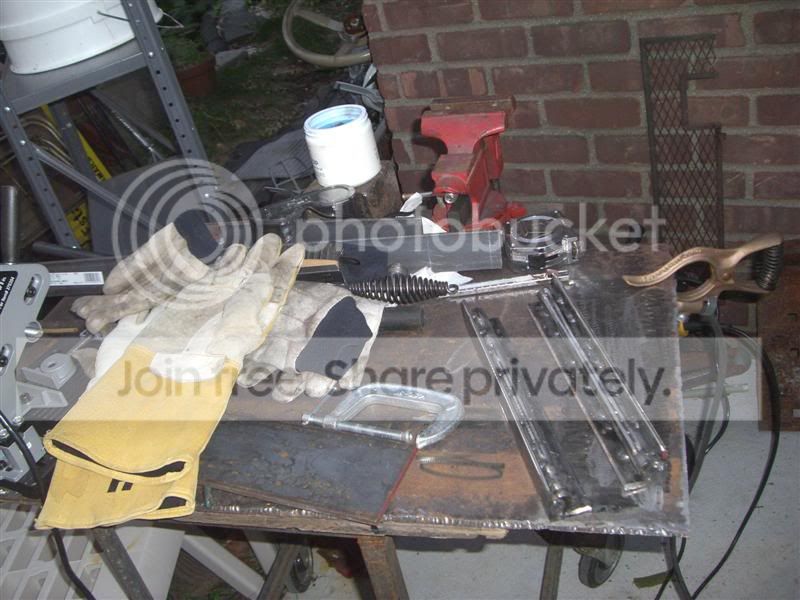
Then I cut and welded a piece of 2” angle iron to be the cradle of the brake.
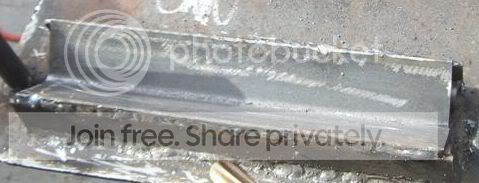
After aligning the top die to the bottom of the angle iron forming the base, I cut two pieces of the pipe and welded one to each side of the die.
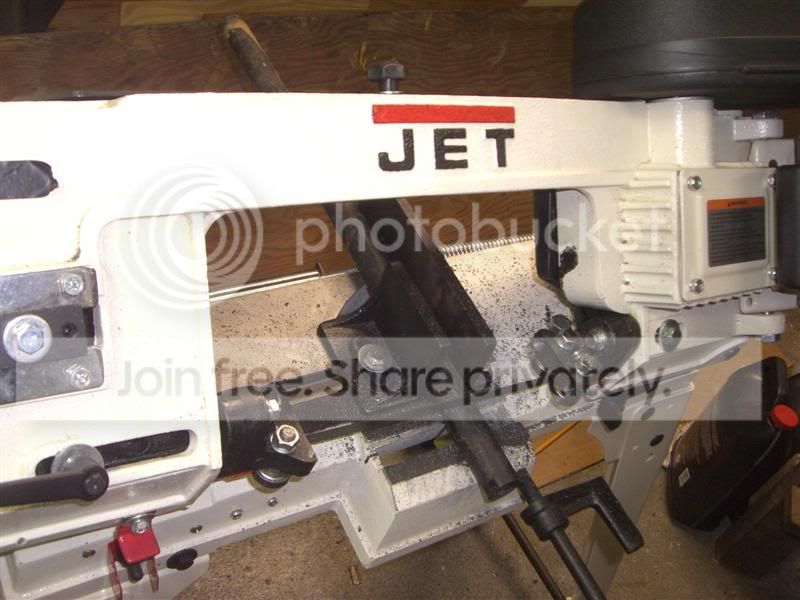
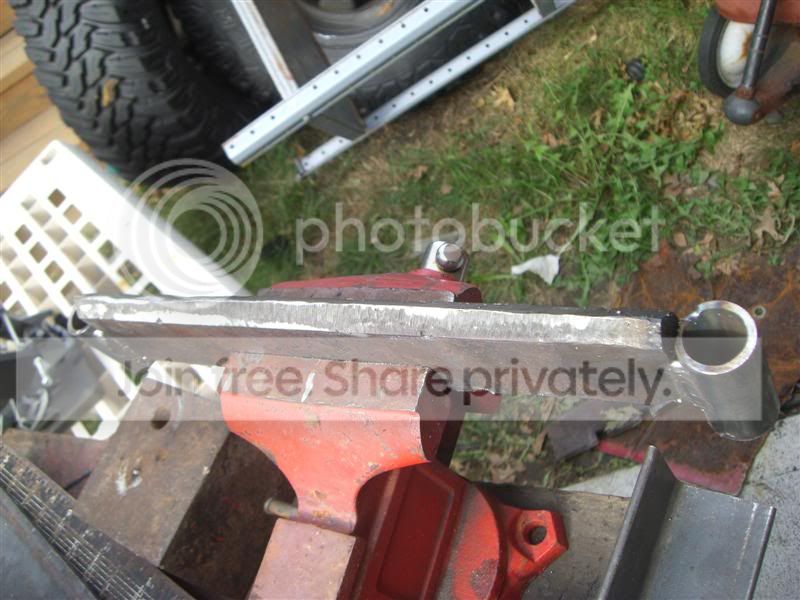
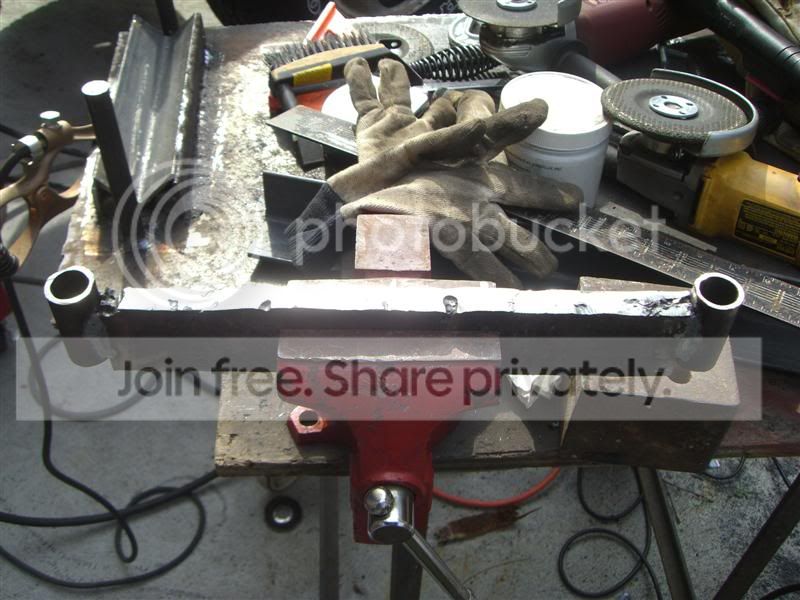
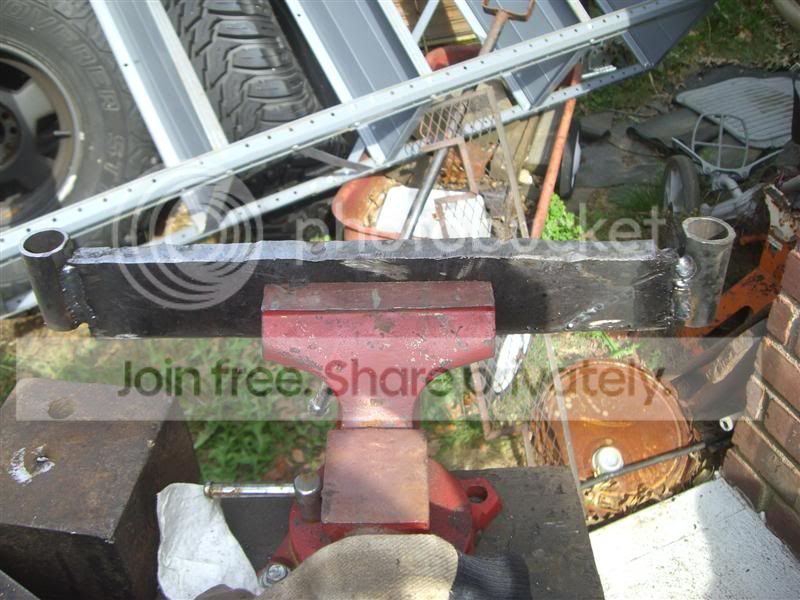
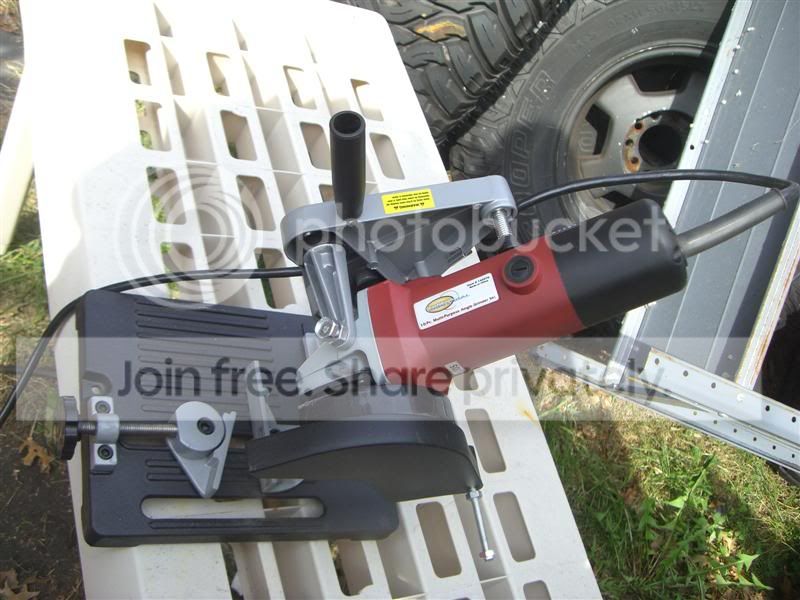
Then I cut some more ¾” rod for the pipe on each side of the die to ride on, and welded them in place on the ¼” base. I used a cheap grinder attachment from Northern that turns it into a mini chop saw.
(to be continued in next post due to image count limitations)
Here is my cheap solution for my need to find a way to bend some ¼” aluminum diamond plate for some brackets I needed to make. I made it after seeing some examples of DIY press brakes online. The die I made from an old piece of ½” thick railroad scrap I found at the local Rail Road crossing.
The 3/16” x 1 ½” and 3/16” x 2” angle iron and ¾” round bar I had left over from other projects. The ¼” steel base plate I cut from the edge of a larger piece I was using as a welding table top. The round pipe was scrap left over after relocating some steam radiators in my house.
I cut the railroad scrap down to about 12" x 2½” with a cheapo 4 ½” Harbor Freight/Northern grinder with a good quality cut-off disk. I started out by using my plasma cutter on it, but found that the low-tech method of using the grinder and cut-off wheel worked better, leaving a beautiful clean edge.
I then used the plasma at an angle to get a rough point along the edge, and then finish ground the point with another cheapo grinder with a grinding wheel. (They are so cheap, I keep four, each with different disks and brushes on them for different needs. It is easier than swapping the disks.)
I cut two pieces of the 1 ½” angle iron to the same length, and welded them, butted up against each other to form a c-channel, almost to the edge of my ¼” steel plate. Then I cut the ¾” bar to two pieces of the same length. These got welded into the angle iron to act as structural support to go underneath the bottom die.
Then I cut and welded a piece of 2” angle iron to be the cradle of the brake.
After aligning the top die to the bottom of the angle iron forming the base, I cut two pieces of the pipe and welded one to each side of the die.
Then I cut some more ¾” rod for the pipe on each side of the die to ride on, and welded them in place on the ¼” base. I used a cheap grinder attachment from Northern that turns it into a mini chop saw.
(to be continued in next post due to image count limitations)