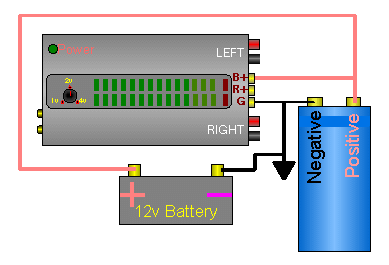
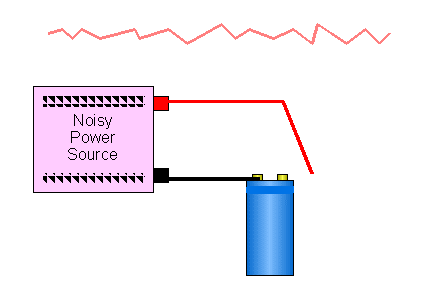
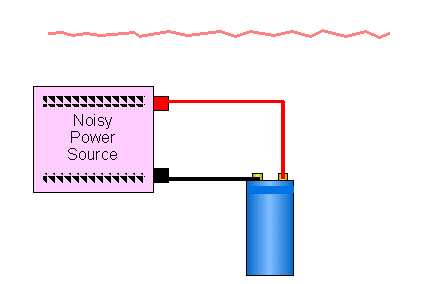
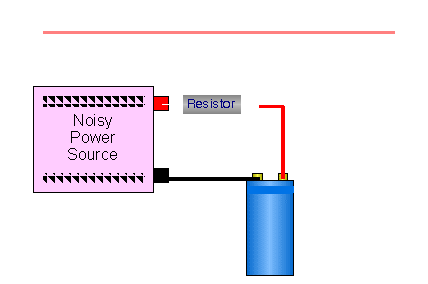
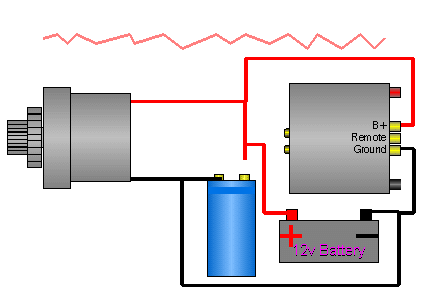
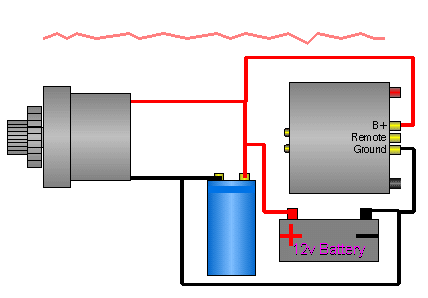
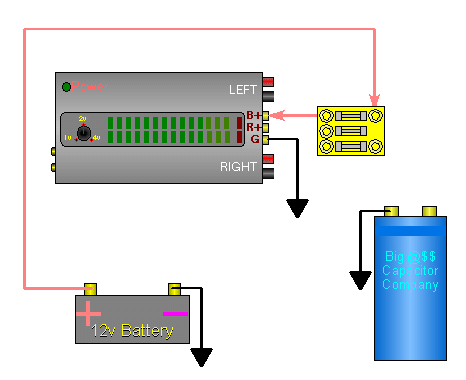
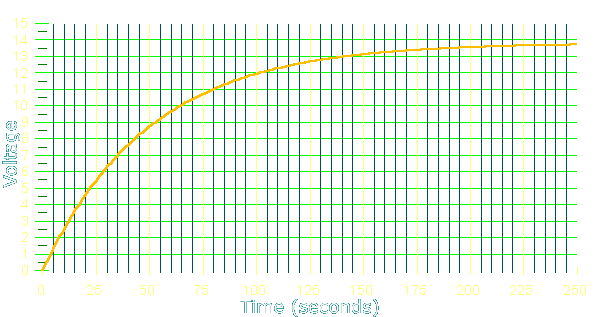
well i see where you are going about fixing the circuit that has the problem, but if the lights are dimming to the bass. and by adding a cap in series with the amp it will take the current from the stored voltage in the cap and not anywhere else in the system. so adding a cap is perfectly fine, i guess thats why audio shops do it all the time. hmm
Ive explained this to you already, I guess I need to again.
Increasing the size of your factory wiring (the big 3) will reduce resistance in your stereo circuit, thereby reducing the voltage drop occurring when the bass hits.
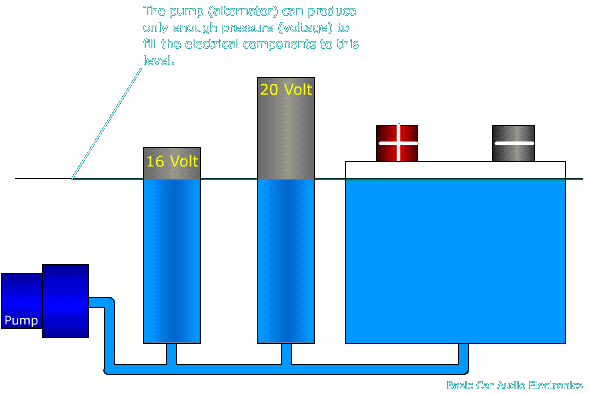
You say the system will take power from the cap and nowhere else, that's simply not true nor do you seem to understand how an electrical circuit works. The cap's storage capacity will be dependant on system voltage. If you do not upgrade wiring and have excessive voltage drop in your power/ground cables, the cap will experience the exact same voltage loss as the rest of the circuit. Basic electronics there.
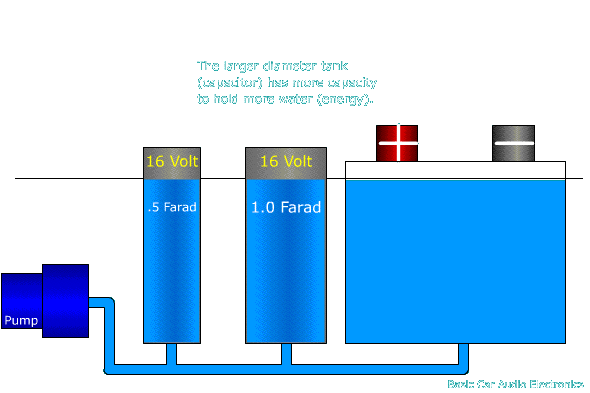
A cap is nothing more than a storage device, like a battery. Unlike a battery, it has a faster charge/discharge rate. This is what people love about caps, not realizing the ESR of their cap severly limits that very effect. Why do you think amplifier designers use an array of small caps in their power input stage, rather than one giant cap? ESR. Look it up, Im tired of explaining this same point to you.
Local shops add caps all the time, hence they MUST be useful... is that your arguement here? Well heck, lots of local shops also install Pyramid or Boss equipment, must be good stuff too. Go to a local shop that sells batts but not alts and what do you suppose THEY would say you need? Must be true too, right? Ive already addressed the fact that caps are so entrenched in the indutry due to sales figures. But again, that does not prove they are useful. It only proves they will try to sell us anything they can, and if marketed properly, we'll obviously buy it. Whether we truely need it, or not. Even when people explain why you dont need it, the marketing and rumors about caps have you convinced it will solve all your charging system problems. Good luck with that.
Again, even Richard Clark, the very man who first used a 'stiffening cap' in car audio disagrees with your assessment of their use, and their portential benefits to your audio system. Look it up, RC is highly volcal about how the industry has twisted his invention just to turn a profit.
Dont be a lemming, think for yourself. Research the topic abit. On page 1 you were trying to inform me you only need a cap when running class D amps. You then changed it to class A/B's, citing a typo. Either way shows your shallow knowledge of the topic. Not trying to be an ass, but clearly you are not very well versed on the topic, I do not understand why you seem to think you are at this point. Deciding if a cap is necessay based on your amplifier topology? Makes zero sense.
BTW I can provide graphs of tested amplifier topologies that shows the basic efficiency differences between D's and A/B's is insignificant at maximum output levels. The class D's are only substantially more efficient when running at low to moderate levels. After that, the A/B's efficinecy increases to nearly that of a class D. Again, fairly common knowledge in the industry today, that you dont seem to even realize.
Also on page 1 you were amazed someone would even question using a cap. Again, shows you are not well versed on this topic. This arguement has been raging almost ever since Mr Clark showed off his stiffening cap idea so many years ago. You were not even aware this debate exists, and yet now you seem to feel 100% confident you know the whole story. Hmmm
Believe what you want. Ive tried to inform you, if you wont listen, at least I tried. Throw good money after bad and go buy a cap if you want. *shrug* Heck, that pimple faced kid working for minimum wage at the local car audio shop says you need it, so obviously you do!
Have a nice day.


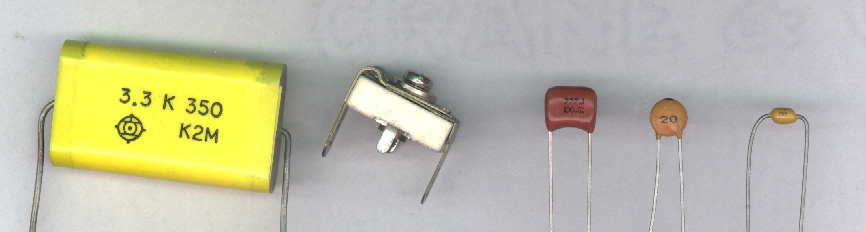
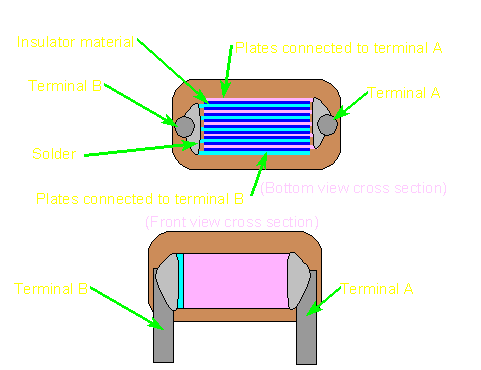
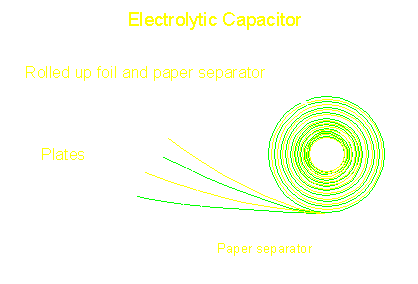
 Capacitor: A capacitor is an electronic device which consists of two plates (electrically conductive material) separated by an insulator. The capacitor's value (its 'capacitance') is largely determined by the total surface area of the plates and the distance between the plates (determined by the insulator's thickness). A capacitor's value is commonly referred to in microfarads, one millionth of a farad. It is expressed in micro farads because the farad is such a large amount of capacitance that it would be impractical to use in most situations.