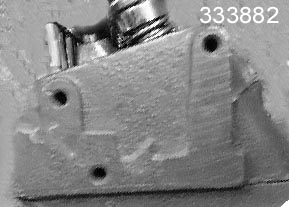
Since the heads are blue I'd say its the '79 engine as noted above..
GM started painting engines blue around 1976 or so..
It sucks they use the same engine codes on multiple years often--we ran into grief at the junkyard often due to this--sell someone a "350" going be the car it came from,and the engine code in the Hollander Interchange Manual,then have it come back later after the customer took it apart to rebuild,and found it was a 305 from some other year,that had the same code suffix..
I no longer have access to those manuals,I can only go by what listings I find online,and assume they are correct..
I suppose you could ID the engine's age by the "clock" on the casting on the bell housing area,that would pin down which one of the two years it was..
As for the compression ratios,yes,some special optioned engines like the 327 noted above and some BBC did have higher compression,but for normal everyday passenger use engines, the compression peaked in 1970 for most all engines,not only GM but many other brands...after that it was all downhill..
I read often that certain heads are "noted for cracking"--its funny,but I spent 22 years in auto parts stores,two of them had machine shops,and it was pretty unusual to see a cracked head in my experience ,the few ones I saw came off engines that were overheated badly or used in 1/4 mile drag cars mostly..
We did see many with surface cracks in between the valves,but unless they went all the way into the water jacket,they were considered "useable",and we did valve jobs on them and customers ran them without any problems..maybe they crack more in other parts of the country where it gets much hotter and vehicles work harder in higher altitudes ?..more blocks and heads crack here due to freezing when people skimp on adding anti-freeze than other reasons probably..