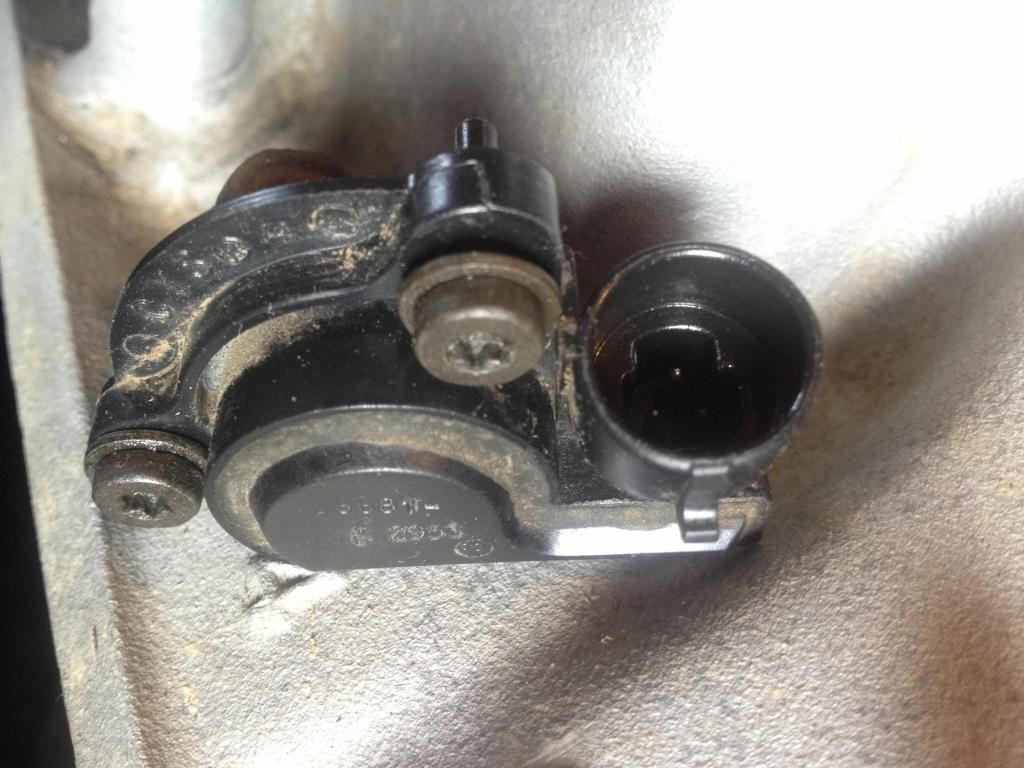
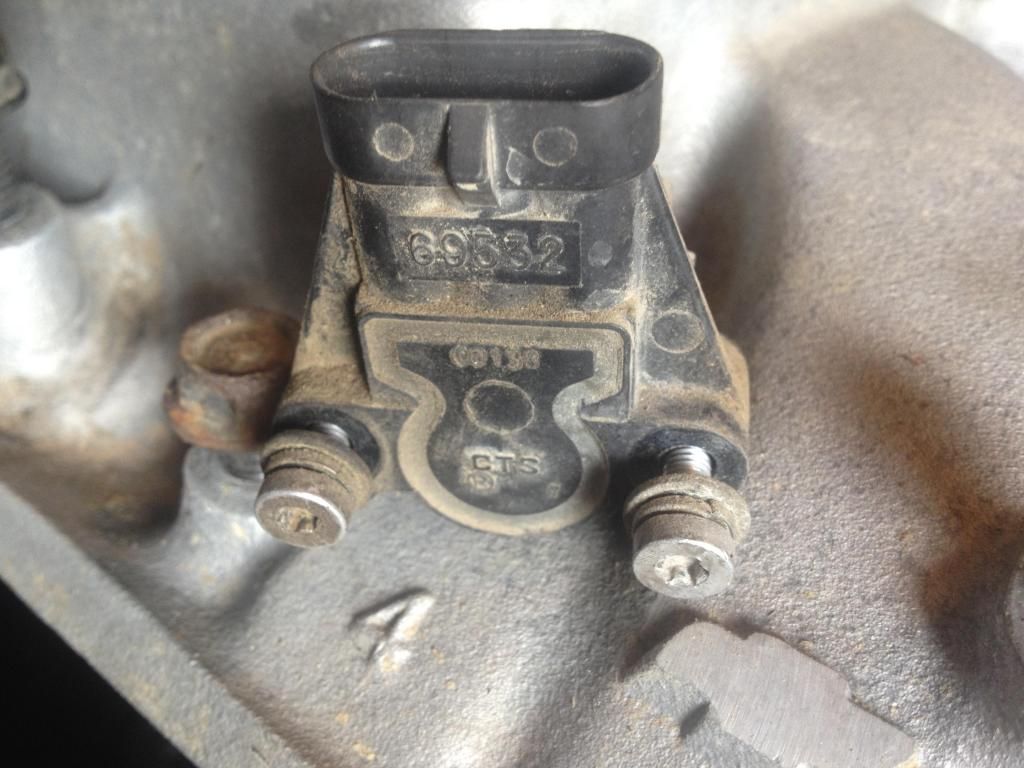
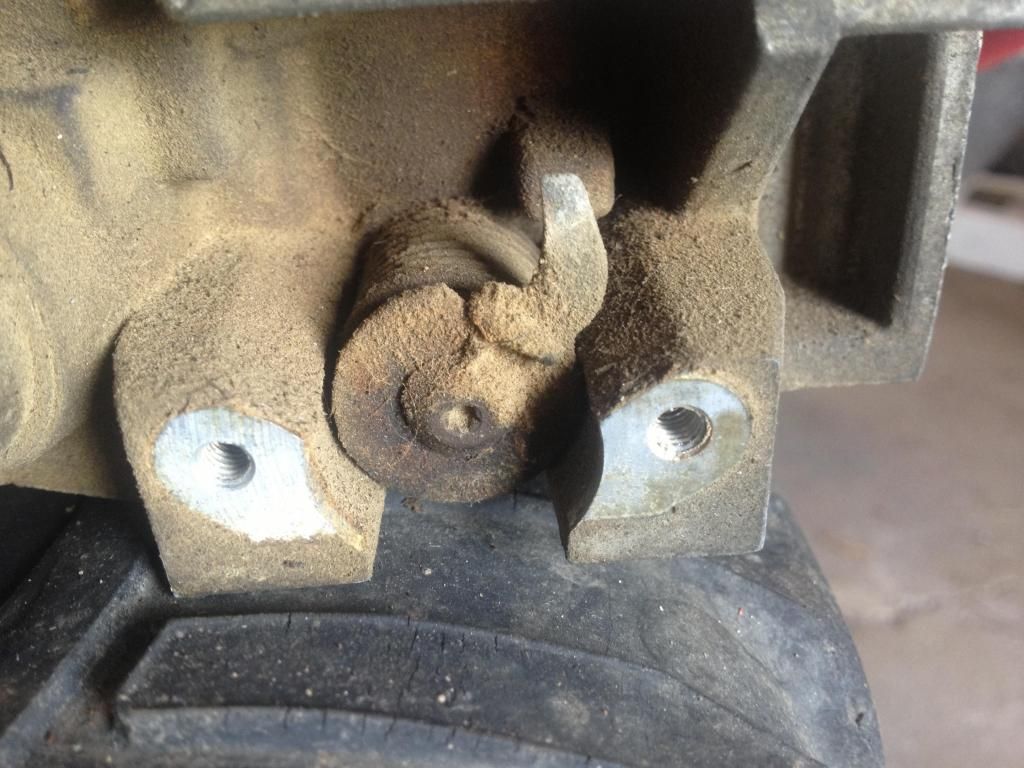
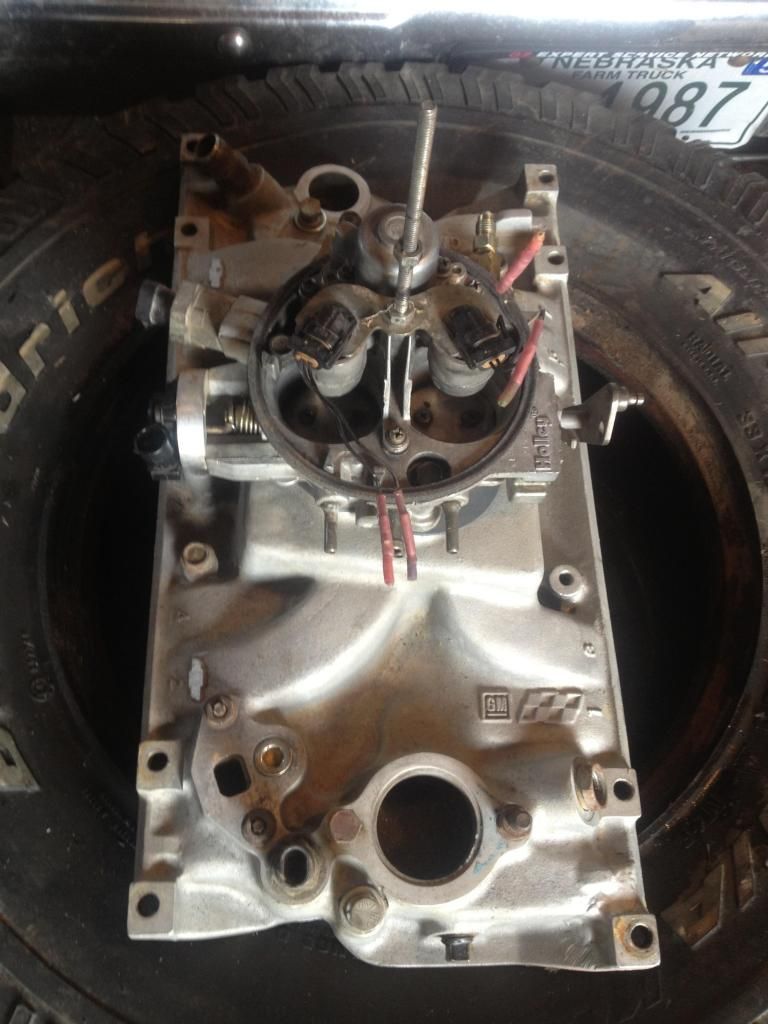
I'm sure you can look up wiring diagrams for different vehicles and find the pinout of both sensors, but it's pretty easy to figure out, too. It's just a potentiometer. So two pins will have a constant resistance between them no matter what the sensor position is. Those are the high and low pins. The third pin is the wiper and the resistance from that pin to the others changes as the sensor moves. The wiper will be low resistance to one side when throttle is closed. That's the "low side" which will be tied to ground. The wiper will be high resistance to the "high side" pin when throttle is closed. That's where the 5V goes. When the throttle is open, the situation reverses where the wiper is low resistance to the high side and high resistance to the low side.
Just go through that deduction process on both sensors and you have your pinout conversion.
If you have a harness connected to the ECM, you can figure out which wire is which just as easily. Make voltage measurements relative to GND. One wire will have 5V, another 0. The third is the sensor signal line and it could be 5V or 0V (I don't know if your ECM pulls it high or low). To differentiate, you just need a resistor - let's say 5kOhm. If you have two wires that are high, test them one at a time by connecting the resistor from the wire to GND. The 5V supply will stay high and the sensor line will come down to some lower value (the voltage depends on the resistor inside the ECM). If you have two wires that are low, test them one at a time by connecting the resistor from the wire to 5V. The one that pulls up is the signal output. The one that stays very near 0 is the GND.