

Nope.
Not unless you want to see house remodeling photos....
Tomorrow is a guaranteed shop day.
-G
Im up for good house remodeling pics....that's the other hobbie I have.


Nope.
Not unless you want to see house remodeling photos....
Tomorrow is a guaranteed shop day.
-G

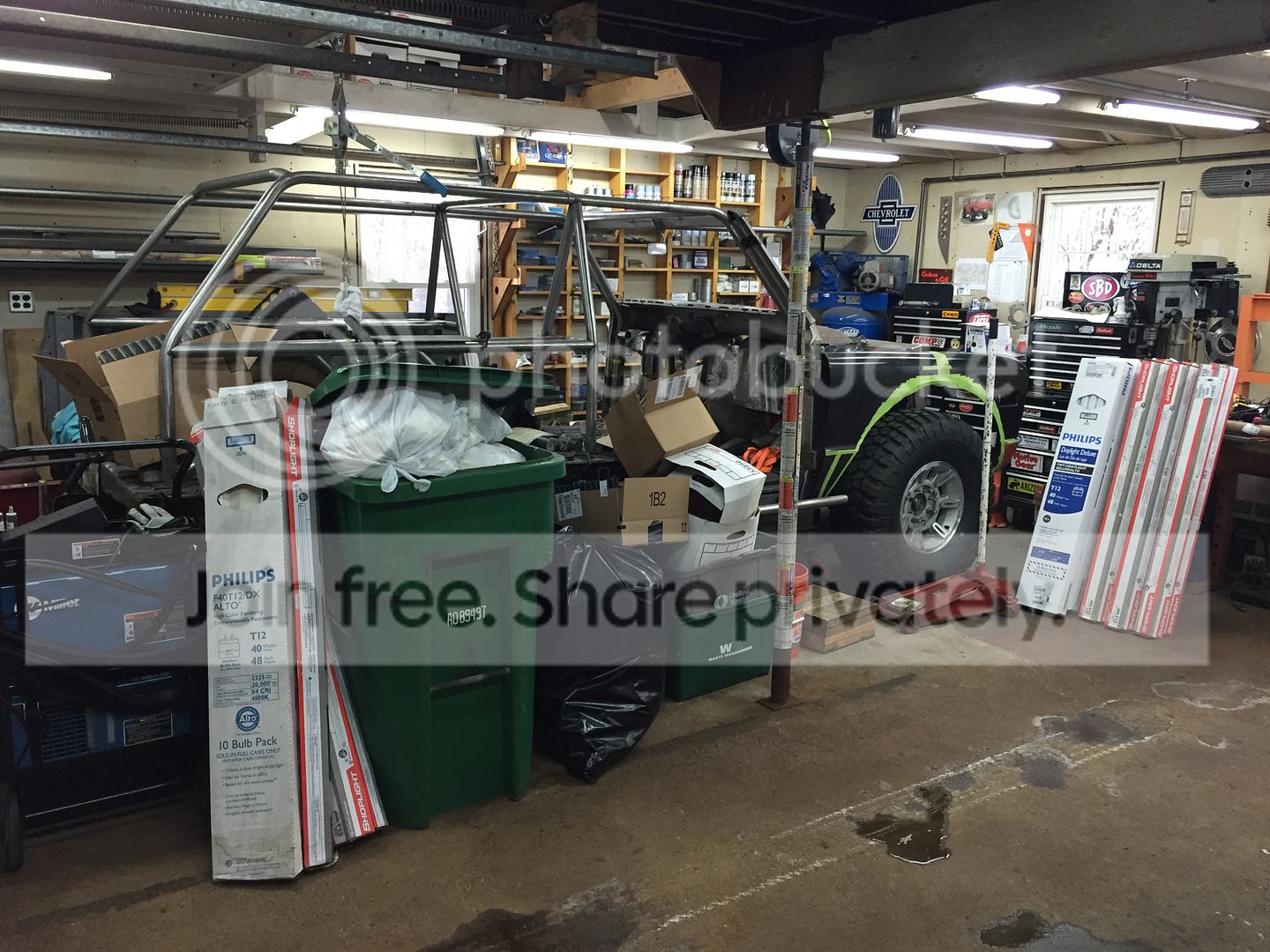

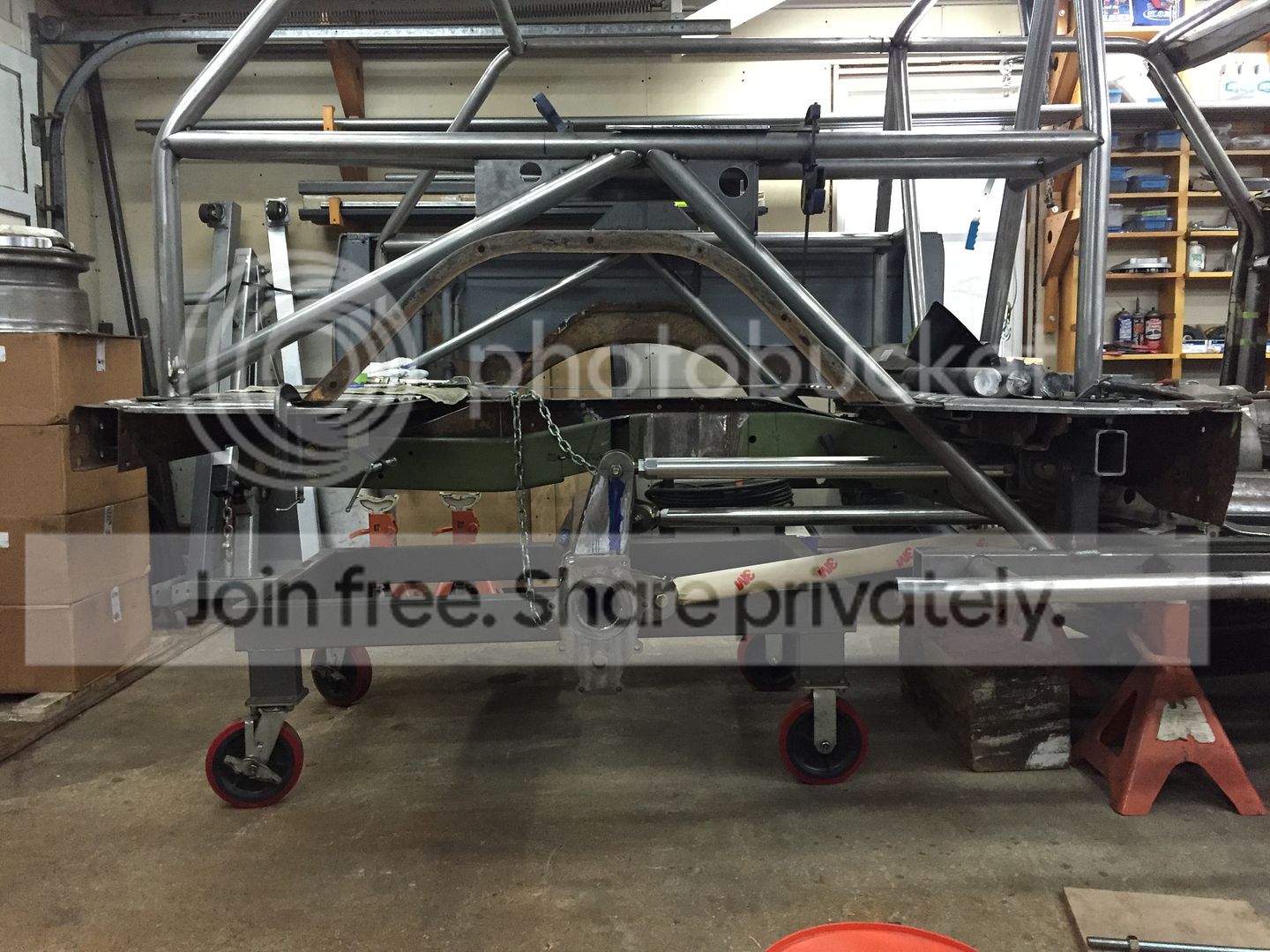
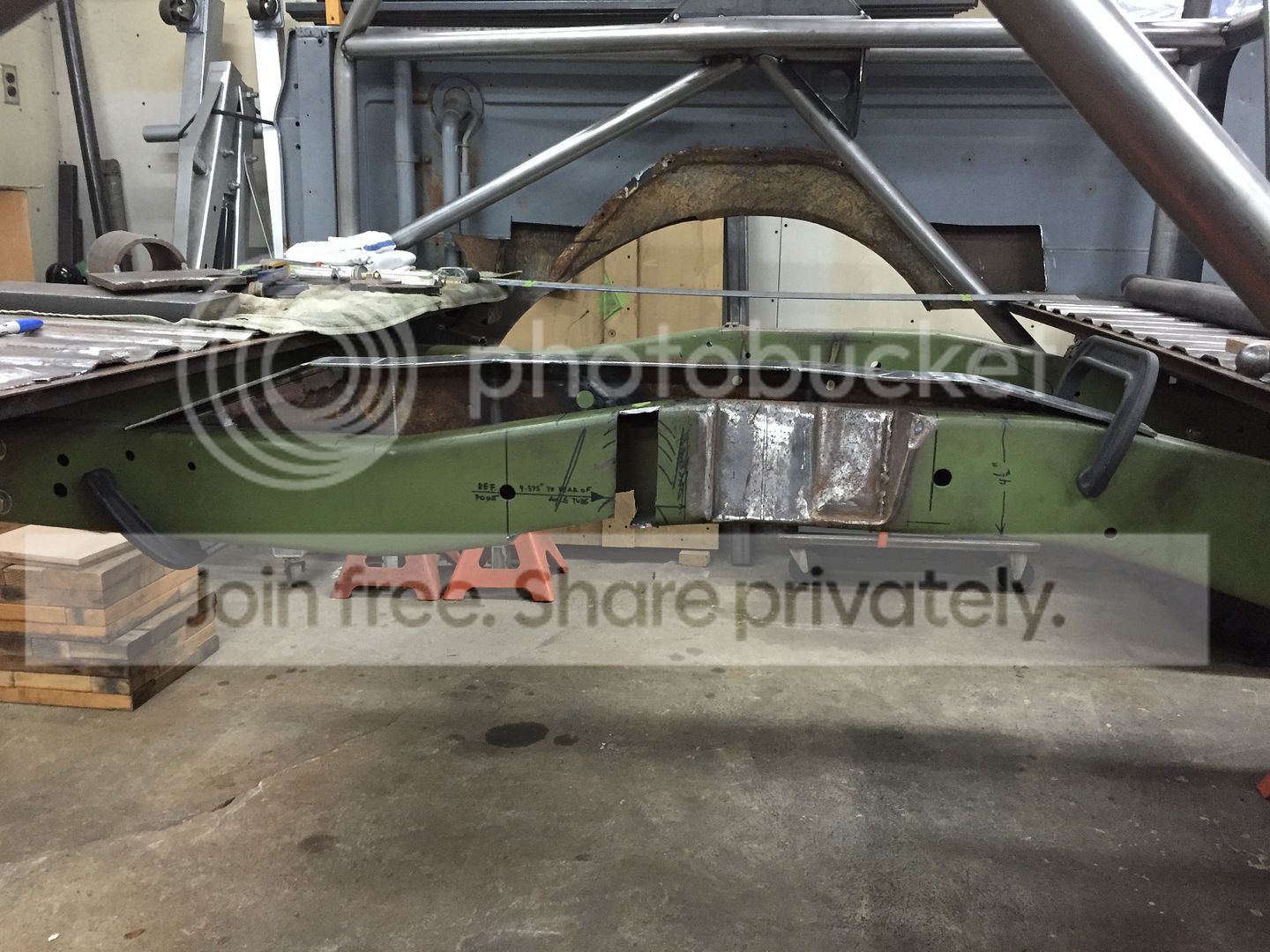

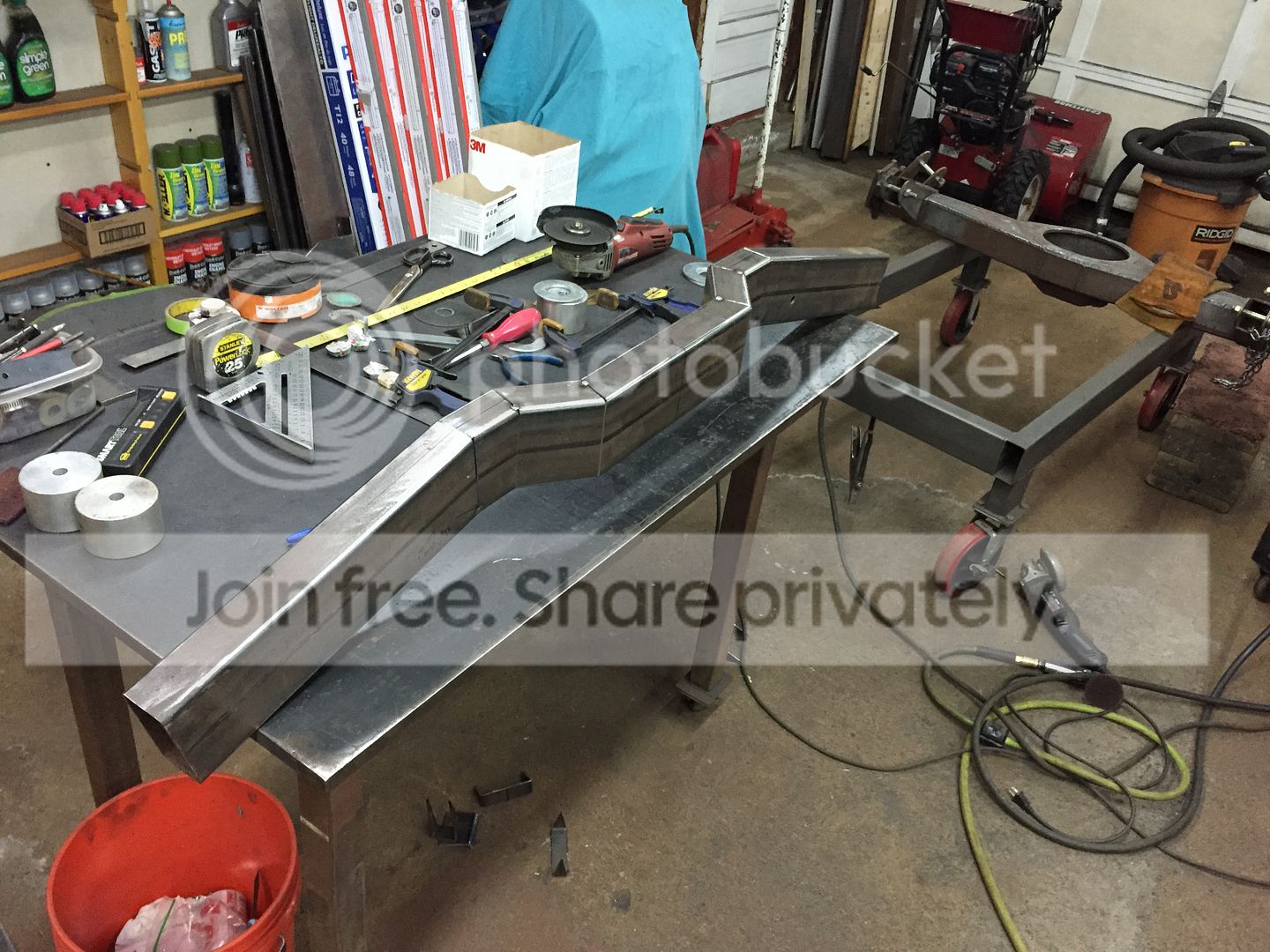
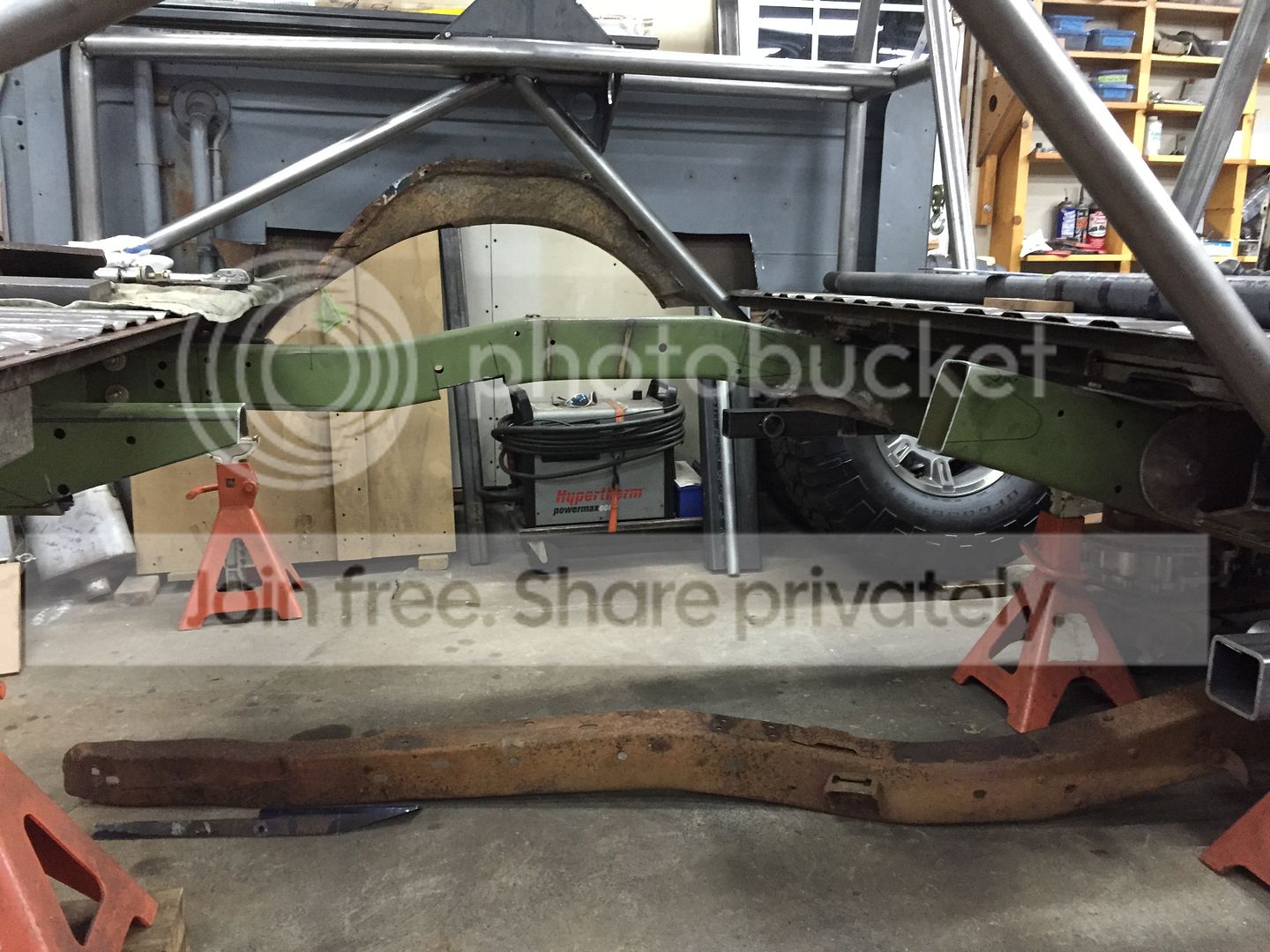


I am sure you have a plan, so what are you using to make sure it stays level and square before welding the new piece back in?


I leveled the whole truck on jackstands before making any cuts. I plan on only doing one side at a time and running my digital level across the framerails to make sure things are cool before final welding. Realistically, there isn't a whole lot of frame left at the very end (maybe 12") it might have been better to just run the new frame all the way out the back and redo the crossmember to fit the new rails?
-G

"Might as well"™

As an aside, how well insulated from the house is your garage? I just got to thinking about all the cutting/grinding you've been doing and wondered how that translates to the wife and kids in the house.


It's not bad. Charlie's room is closest to the garage, but I think the only thing that will really bother him when he's sleeping are the sharp hammer strikes on steel... those really "ring". The rest of the noises I think are mostly muffled or are low-frequency stuff that is easier to ignore.
I tend to be pretty careful working in the shop. I'm not the kind of person who throws materials around, and makes a lot of noise to begin with.... I wouldn't necessarily call it a "tranquil" environment, but things are pretty mellow in there most of the time.
-G


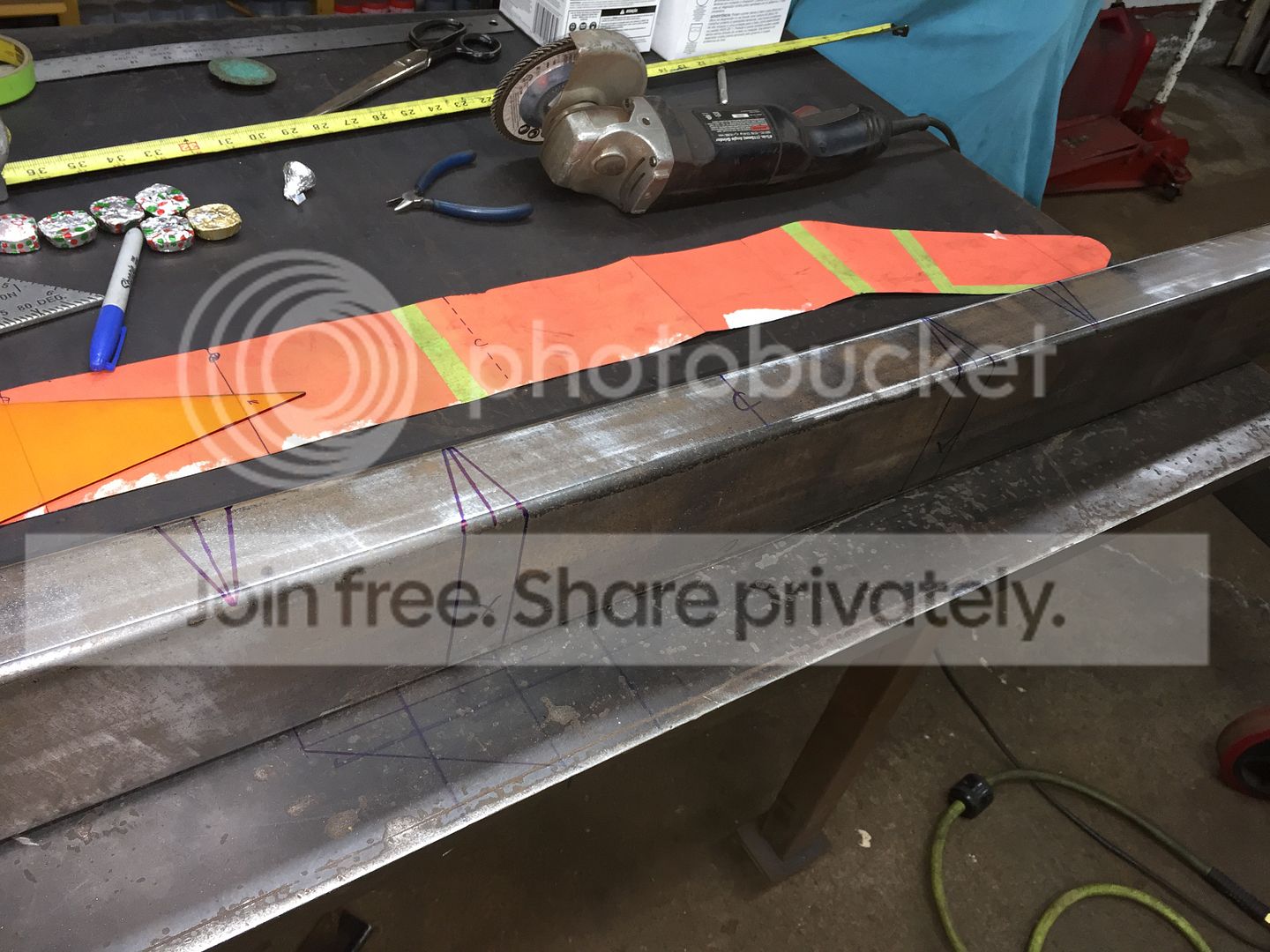
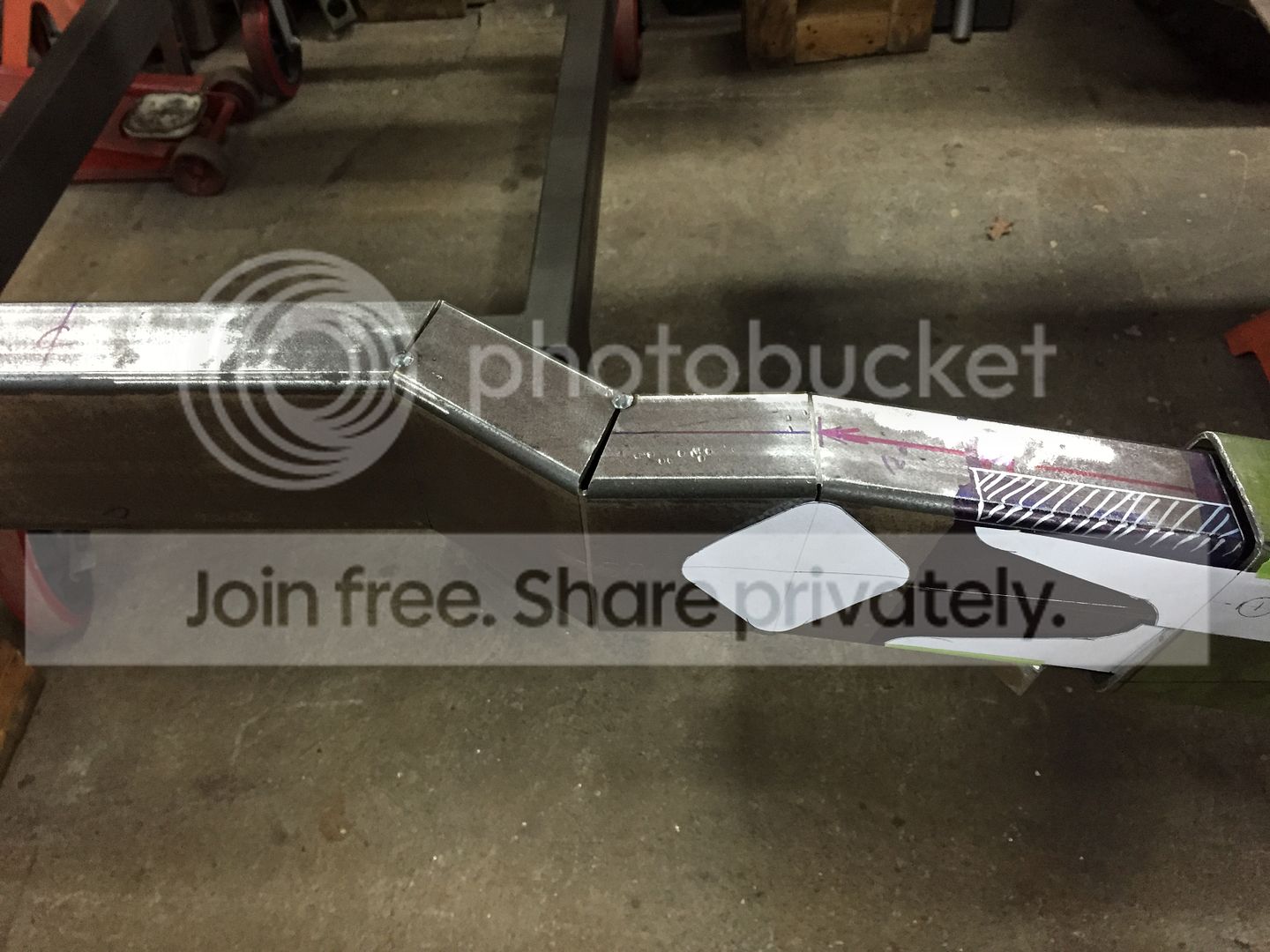
 When laid around the framerail, it creates the correct overall dimensions I need, and leaves a 1/4" gap between the parts. Perfect for laying down a weld bead when the time comes!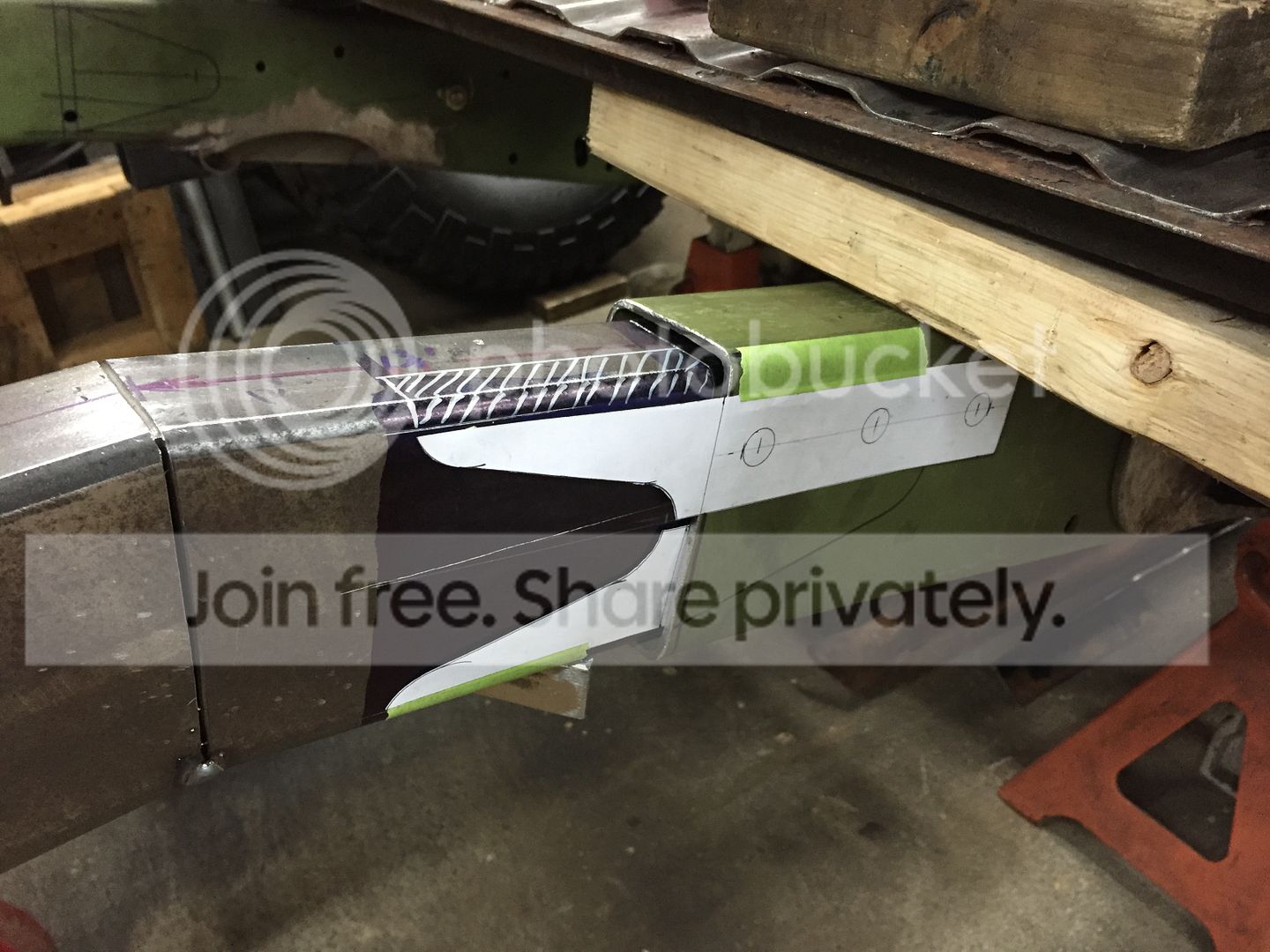
2015.01.07 - UPDATE! - FISH PLATE SPECIAL....!!!!!
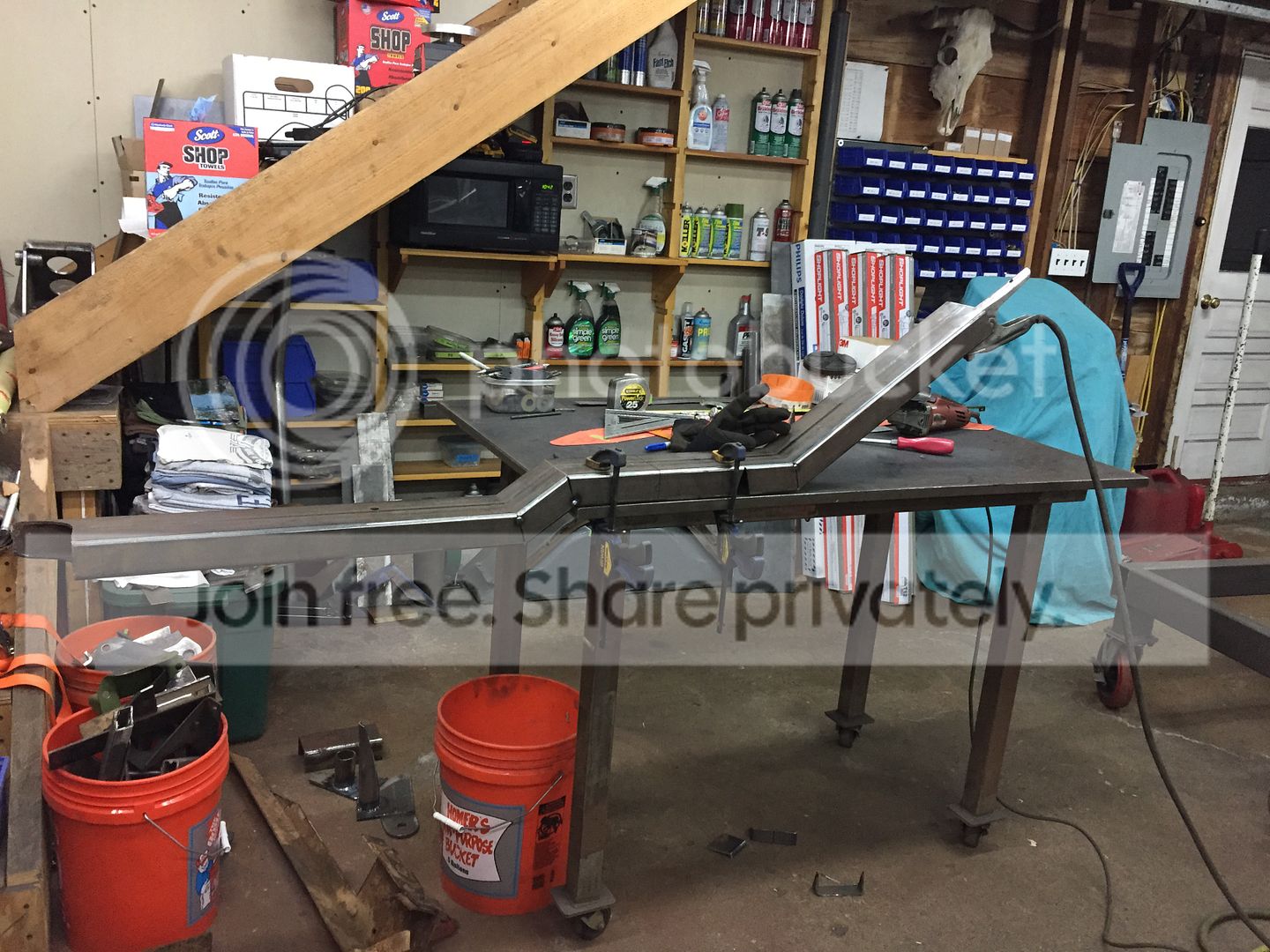
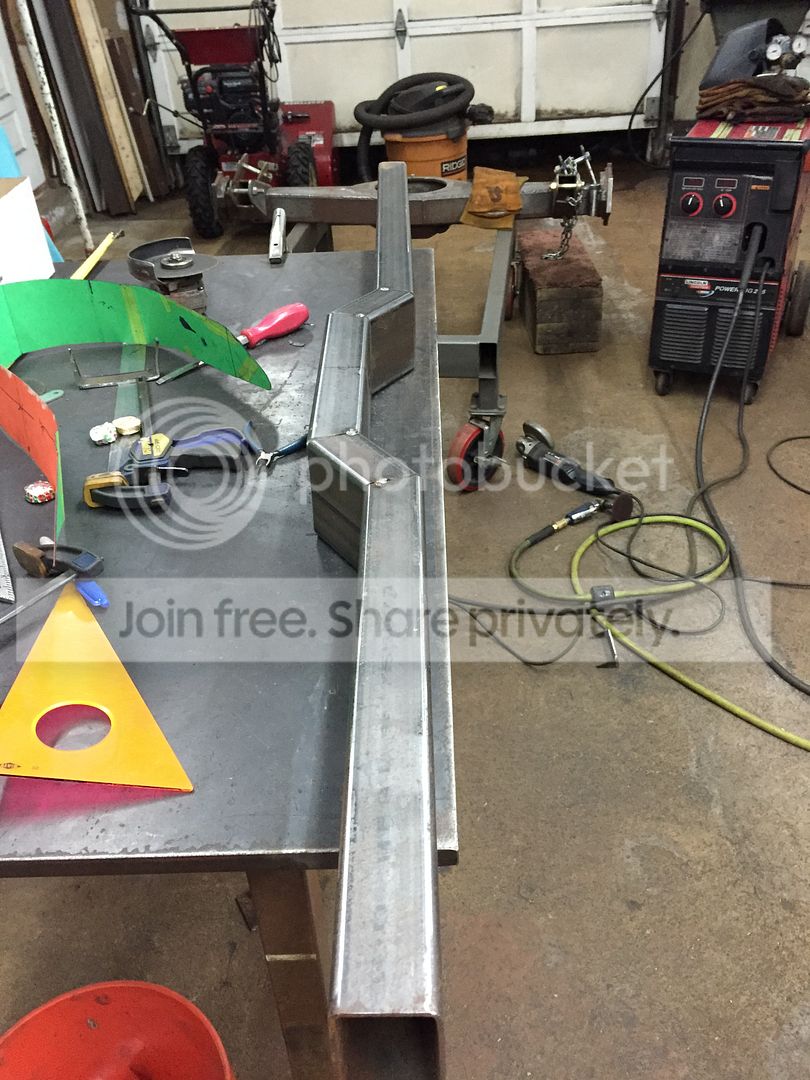
Waiting on some new 2" x 4" tubing so that I can build the DS frame rail... I'd kind of like to do these in pairs so that I can compare dimensions and insure that they are perfect mirror-image parts before I weld this first one into place.
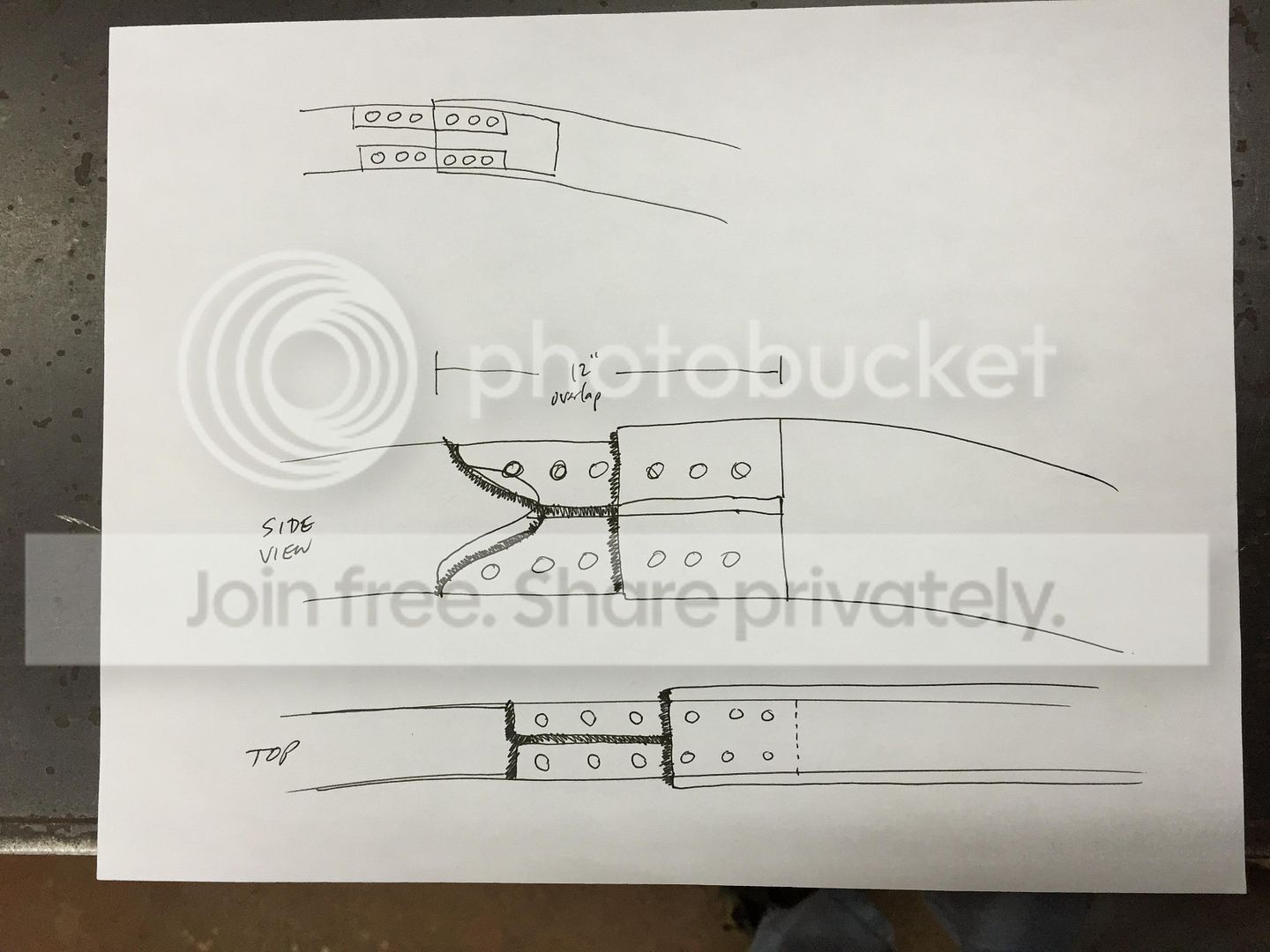
Speaking of that. Here's my "back of the napkin" sketch of how I think it's going to work:
Basically, the new tubing is exactly 1/4" smaller overall than the I.D. of the "stock" factory framerail.... so to get it in there tightly it needs a 1/8" thick plate on each side to take up the gaps.
Fortunately, if I fillet a small section of that same 2" x 4" tube I end up with 4 pieces of shim material that all have the proper corner radius built-right-in!!
Here's a mockup showing one plate inside the frame and out outside for illustration purposes.
I did a test fit with some small scraps and the result was awesome. Everything was really tight and I actually had to tap the shims into position with a hammer and drift. That tells me that the odds of welding all of this together ahead of time (and then sliding it into the old frame section) is NOT going to happen. Ultimately the assembly process should go as follows:
- Cut out fillet pieces to match the fishmouth profile in pic
- Predrill the original frame with 3 holes per shim for a plug weld
- Predrill the shim with the same 3 holes so that the puddle locks all three thicknesses of metal to each other
- Insert new frame section
- Insert all 4 shims and hammer to final position (aligning all plug weld holes)
- Puddle in the holes, then perimeter weld the gaps and fishmouth areas as shown in illustration
That's about it for that part. Then I need to start laying out more fishplates across the remaining vertical seams to add more strength to those as well....
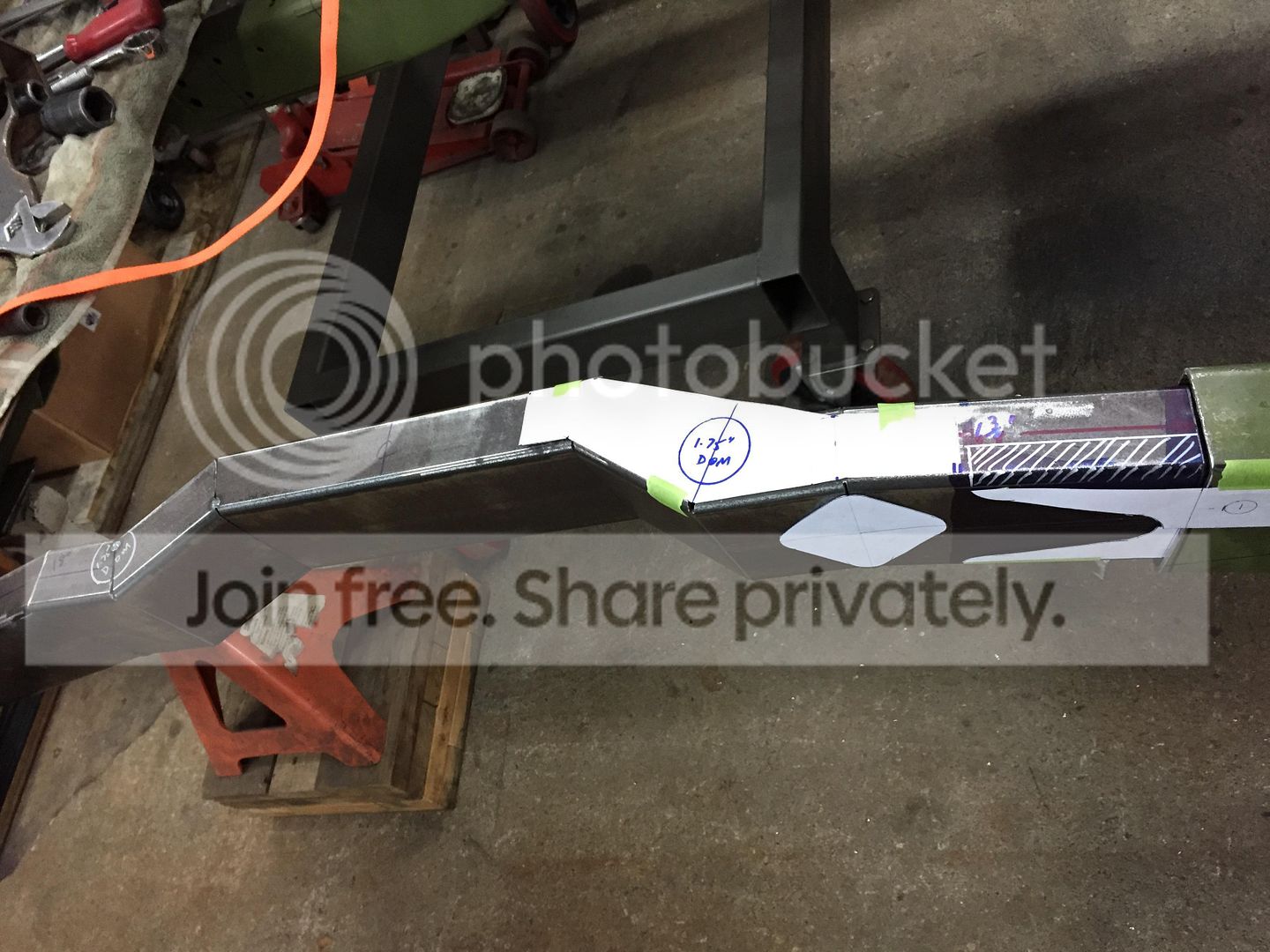
This cute little diamond pattern is the right idea, but realistically as I looked at it the right method would involve making it a LOT wider (across the frame) to also incorporate the next two vertical bends in a single plate. Basically it's the diamond shape stretched to about 8" wide...
Across the top and bottom of the frame there is another opportunity to cut a single strip of 1/8" plate to follow the curved profile of the frame and lock that whole thing together....
As you can see, if I smooth-out those corners by running the metal plate straight across it gives me a nice little "landing pad" for some 1.75" DOM tubing in two spots. These would be obvious places to build a triangulated tube support the rear ORIs directly off the framerail and would put the entire strut assembly into a nice double-shear mounting. I'm already going to lose interior space as a result of the wider rear wheeltubs, so dropping a couple of tubes down just to the inside of the tubs isn't going to cost me much space... but will add a TON of strength to the rear mounts.
We'll see......
-G

There are 24 plug welds passing through from the original frame to the new frame section..... 6 per side, 4 sides.
-G

Looks fancy as usual!
Why do you need the metal plate to weld the 1.75" DOM there? Why not just weld it directly to the rectangular tube? Isn't that 2" wide?

I think it might break.. In my opinion.. And I'm not just some guy, cardboard is not nearly strong enough.. And when you weld it cardboard has a tendency to burn.. That's not really good for fusion.


