CK5
Register an account today to become a member! Once signed in, you'll be able to participate on this site by adding your own topics and posts, as well as connect with other members.
I know this story far too well. The FJ40 was supposed to be a quick build with parts I already had.... it's being featured in magazines coming soon to a rack near you... way too well. But as they say, it's good to have company :)
 
Update!

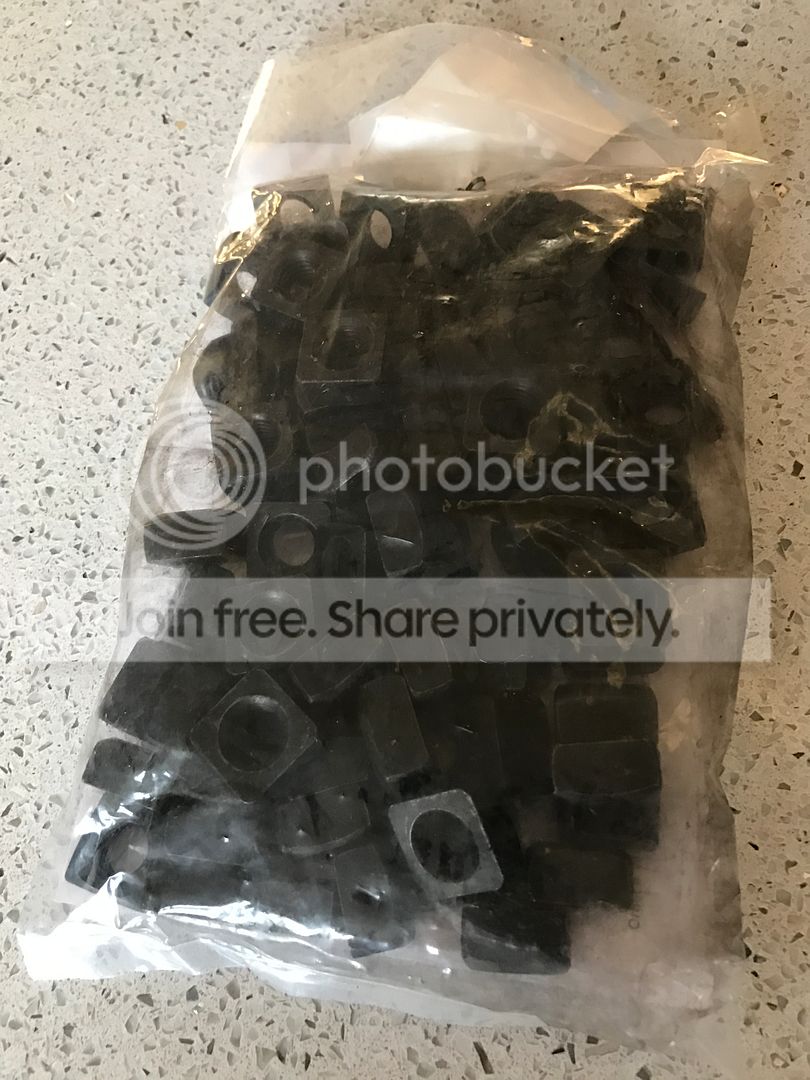
New Gr-8 Nuts arrived.... ready for the weekend. :waytogo:

IMG_5702.jpg


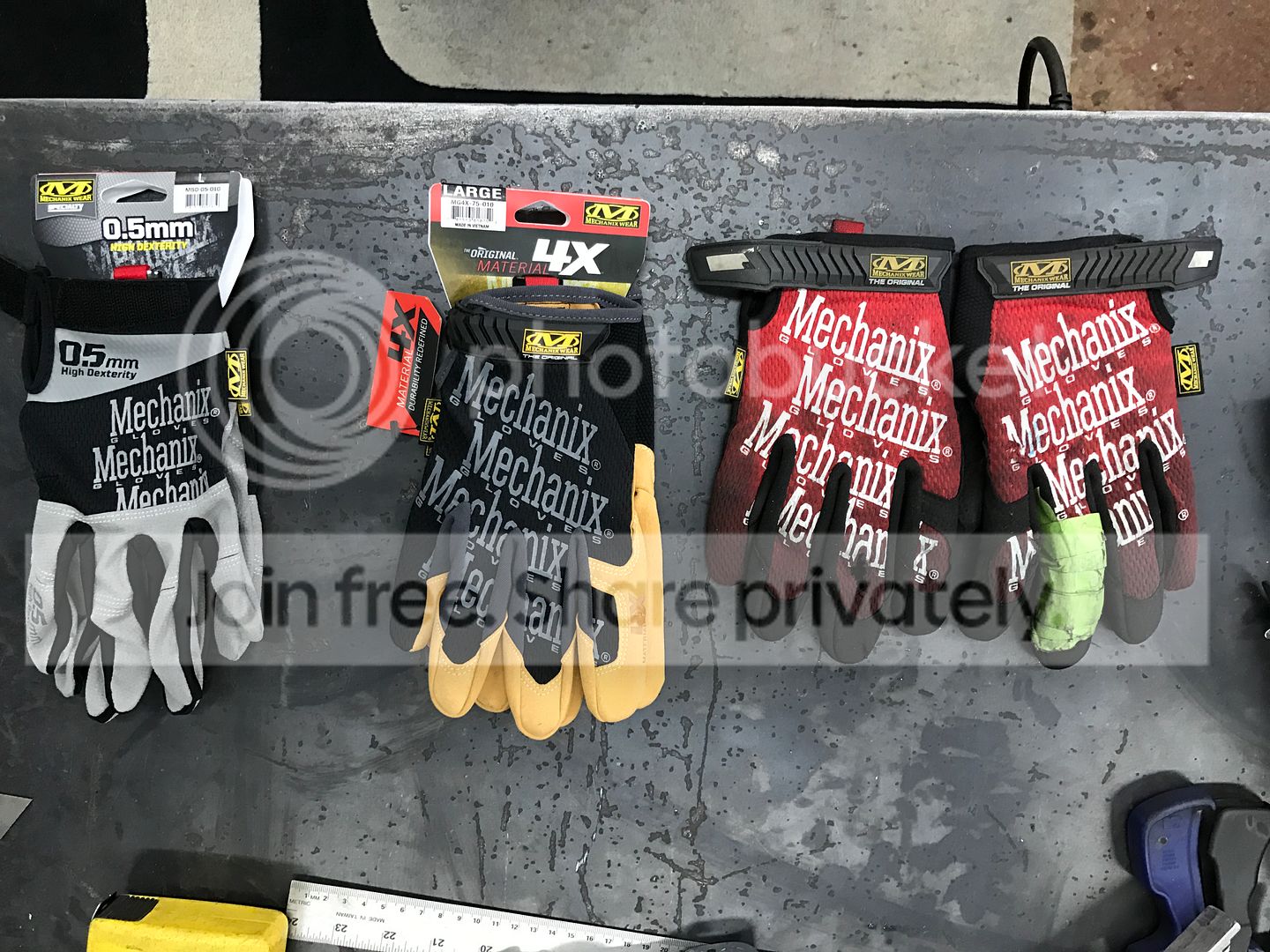
Also bought a couple new test pairs of Mechanix gloves. I'm getting tired of melting the backs of the red ones and burning my fingers every time I use my 4.5" cutoff wheel...

IMG_5705.jpg


Pretty sure the tan ones aren't going to be any better since they have the same amount of polyester across the backs of the fingers. The grey ones seem to have more leather coverage but the material is also a LOT thinner so it may just burn-through anyway.

I'll provide feedback (and burn pics) later.


-G
 
I have different gloves for different tasks - but the ones I found 'best' were TIG welding glove because they allow fine, detail work and keep sparks from hitting my wrist then rolling back into the glove. They cost about the same as a quality, mechanic glove. Of course, they're utterly useless with greasy stuff - but those are my go-to gloves for all by direct, greasy work (those get thick, latex-type gloves)
 
Yeah..... onward and upward. :) I was trying to get a quote from Parker Pneumatic on their CTIS system, but that was days ago and they never got back to me after the initial acknowledgement of my inquiry. I'm sure their system is expensive anyway.... and I will be stuck using whatever preset / predefined logic comes with a "canned" solution.

As mentioned before, the system can be pretty simple.....or pretty complicated depending on how involved I want to go. The basic concept of running some airlines, hooking up solenoids and manual switches and throwing a couple of manual shutoffs to deal with a broken line / malfunction shouldn't be that scary to get done. The only part that gets more "fancy" is if I decide to implement a controller for the solenoids to auto-fill the tires, check pressures, optimize tire pressures based on road speed, etc. That stuff is all "Version 2" and I'm not going to let that slow me down in the near-term anyway.... I like that it's something that can be easily retrofitted with just a few new wires.

To that end: I decided to pull the trigger and get more familiar with this...

IMG_5680.jpg


Looks like fun, and I will get to learn some "C" programming to build my resume too!!! It's practically work-related... :waytogo:


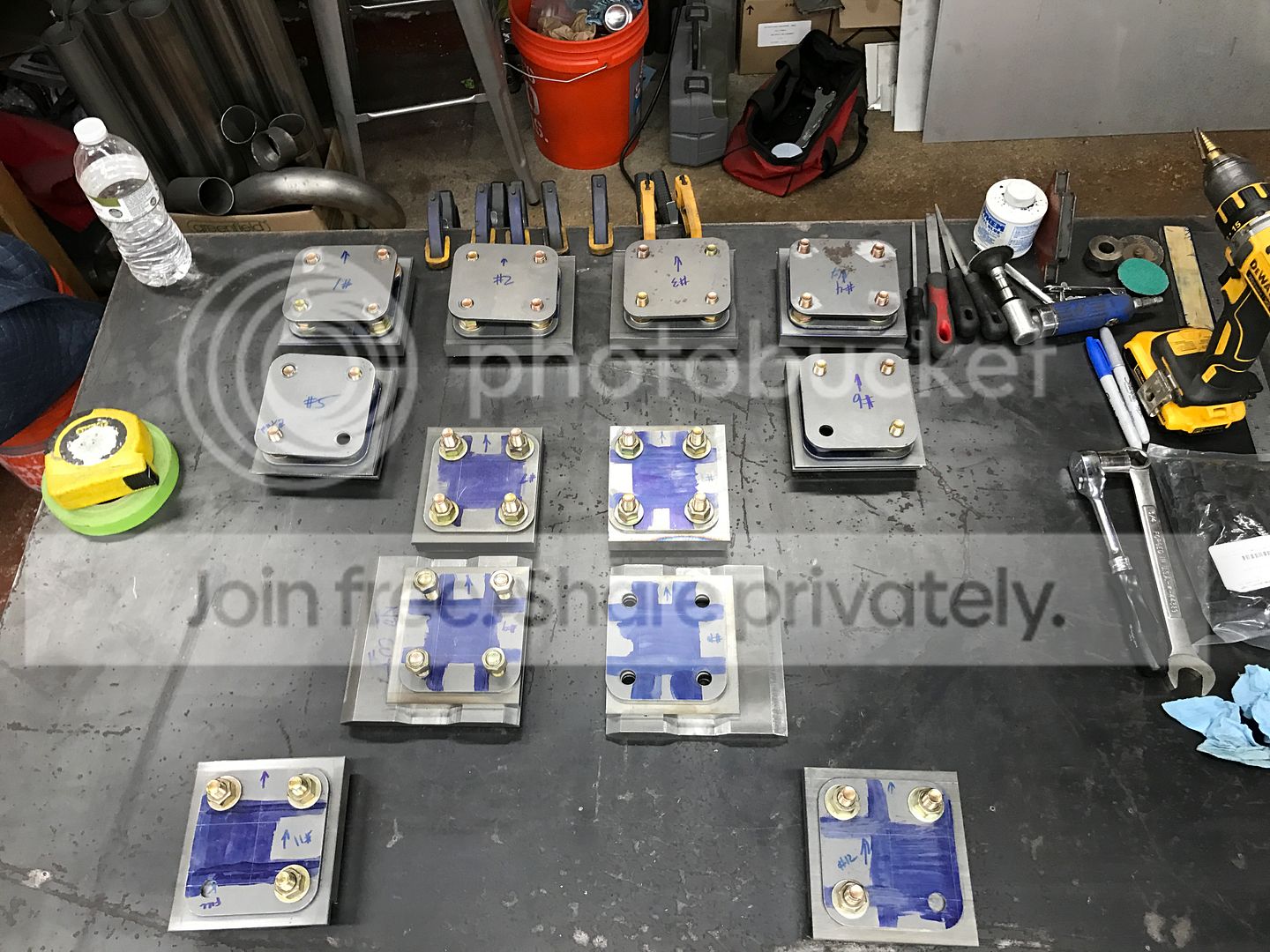
Beyond that, the cage plate installation is just about finished. I've got 10 of the 12 plate sets fully bolted down to the bedfloor and the final 2 plates were marked and located last night.... just need to drill the through-holes to make it official. The Gr-8 square nuts that I ordered arrived at the local USPS sorting facility this morning, so hopefully those will be in my mailbox this afternoon and I can start welding those in place over the weekend. My local machinist says he's got a bandsaw I can use to cut the plates down to a more manageable, lightweight size.... so I'll probably try to schedule some time with him to get that done, and then do the final smoothing and edge cleanup on my 20" disc grinder back in my own shop.

We got hammered with about 12" of fresh snow on Tuesday.... which totally crushed my "spring fever" attitude for the time being, but I know that it's only a couple more weeks until we are into a more stable warming weather pattern. I'll keep cranking along on the "small stuff" so that I can get to a HERO DAY when the sun is finally shining and the garage doors are both rolled up for the springtime build season!!!! :saweet:


-G
So I really like the idea of a fully automated CTIS, but it goes against my ideals of KISS unless their is a fail safe to the system. The biggest problem I have with newer systems at work is that when one tire has a leak, the trucks tend to bleed down to the lowest pressure. Now granted, the army buys stuff from the lowest bidder, and usually that stuff is maintained by 18 year old kids with 10 weeks of mechanical training, but it can be a real headache since they moved away from manual CTIS shutoff valves on the wheels. But I'm sure you will amaze us again with something off the wall.
 
2017.03.21 - UPDATE!!! - 23 POUNDS....!!!!


The original calcs were a little bit off, but the results were still impressive.

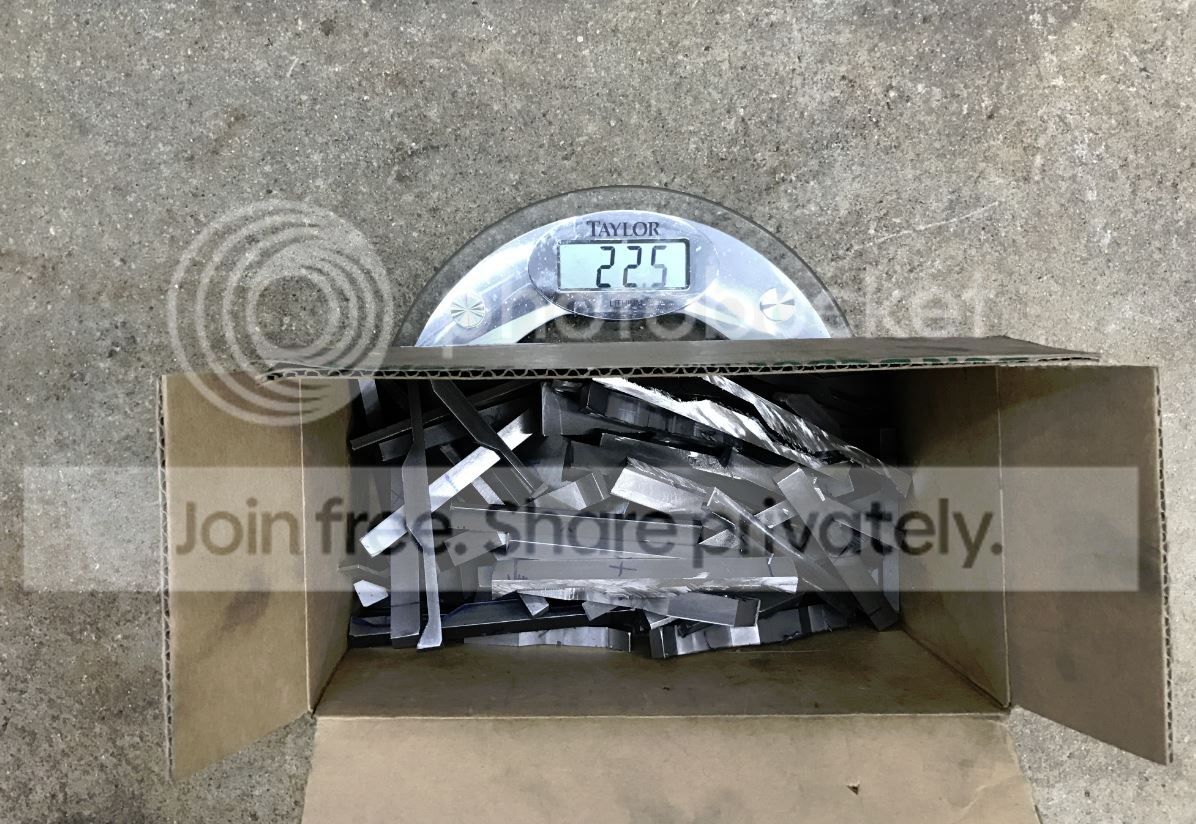
Turns out the entire set of 12 plates (6" x 6") weighed in at 76Lbs..... and after a LOT of time spent trimming off the excess, it dropped to 53.5Lbs!!!

Just had to steal the bathroom scale to confirm what my back already knew about the weight loss...

IMG_5728e.jpg


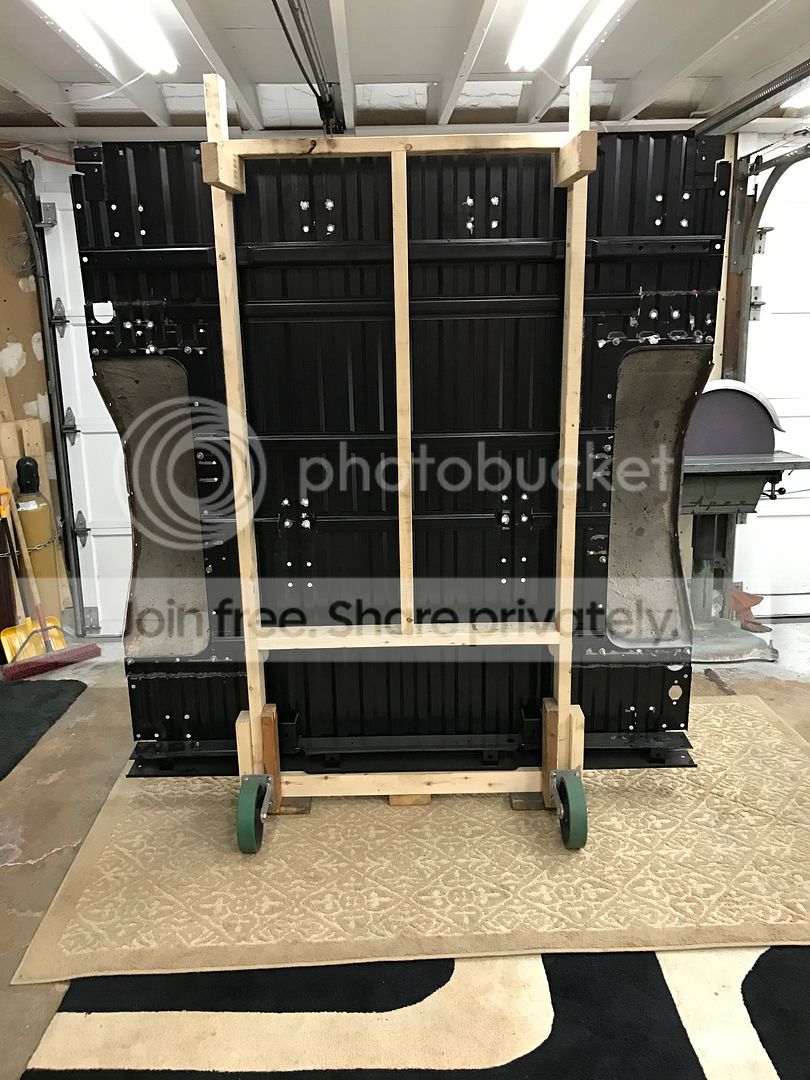
Each plate set was customized for it's specific location on the bedfloor. Most are simply 1/4" larger on all 4 sides, but there are exceptions depending on the exact landing spot of the rollcage downbars, and the pattern of the convoluted floor directly underneath it.

IMG_5729.jpg


A fun shot that shows the daylight peeking through all 48 new cagefloor holes in the expensive reproduction bedfloor. :haha:

IMG_5732.jpg


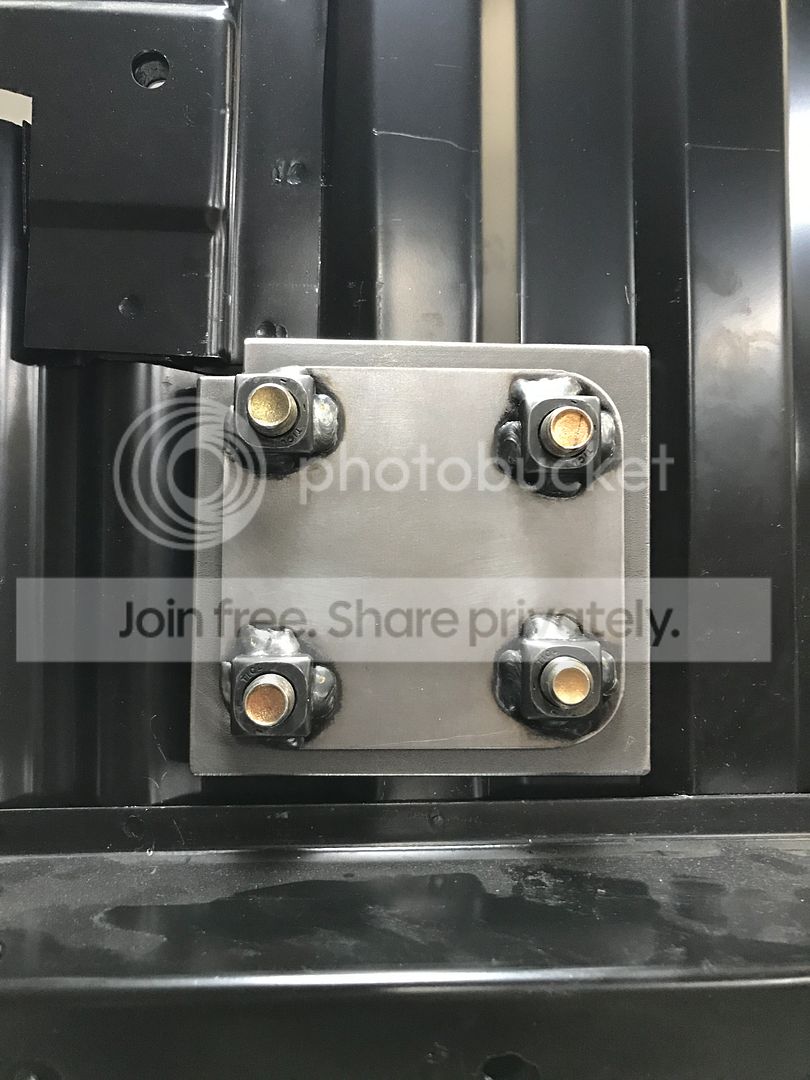
The first cageplate with the new Gr-8 square nuts welded in place. This is going to be an awesome improvement, the ability to install the plates from the topside without having to sneak a second wrench underneath to secure the nut is SOOO much easier than before.

IMG_5733.jpg


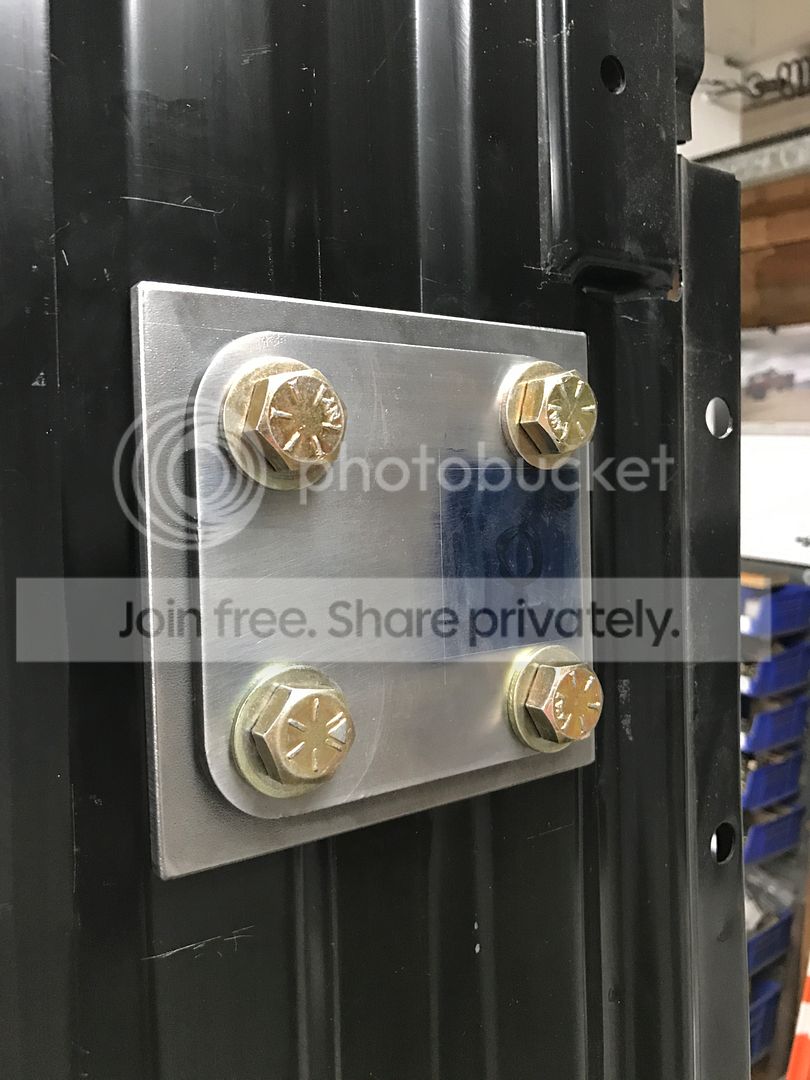
A view of the first plate installed to show the overall size / proportion relative to the floor....

IMG_5735.jpg


....and a macro shot of the plates to show the gentle radiusing of the edges and corners (and inside bevels on the floor plates) so that I don't trip on them with my clumsy shoes later on!!! :haha:

IMG_5737.jpg


It's been a long, tedious slog getting this part of the project to completion. But I'm happy to say that it's just about done. Still need to grind off the black primer so that the plates can be stitch-welded at each location (front and back) and then the fun part (moving the rollcage from the truck over to this standalone bedfloor) can begin!!!! :saweet: That will allow me to check all the dimensions and weld the new cage feet to the existing cage and then move the entire assembly back over to drop into place on the truck/frame.


-G
 
Looking good Greg.
Just curious about what amounts to 4 plates in each location. I get having 2 plates on top. 1 welded to the floor, one welded to the cage, but why 2 plates on the bottom?

Wait, just realized that bottom-most plate will be for frame tie-in, right? :doah:
 
I usually run a sacrificial bolt into a weld nut before welding, then back it out while it's still hot. The bolt in the nut keeps any spatter from getting in the threads. Then I like to chase the threads with a tap once it's cooled. If you weld it with a bolt in the nut, then let it cool you risk not being able to ever get the bolt out as the nut will shrink as it cools.
 
Looking good Greg.
Just curious about what amounts to 4 plates in each location. I get having 2 plates on top. 1 welded to the floor, one welded to the cage, but why 2 plates on the bottom?

Wait, just realized that bottom-most plate will be for frame tie-in, right? :doah:

Correct! The convoluted plate "sandwich" is a permanent part of the bedfloor. The upper cageplate becomes a permanent part of the rollcage assembly, and the bottommost plate become a permanent part of the framerail / outrigger assembly. This is important because it makes things modular and I can remove the body / rollcage and frame from each other for painting, etc. Each one can become it's own project and the others can stay behind for additional finish-work or reassembly once they start coming back from the painter. The final reason for a bottom (frameside) plate is that it gives me a place to slide in a "shim" to raise the body/rollcage in each of those 12 positions if it's needed to align body or door gaps. The entire structure is effectively "hard mounted" (think: unibody) so I don't have the ability to shim at the old rubber bodymount locations like the factory did it.... I still wanted to be able to fine-tune the bodywork. Otherwise, you're right I could probably just simplify the whole assembly and remove that lower plate.

Do you weld those nuts on with the bolts in them?

A light coat of "WeldKleen" to prevent spatter from sticking, and I fully torqued the bolts to insure everything was aligned perfectly. Then I welded it.
Tried to avoid going too gung-ho with the heat (19.0V @ 300ips) so that I didn't cause a bunch of distortion in the nuts themselves. Seems to work well and when I moved the part to the bedfloor to install it there were no unpleasant surprises with seized bolt threads or alignment issues.


-G
 
Ummmm, at the risk of being "that guy" how are you planning on hold the plate underneath for the 1st bolt?
IMG_5733.jpg


but I'll end with a compliment - I like the way you're fitting them to the floor, that'll work well and keep the crap out from under the pads (which should aid in squeak reduction and eliminate the ability for rust to form under the plate)
 

Latest Posts

Top Bottom