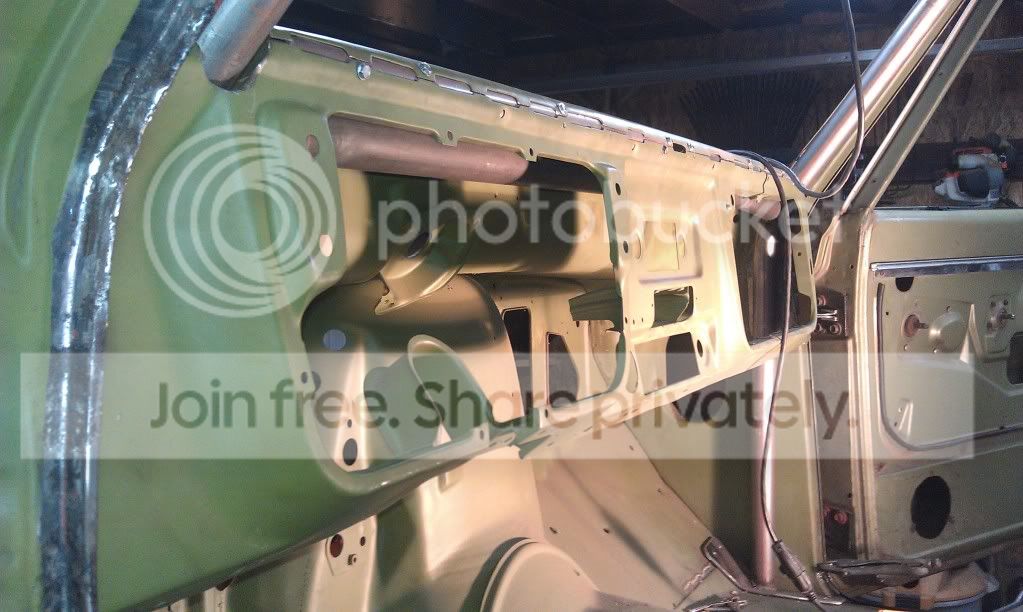
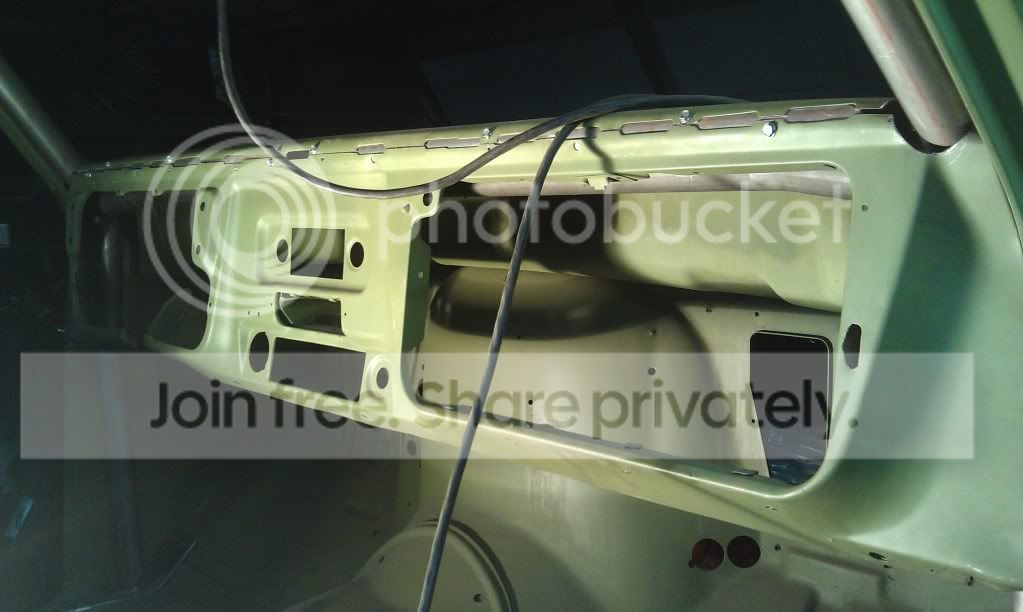
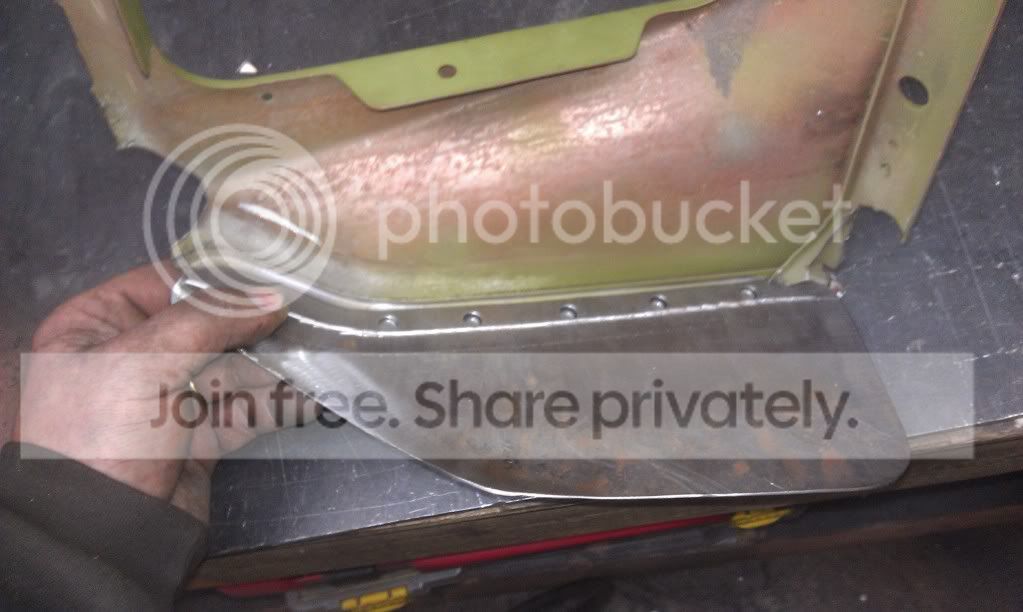
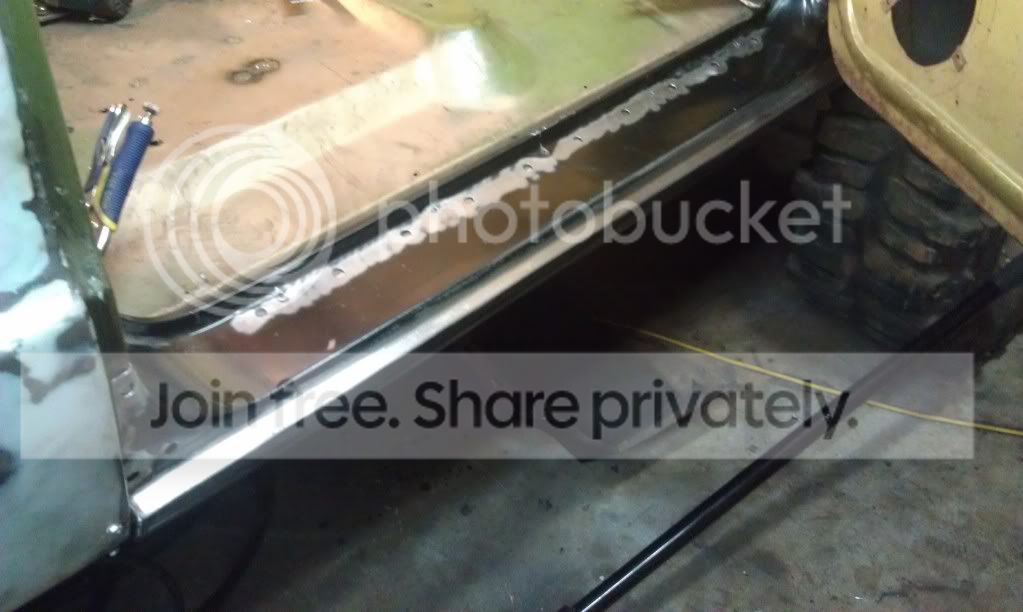
So just to throw my 2 cents in here. When solid mounting a cage I tie it in the the body with tie plates ( thats what I call em just basically a plate cut to tie the cage to the body). The cage makes the wet noodle frame not so much of a wet noodle anymore, a solid mounted cage makes the frame way more rigid than just boxing the frame. More so if a couple of custom crossmembers are added to further extend the load spreading on the frame.
So when solid mounting a cage and leaving the body mounts I ignore the fact that there are still body mounts in there. Even if the cage is tied into the body in 900 places the rubber ( or poly) body mounts will still isolate and absorb some vibration.
When soft mounting a cage I tend to try to use a similar bushing as a body mount bushing. You can use the leaf spring type bushings in certain situations or can modify them to not be able to rotate under a load. But it is best to use as close as you can to a stock body mount.
Body mounts from a CJ5 or CJ7 work well and are small and flat just require a hole cut on a panel.
Soft mounting a cage like this makes it less rattly than a cage only mounted to the floor of the rig, but it will still rattle a bit, because it will still move some. It also does not add as much frame rigidity as solid mounting because the bushing allows deflection.
Not sure if I am rambling yet or not.
Solid mounting is best, harder to do but it makes the cage preform more than one function.
The real trick in solid mounting is keeping all the extra bracketry up and out of the way, putting in a way to be able to remove the body ( not that hard really) and getting around the various braces that are already in the body.
BTW the cage is lookin bitchen dude, almost every cage I have built has some strength compromises in em for comfort or headroom or something or another, you can't really build an insanely strong cage without climbing in and out of a jungle gym.
So when solid mounting a cage and leaving the body mounts I ignore the fact that there are still body mounts in there. Even if the cage is tied into the body in 900 places the rubber ( or poly) body mounts will still isolate and absorb some vibration.
When soft mounting a cage I tend to try to use a similar bushing as a body mount bushing. You can use the leaf spring type bushings in certain situations or can modify them to not be able to rotate under a load. But it is best to use as close as you can to a stock body mount.
Body mounts from a CJ5 or CJ7 work well and are small and flat just require a hole cut on a panel.
Soft mounting a cage like this makes it less rattly than a cage only mounted to the floor of the rig, but it will still rattle a bit, because it will still move some. It also does not add as much frame rigidity as solid mounting because the bushing allows deflection.
Not sure if I am rambling yet or not.
Solid mounting is best, harder to do but it makes the cage preform more than one function.
The real trick in solid mounting is keeping all the extra bracketry up and out of the way, putting in a way to be able to remove the body ( not that hard really) and getting around the various braces that are already in the body.
BTW the cage is lookin bitchen dude, almost every cage I have built has some strength compromises in em for comfort or headroom or something or another, you can't really build an insanely strong cage without climbing in and out of a jungle gym.


 Still trying to figure this all out.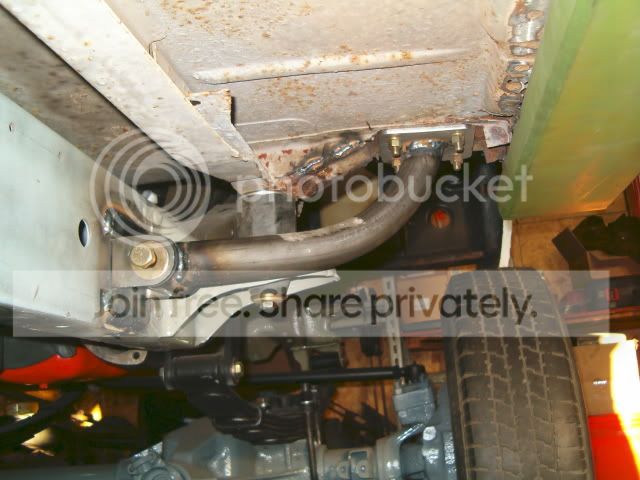
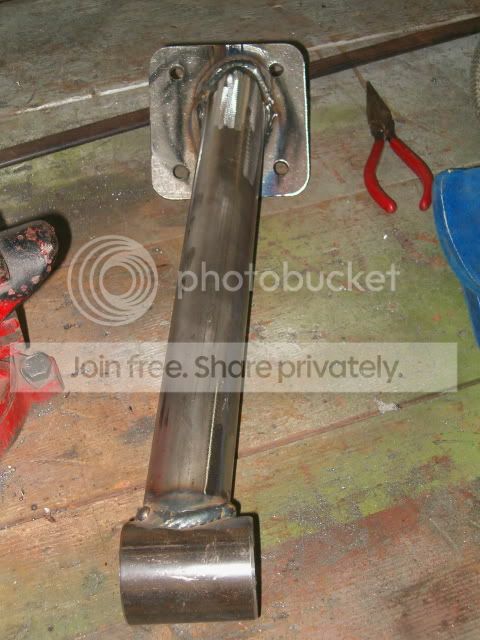


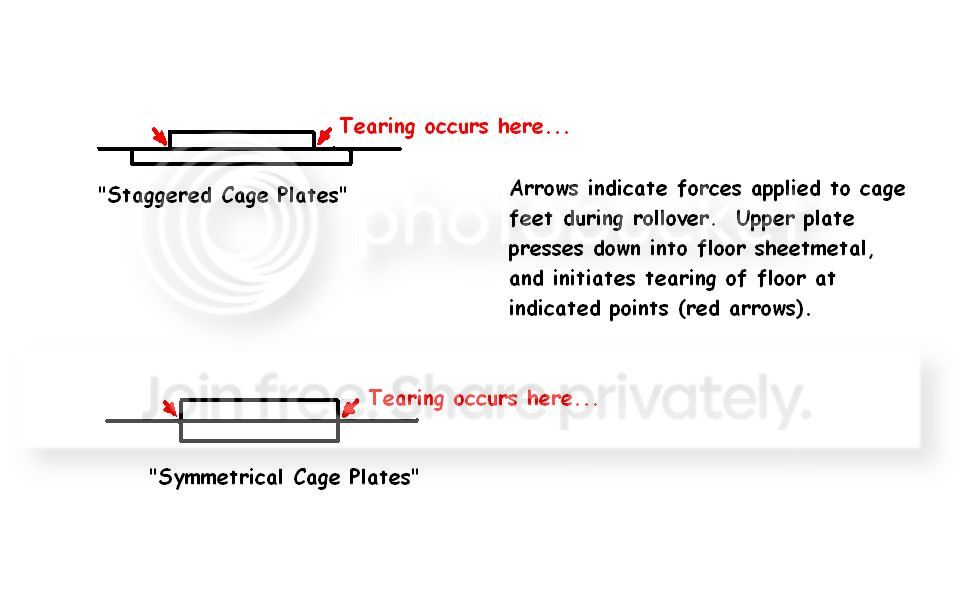


 you'd hard mount the part that contact the frame, then put a bushing under the body. my reasoning being that all of your other body mounts are vertical, so this one should be too so the load forces are all the same.


 r a combination of the above