CK5
Register an account today to become a member! Once signed in, you'll be able to participate on this site by adding your own topics and posts, as well as connect with other members.

BENDER stays in hibernation with me

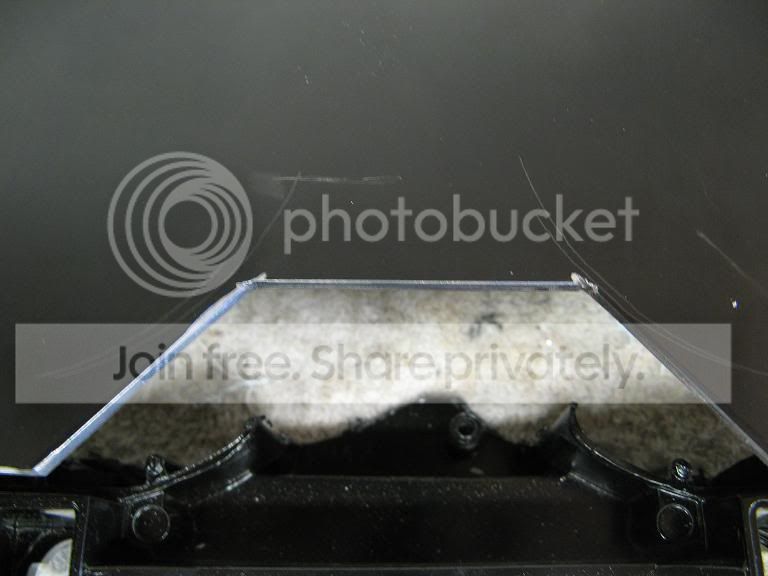
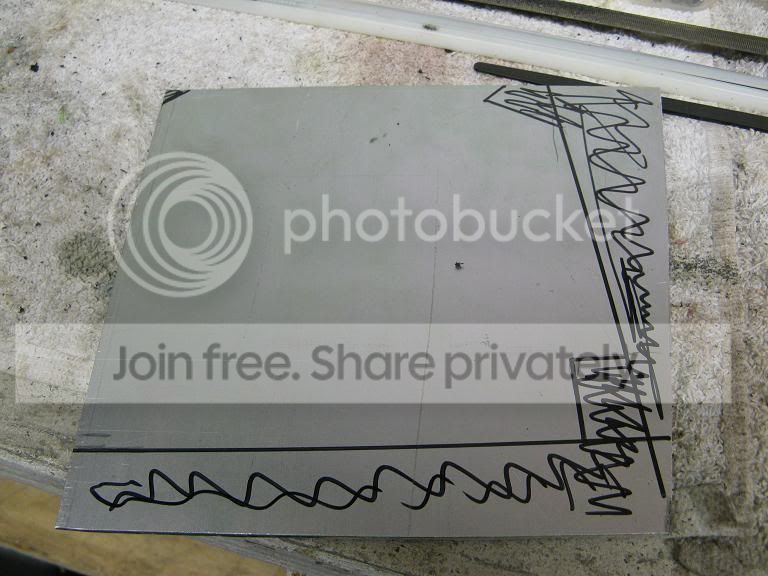
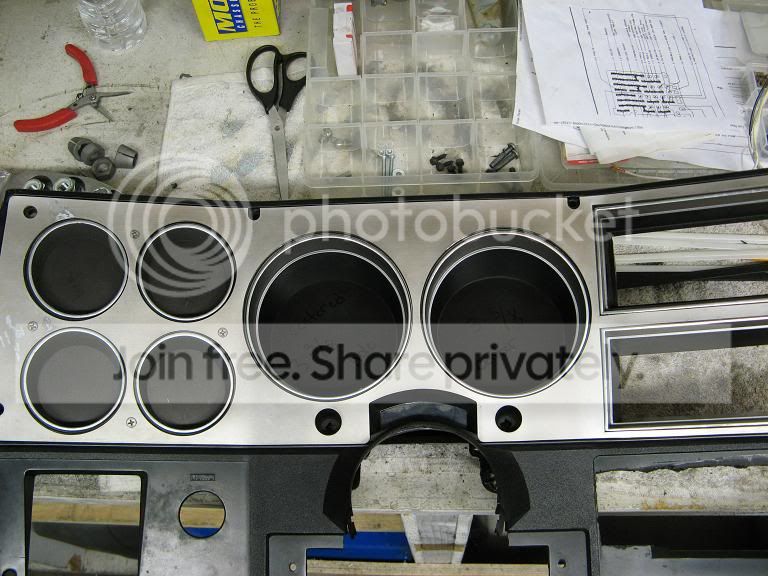
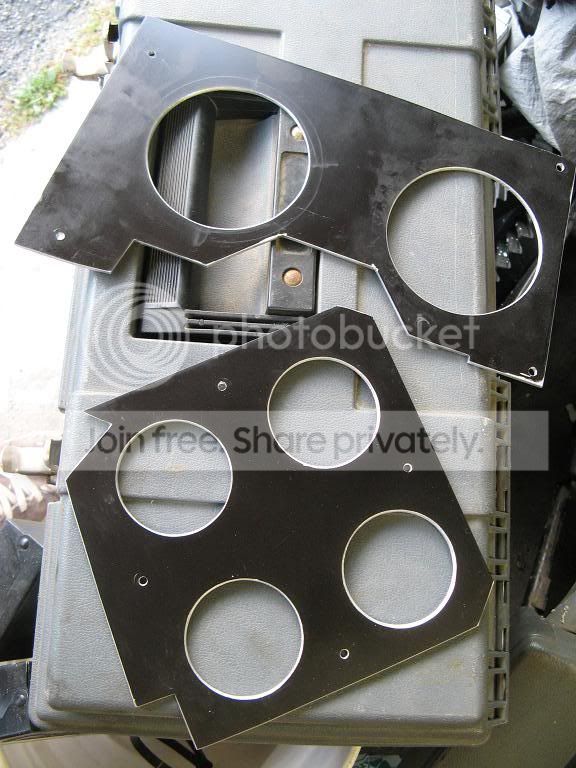
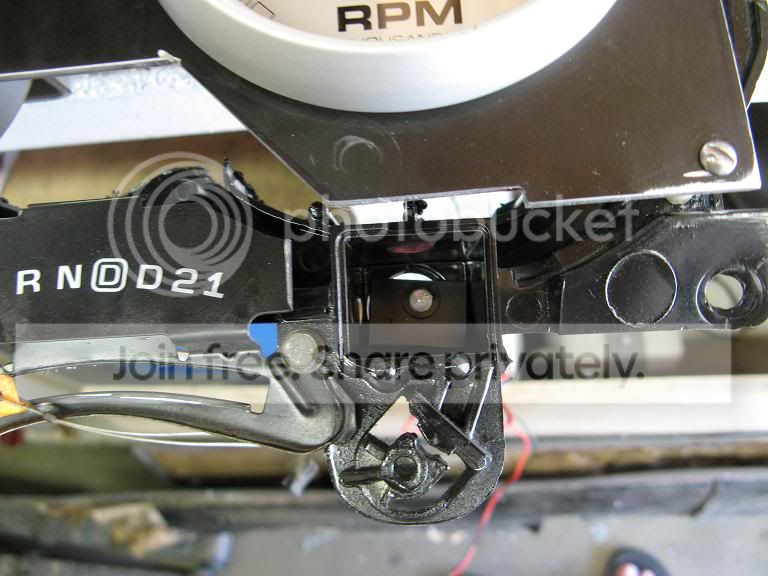
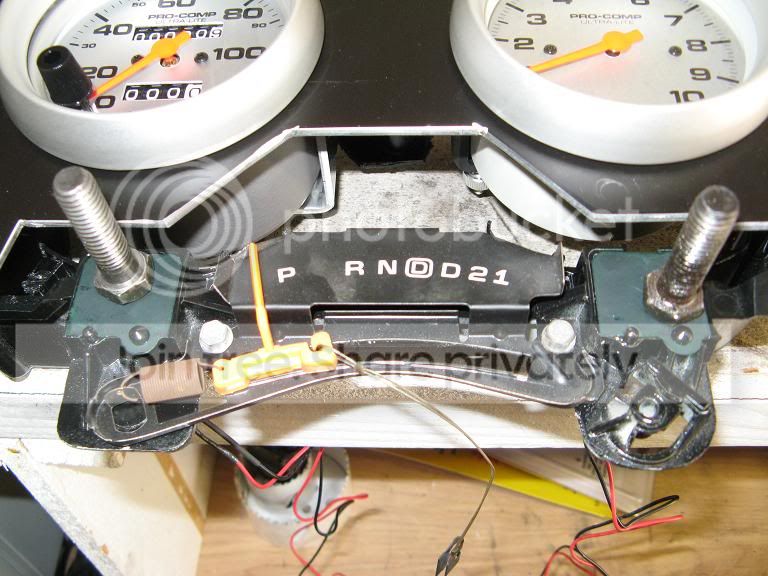
With holes cut and 3 3/8 gauges installed. Knowing the fitment was right, I could start working on the aluminum panel. I got this piece from work. I was some paneling around a restaurant window I demoed. I think the black is anodized. I cut it out with a grinder. Because the aluminum piece sits a little higher, it was not restricted to the lines of the gauge holder. Here I was able to take advantage of this and extend the corners for more support at the screws. The shift indicator looks funny in this picture, dunno why, but it looks good in reality.

1 039.jpg

1 062.jpg
 
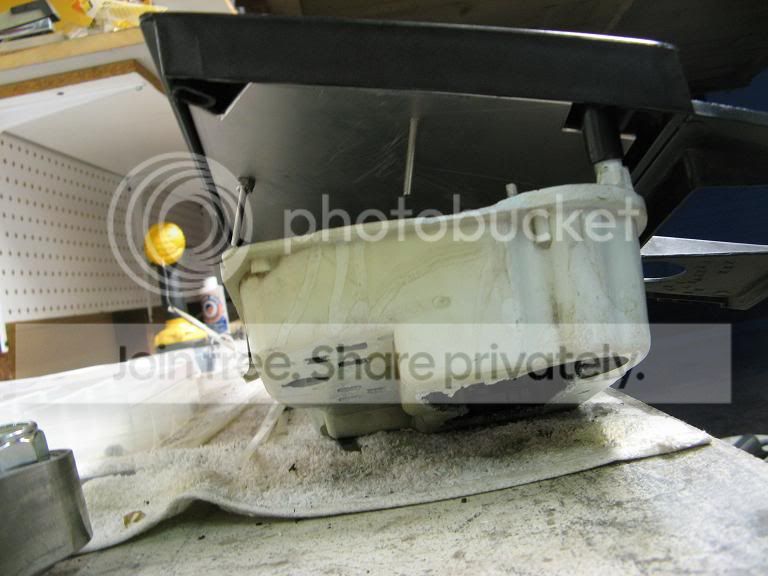
Here is the problem with having that clear cover for the shift indicator. It's not a big deal, you can't see the corners, and the actual gauge hole will be smaller by about a 1/4 inch.
1065.jpg


The plate sits right against the bezel ring without holding it away from the mounting surfaces. That means the magic measurement was...
3/4" plywood
+
1/8" aluminum
=
7/8" from the plastic gauge holder to the back of the bezel rings
1071.jpg
 
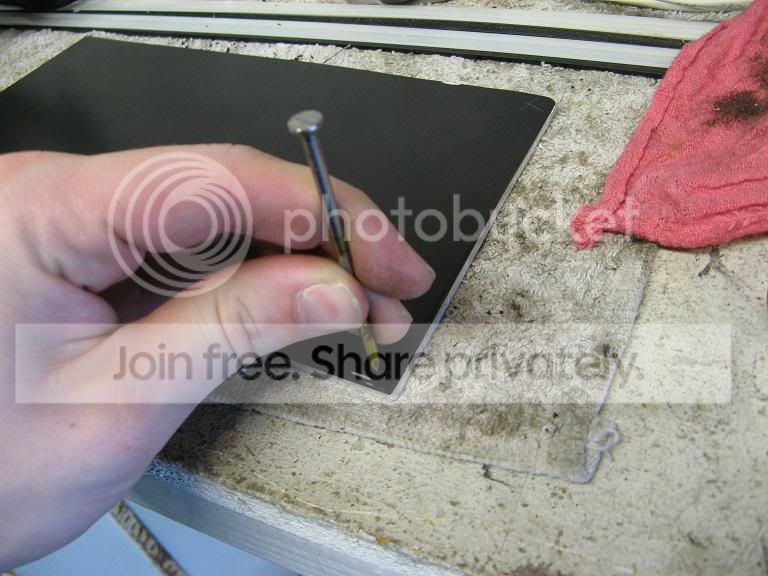
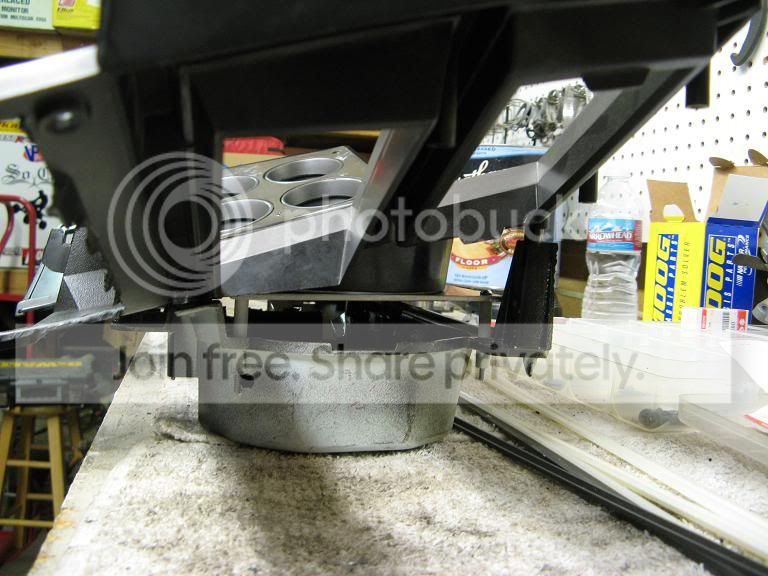
Take your time lining up the panel with the holes in the bezel. Make sure you have the room for the screws etc. Grab a punch or nail :D and center punch where the holes need to be. BTW, I'm using the stock location for the holes. You will see 4 holes, one in each corner. I drilled out the threads and I'm using some SS screws and locknuts.
1067.jpg
 
I started thinking how cool this is going to be. Then I started thinking how uncool that plywood was. I really only needed the plywood as a spacer, the aluminum was strong enough to hold anything. I thought about some collars or something. So, after reading Chevy305's gauge install, I liked the idea of collars more and more. I ended up picking some nylon spacers, they only come in 1" so I needed to cut them down. I used my vise and some tape to get each one exactly the same. Cut and file. <PS> a little dab of superglue can help hold them to the gauge holder while double checking fitment.

1 063.jpg

1 064.jpg

1 066.jpg
 
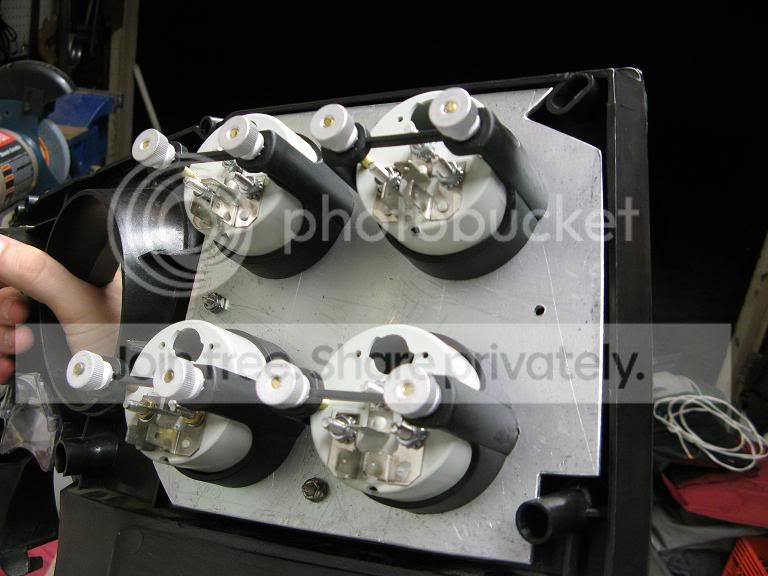
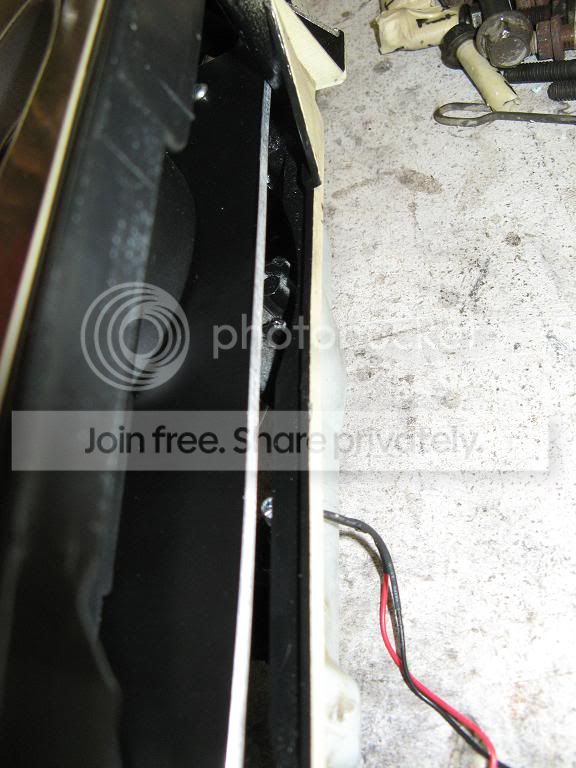
A few more pictures for you. In order to have room for the nuts, you will need to cut small holes, just large enough for the nuts themselves, just after the screw exits the gauge holder. I went crazy with a drill bit, anything works. Picture helps explain.

1 068.jpg

1 070.jpg

1 072.jpg
 
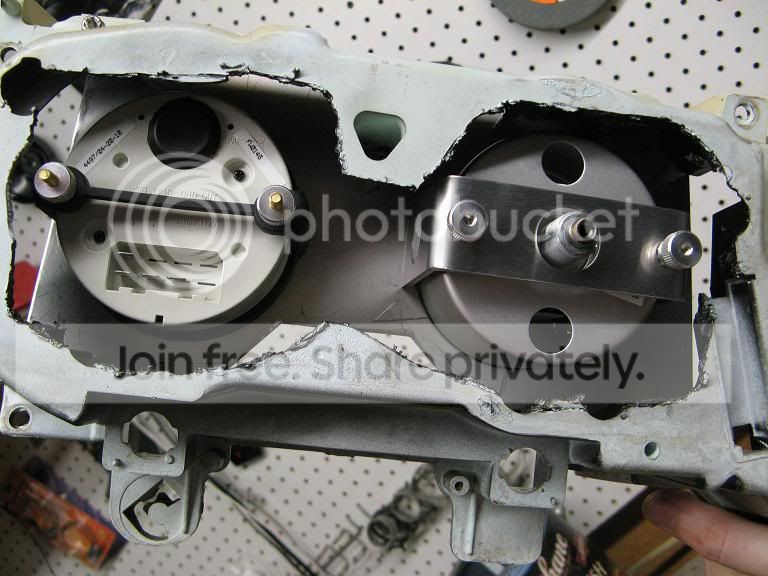
I decided to cut the holes for the smaller gauges. This takes enlarging the stock holes, depending on how you mount them. If you are using the stock bezel to hold the autometer gauges, then the hole you cut will need to be smaller than mine. I wanted to give the gauges something more to mount to, it's overkill and more work...but I'm just trying something different. Plus, since the bezel was hacked by the PO, its no big loss if I need another one.

I don't know if anyone cares, but I'll go through the steps I took to cut the holes. What you need:
dremel
cutting discs, I like to stack two together, less chance of it cracking :eek1:
rounded file, something not too agressive
tape, if you want a specific size hole, tape it off and cut along the tape
80 grit sandpaper, smooth out the rough stuff
patience, lots of patience, no beer, no dog pushing you, did I mention patience

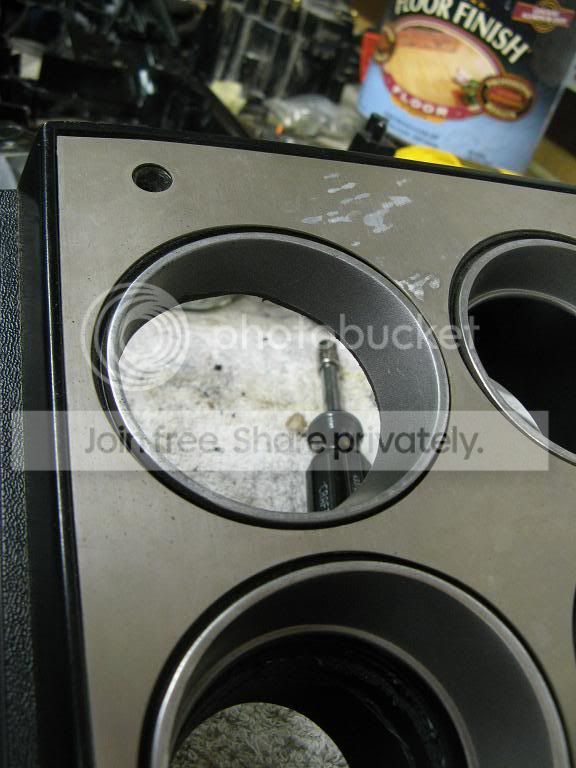
I noticed that each bezel hole has a step in it. The step in each hole is the same distance from the face, meaning they are all flat with each other. I wanted to mount something to this step. So I made my cuts just before the step. Using the file and PATIENCE, I filed away the small shoulder taking the time to not cut into the gray area. I tried to always file on an angle, until the very last little bit of shoulder. Filing on an angle helps keep the back of the hole uniform. The flatter, more uniformed the hole is, the better the aluminum panel will sit against it.

1 080.jpg

1 082.jpg

1 081.jpg

1 083.jpg

1 085.jpg
 
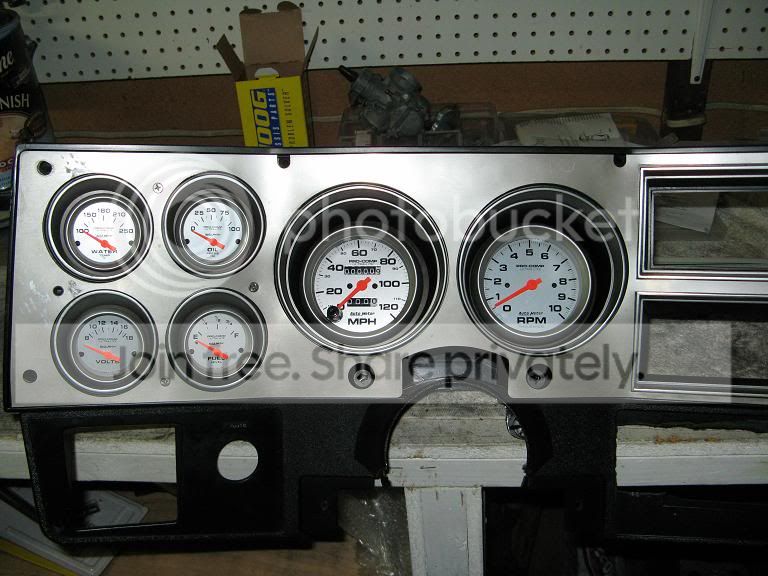
I really like the way it's come out. I would say to anyone though, with the smaller gauges, use a thinner piece of aluminum because there is a lot of weight with just the panel in place. I don't see it being a problem, but if I did it again, I'd go with some 1/16 or whatever. The larger gauges and 1/8 panel is perfect. Here are some pictures. I have not yet cut the holes out. I know someone that does waterjetting, he is very busy but hopefully he can fit me in. I am waiting for some angled rings from Summit. Once I have those I can mark the smaller gauge holes, for now I'm not sure how the the angled rings will affect fitment. If you don't care about the angle, grab a 2 1/16 hole saw and cut the panel. Most of the time you wont find that size, so get a 2" and file out the hole. The larger gauges don't need angled rings, the stock slant is perfect.
1079.jpg

1088.jpg

1090.jpg

1089.jpg
 
If you get anal about the screw heads you can think about getting an aluminum cover for the bezel. I think that would round it out nicely. Its expensive though but these are nice SS screws I used, it looks great I think.

I should mention. The screws you need are 2" for the larger panel and 1-1.25" for the smaller panel. I think they are all size 8 or 6, can't remember the diameter. The smaller panel screws need to be countersunk, so buy that type of screw head. There is PLENTY of material on the bezel to countersink the heads. Take your time, don't go too deep or at the wrong angle. These will be seen, so set the drill to speed 1 and take material off slowly. A good countersink bit, not just a larger drill bit, is best. A drill bit will grab at the plastic where as countersinker will cut smooth and slow. I still need to cut off the extra screw length.
 
FYI: Lokar makes a speedo cable for the autometer gauge. If you get one from summit or jegs, it comes 7' length. They didn't know what I was talking about when I said it was too short. So they ordered Lokar's 108" cut to size cable. Looks nice and should work.
 
If your truck is an 85 the VIN is up on top of the dash on the drivers side. You should be able to see it from outside the truck through the windshield. The dash pad should have a little 'window' you can see it through.

Rene
 
grabbed a rebuilt 2wd steering box at a swap meet a few weeks back.
I got some parts today :)
50 series SS Flowmaster
Magnaflow freaking CA approved CAT:mad:
some angled gauge rings

2 1/16 angled rings are now for sale lol, brand new, I can't use:doah:

just need to cut some holes for the gauges, might waterjet them, depending on price

1 091.jpg
 
Last edited:
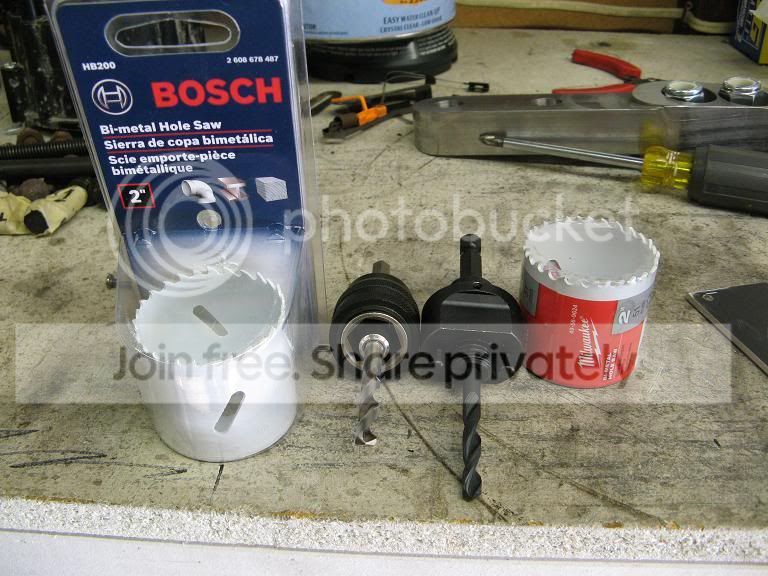
Got out of work early today, figured I'd take a look at some hole saws. I first looked for the same size as my gauges. (2 1/16 and 3/ 3/8) These are only orderable online, not in any stores around here. So the hell with it, I'll try the 2" and 3 1/4" bits. Boy I'll tell yeah, these are perfect!!!! I think I would have been screwed after buying the larger ones.

FYI: I bought some Bosch tools at Osh. I like some of their stuff, hammer drills are nice too. These are made in China by Bosch specs POCrap. On the right is the Milwaukee stuff I bought at Home De'pot. Made in USA. Soooo nice in comparison, the weight is there too. Bits and bit holder are superior to freaking Bosch. Taking this crap back, I want my $48 back.
1092.jpg
 
So like I said, hole saw is the chosen method to my madness. 2" and 3 1/4" bits are perfect. I center punched the circles and drilled them, using plenty of cutting oil. Well that's a lie, didn't have any, so I used everything from bearing grease to pneumatic tool oil :haha: O well, got the job done.
Filed the rings a little to clean them up, then took some 80 grit sandpaper and smoothed the edges some more. On the smaller gauges, I beveled the edges on the holes a little. This helped to "seat" the gauges rings into the hole some. The larger gauges are huge, just make the hole nice. :)

I have some minor trimming on the back to do. The smaller gauges are hitting part of the old gauge holder, therefore the bezel isn't sitting quite right. Will have to be finished tomorrow. Wish I could have used the angled rings on the smaller gauges, but the angle on them isn't bad. I would have needed to open the holes up more to fit the rings, wasn't ready to do that. Pics
1094.jpg

1095.jpg

1096.jpg

1098.jpg
 
Thanks man, etching away at what I can
Had some time today to tackle a couple things. I got a couple new questions too.

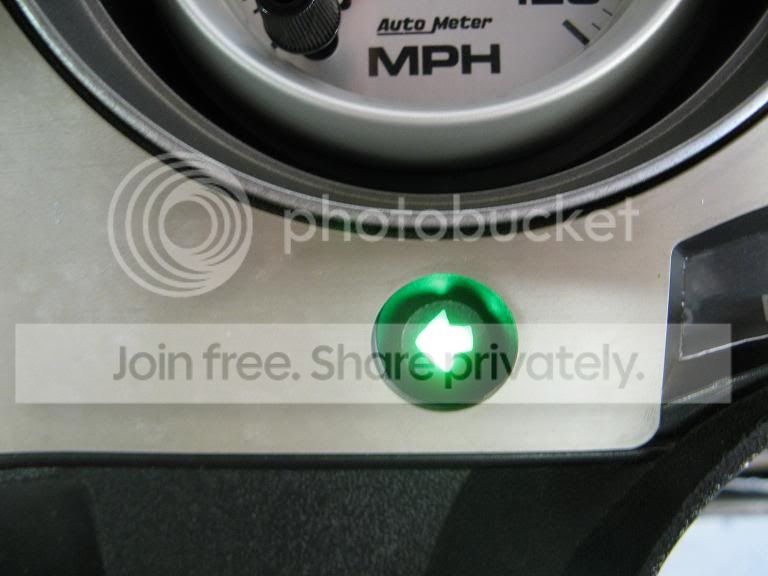
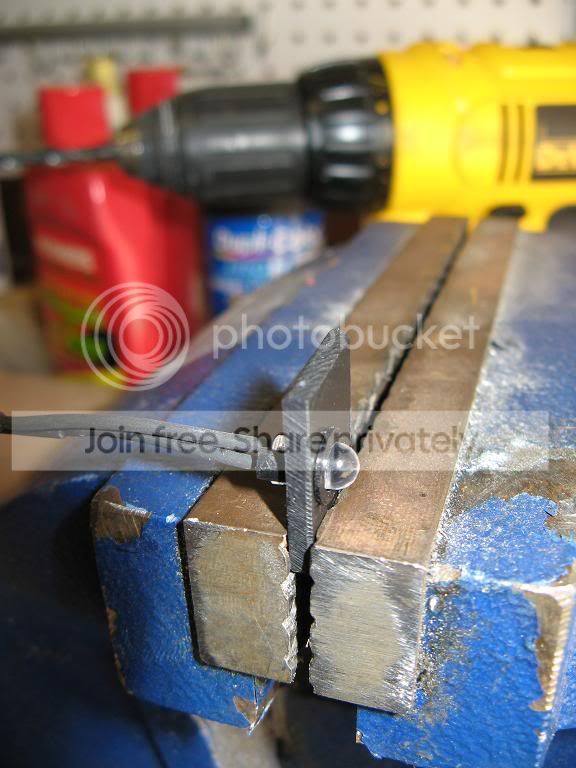
first, I got some blinkers put in. I had 12v green LEDs laying around from a previous project. Figured I throw those in, was left with one extra, threw it in the back to help light the shift indicator.
1101.jpg

1102.jpg

1106.jpg

1105.jpg
 
The picture of the indicator looks dim, but actually it lights it up perfect, not too bright. Might go to a blue or white LED later, but for now its awesome :D

Since I removed the old black piece of plastic that covered everything, there is nothing to hold the blinker covers on. Superglue to the rescue. Gunna be a b1tch fixing anything though.
1103.jpg

1100.jpg


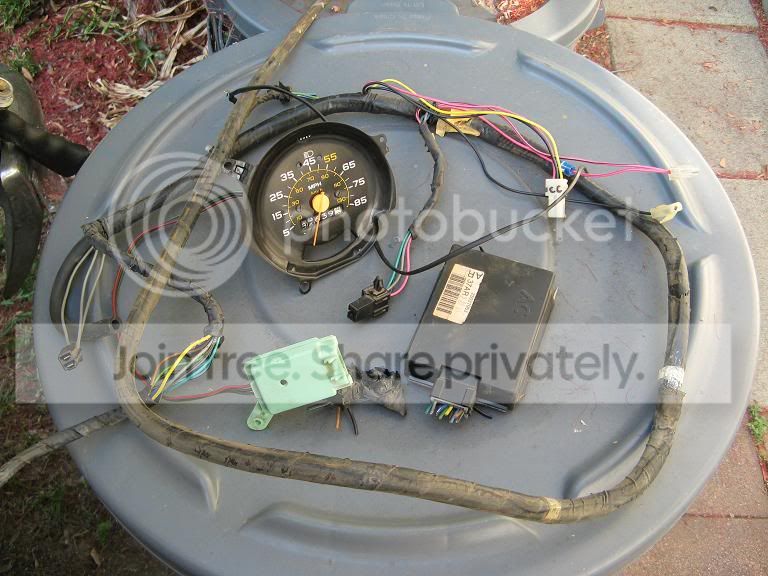
Kind of proud of myself too. Tackled my first on many wiring projects. I removed all the cruise control stuff plus the vacuum valve. I left the torque converter brake pedal trigger in place. I suck at wiring and it takes a long time to understand just what I'm looking at. Wiring schematics help a little, but following all the lines makes me dizzy. :crazy:
1109.jpg
 
I've got two questions after today's romp around the blazer.

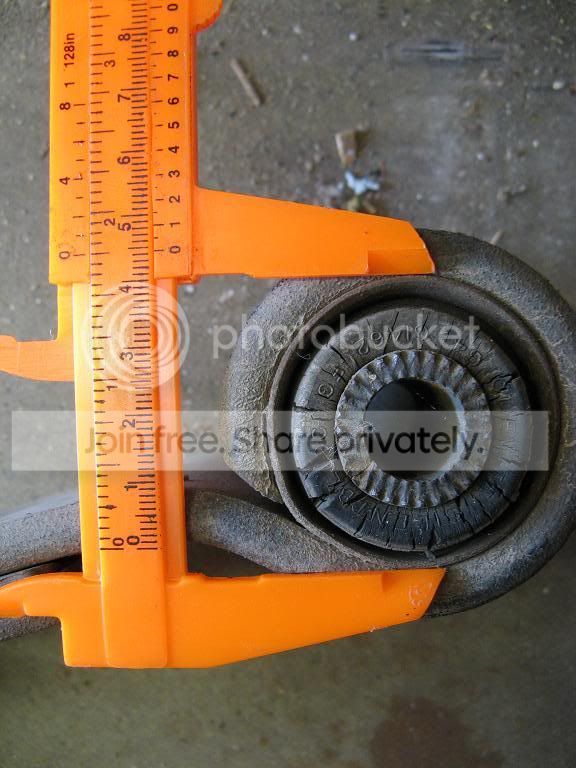
1st: I'm ordering bushings for the rear leafs. Is this 1.75" or something else?
1099.jpg


2nd: While still on a high after taking the CC stuff out, I started attacking some other crap I don't want anymore, just to clean things up a bit. I wanted to take out the 4wd indicator lights on the shifter and gauges. I figured I could take out the sensor in the transfercase too. But while tracing wires I noticed that there was a relay of sorts against the steering column. It had wires from the TC lockup switch on the brake pedal, wires from the sensor in the transfercase, and one from the dash 4wd light. Some green, gray, white, blue, etc colors. Damnit I don't remember. Does the transfercase talk to the TC lockup? Everything goes through that relay.
 
Talked with my transmission guy today. Asked him about my options with the TC lockup. He said he's tried some variations, wiring them himself and changing things. He said I can do the normal 4th gear lockup and run an override switch on the dash. Told him the hell with that lol, too much to think about ahaha, so he recommend converting it to a non-lockup trans with separate cooler. He said 700's last longer that way anyway, something about large tires and the lockup not running off the computer.

Want to pull a bunch of wires now, hehehe. And the dash back off to get to that damn computer. BTW, I've asked about running a different carburetor and ditching the CCC system. Since I already bought a carb, before asking the question, I'm going to try and run it. If it doesn't pass smog, I'll go TBI or something. Since neither a TBI or different carb setup needs the computer, I think its coming out. I will leave the O2 sensor in w/ a dummy wire going up into the dash. I still need to work out the vacuum lines.
 
I wired all my smaller gauges' lamps together. Should make it easier to install and remove. I wired my speedo and LED together, I forgot about my tach though. :doah: Does anyone know if running all my lamps into one wire is ok? Meaning, I want to make a connector for all my gauges, 9 total LED bulbs. Since they are LED, I can probably clean up my wiring by having them all go into one slot on my fuse panel no? Also running all my grounds (gauges and gauge bulbs) into one connector and then to a ground, would that be ok?

Lastly, I pulled out the kick panels. Just trying to simplify my interior. On the passenger side is this valve of sorts. Not sure what its for or if it works. I would assume it for return air, dunno. Can I live without this and just plug the vacuum line?

1 110.jpg

1 111.jpg

1 112.jpg
 
Top Bottom