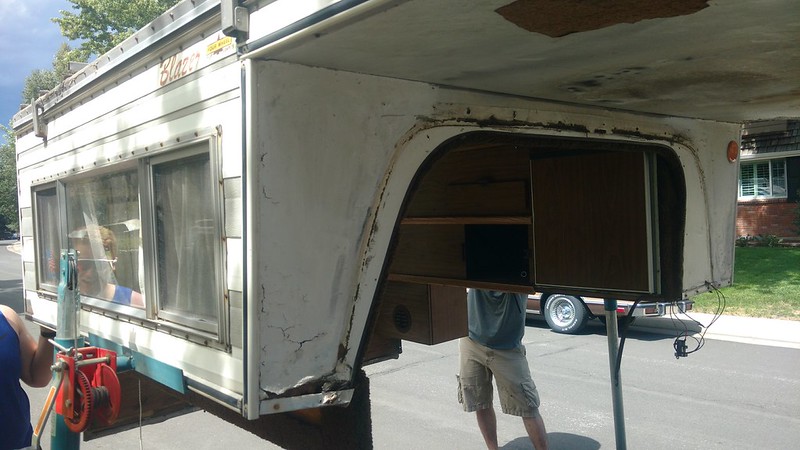
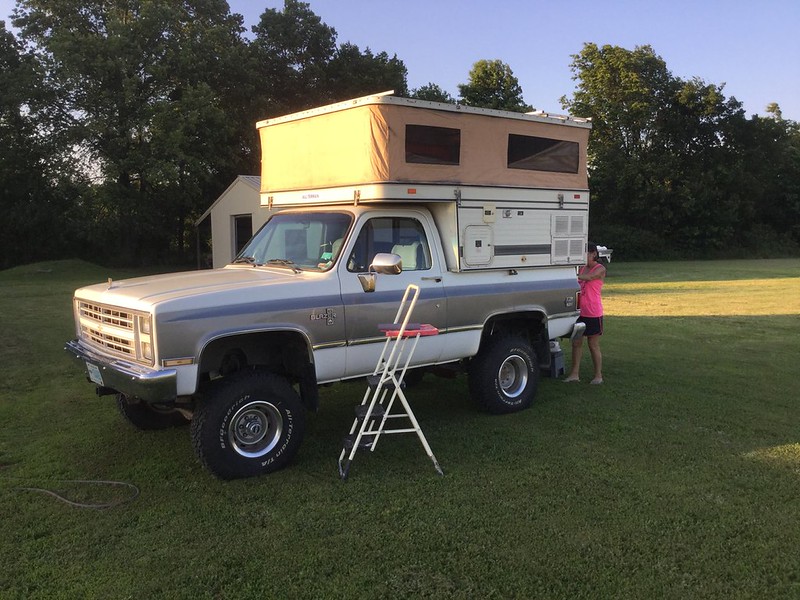
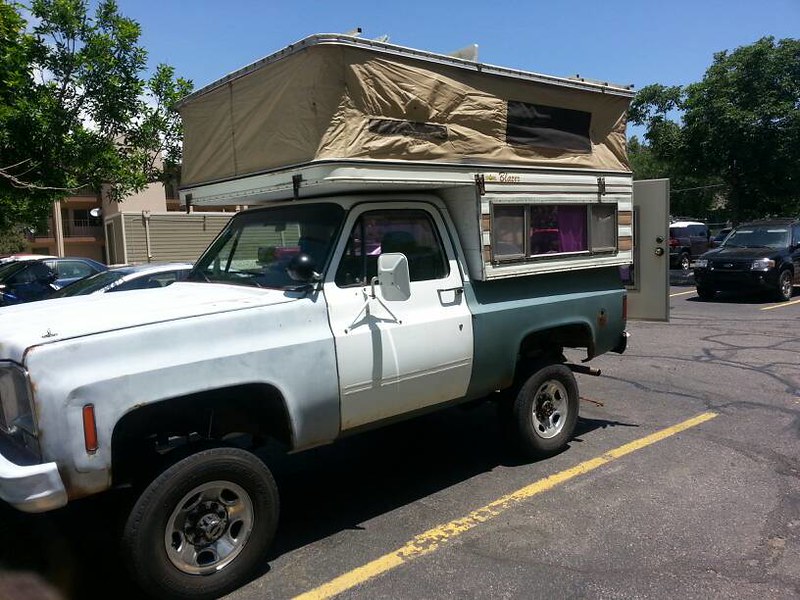
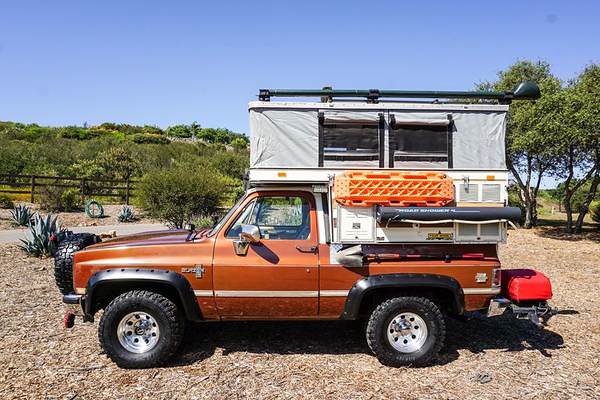
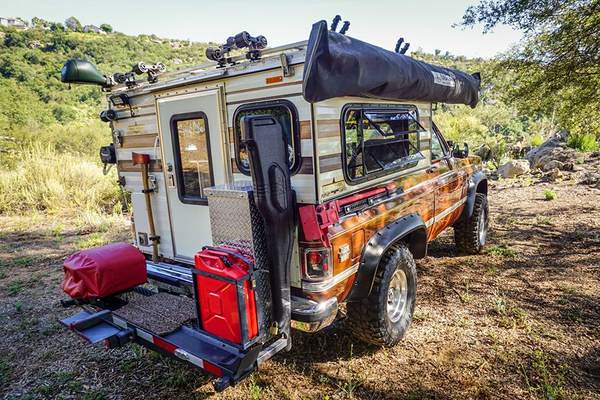
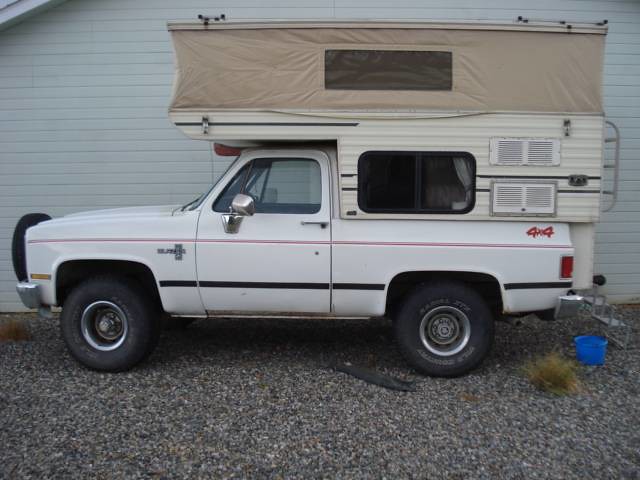
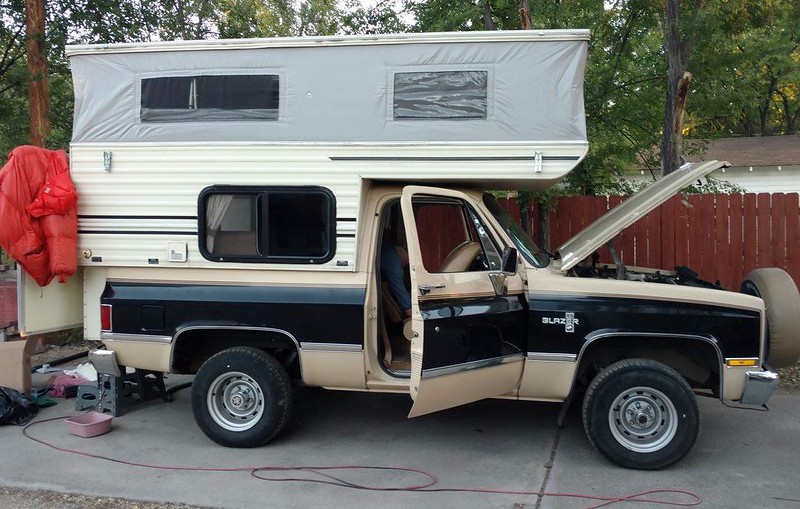
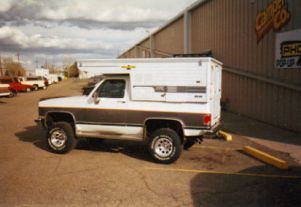
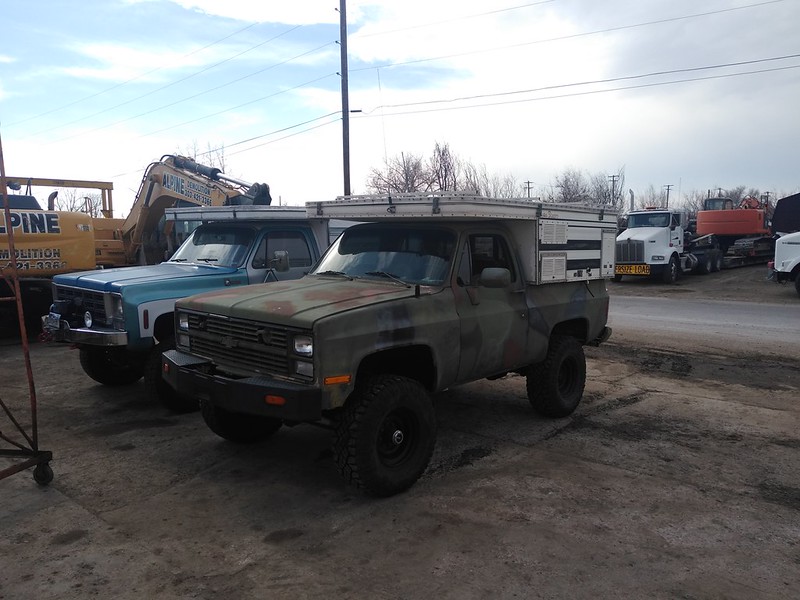
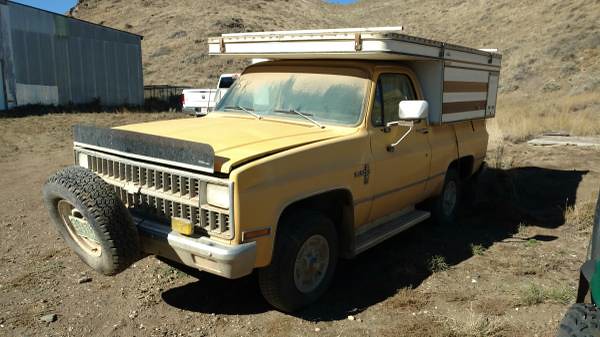
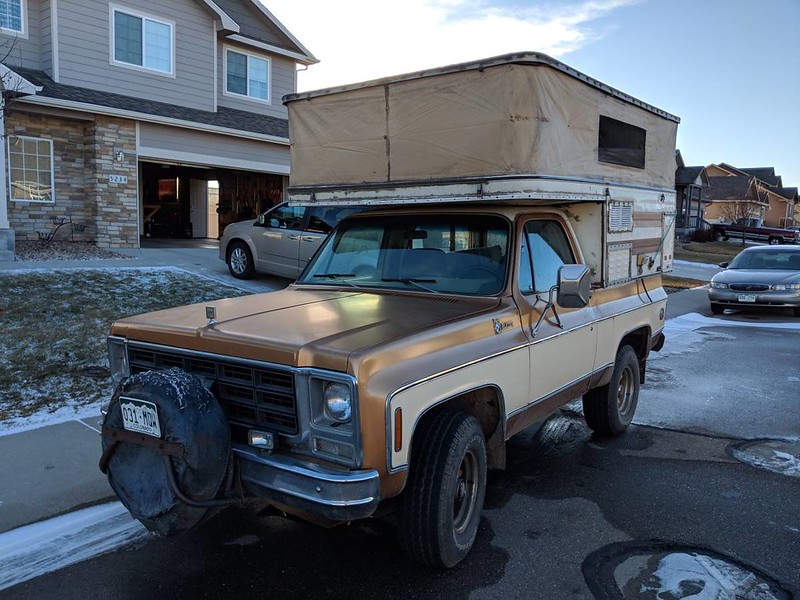
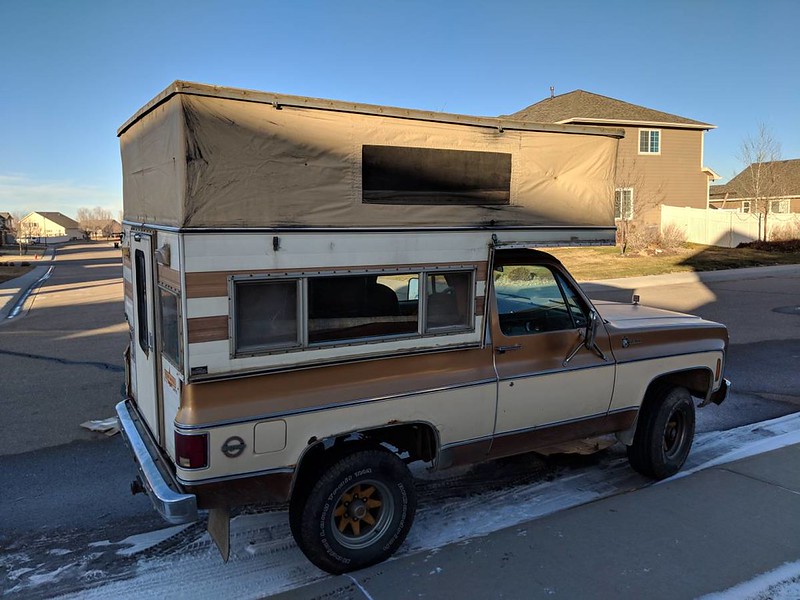
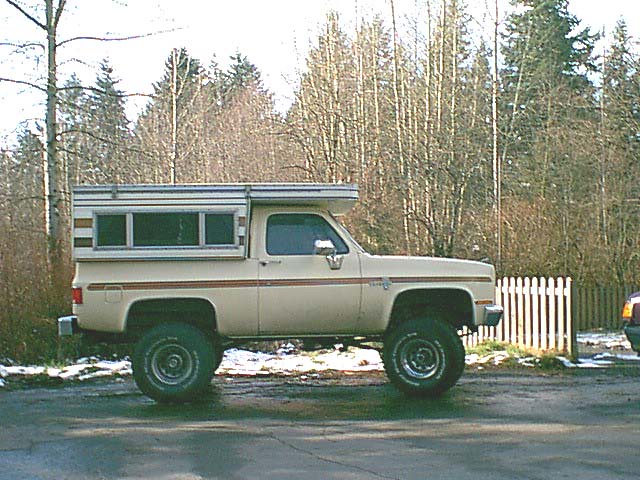
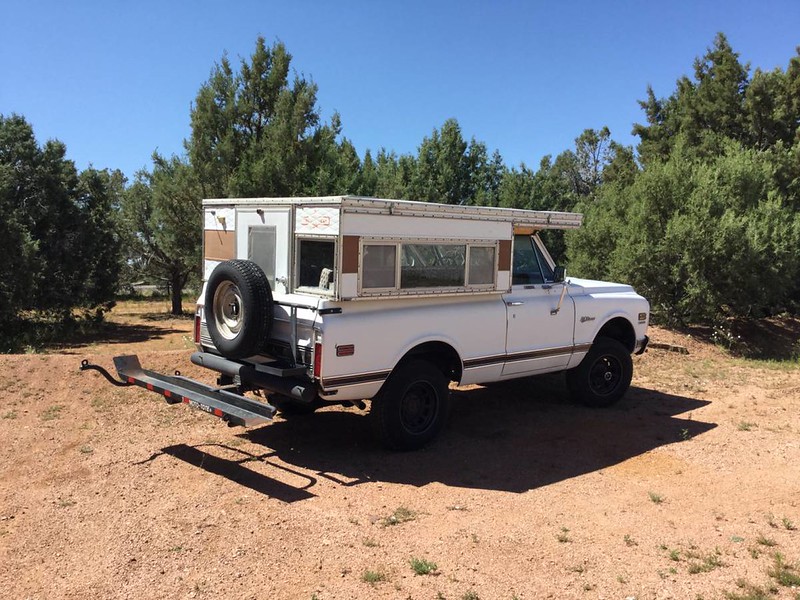
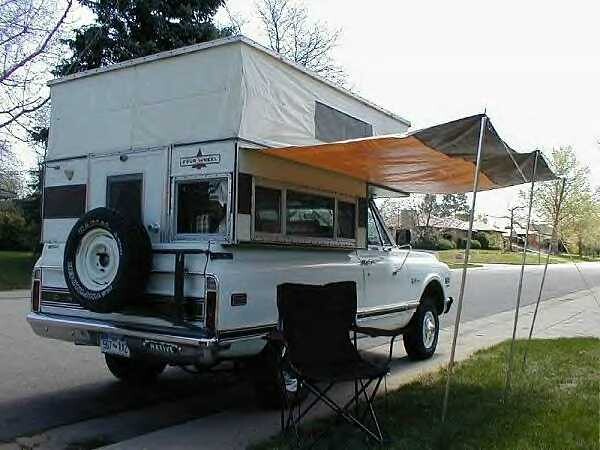
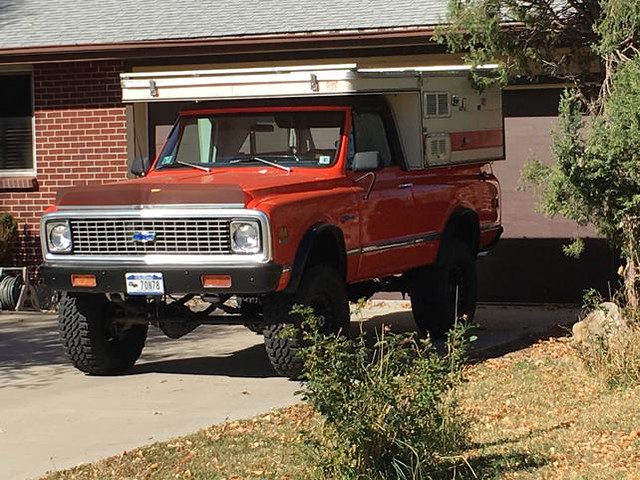
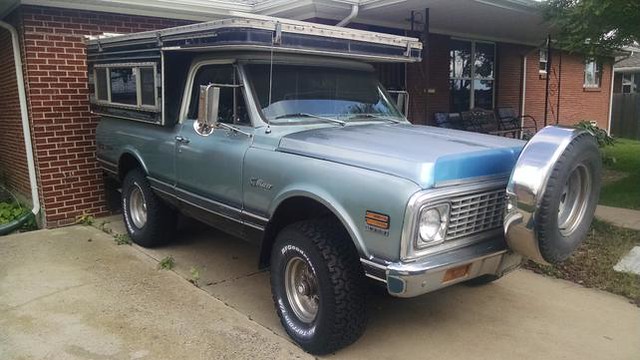
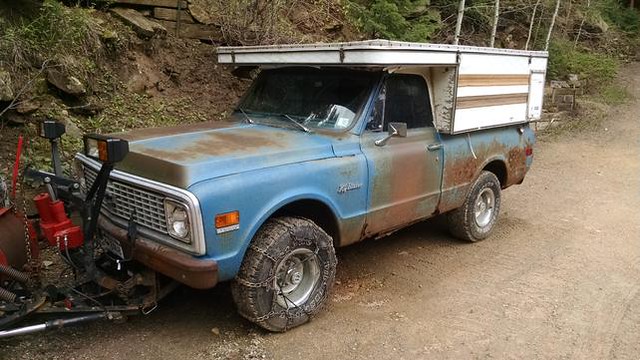
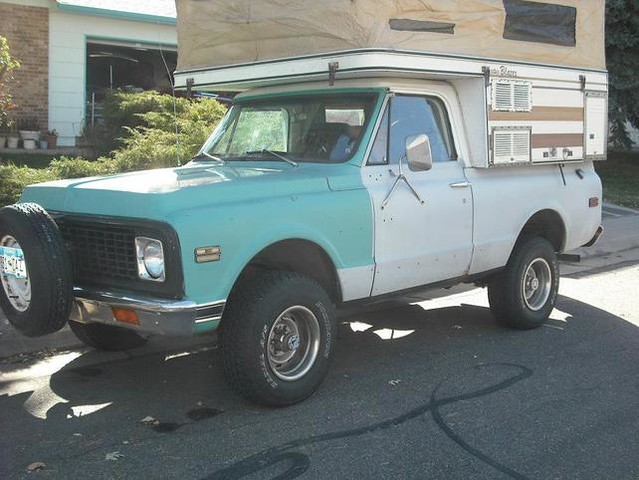
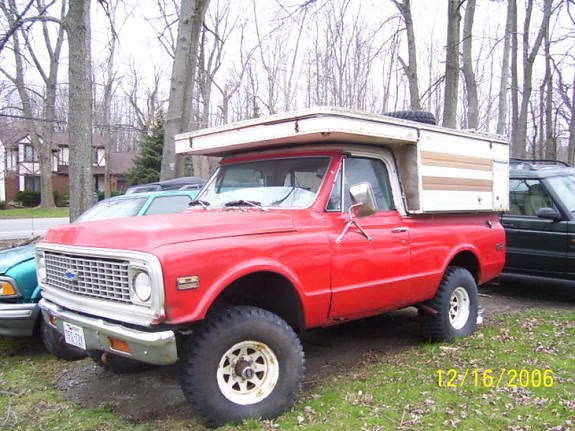
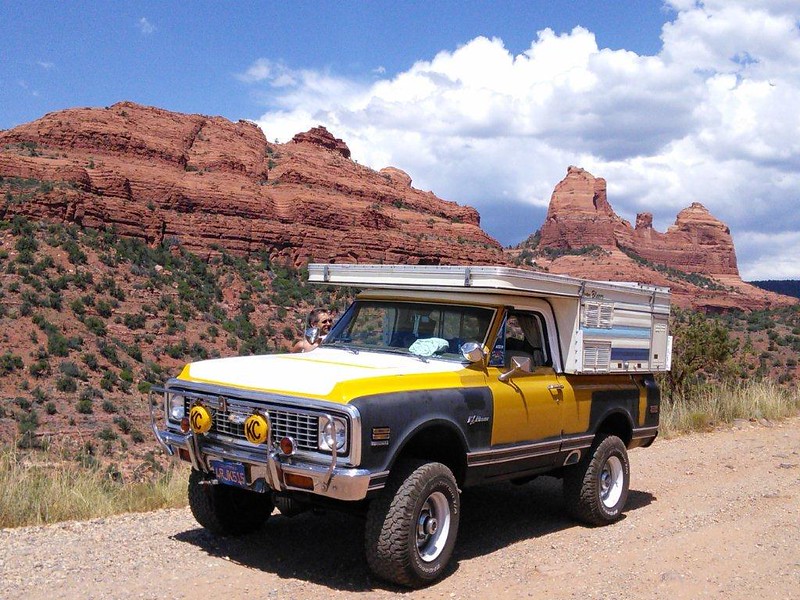
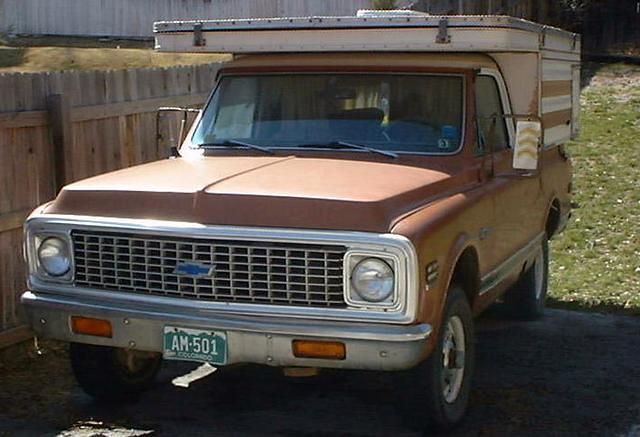
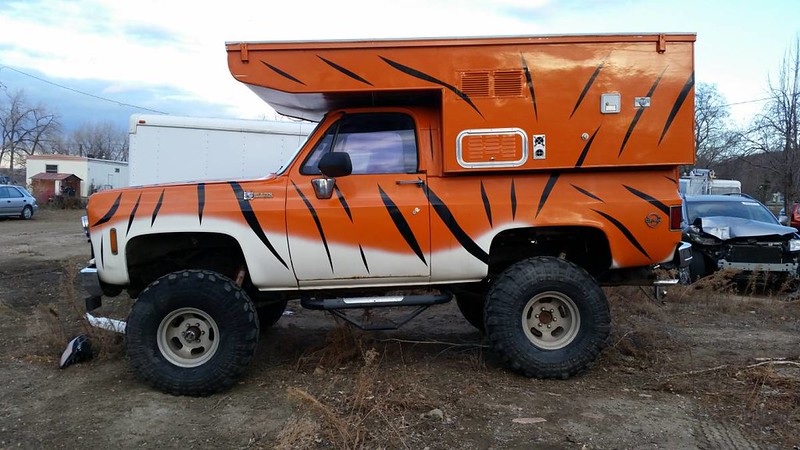
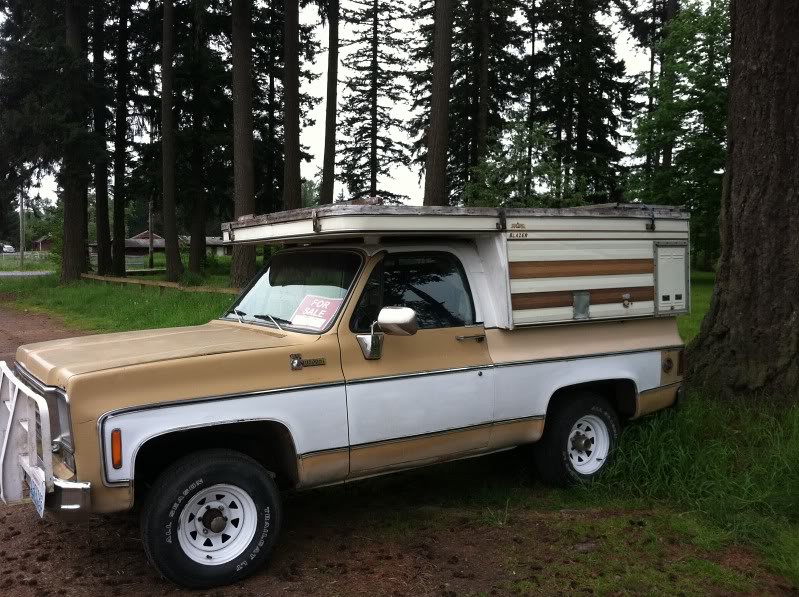
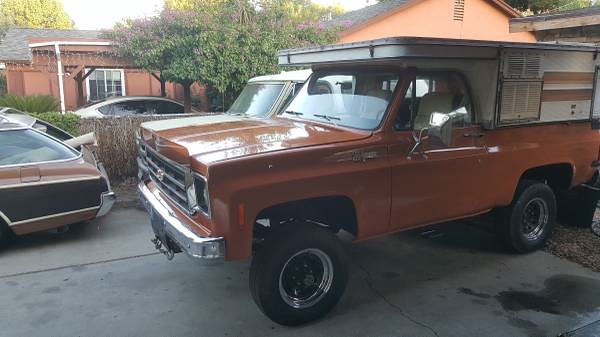
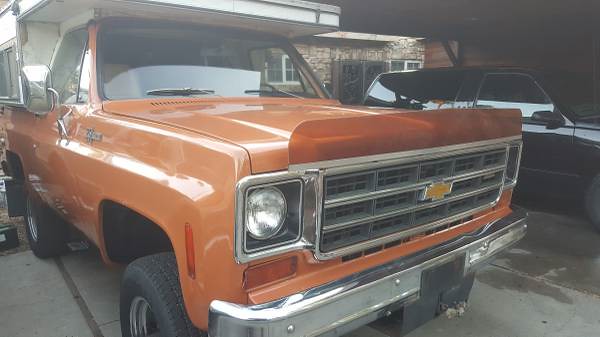
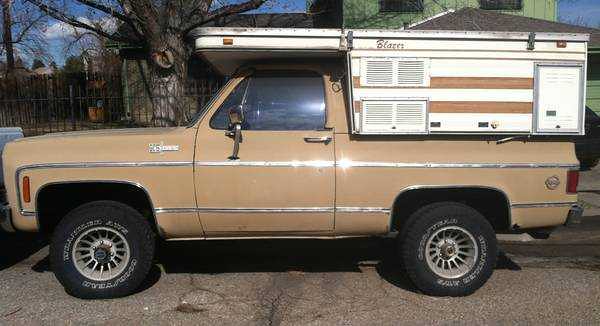
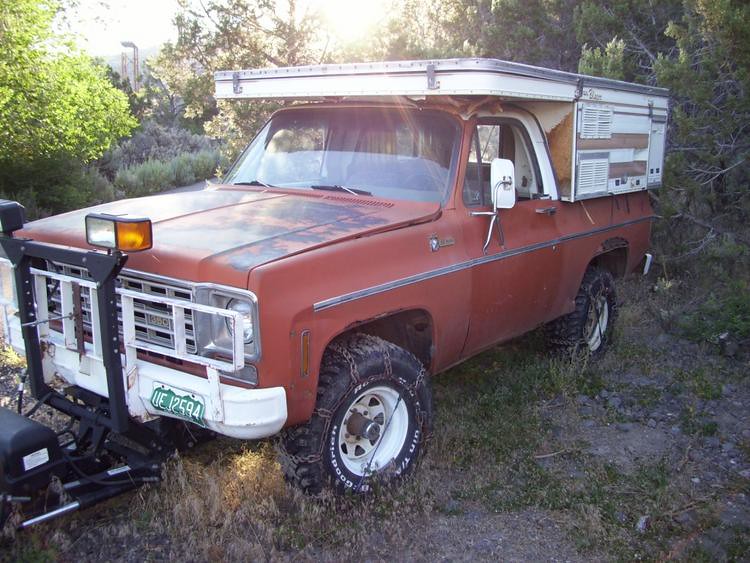
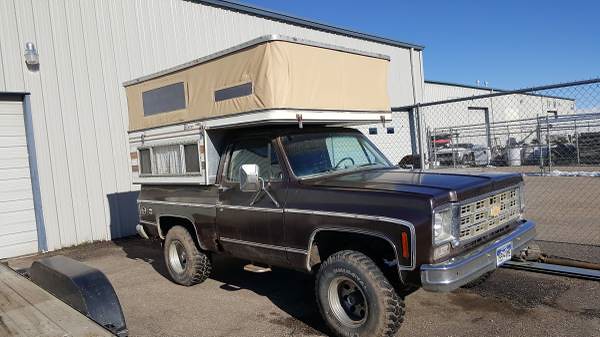
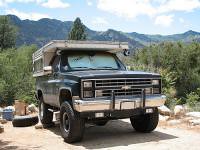
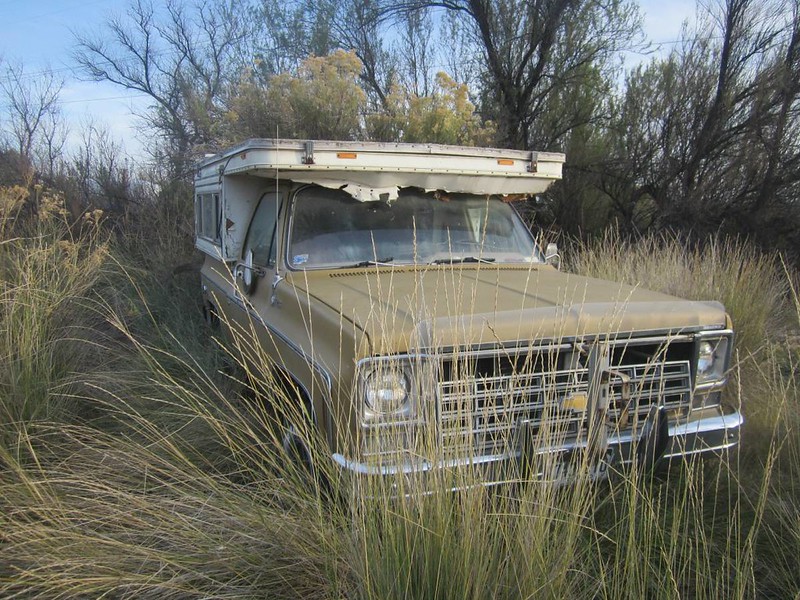
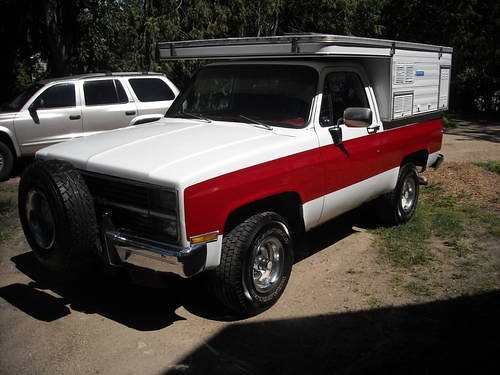
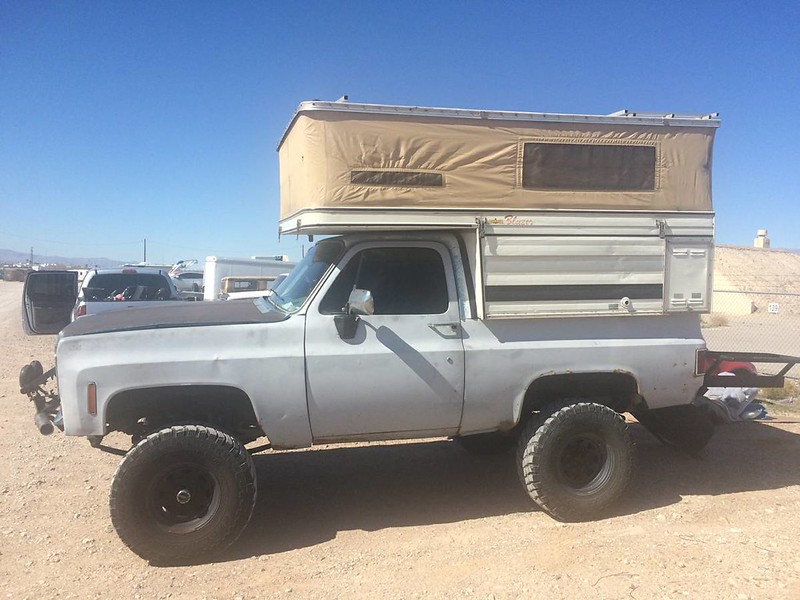
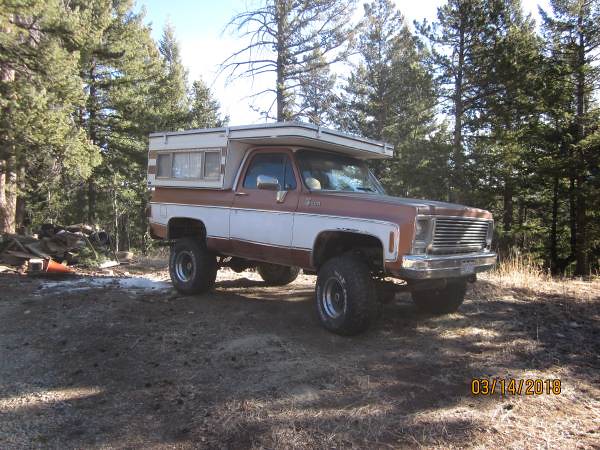
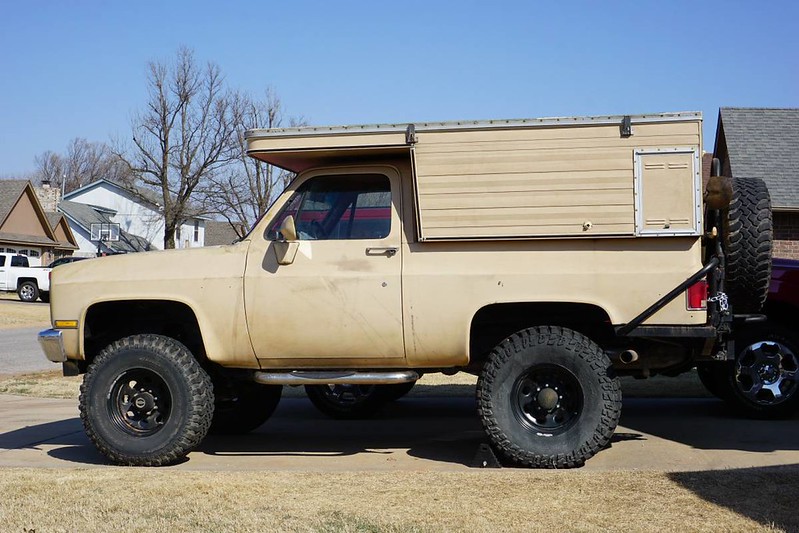
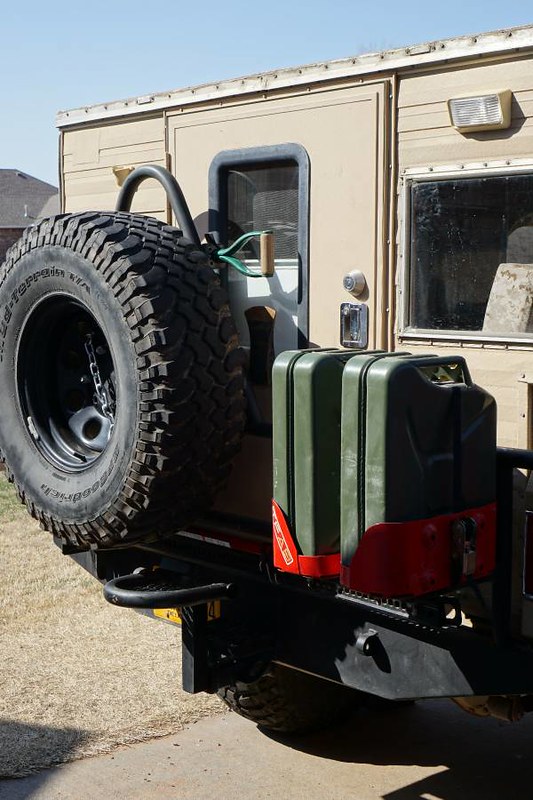
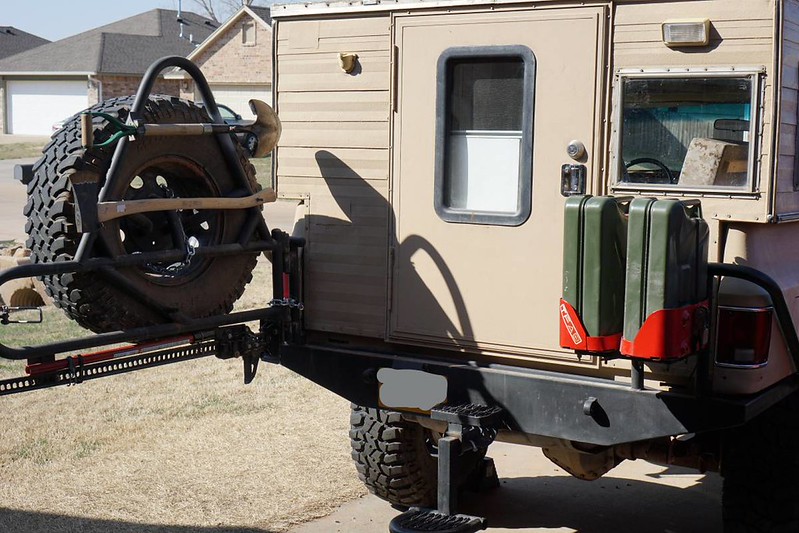
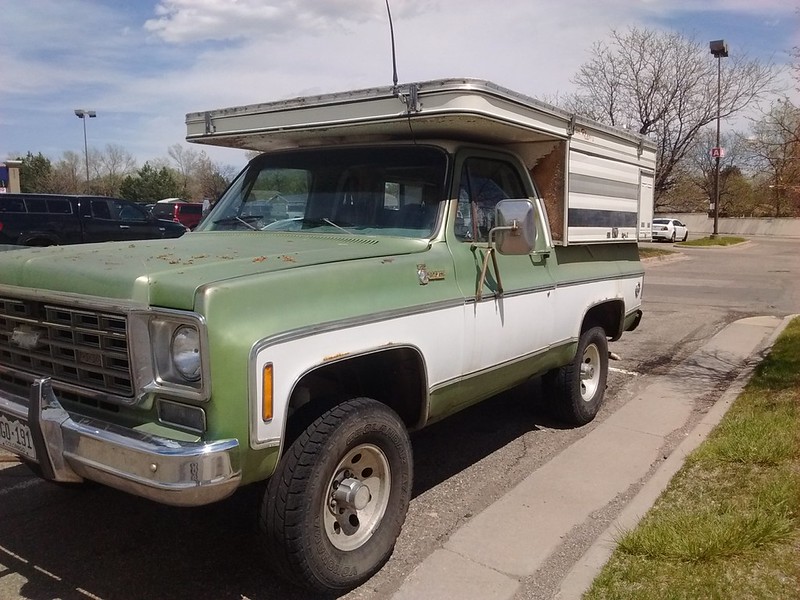
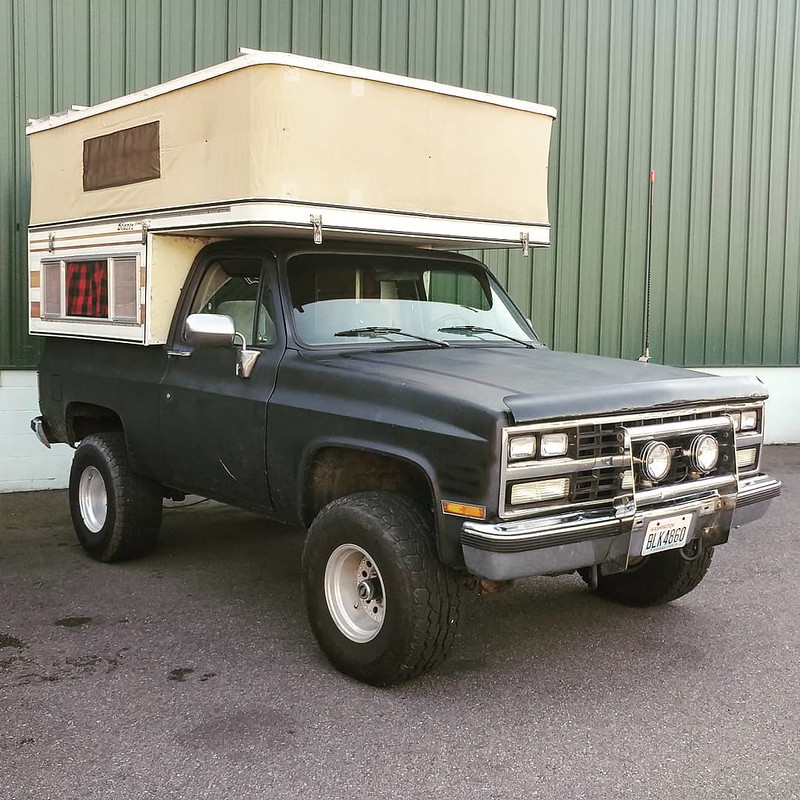
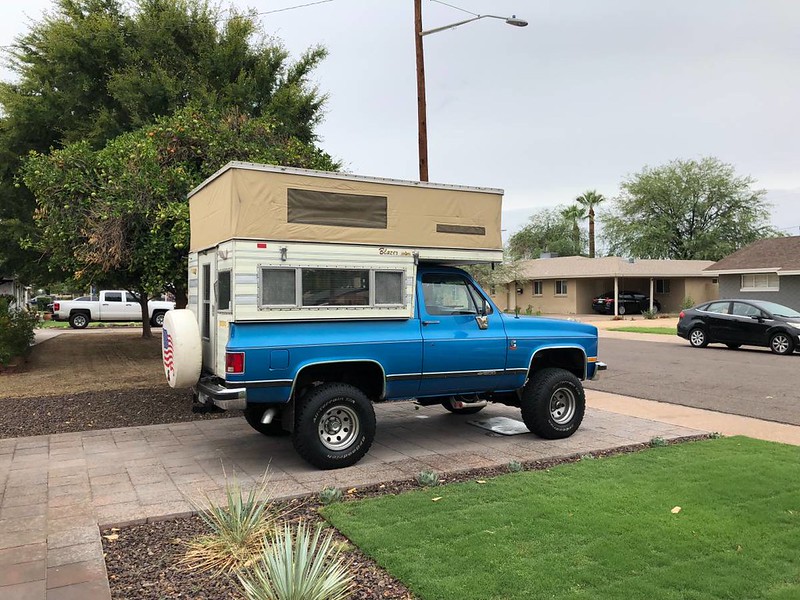
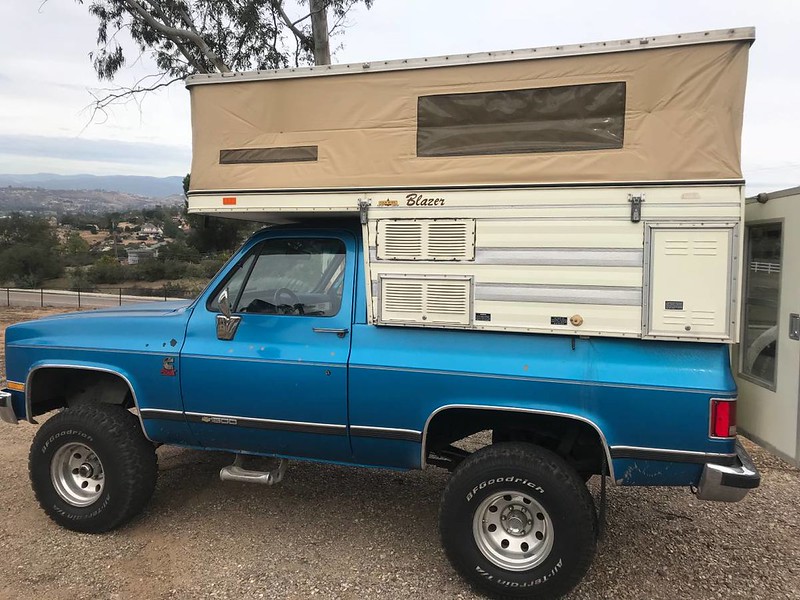
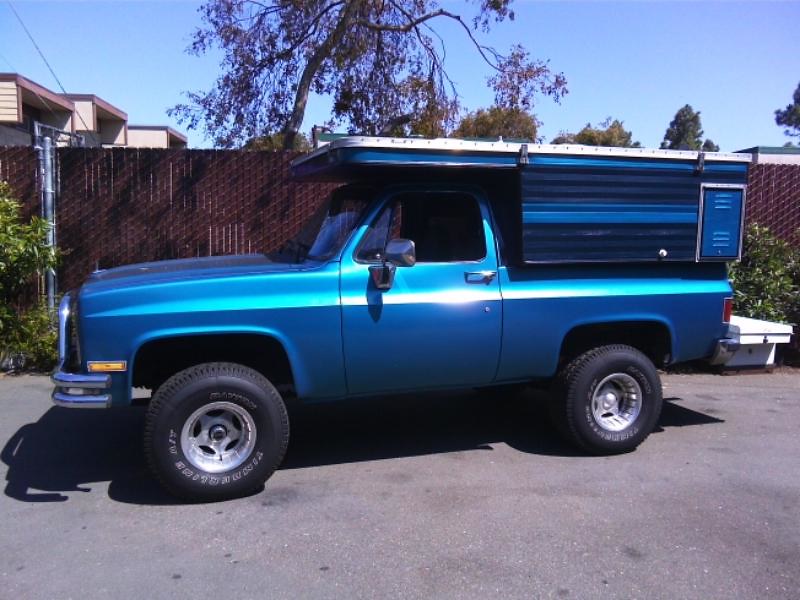
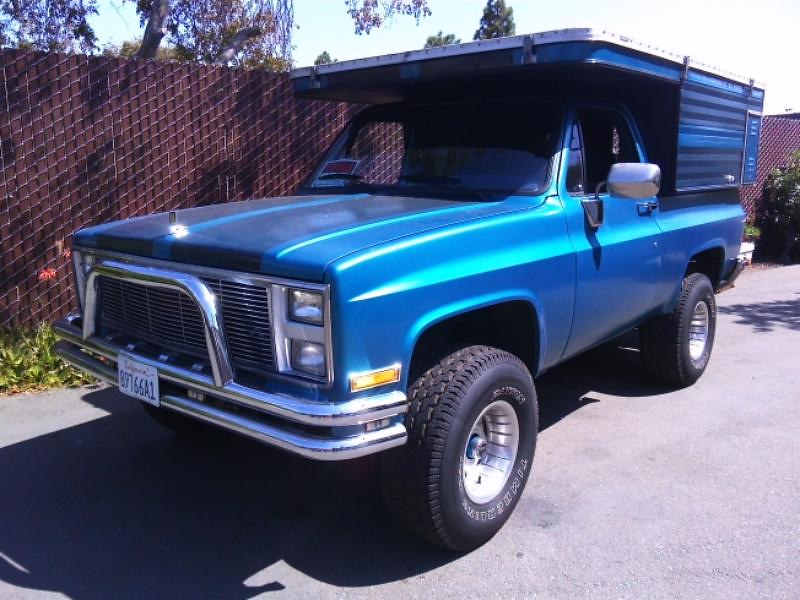
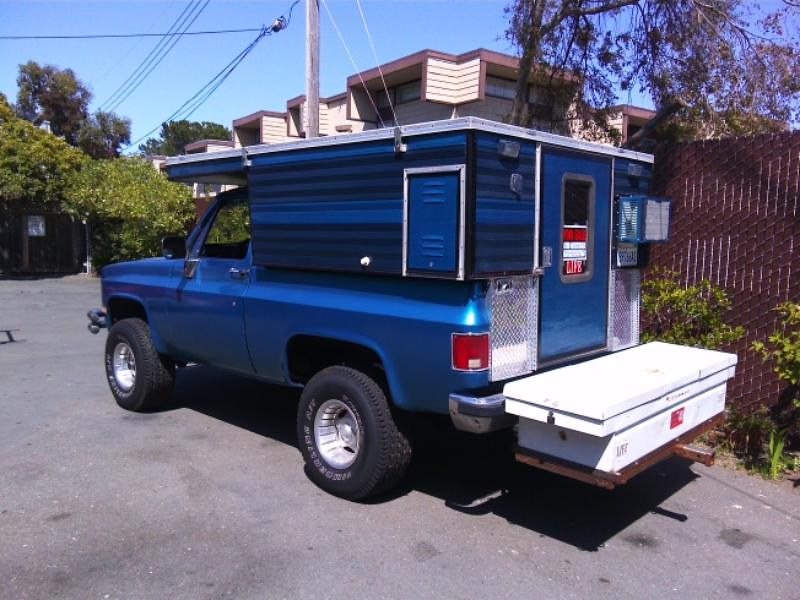
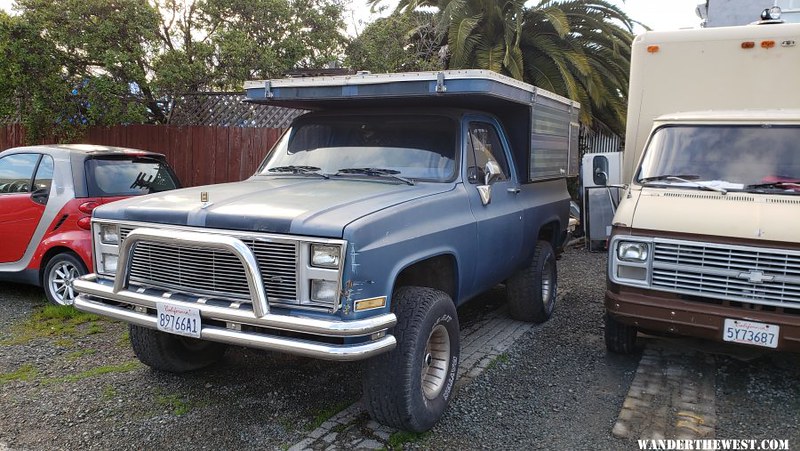
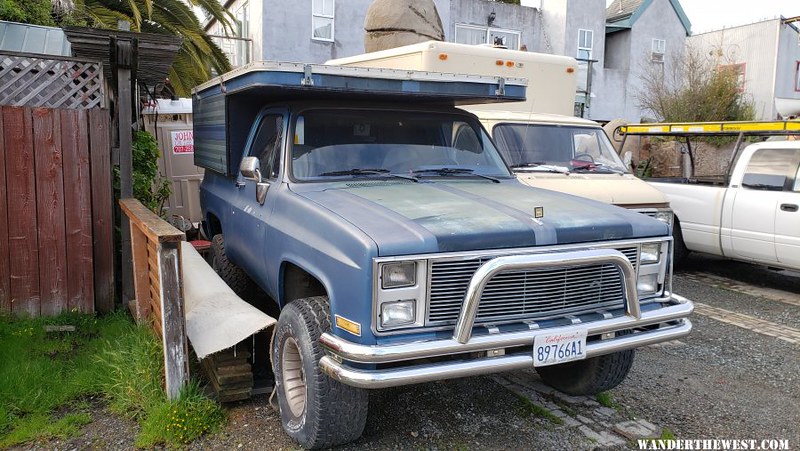
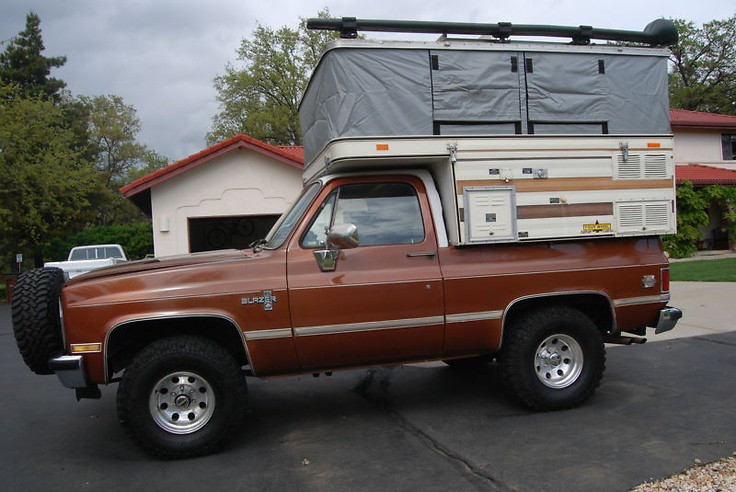
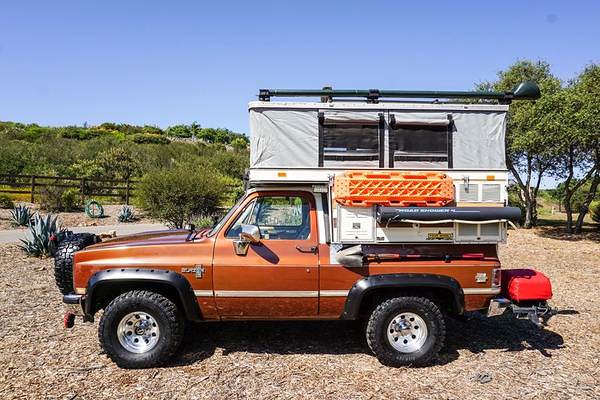
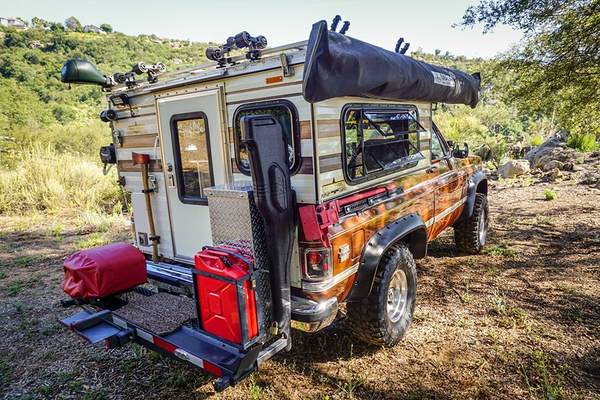
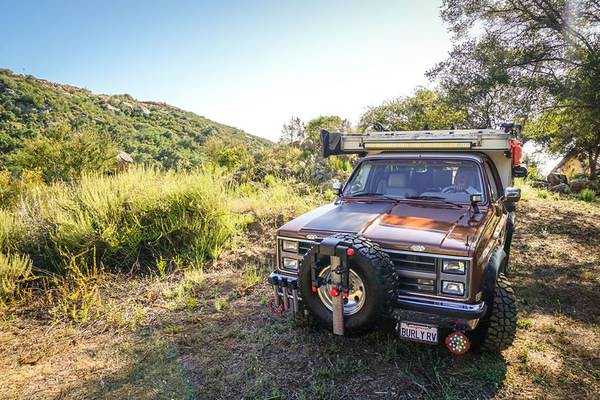
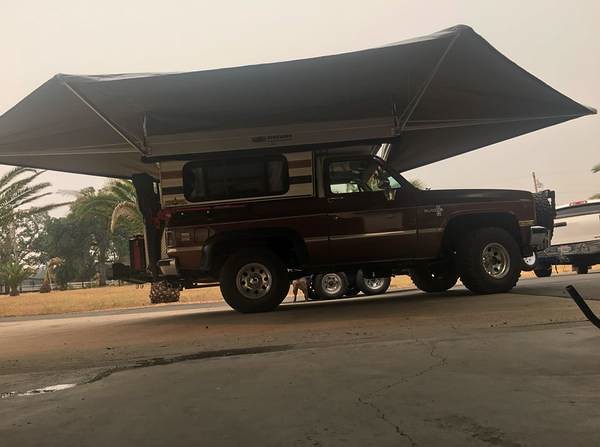
Campers for K5 Blazers are a unique setup. It seems as if not much is known of these special units as they often get overshadowed by GM’s factory Blazer Campers known as the Chalet (Chevy) or Casa Grande (GMC).
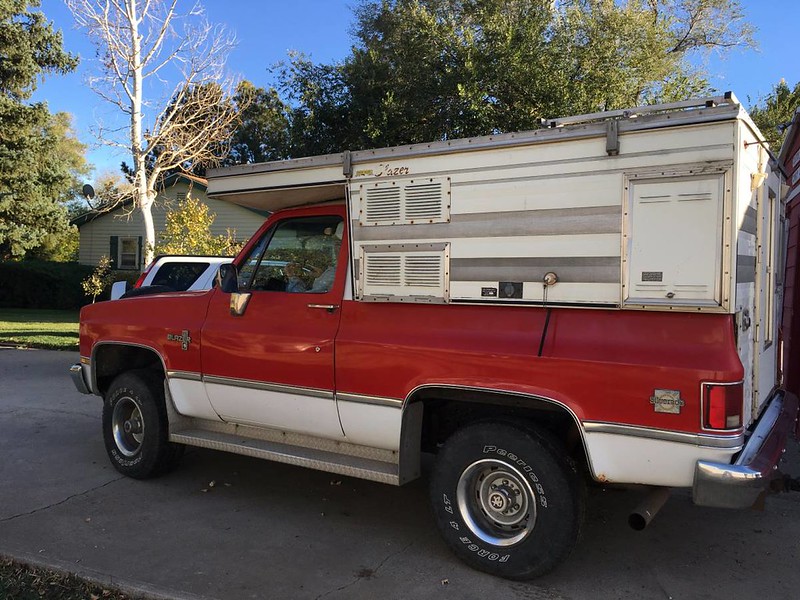
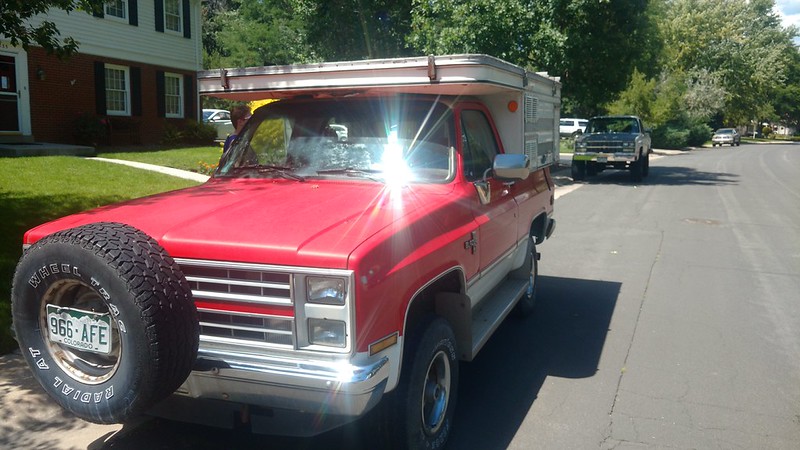
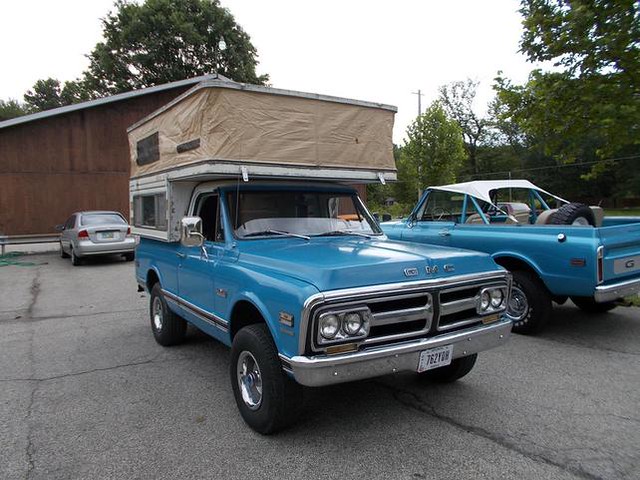
FWC Blazer camper in front, Chalet in the back:
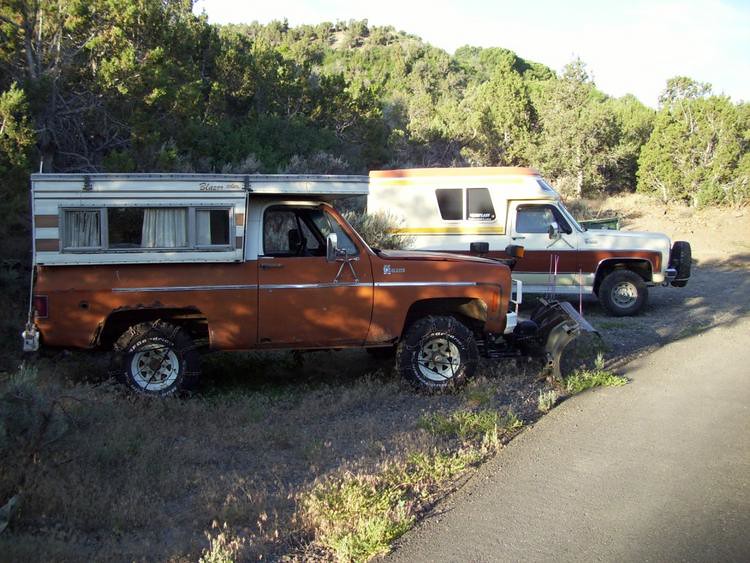
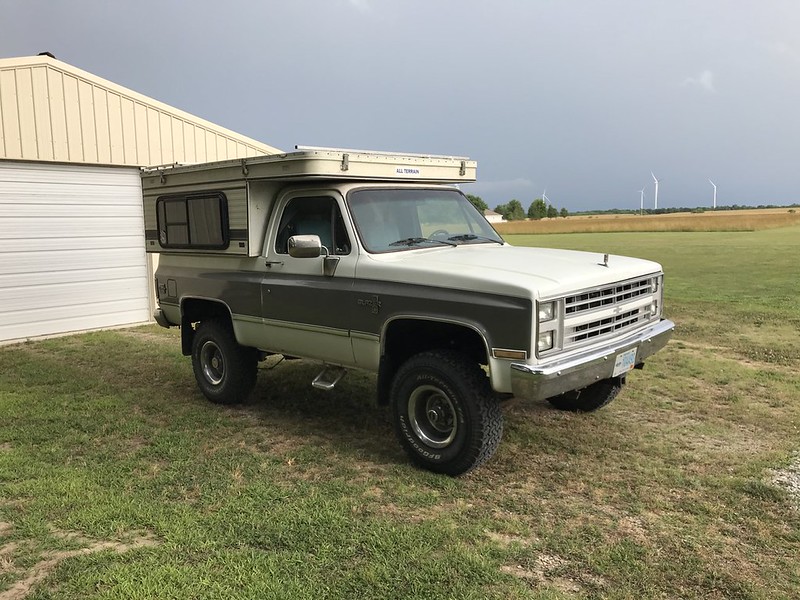
In fact, the Four Wheel Pop Up Blazer camper came out a full five years prior to the introduction of the Chalet/Casa Grande’s and was offered up to 10 years later than the last Chalet was built.
Pre-Chalet:
Post-Chalet:
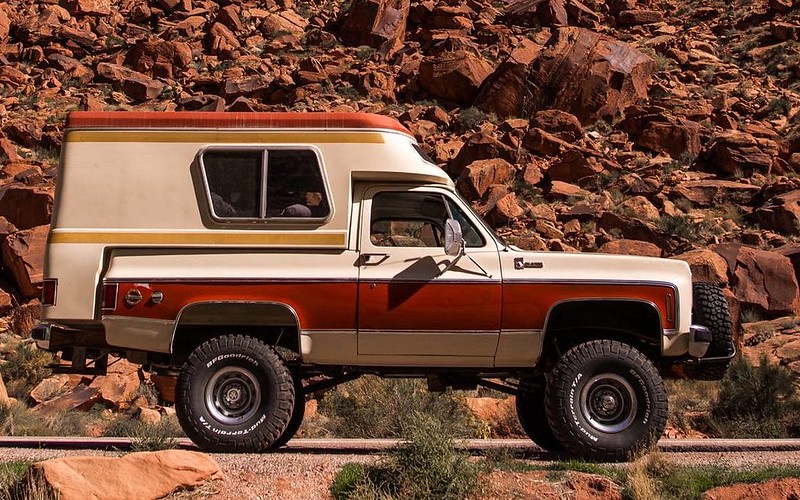
While the Chalet/Casa Grande campers have the claim to fame as the “factory” camper, the campers were actually produced by Chinook and not GM. The factory campers are the most well known and documented due to the short two year production run.
Chalet Example:
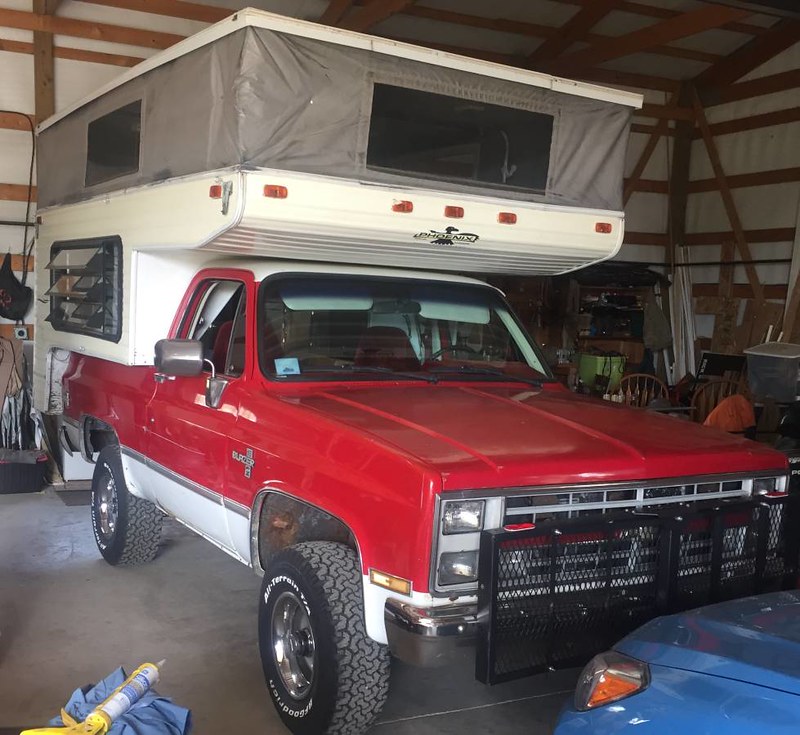
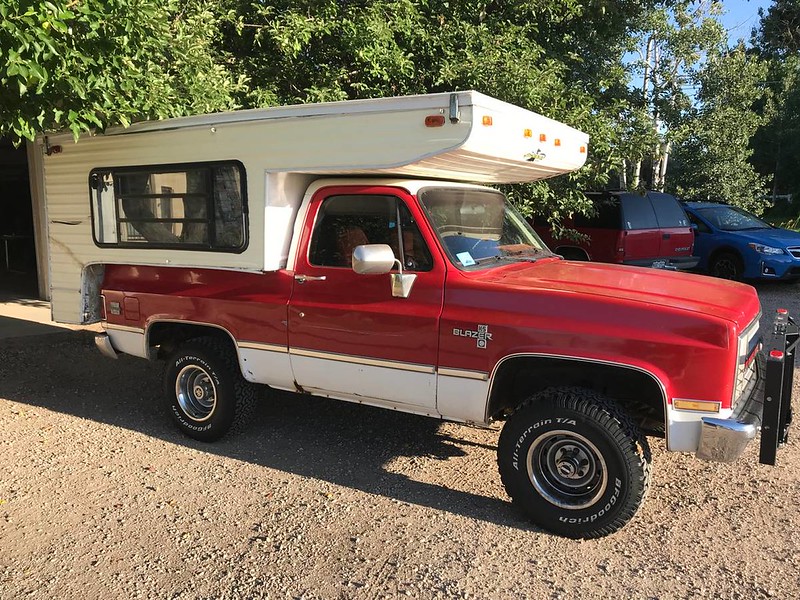
While the Four Wheel Camper version held the title for the most produced version, there were other Blazer campers produced by other companies like Hallmark and Phoenix. Though the quantities of those pale to the amount produced by FWC. I’ll get into the other brands later as they offer slightly different features to the FWC camper.
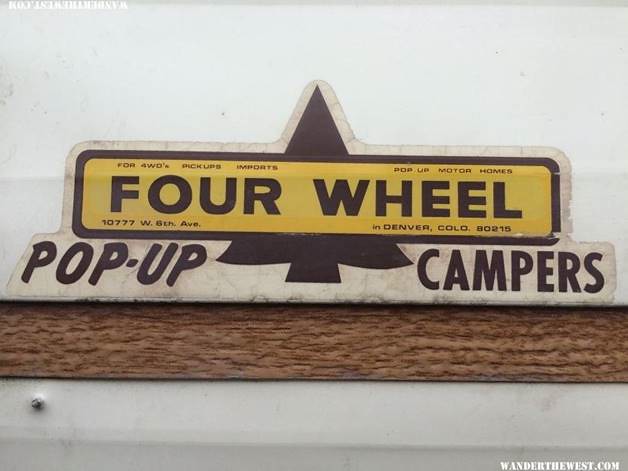
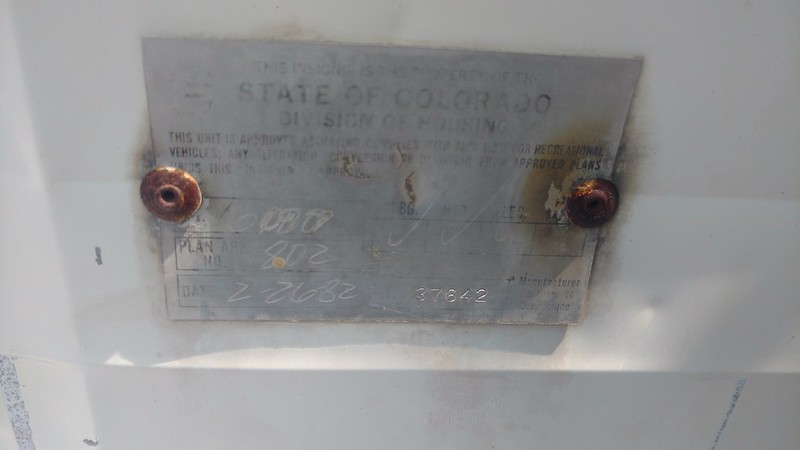
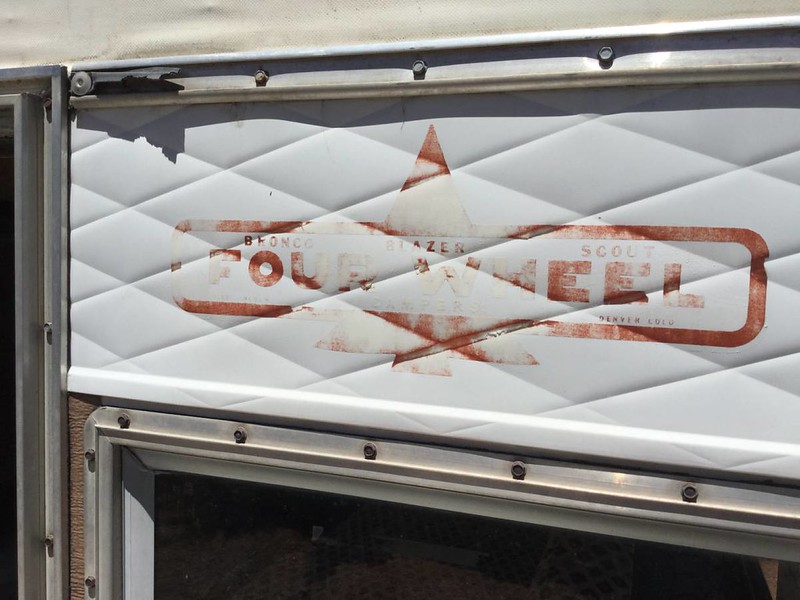
Let’s dive into the history, which is to know the history of FWC itself. FWC started back in 1972 in Denver Colorado. (note the address on the sticker, it's within a mile of @Capt Ron 's place) The first offerings were for the Blazer, Scout and Bronco trucks. All three of those trucks had full removable roofs, which depending on which truck you had meant you had to use the underside of the camper as the roof of the truck. Early Bronco example:
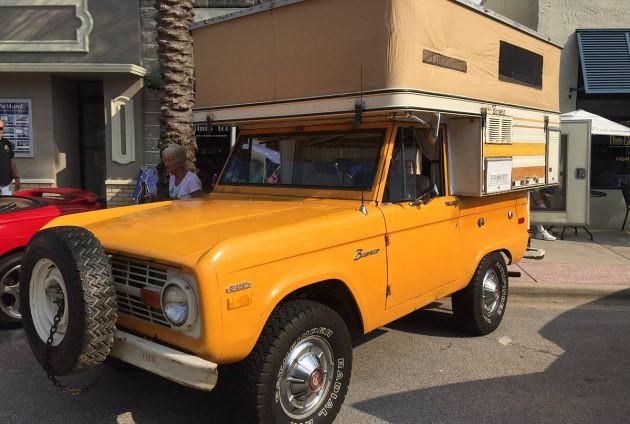
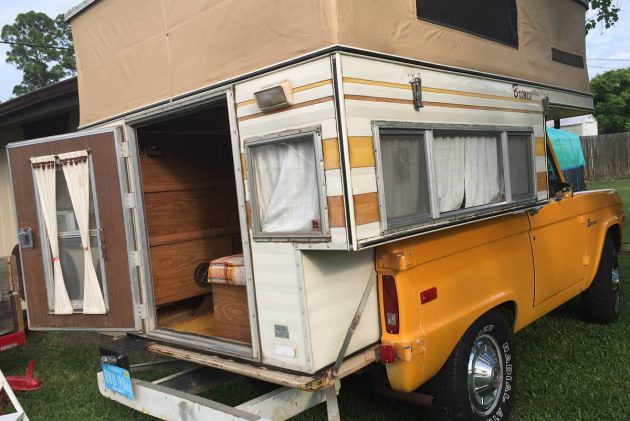
Full size Bronco. Note the camper sticks out past the body where a Blazer is flush to the tail lights. This is due to the slope of the body at the cab not allowing the camper to butt up to the cab like the Blazer camper can. There is an added on section to allow the camper to seal to the curves at the back of the cab.
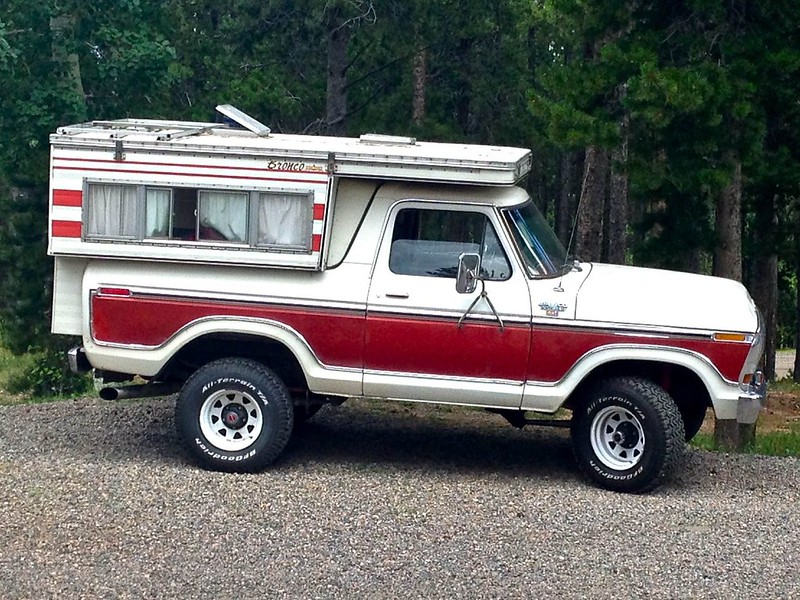
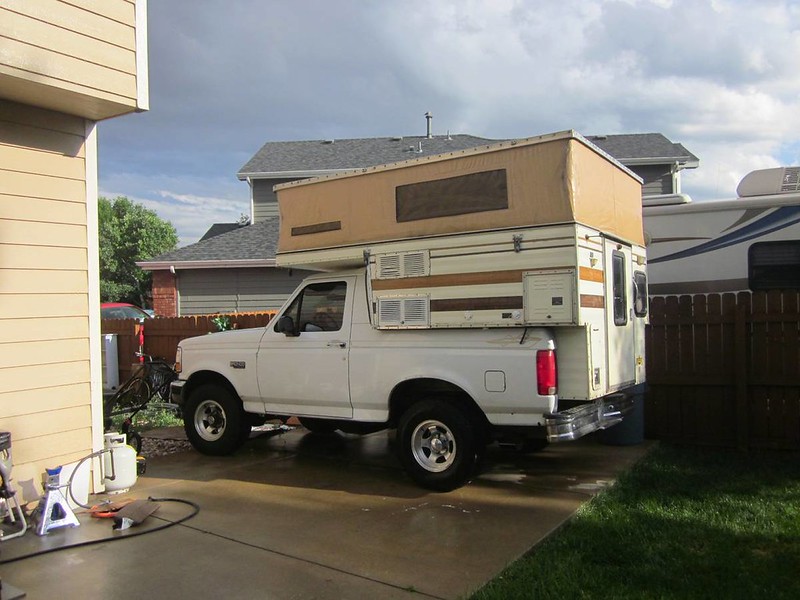
Scout Campers:
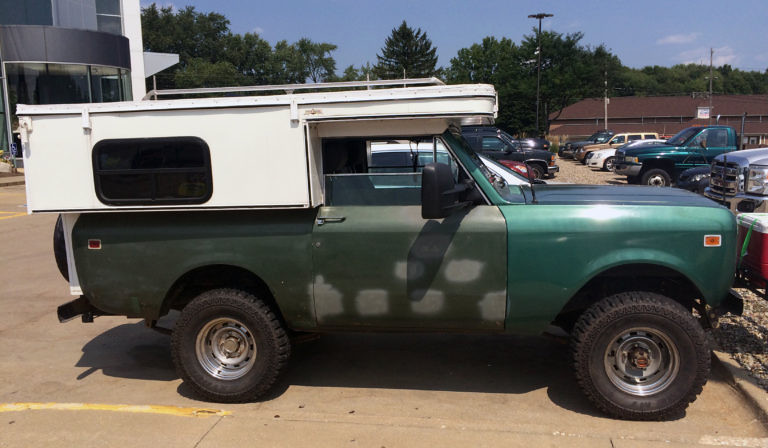
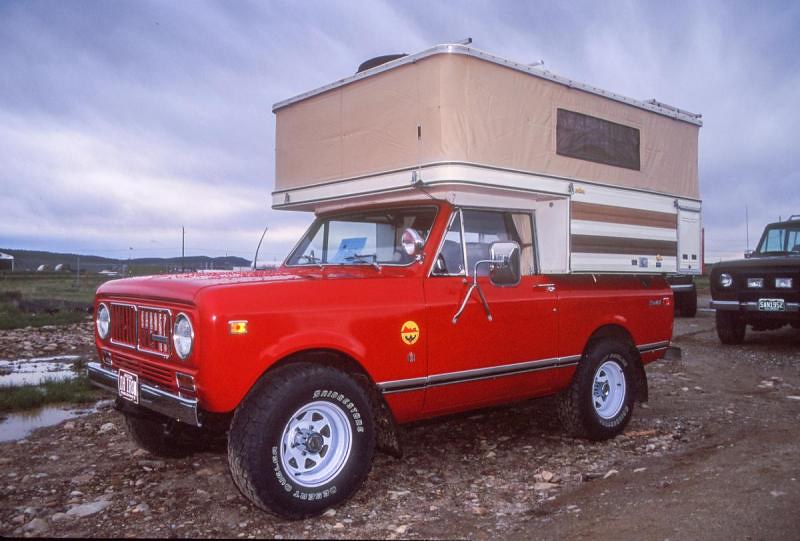
The DED Scout-house:
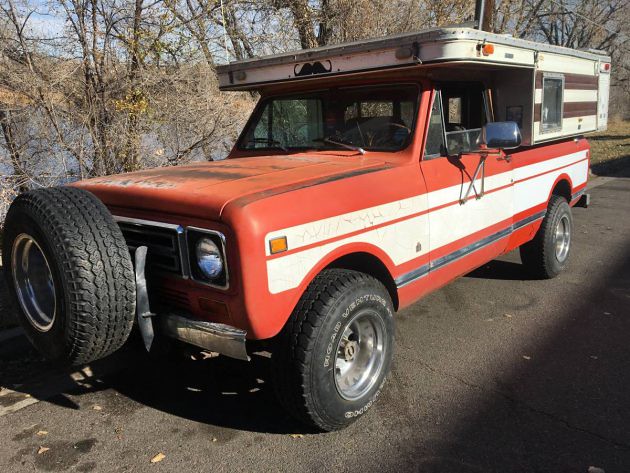
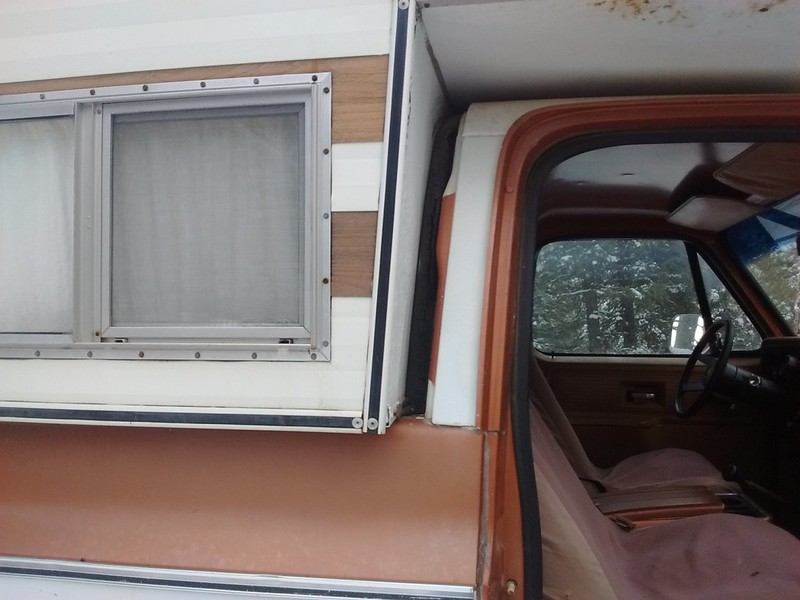
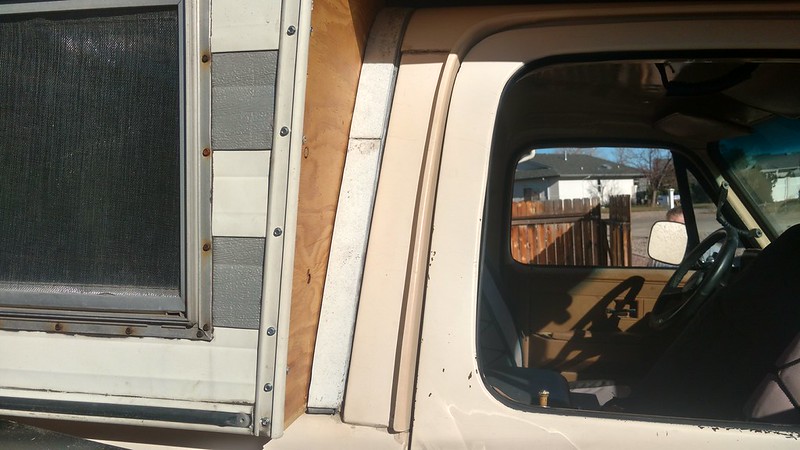
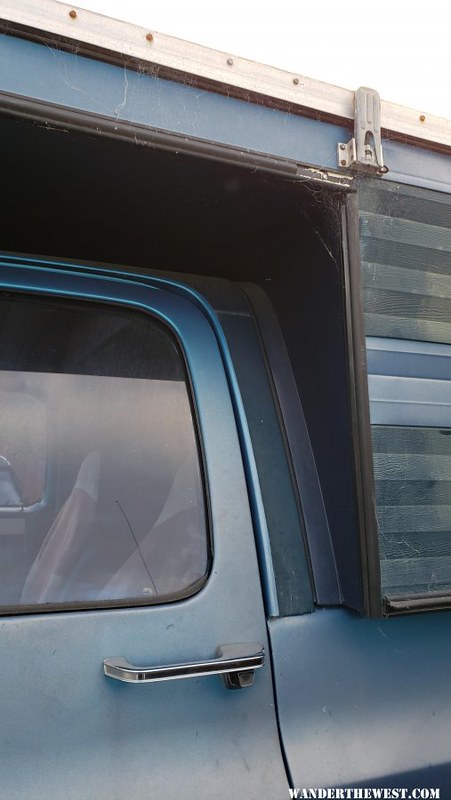
Most early Bronco and Scouts just used wood to create a surface for the window or door frame to seal up too. Some of the first-gen Blazers and Jimmys as well as full top ’73-’75 Blazer/Jimmys equipped with an FWC camper had the same treatment to only use wood to frame up a sealing surface for the door glass.
First Gen K5 with no factory top section:
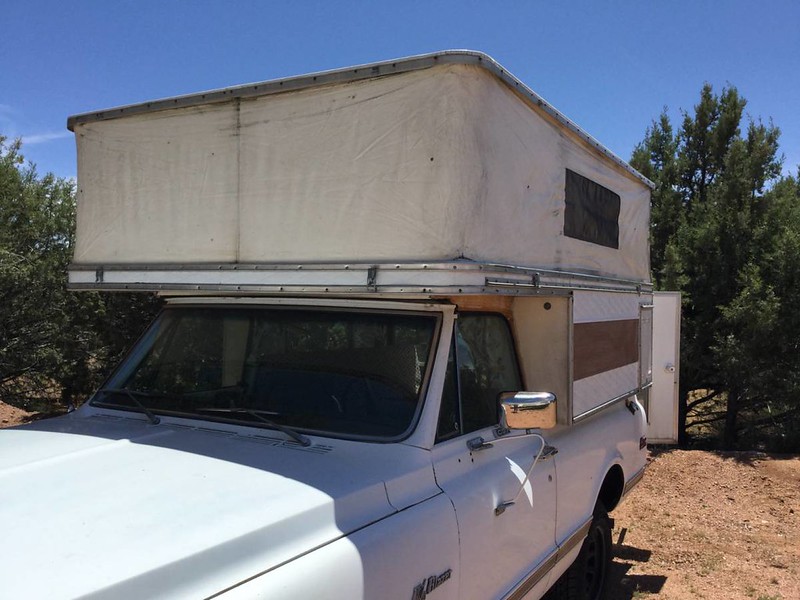
First Gen K5 with factory top section:
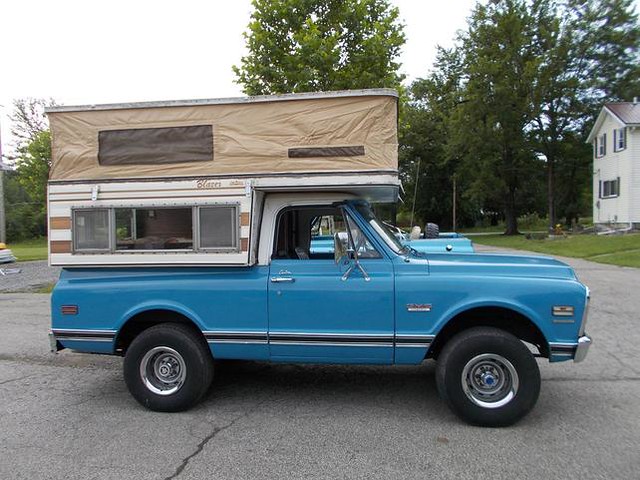
Second-gen K5 with factory top section:
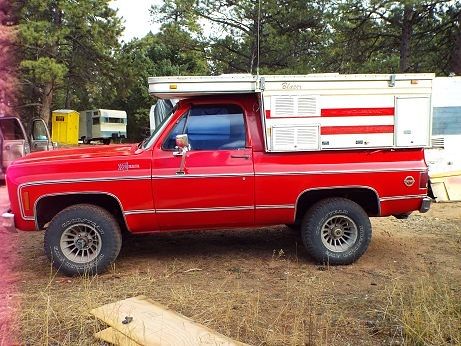
Second-gen K5 with no factory top section:
You can see how poorly the full convertible versions seal by watching Dirt Every Day as they took a Scout/FWC on an adventure and hit rain. Needless to say the connection between the cab and camper leaked like mad.
DED scout video
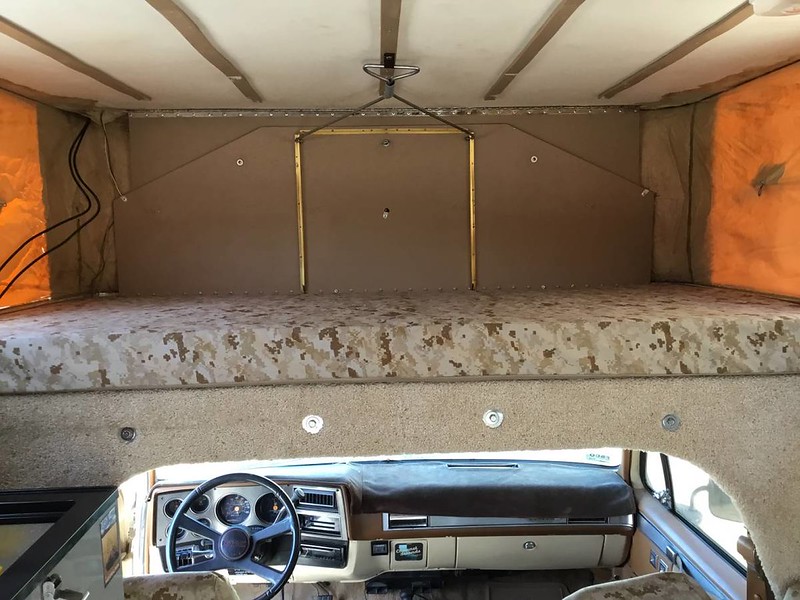
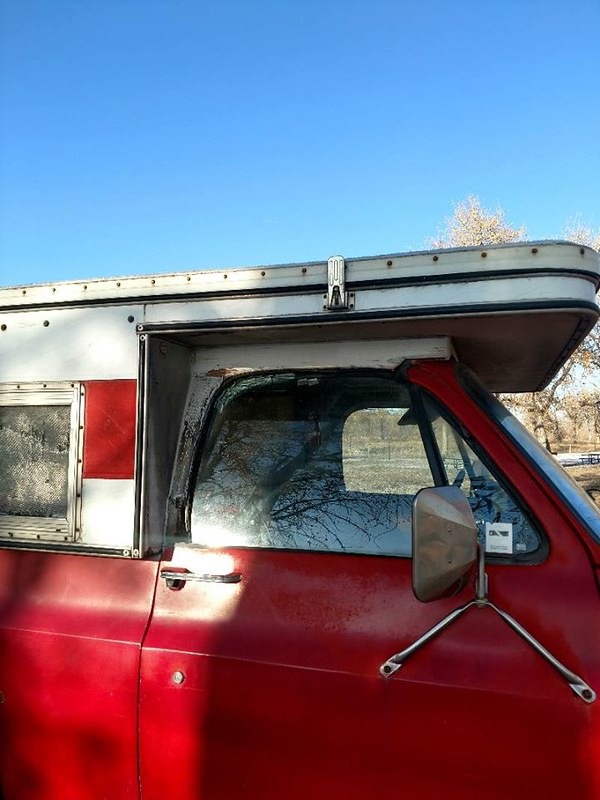
Others ended up cutting the front half of a factory fiberglass top to enclose the cab of the truck and sealed it to the front wall of the camper. The factory top section sealed to the windows and header better which led to less leaks of both water and air.
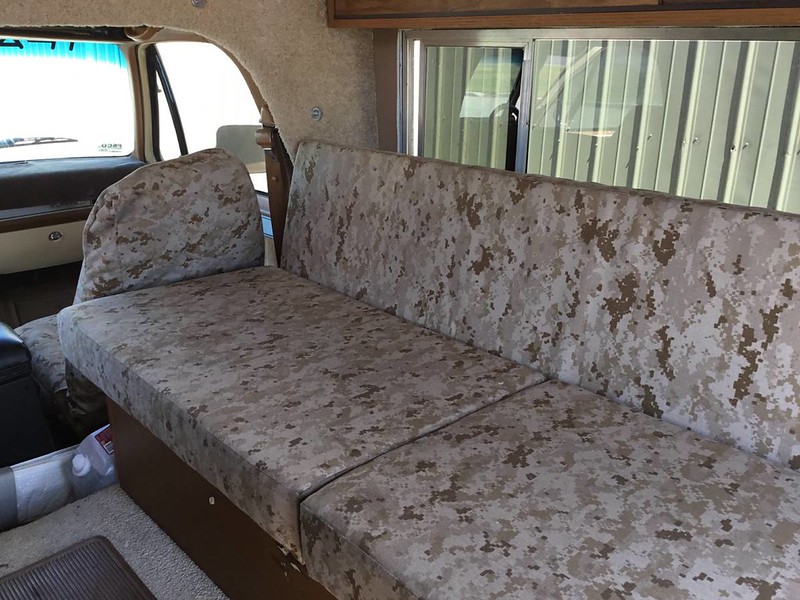
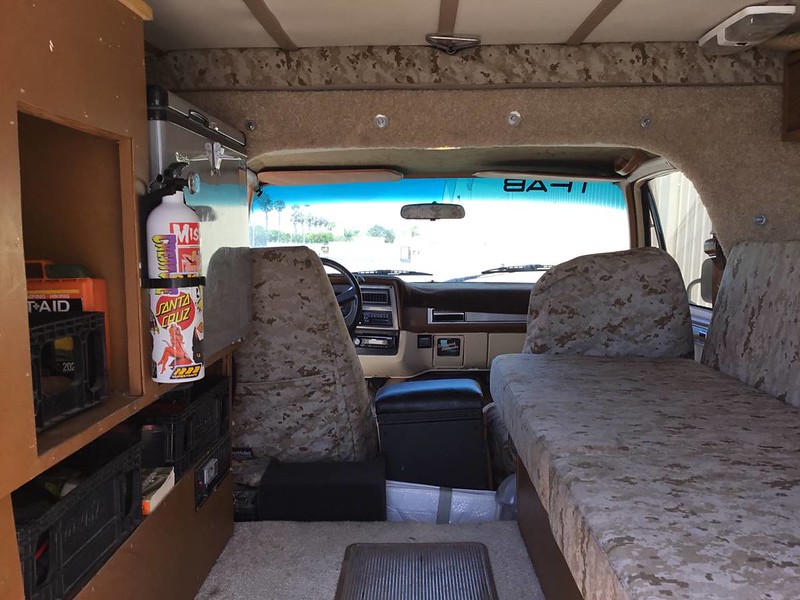
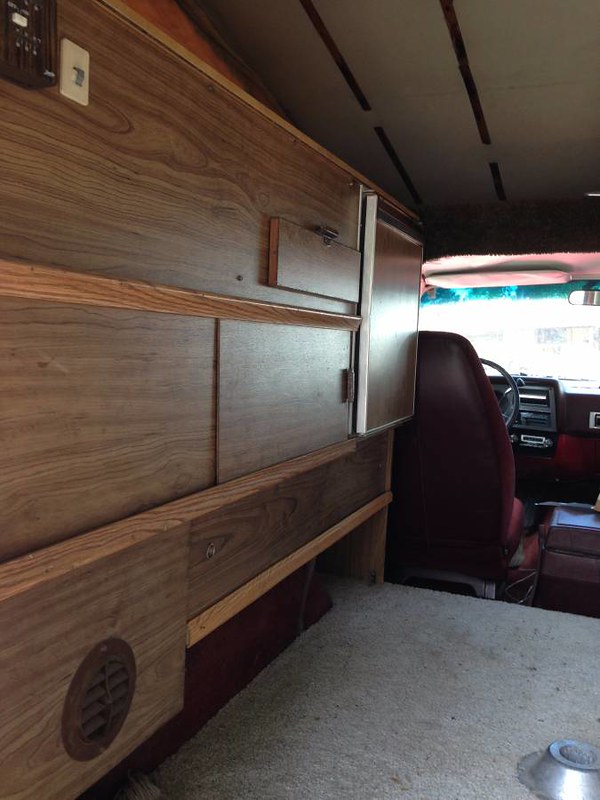
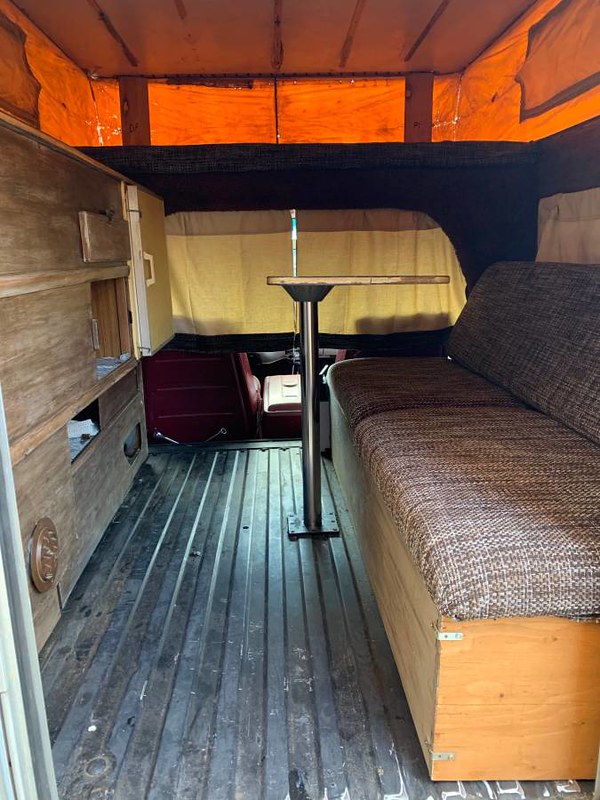
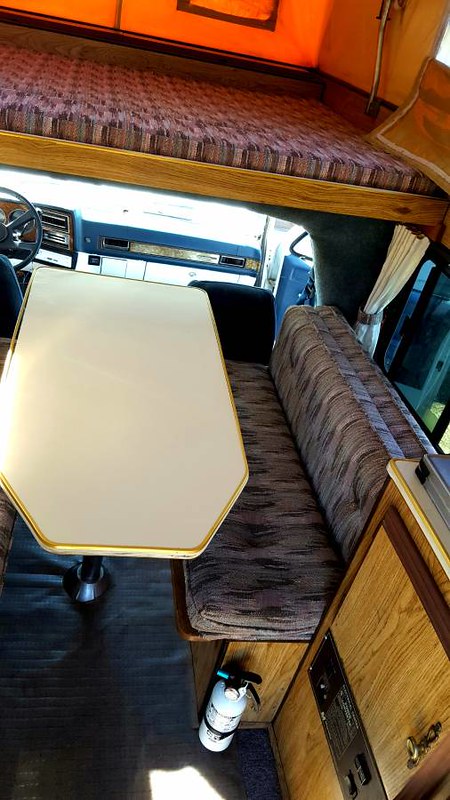
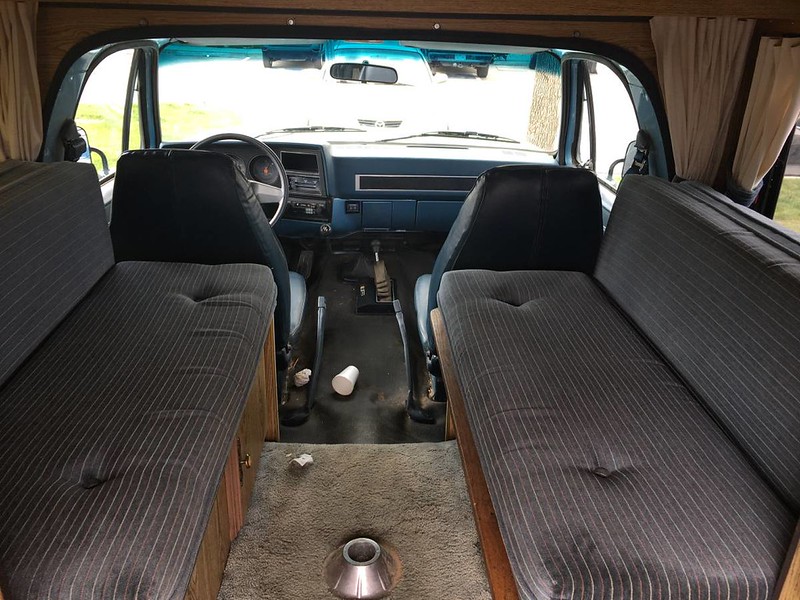
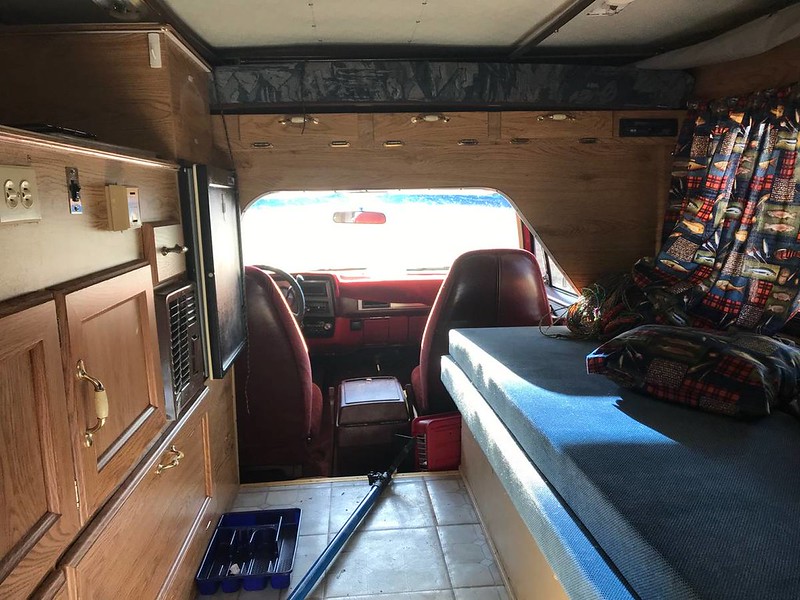
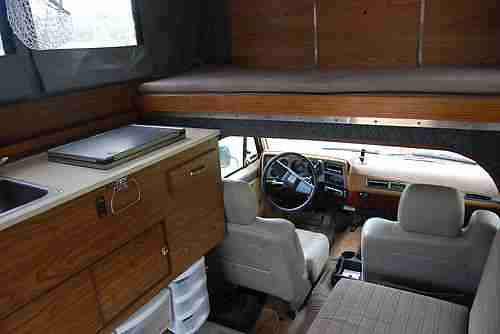
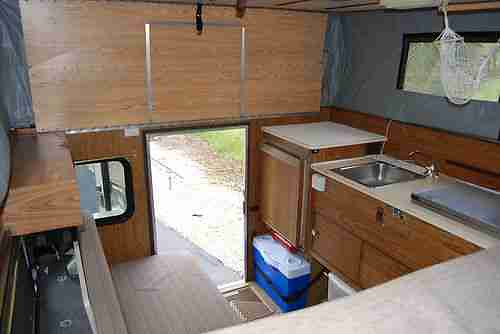
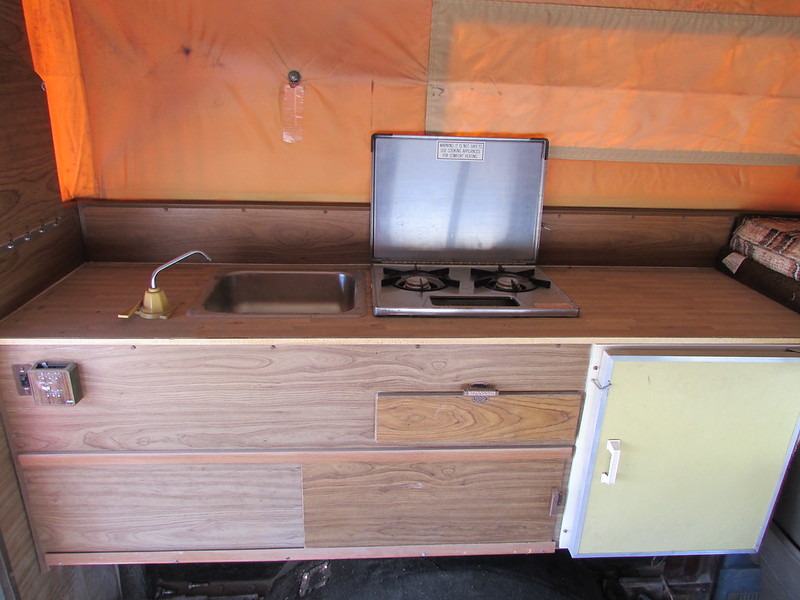
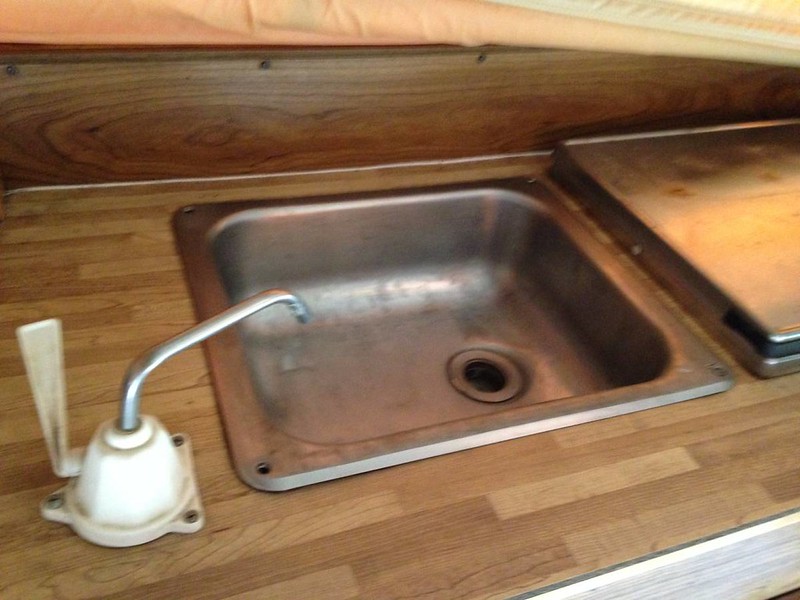
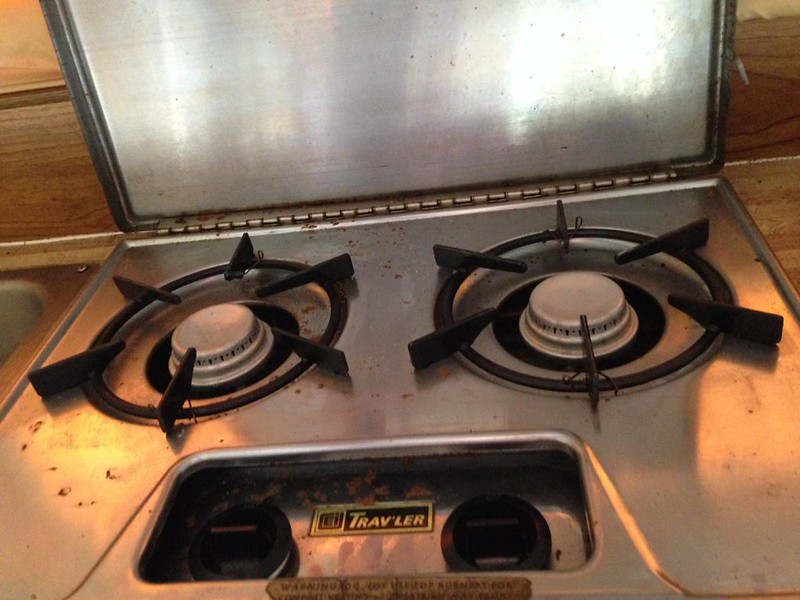
From that cab wall to the rear most of the FWC campers were the same. With a bench seat along the passenger side wall and cabinet along the driver side. That cabinet is where the 5 gallon freshwater tank was stored, 3 way RV refrigerator, forced air furnace, sink in the counter surface up top and two burner RV stovetop.
Cabinet side:
FWC Blazer camper in front, Chalet in the back:
In fact, the Four Wheel Pop Up Blazer camper came out a full five years prior to the introduction of the Chalet/Casa Grande’s and was offered up to 10 years later than the last Chalet was built.
Pre-Chalet:
Post-Chalet:
While the Chalet/Casa Grande campers have the claim to fame as the “factory” camper, the campers were actually produced by Chinook and not GM. The factory campers are the most well known and documented due to the short two year production run.
Chalet Example:
While the Four Wheel Camper version held the title for the most produced version, there were other Blazer campers produced by other companies like Hallmark and Phoenix. Though the quantities of those pale to the amount produced by FWC. I’ll get into the other brands later as they offer slightly different features to the FWC camper.
Let’s dive into the history, which is to know the history of FWC itself. FWC started back in 1972 in Denver Colorado. (note the address on the sticker, it's within a mile of @Capt Ron 's place) The first offerings were for the Blazer, Scout and Bronco trucks. All three of those trucks had full removable roofs, which depending on which truck you had meant you had to use the underside of the camper as the roof of the truck. Early Bronco example:
Full size Bronco. Note the camper sticks out past the body where a Blazer is flush to the tail lights. This is due to the slope of the body at the cab not allowing the camper to butt up to the cab like the Blazer camper can. There is an added on section to allow the camper to seal to the curves at the back of the cab.
Scout Campers:
The DED Scout-house:
Most early Bronco and Scouts just used wood to create a surface for the window or door frame to seal up too. Some of the first-gen Blazers and Jimmys as well as full top ’73-’75 Blazer/Jimmys equipped with an FWC camper had the same treatment to only use wood to frame up a sealing surface for the door glass.
First Gen K5 with no factory top section:
First Gen K5 with factory top section:
Second-gen K5 with factory top section:
Second-gen K5 with no factory top section:
You can see how poorly the full convertible versions seal by watching Dirt Every Day as they took a Scout/FWC on an adventure and hit rain. Needless to say the connection between the cab and camper leaked like mad.
DED scout video
Others ended up cutting the front half of a factory fiberglass top to enclose the cab of the truck and sealed it to the front wall of the camper. The factory top section sealed to the windows and header better which led to less leaks of both water and air.
From that cab wall to the rear most of the FWC campers were the same. With a bench seat along the passenger side wall and cabinet along the driver side. That cabinet is where the 5 gallon freshwater tank was stored, 3 way RV refrigerator, forced air furnace, sink in the counter surface up top and two burner RV stovetop.
Cabinet side: