CK5
Register an account today to become a member! Once signed in, you'll be able to participate on this site by adding your own topics and posts, as well as connect with other members.

Blazer is really done. Last pictures while she is still mine.

The sound, when the Gear Oil runs out, HAS to be priceless! :haha:
hahaha....I'll bet it does too!
Kert if I may....yes Heath, at this time, he does plan on using some tubing inside the perimeter of the v/c for the bolts, and they should be a pretty kickass look too! 9 bolts to hold down a 500 Caddy!!! way better than a SBC.
 
Pfft.... I'm about to make me one of those!!! :D

You won't regret it.

Damn, if you hold the nozzle in one spot can you cut metal with the gear oil at that pressure? :D

Seriously though, does it come out really fast or is the viscosity high enough it is still slow?

Nah, comes out pretty controllably. Sometimes I have to make the mistake and check and see if its flowing. This of course leads to minor spillage.


The sound, when the Gear Oil runs out, HAS to be priceless! :haha:

Yep, it has exactly that sound.

Yes sir.[/QUOTE
Very cool Kert! :thumb:
And yeah Dave that is double dipping!:D

We have a tank like that but bigger... we fill it with used oil and a little diesel and spray our equipment with it.

I like your idea.

Thanks. I've been using it for 4ish years now i suppose. It's pretty sweet. The whole, suction type of lubing device is ridiculous. Pouring out of any type of container under the rig is an exercise in futility.

This setup could be even better with the appropriate blow gun type of attachment on the end of the hose rather than the 90* valve but it works good enough I haven't bother to mess with it. Maybe when the hose, which isn't oil resistant gives up, I"ll make a change.
 
OH, and for what its worth, I think the tank should have an inline water seperator before tank to keep as much moisture out of the oil supply as possible.
 
DSC00625-1.jpg

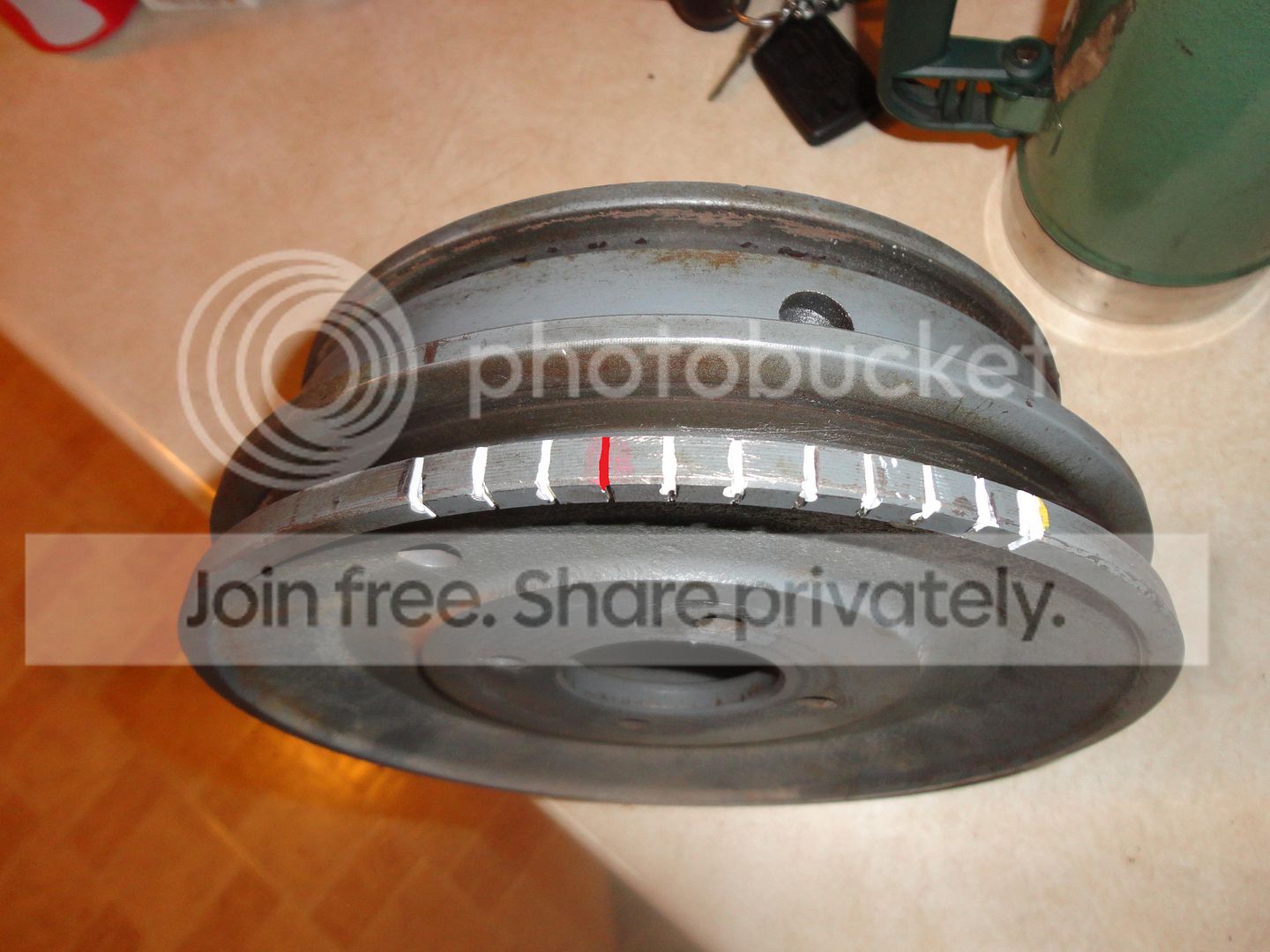
This modification led to an adjustment in the timing.

Been getting a few questions about this so here goes...

If you're not familiar with the FAST XFI system, regarding timing, goes like this.

The ECU controls all the timing based on a base spark table. In order to do this the ECU needs a reference from the engine be it a crank trigger or an inductive trigger in the distributor. You can also do a cam trigger but I haven't gotten into that.

The trigger needs to happen for most applications at 50* BTDC. This signal sets the ECU in motion to make its calculation for proper timing. The ECU needs a minimum of 10* engine rotation to make its calculation, so with the trigger happening at 50, max timing would now be 40*.

Now, the rotor needs to be lined up with the number one spark plug wire where you will build peak torque. For my application this is 35*. This is accomplished with an adjustable rotor. Got to have an adjustable rotor so it can be set independantly of the distributor itself. My MSD distributor came with an adjustable rotor so all the pieces worked hand in hand with the exception of the balancer which was corrected as per the photo.

So, to set it all up you bring the engine around to 50* BTDC, line up a paddle on the dizzy with the reluctor and lock down the distributor. Now the engine and ECU are in sync. Now bring the engine around to 35* BTDC and adjust the rotor to point at the number one plug. That's it.
 
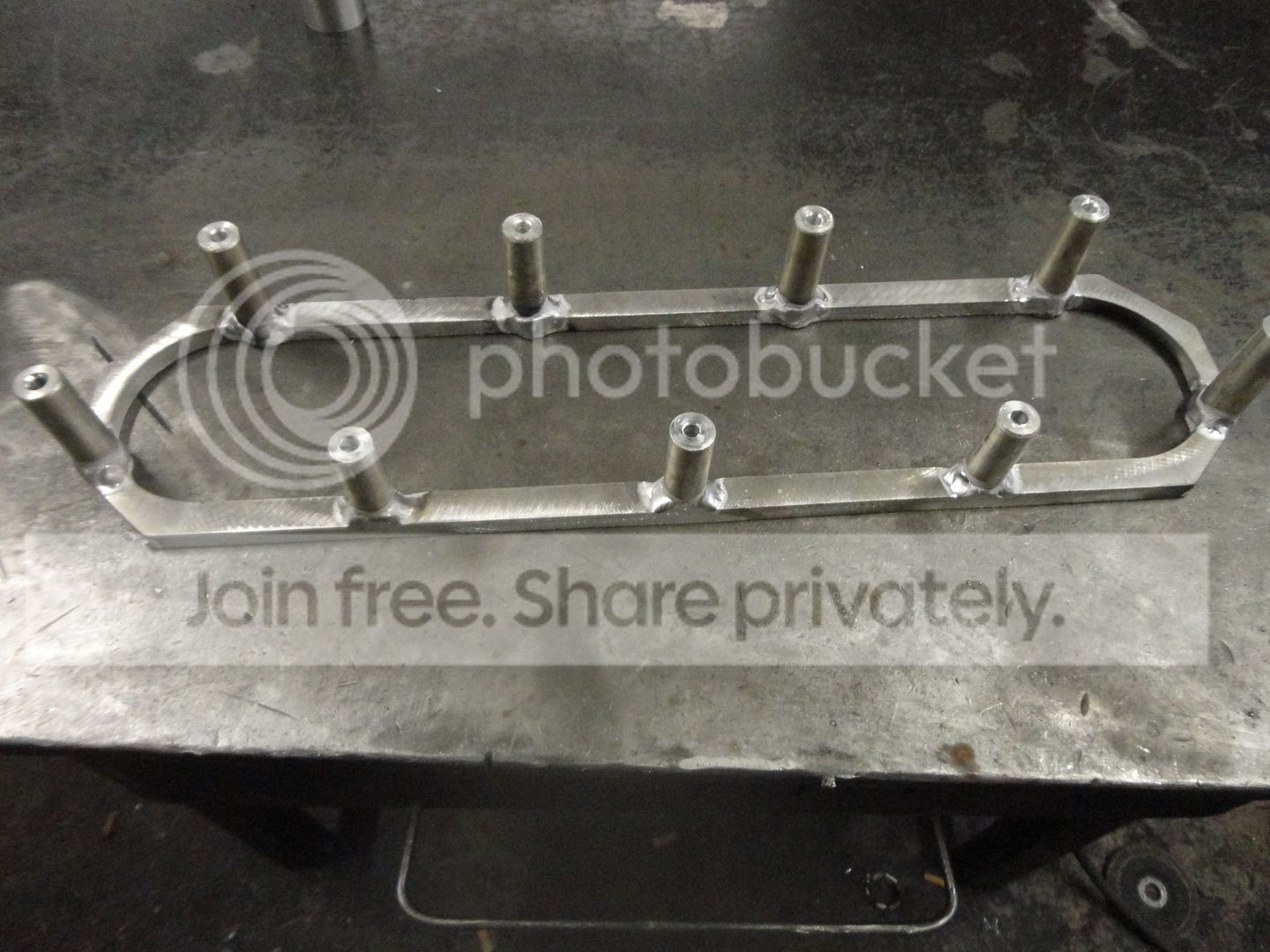
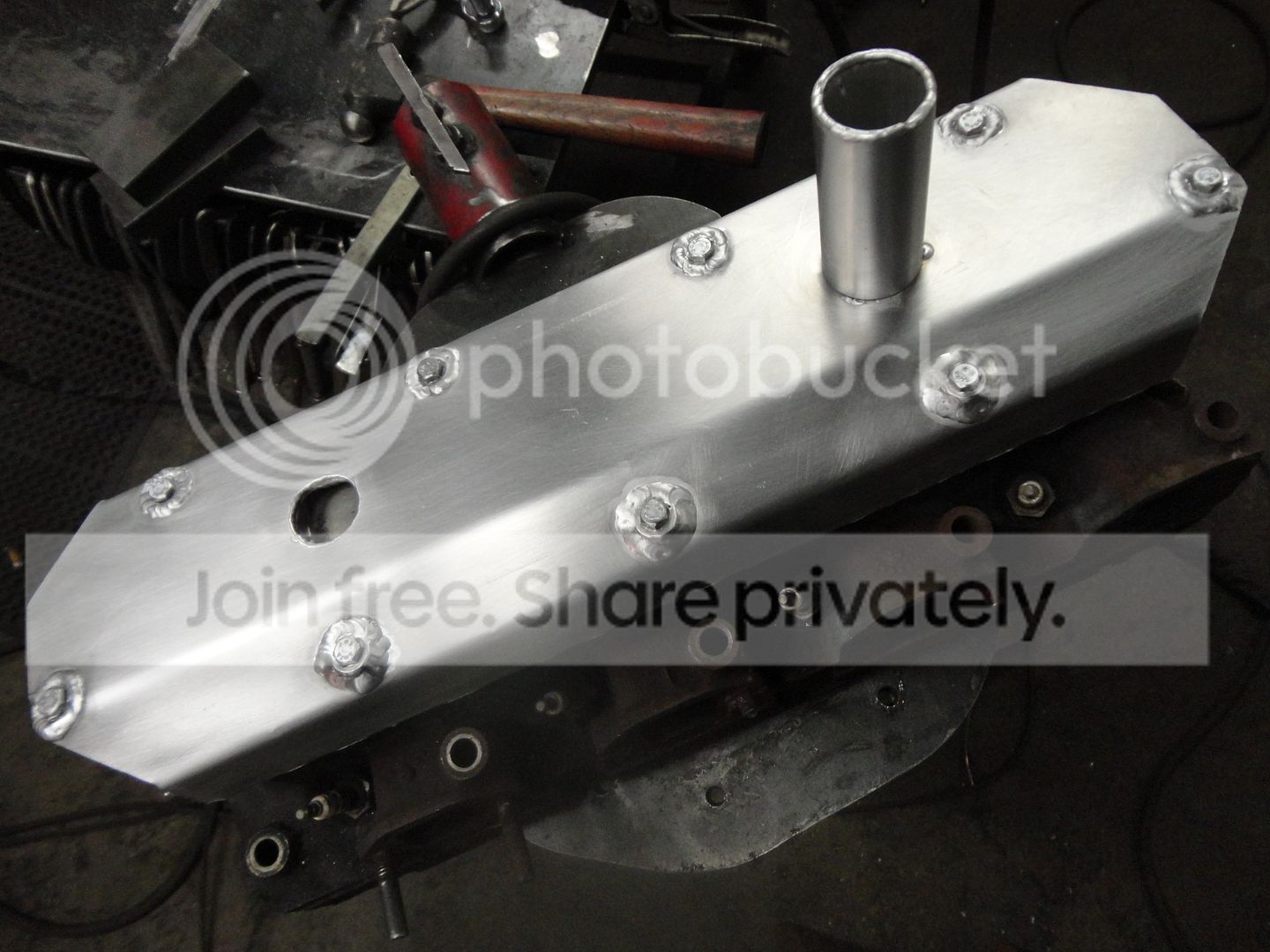
got another step of the valve cover fabrication done.

DSC00647.jpg
 
I may have a keen sense of the obvious, but I can see this taking some tedious hours to get these done.
 
I may have a keen sense of the obvious, but I can see this taking some tedious hours to get these done.


First one will for sure be a bit on the slow side. Second one should be quicker by comparison. Thankfully they will be identical with the exception of one breather tube on the first one.
 
what did you come up with for PCV/ and venting/breathers?
 
what did you come up with for PCV/ and venting/breathers?


I'm gona try the crankcase ventilation to the exhaust. A single breather/fill tube on the pass. side valve cover.
 
those only work at WOT type settings, otherwise not enough exhaust flow to create any kind of suction on the tubes.
 
Yeah if you use the exhaust deal it may have give you the opposite effect with a fulll exhaust. I've only ever seen is used on open headers because there is zero backpressure and at high exhaust velocity it creates a vacuum on the way by the tube. But if there is any backpressure at higher RPM it may just push exhaust into your crankcase.

The valve covers are going to be sweet Kert.
 
Yeah if you use the exhaust deal it may have give you the opposite effect with a fulll exhaust. I've only ever seen is used on open headers because there is zero backpressure and at high exhaust velocity it creates a vacuum on the way by the tube. But if there is any backpressure at higher RPM it may just push exhaust into your crankcase.

The valve covers are going to be sweet Kert.
A high flow exhaust system is required. my mufflers are a straight through design so they should work for this type of system.
 
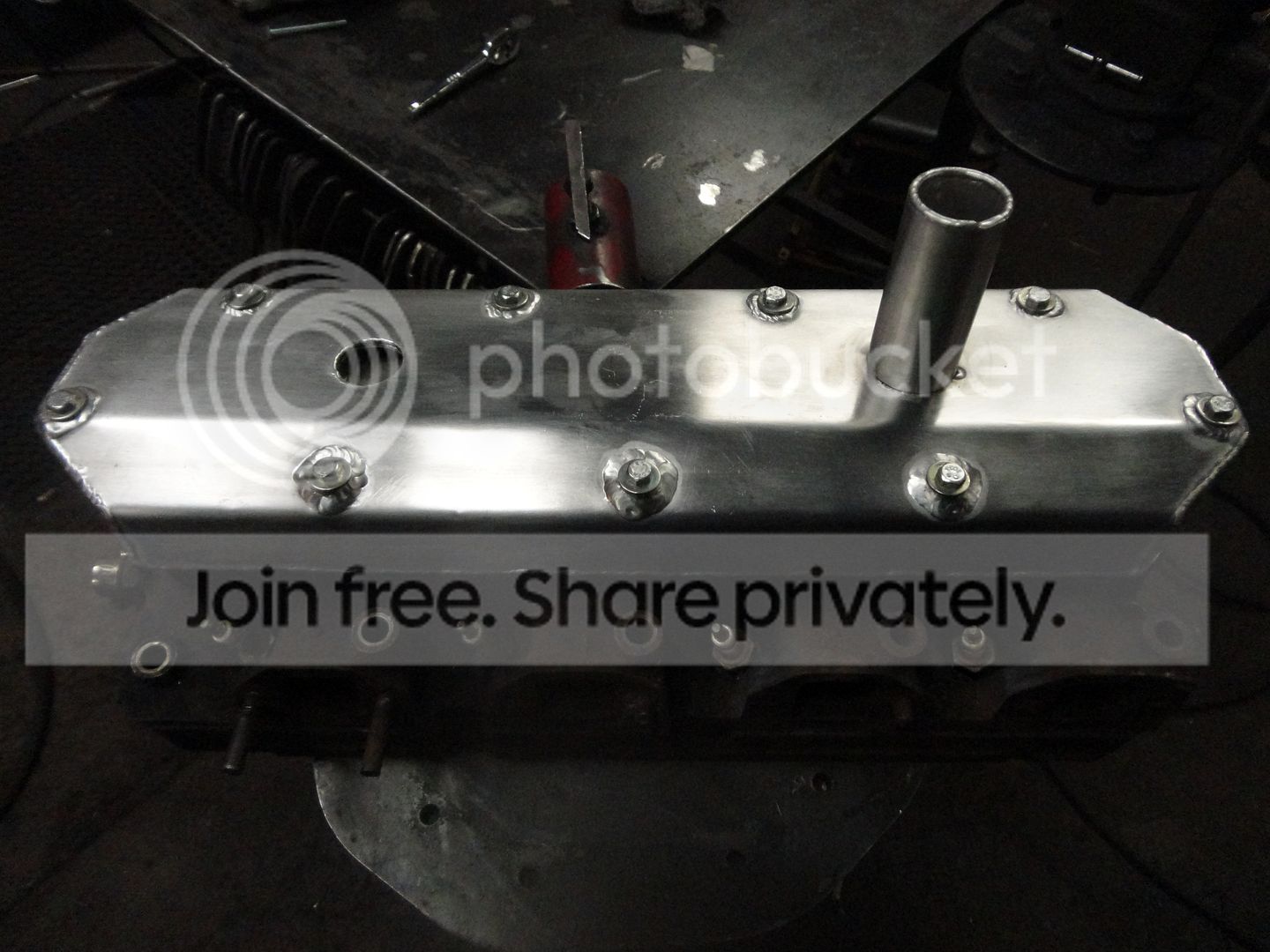
Took this morning to get back to the valve cover project.

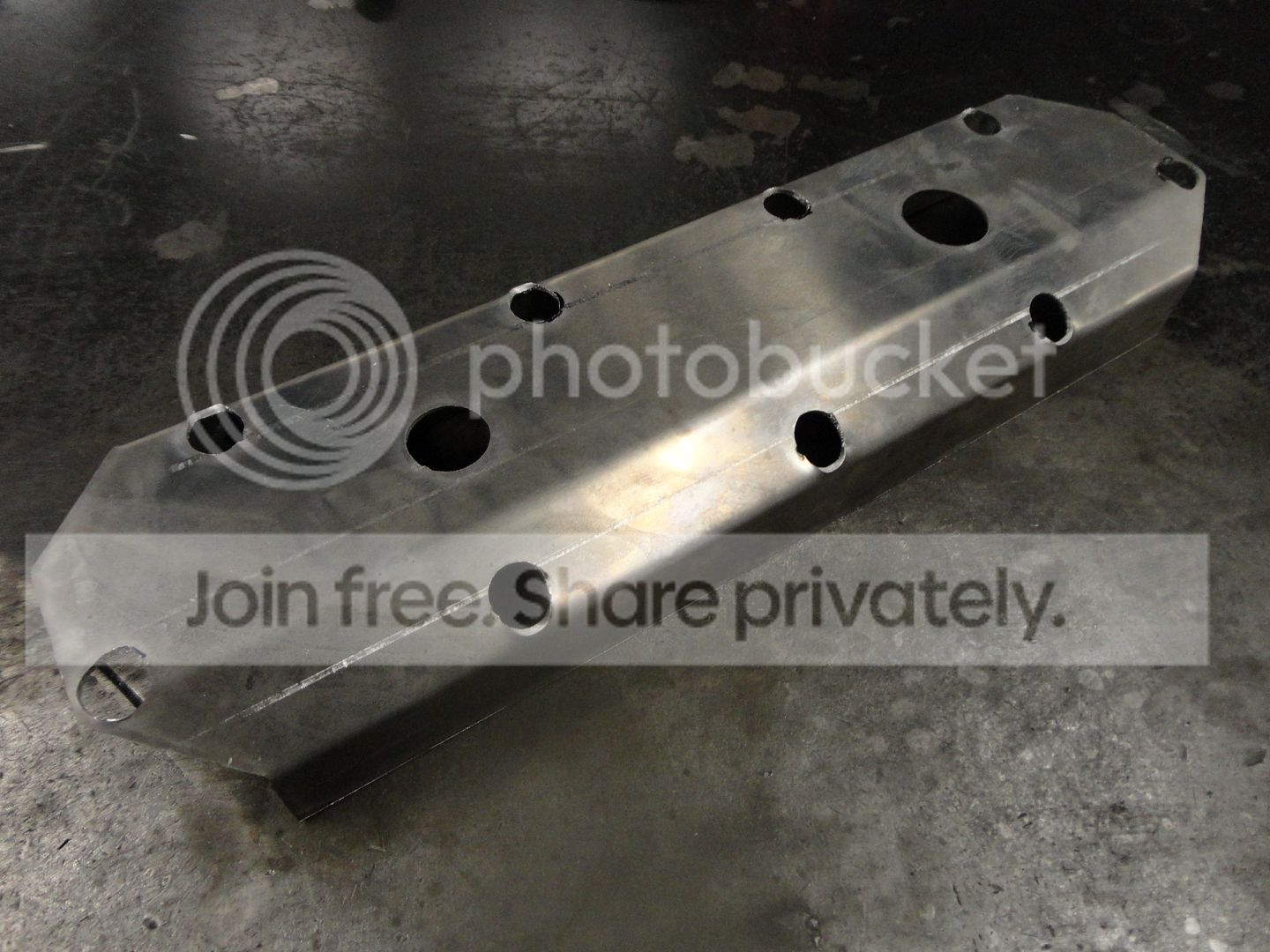
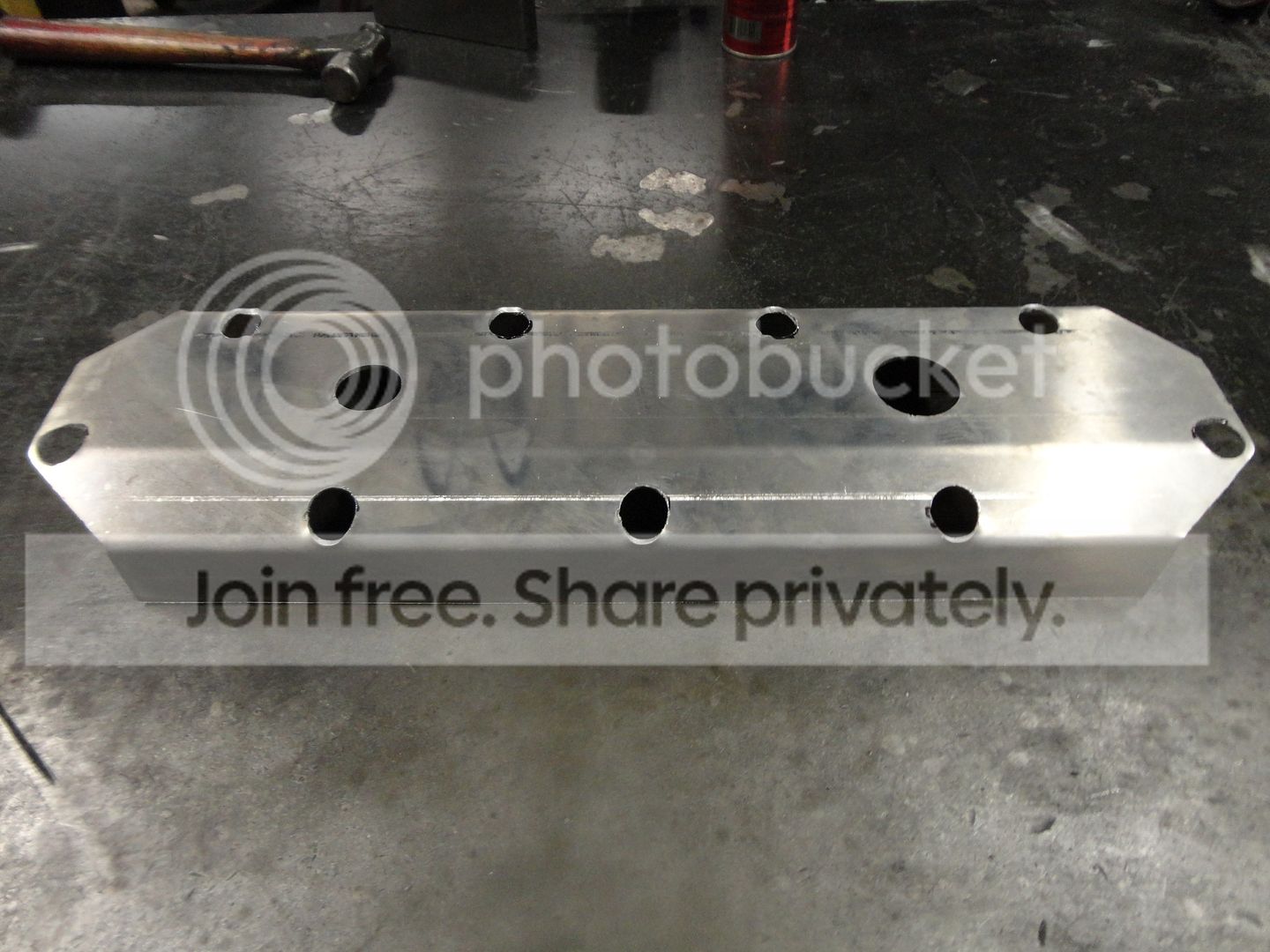
Next step was the main cover piece.

DSC00815.jpg


DSC00816.jpg


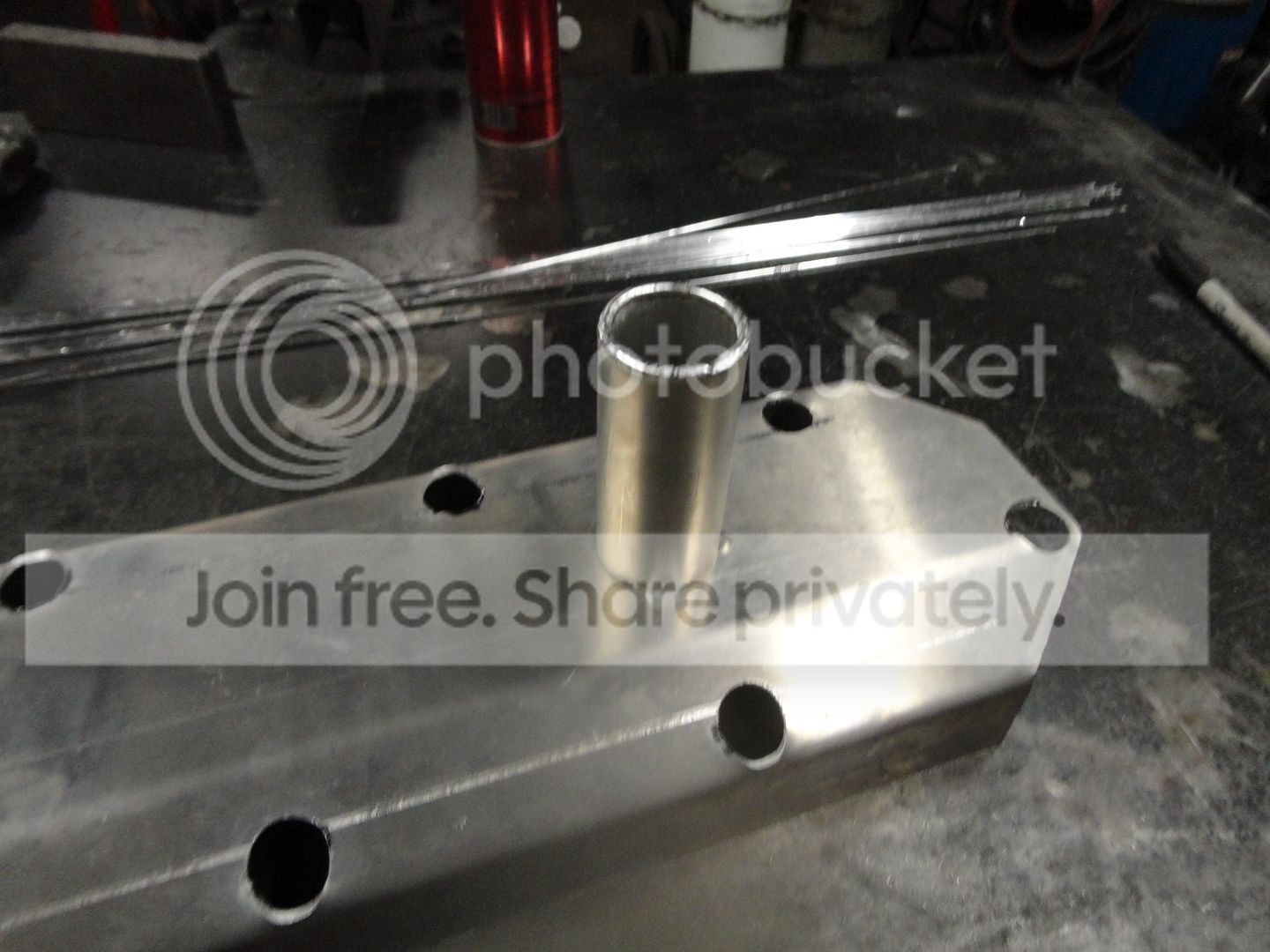
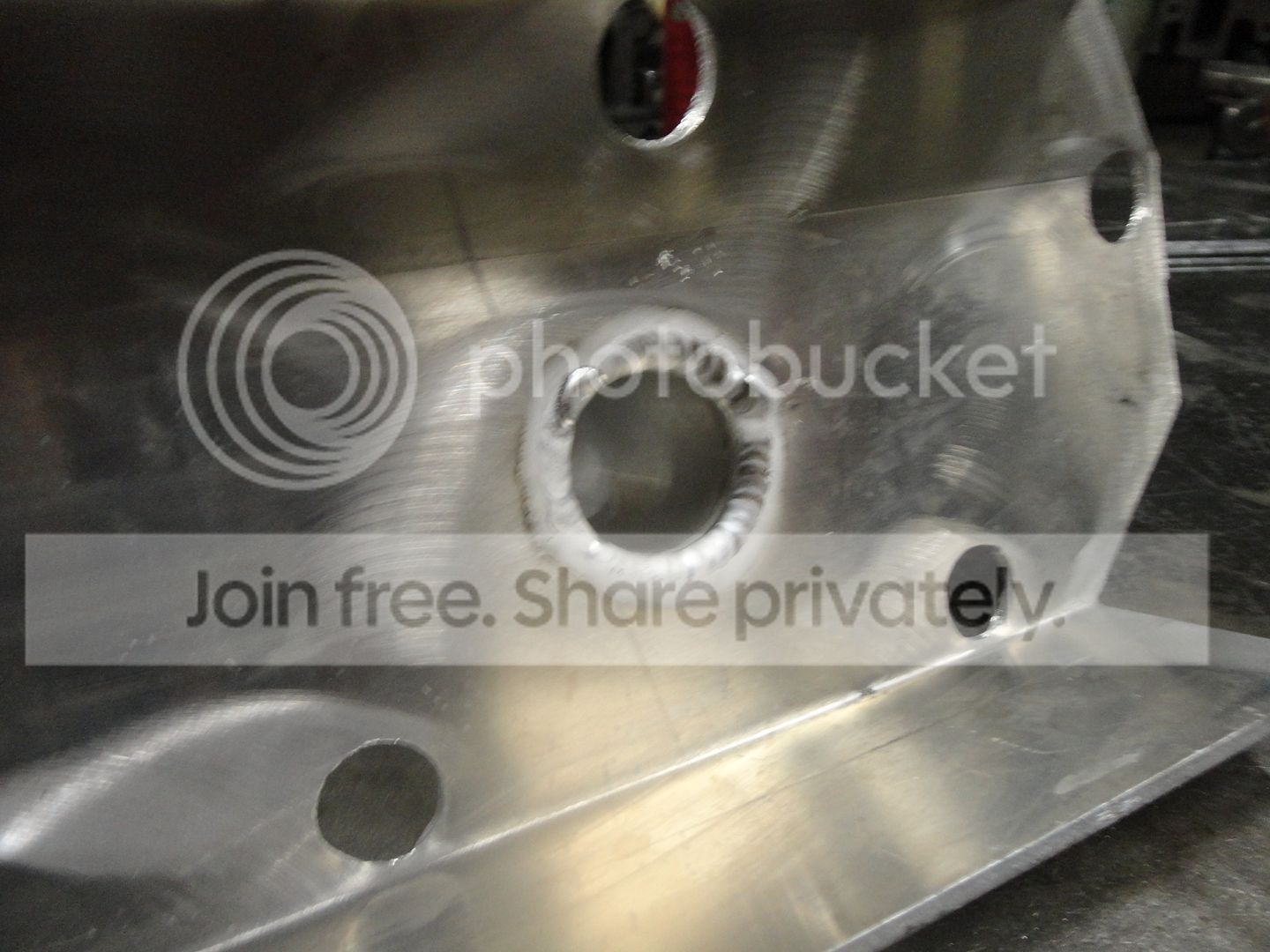
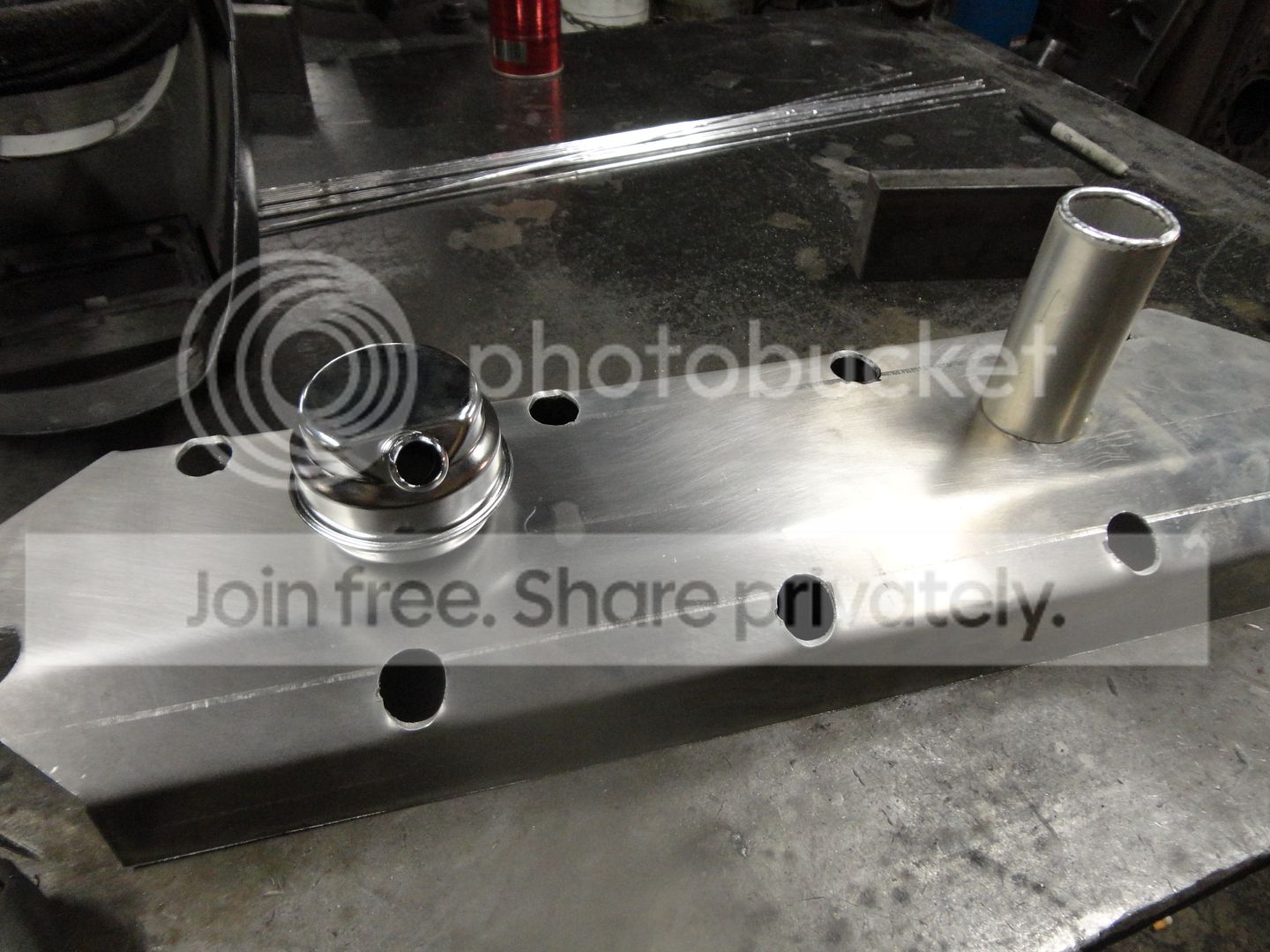
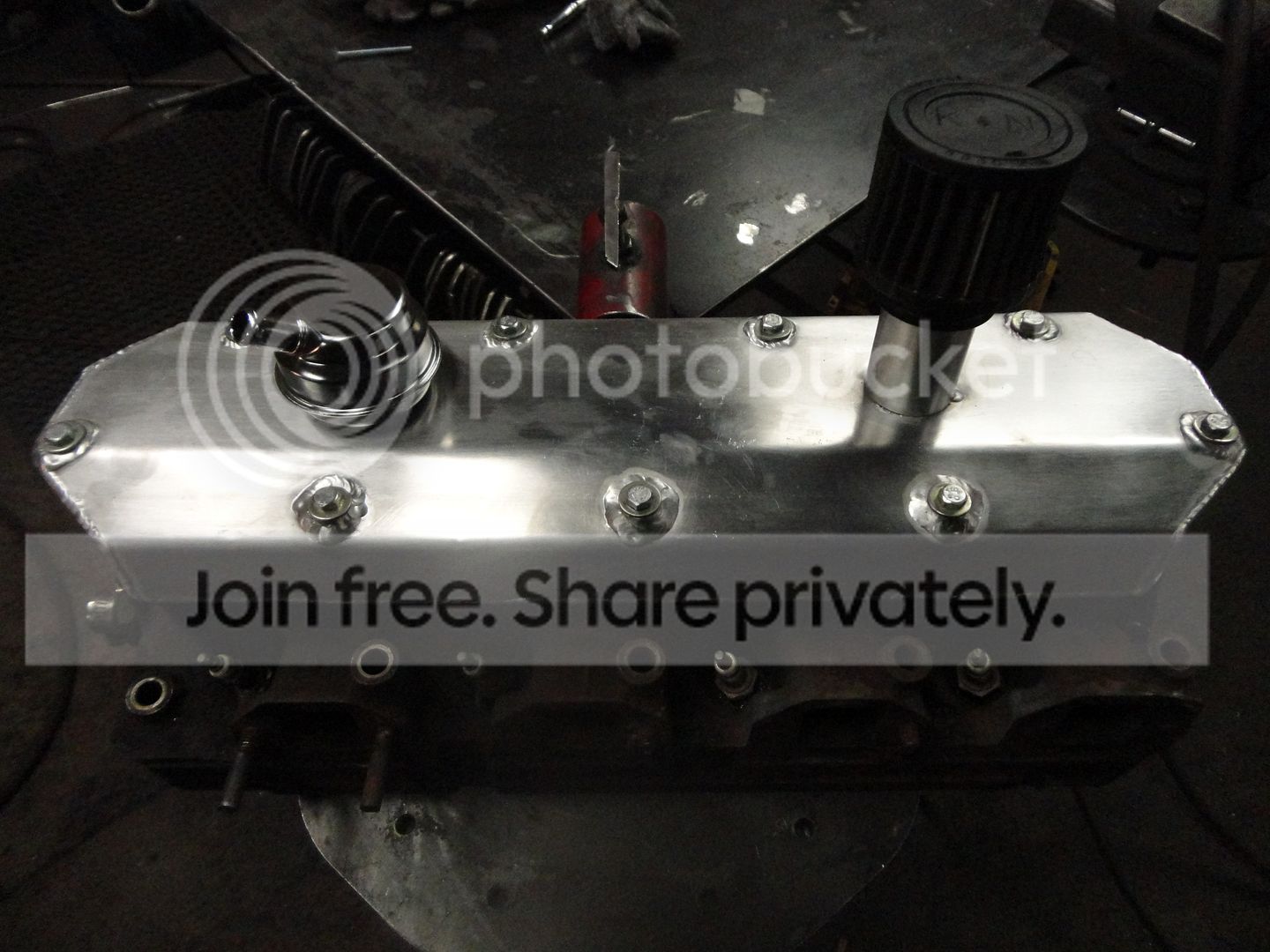
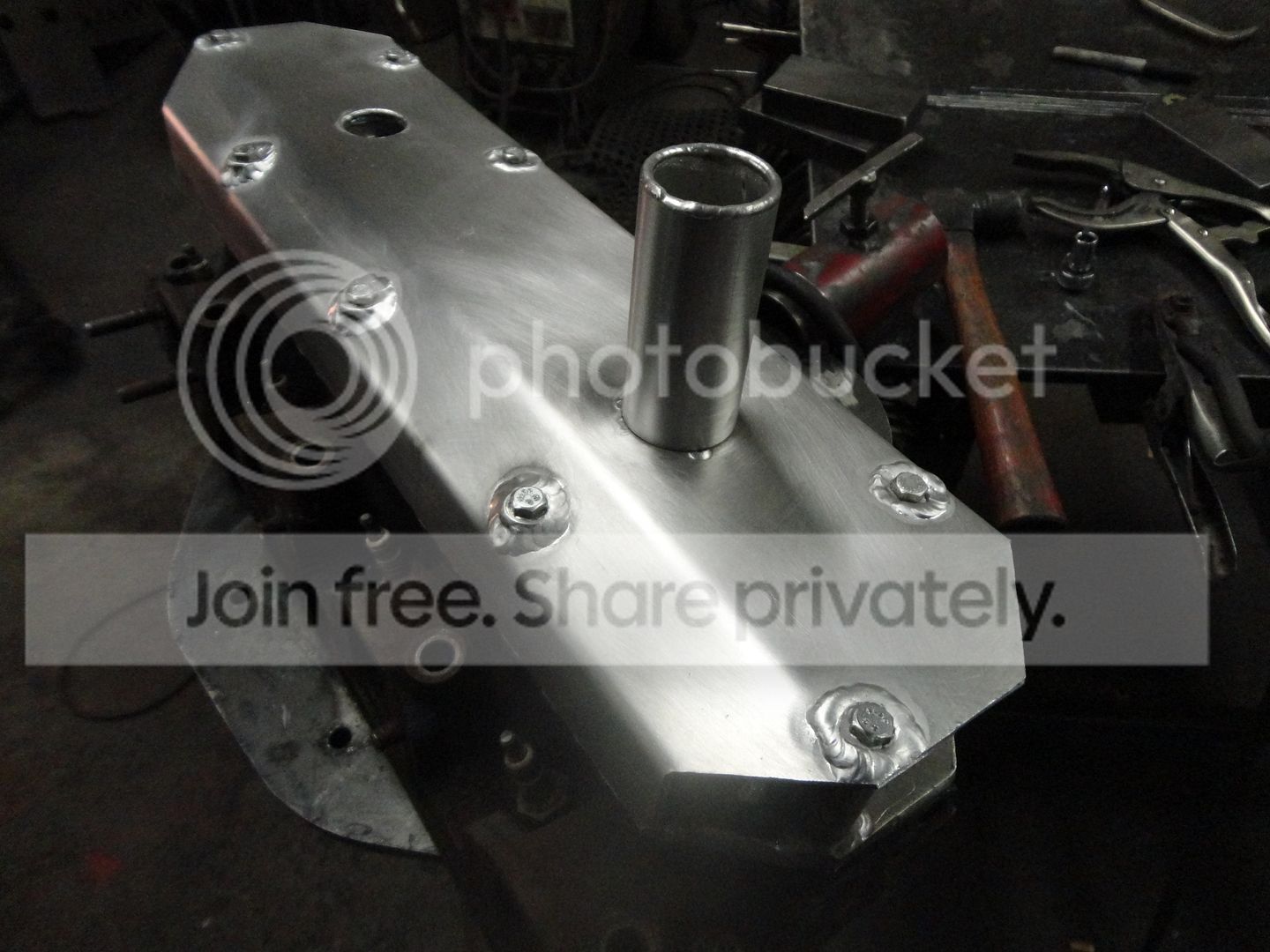
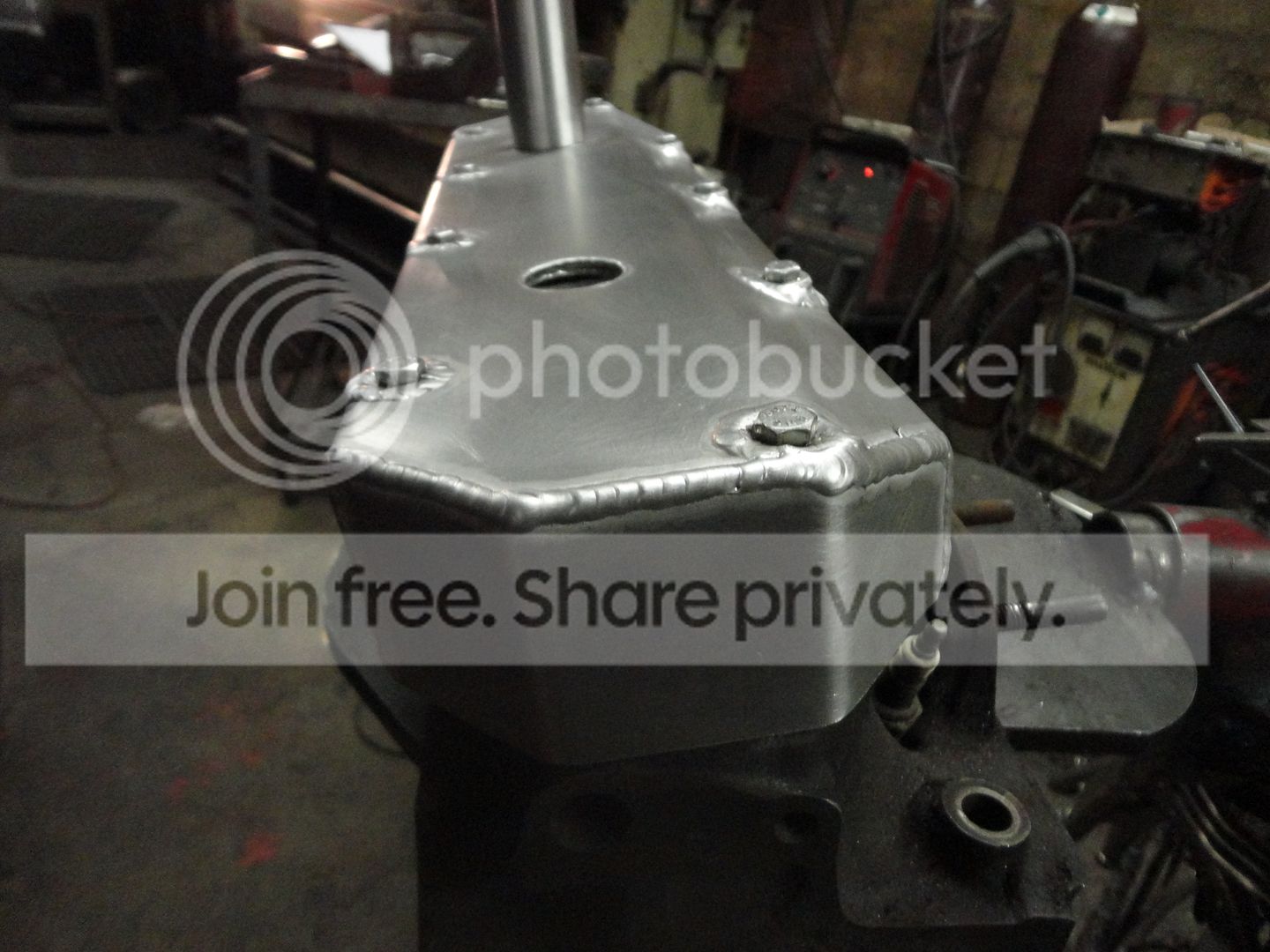
This is the oil fill and breather. Same configuration as the previous valve covers. Top of the tube got the tig treatment, kinda ropes the edge to take away any sharp edge. Leaves a small lip to help keep the breather on, sort of like a water neck but a little smaller.

DSC00817.jpg


DSC00818.jpg
 
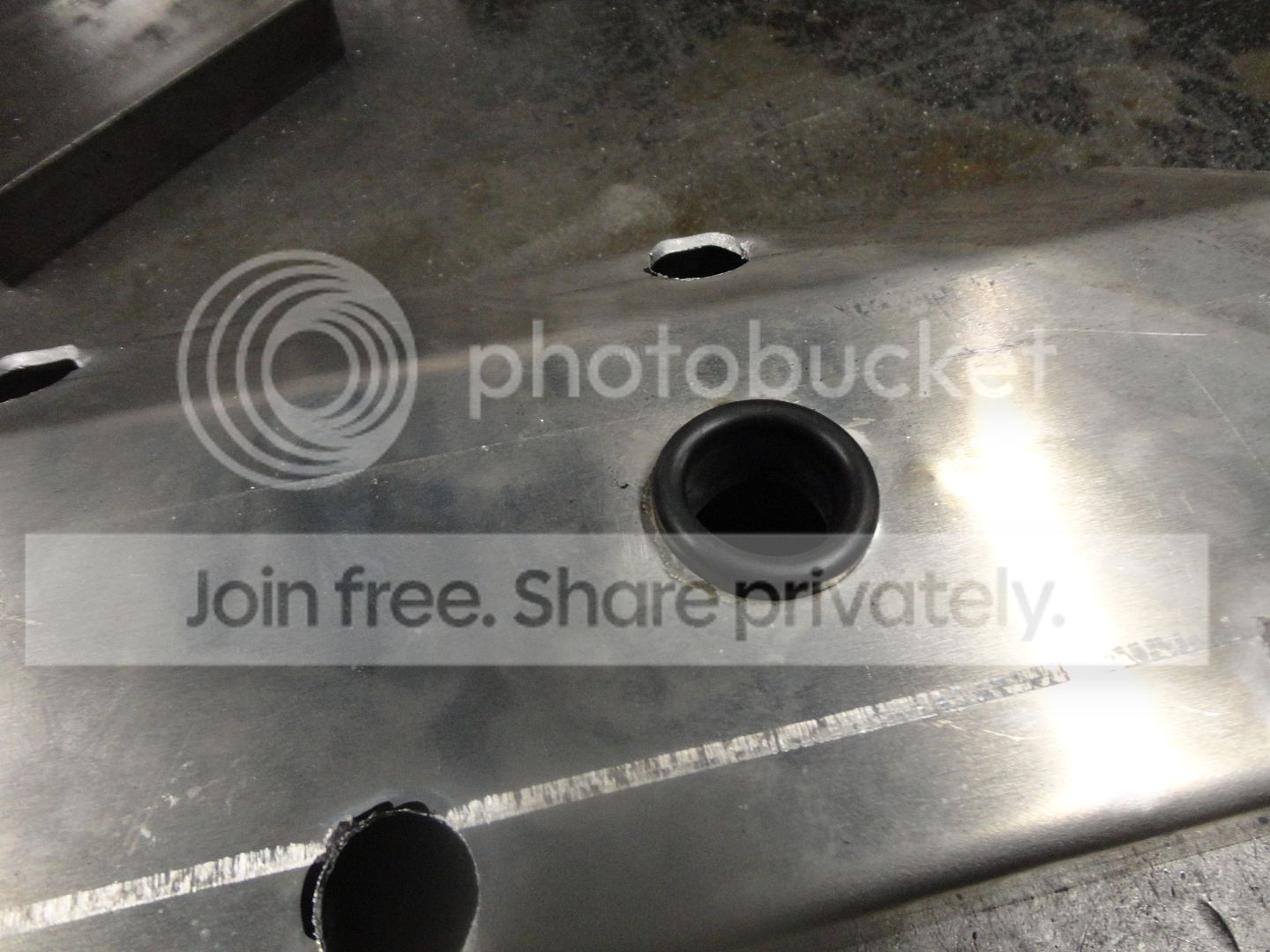
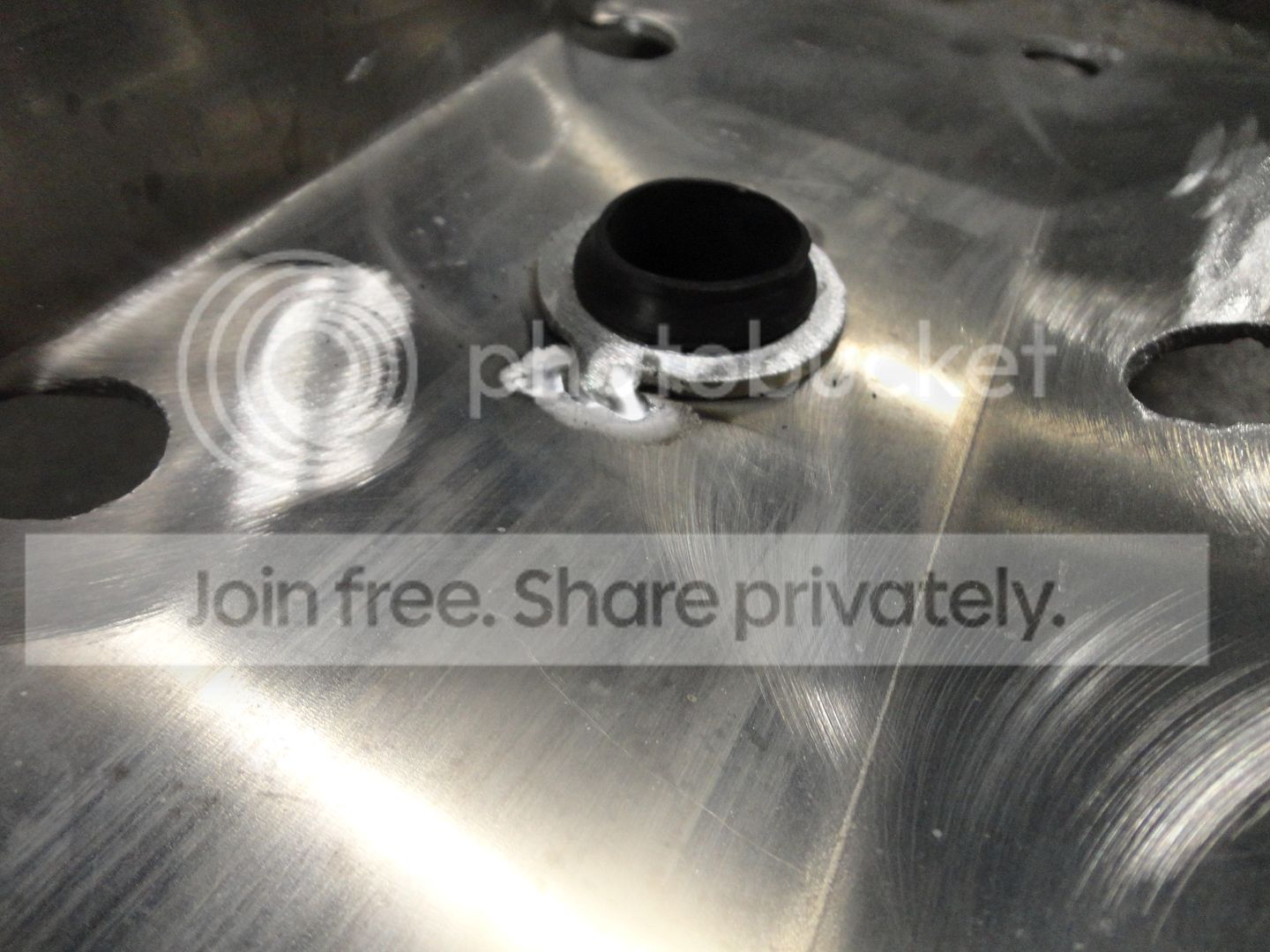
On to the grommet for the crankcase evac.

DSC00819.jpg


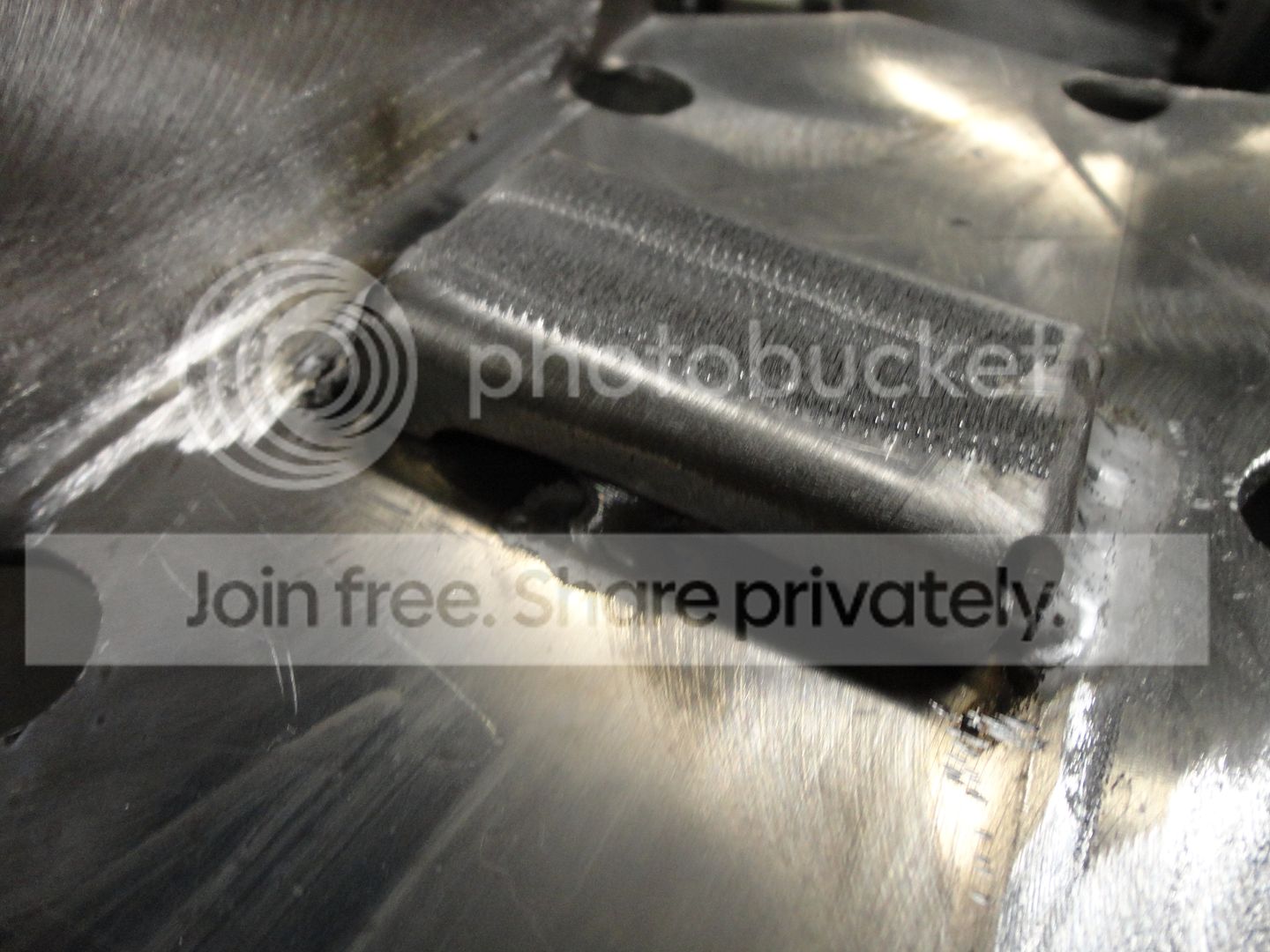
The .125" aluminum is actually a little to thin for the grommet to grab firmly so I added a .125" thick ring on the inside to thicken it up. Just a couple short welds on either side is all that was needed.

DSC00820.jpg


Test fit,

DSC00821.jpg


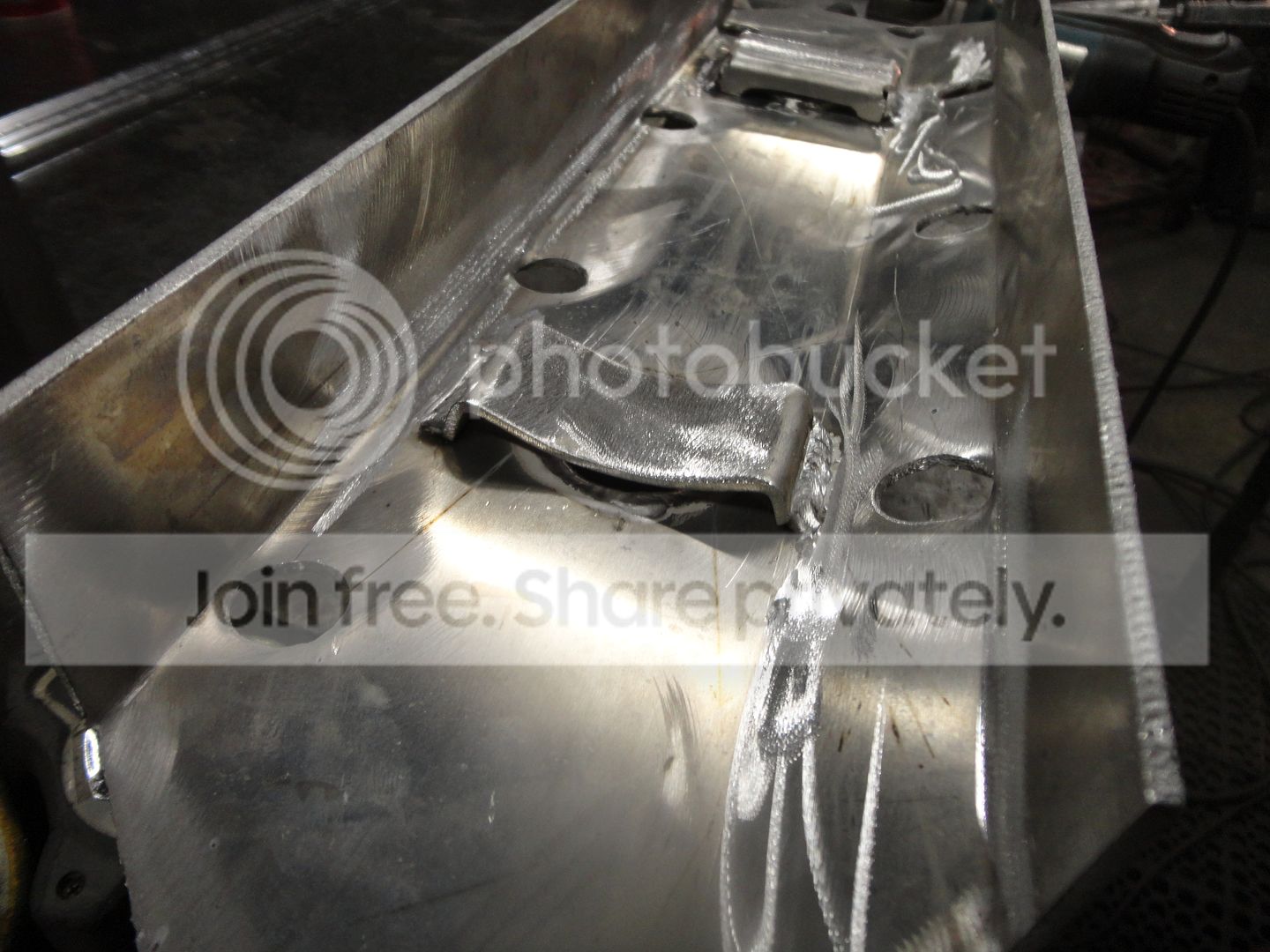
Some baffling,

DSC00822.jpg
 
baffle/splash guard for the fill tube,

DSC00823.jpg


With all the baffling in place, time to put the top and the bottom together.

DSC00824.jpg


DSC00825.jpg


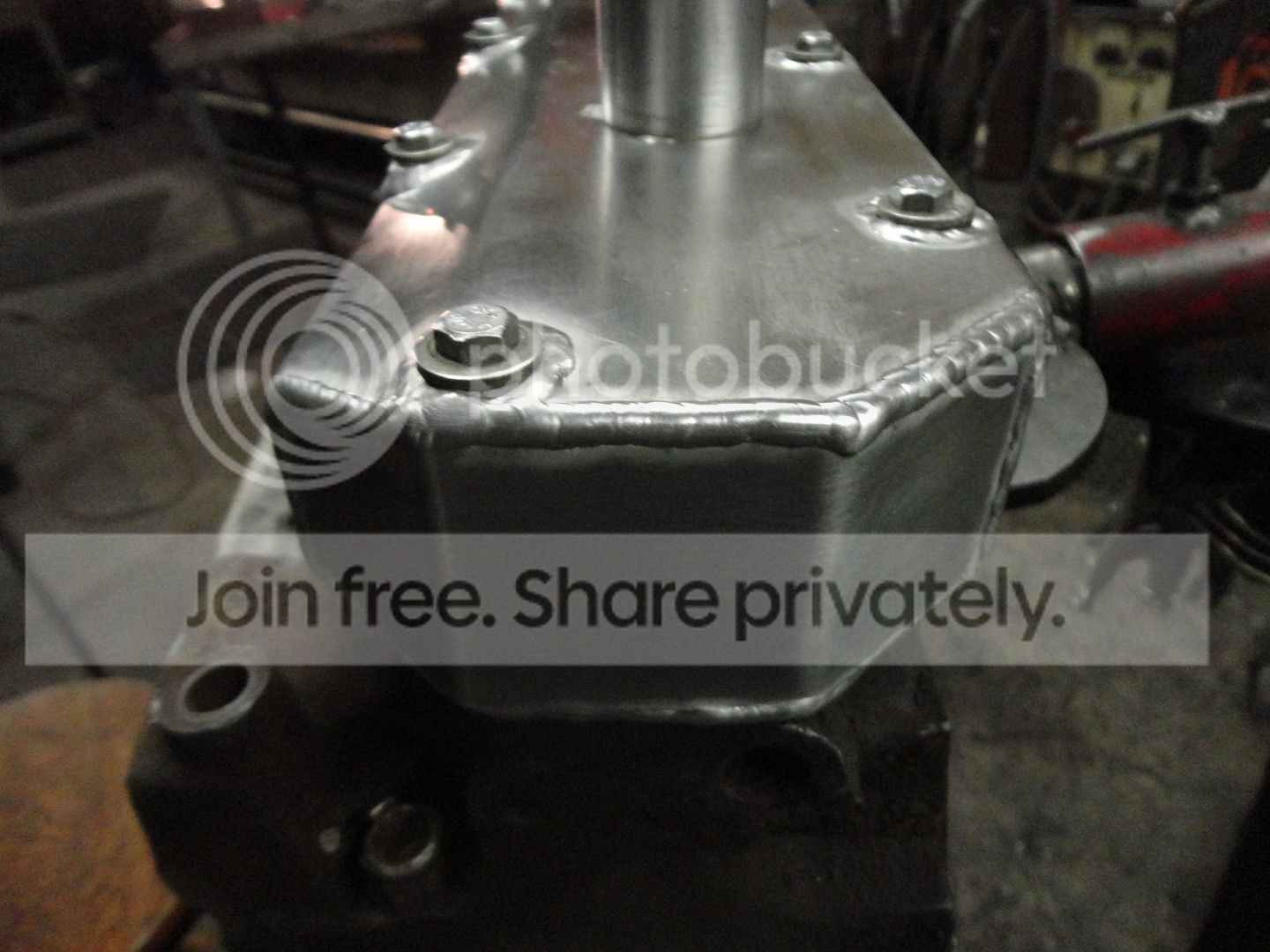
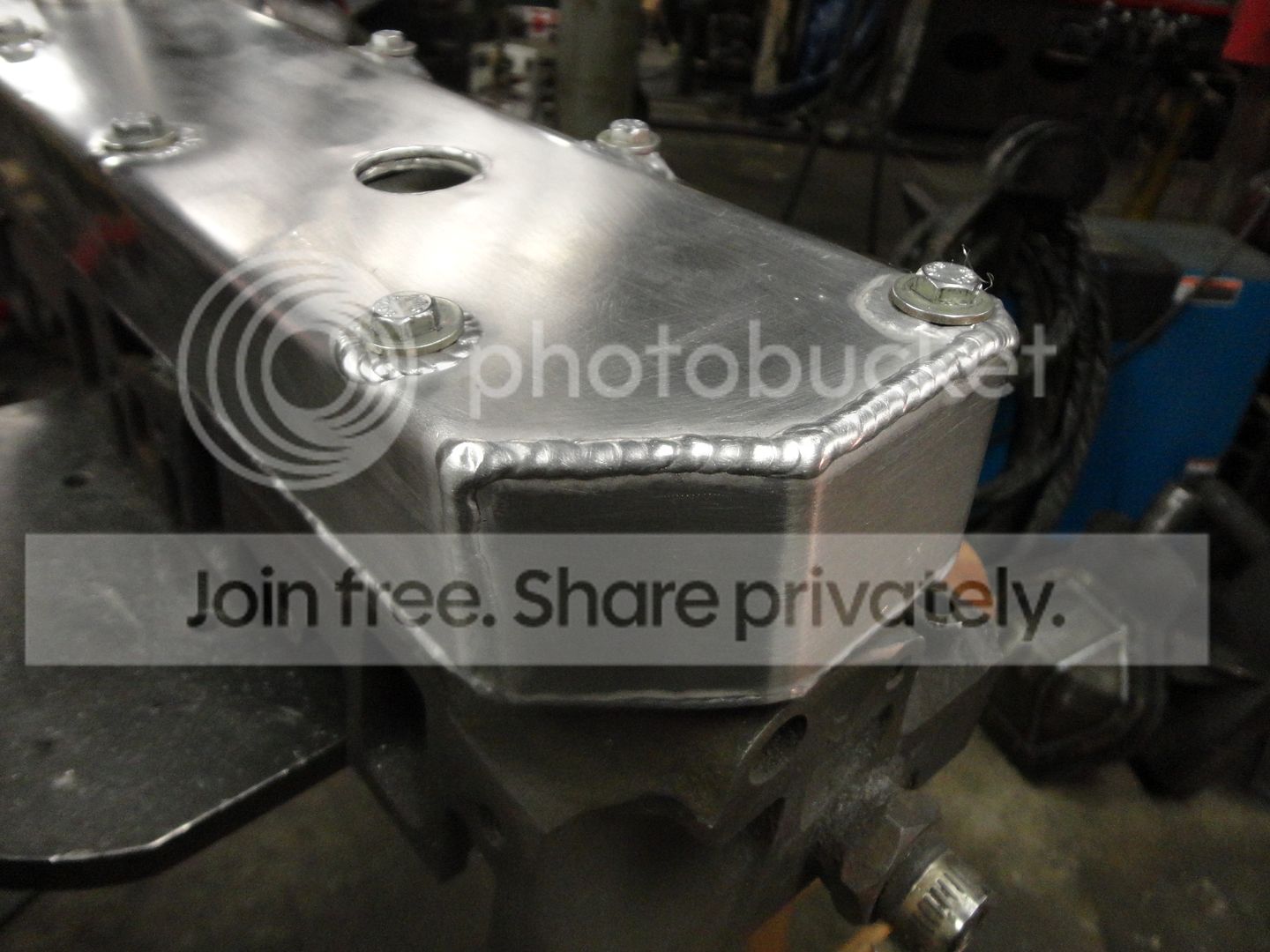
And then the end caps.

DSC00826.jpg
 
DSC00827.jpg


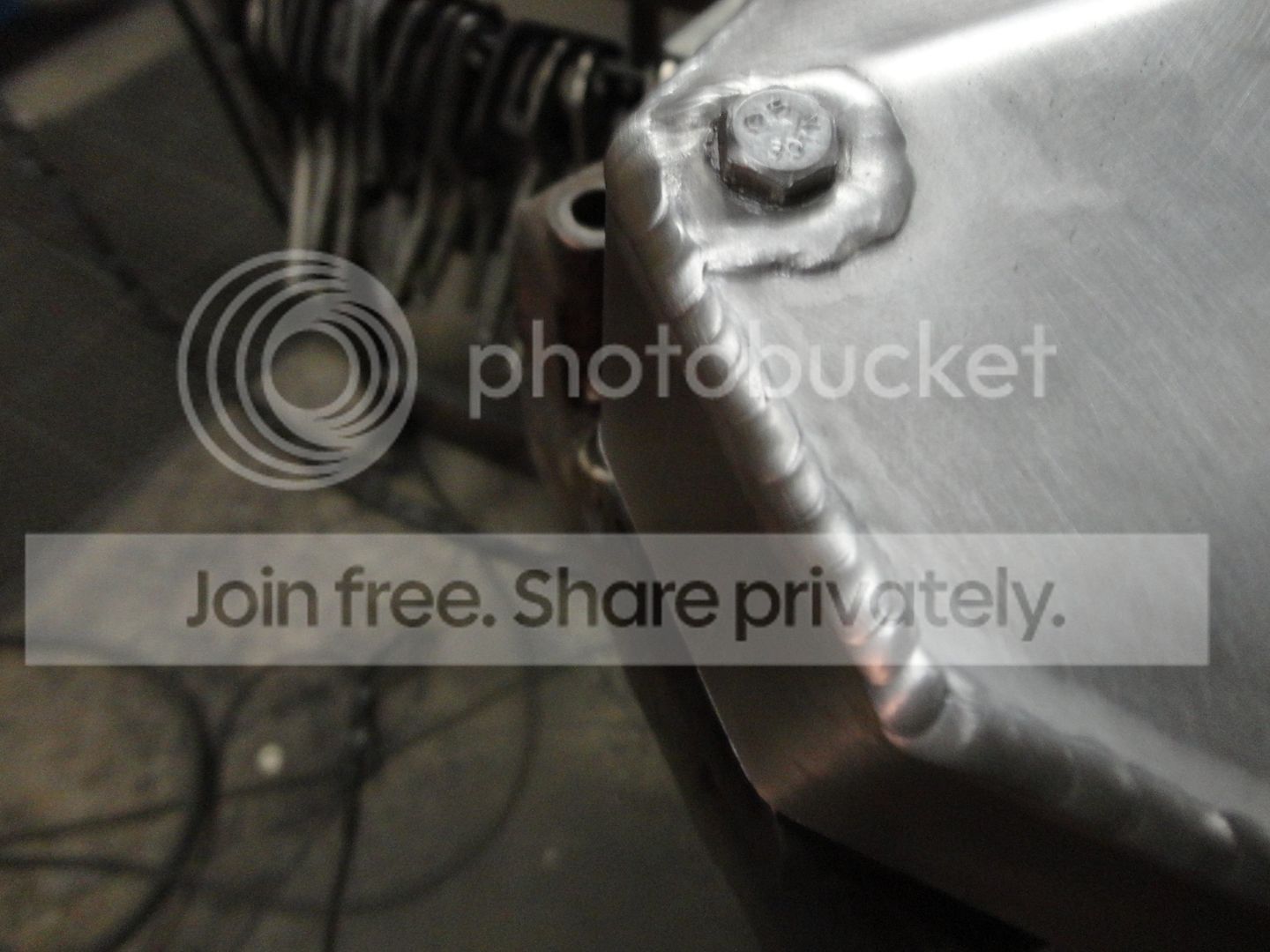
The final welds on the bottom ring were completed.

DSC00828.jpg


After all welding was completed, the bolt holes that were previously very tight tolerance to the 1/4" bolts were opened up just a smidge so the bolts could be started easily by hand and a final test fit.

DSC00829.jpg
 
DSC00830.jpg


DSC00831.jpg


Breathers in place.

DSC00832.jpg


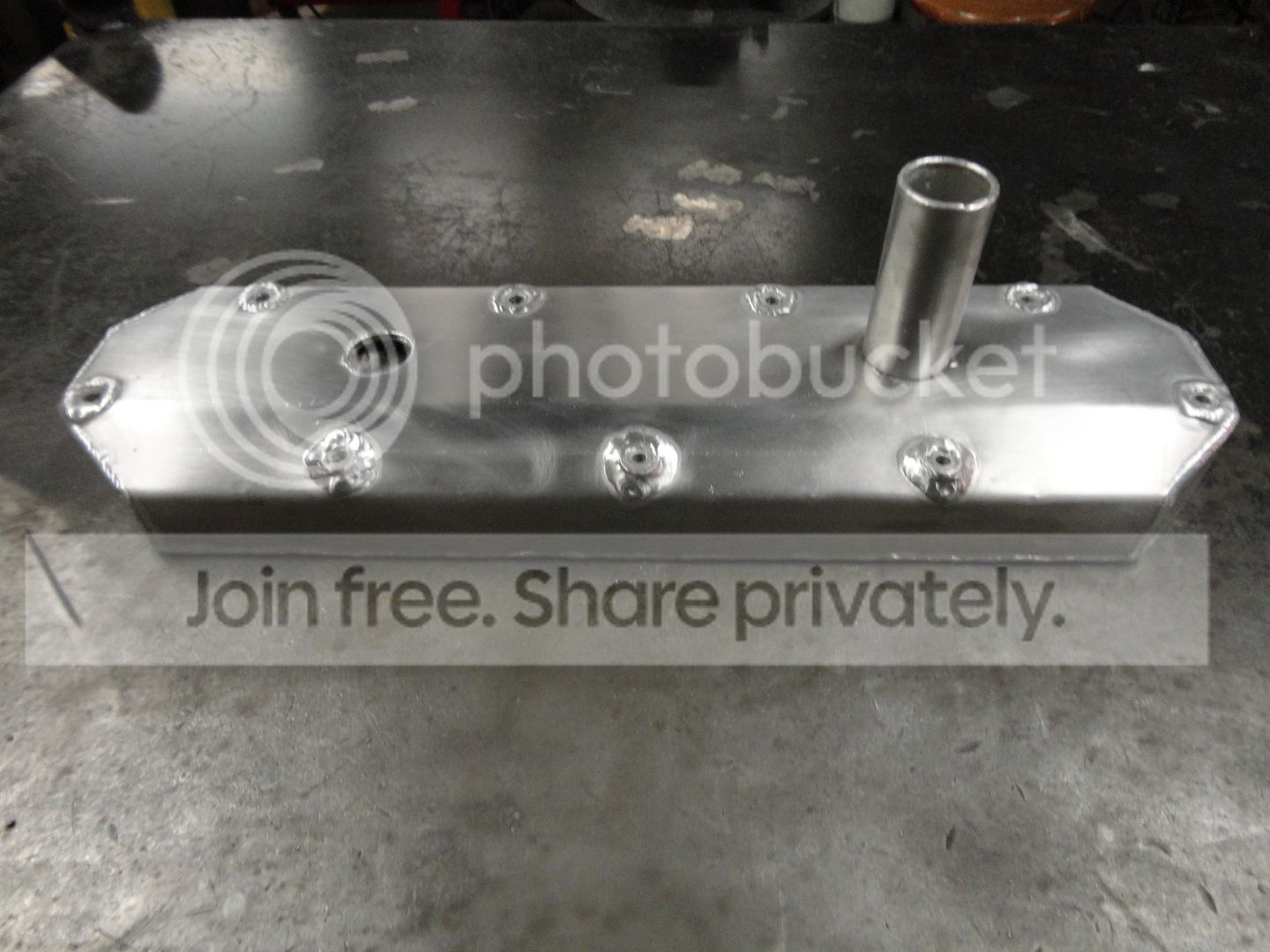
Pretty much finished with this one. Hope to have some hardware in the next couple days so I can get this one installed on the engine. It's the only thing preventing starting the engine again right now.

For a first go at fabricating a valve cover, it'll do the job.
 
Top Bottom