

mini_mull
1/2 ton status
What did Rene do? Pics? Link?


He put his batts under the rear floor, IIRC.mini_mull said:What did Rene do? Pics? Link?


BIGBLAZE433 said:He put his batts under the rear floor, IIRC.

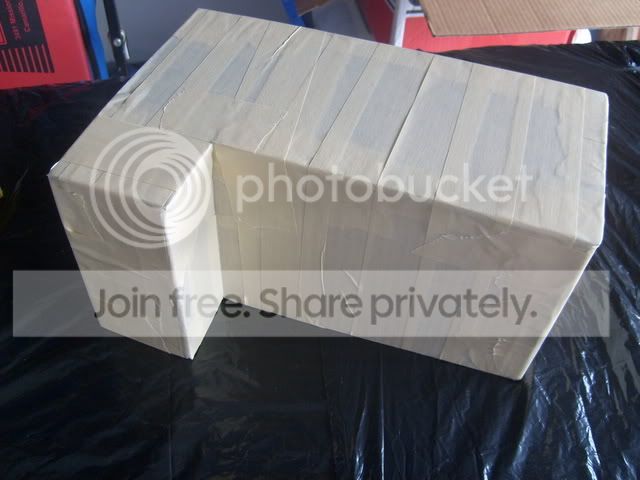
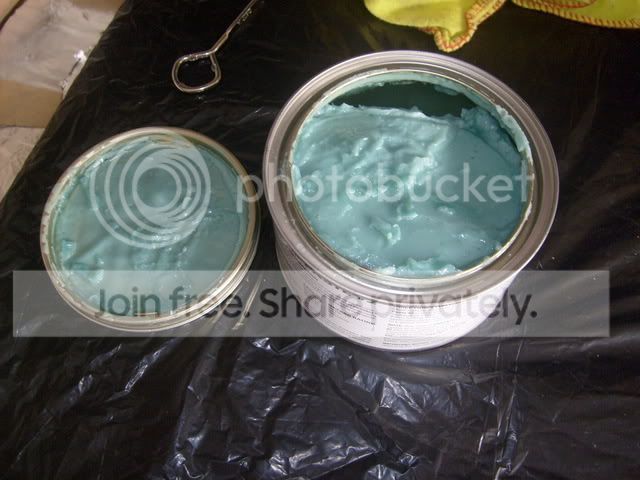
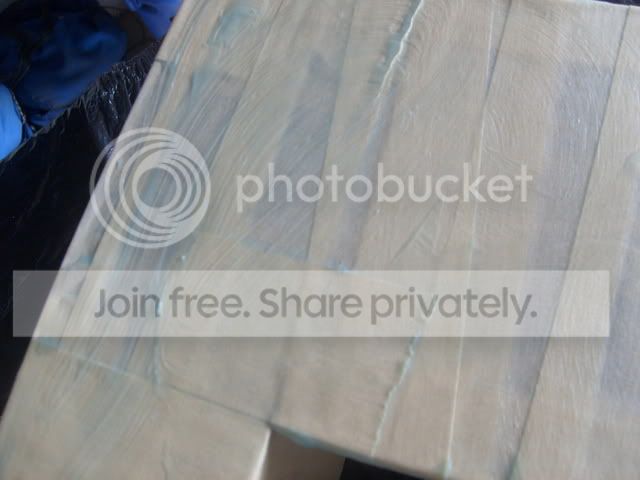
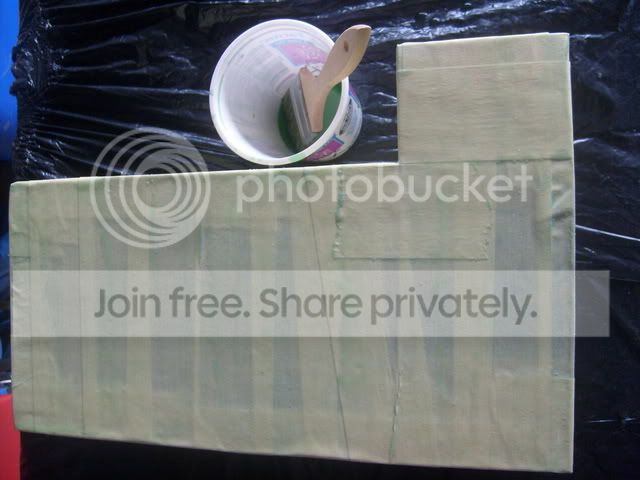
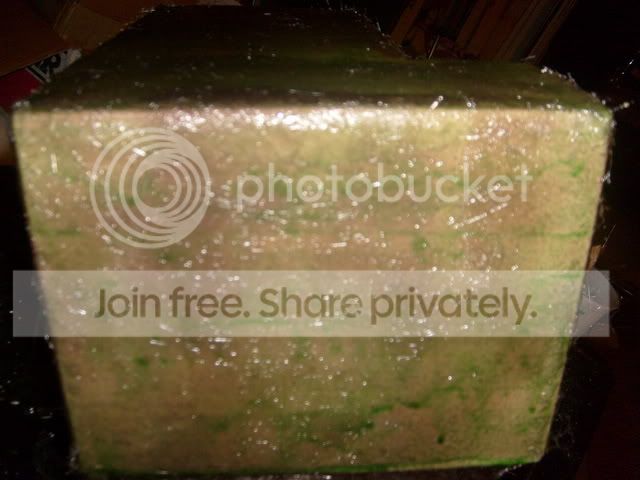
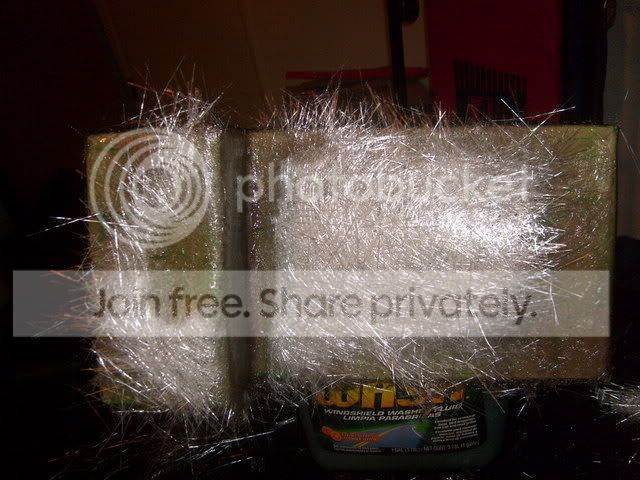
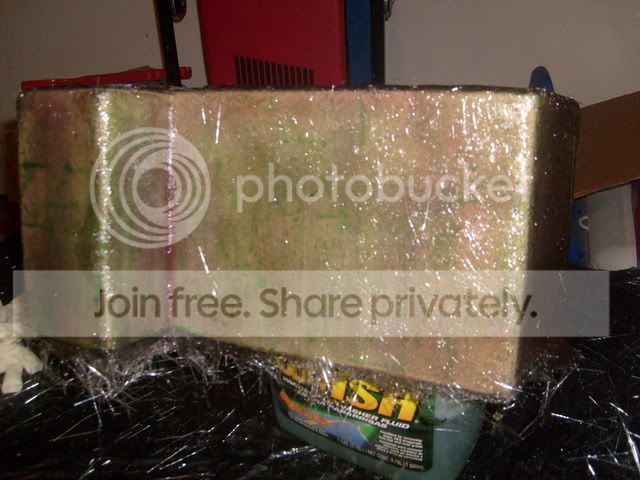
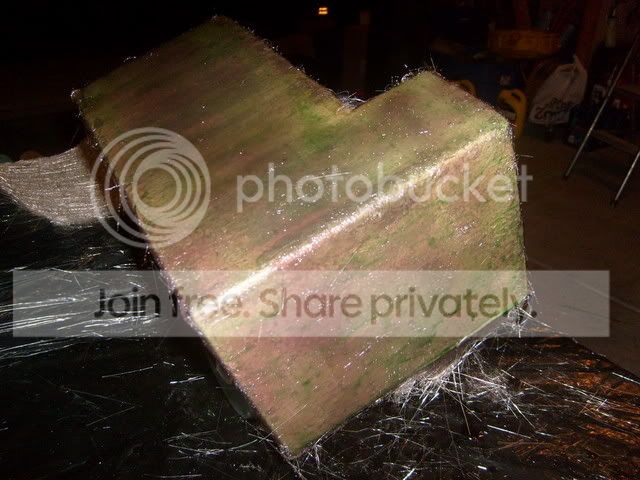

 Looking good Kristie...
 If it didn't smell, get you sticky, etc, it would actually be fun to do...
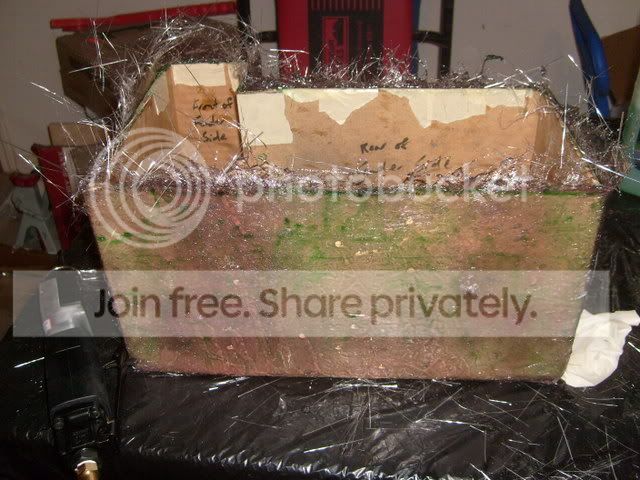
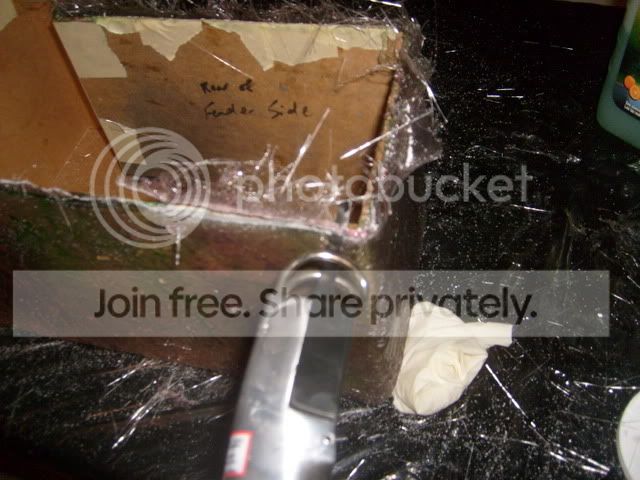
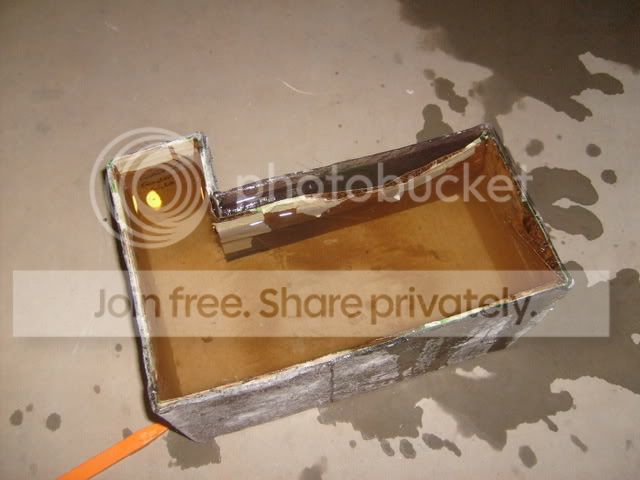
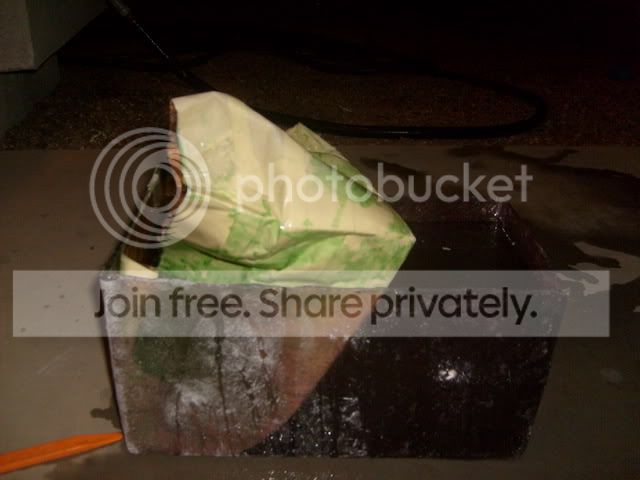
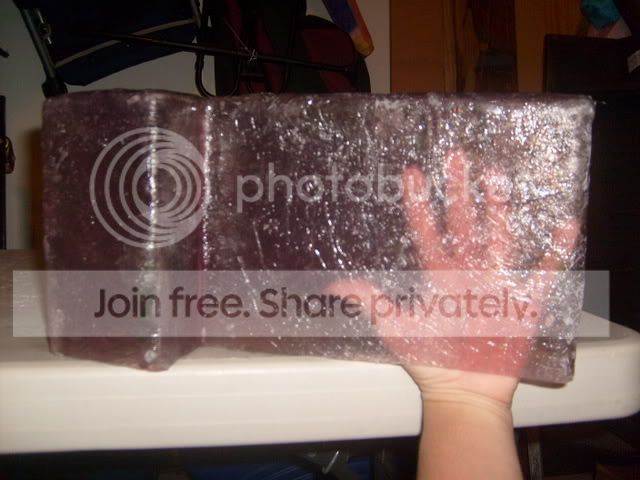
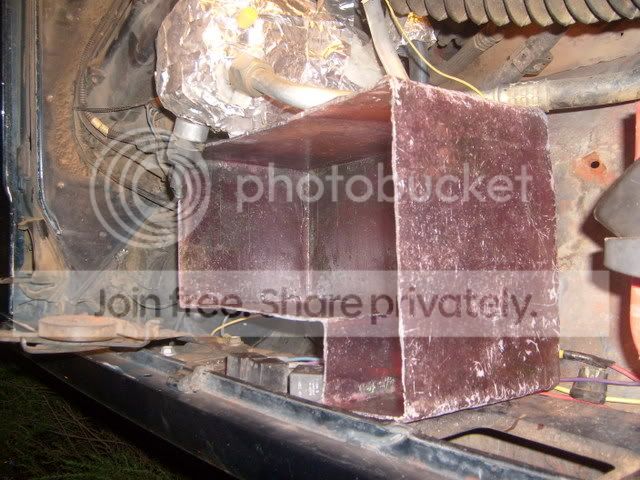
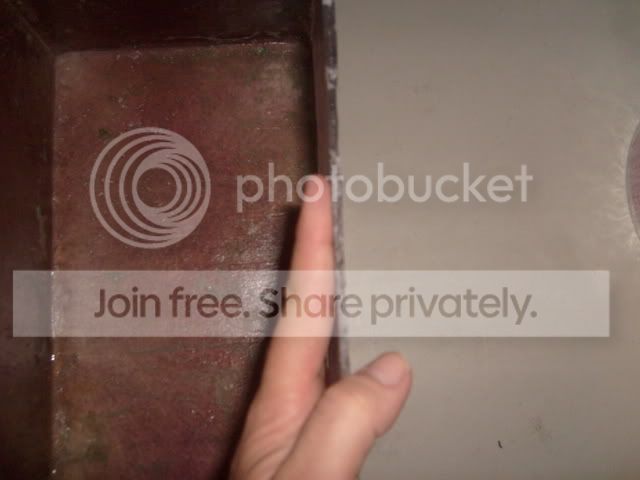
 No problem!! I love this stuff. Strong, can be made into any shape, and translucent. If I was a little better at it, I'd probably leave it without a finish so you could see the stuff inside, but the outside surface is pretty rough, so I'll probably smooth a little filler on the outside and paint it. I'm convinced using this method I can make battery boxes that are more than strong enough, so I'll be taking that on next. BTW, from now on I'll be laying the glass in the driveway. This stuff is a mess. I'll probably still be finding fibers in the garage months from now.

What grain should I sand with and what should I wipe it off with after sanding? Anything else before laying more glass on top? I'm going to test fit back in the burb before more glassing too, JIC I need to add to the inside instead of the outside. If I do need to add on the inside, is there anthing special I need to do to make sure there is no wax or PVA residue?
ryoken said:Nope sounds like you've got a good handle on it...
I hope you don't mind Kristie, but in response to Jek commenting that my pm tech get out in the forum to help all, I'm gonna post up that pm I sent you being that it may answer some of these earlier questions, for anyone elses benefit..
i'll start at the beginning... first scrub the piece down with hot soapy water.. a nylon bristled brush or scuff pad works good for this... this will remove the wax and pva residue...
then what you really want to do on a fill coat is eliminate as much as possible any shiny areas, which will be the low spots...
as you take a sander/grinder to it for a minute or so, you will see the upper areas get dull as they get cut, but the low areas will remain shiney.. well, those shiney areas are the potential probs, due to poor adhesion...
you should at least hit it decently with a sander/grinder to knock down the top stuff and have say at least 50% of the surface get cut... at least...
at that point, you can get away with just wet or dry scuffing the area with a course scuff pad.. this will cut that shiney low stuff to give it an etch...
80 grit or lower is the approach... you want some heavy scratches for the mud to stick to... you can just rewash it with soapy water, let dry, then fill... you can also use denatured in the damp towel/dry towel method in lieu of washing it..
ryoken said:If your willing to go with a catalyzed primer, Duponts Nason Urethane primer is a very economical product.. about $80 a gallon including hardener... You don't have to spray it, but obviously thats recommended..
Evercoat makes good fillers...
Iceman - sanding varies on whats going on with the old surface... it varies greatly... generally you want to prep for primer with something in the 150 to 180 range grit-wise.. But how much needs to be removed, well that depends.. Condition of gelcoat, whether its got paint on it, porosity, etc, etc.. pictures certainly would help...
Not 100% sure what you mean with the edges wedge gig, but I think I know what your talking about.. And yes, you generally want to chamfer them slightly or at least drag some sandpaper over them... Main reason being it will help prevent burning thru on future procedures, whether sanding the primer or sanding and buffing...
damage repairs can be tackled MANY ways... really depends on the area and what kinda strength your gonna need.. anything from V-ing cracks, to a channel grind.. repairs can be anything from polyestered cloth or mat to a reinforced filler.. once again, pics would help...
feel free to contact me on any particulars...


