I received about 4 messages lately related to the fuel system so I guess it is time to add fuel delivery to this thread.
Fuel System:
Plumbing the L18 fuel system is not much different than doing an LS engine swap. Earlier in this thread I mentioned the L18 came with two different fuel rails over its life in service. The 2001-2003 engines had two fuel lines connecting to the fuel rail (Supply and Return). The 2004-2010 L18’s only had a supply line due to GM making changes to the fuel system across the board on all GM engine to meet the new evaporative emissions changes for 2004. While it is nice to only run a single line on the later engines, I prefer the earlier fuel rails as they have an adjustable regulator built into the fuel rail (L18’s love higher than stock fuel pressure so it is nice to be able to easily adjust it on the fuel rail). The later engines fuel pressure was regulated inside the fuel module inside the fuel tank. There are ways around plumbing returnless systems by using Corvette pieces but I do not have the experience with doing one myself to speak to it. If your plan it to use a returnless fuel rail GOOGLE is going to be your friend.
This is how I did mine.
Used an AC Delco EP381 fuel pump mounted to a 1987 truck fuel sending unit. This fuel pump is a high pressure pump (62 psi) for the early Vortec engines (1996/1997) and has the same foot print as the TBI fuel pumps. (I mentioned 62 psi, but this pump is capable of much higher pressures if you wish to adjust the regulator higher. I had one peg my fuel pressure gauge at 100 psi by accident once

)
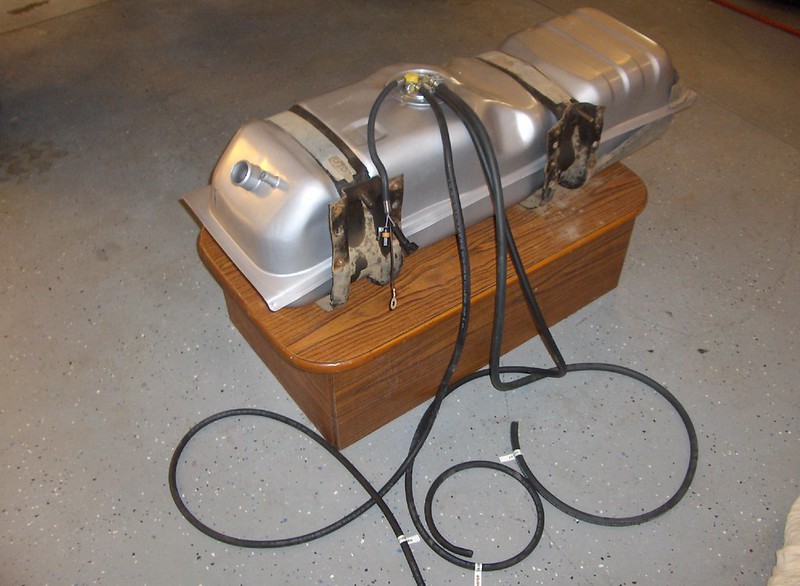
1987 Fuel TBI fuel tank. The TBI fuel tanks are different from the older carb tanks.
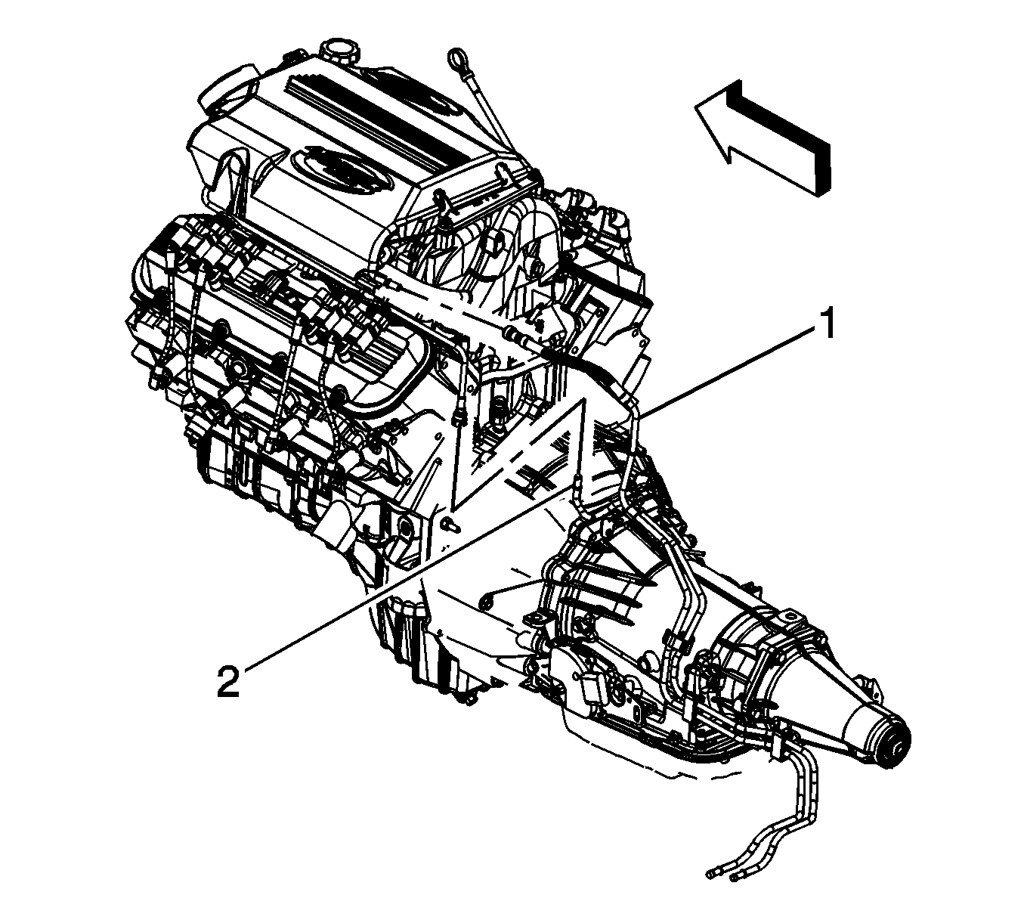
Fuel lines - (No pictures of these). I used supply and return fuel lines for a Workhorse RV application. These are really nice high quality steel braded lines about 4 or 5 ft. long with quick connect fittings on both ends. You will need to get creative with connecting the quick connect fittings to the lines on the frame. I used a GM fuel filter with a built in quick connect fitting (late model Silverado application) then made up something to connect the quick connect fitting on the fuel line to connect to the frame line. The Workhorse part numbers for these lines are W0000539 Supply, W0000540 Return.
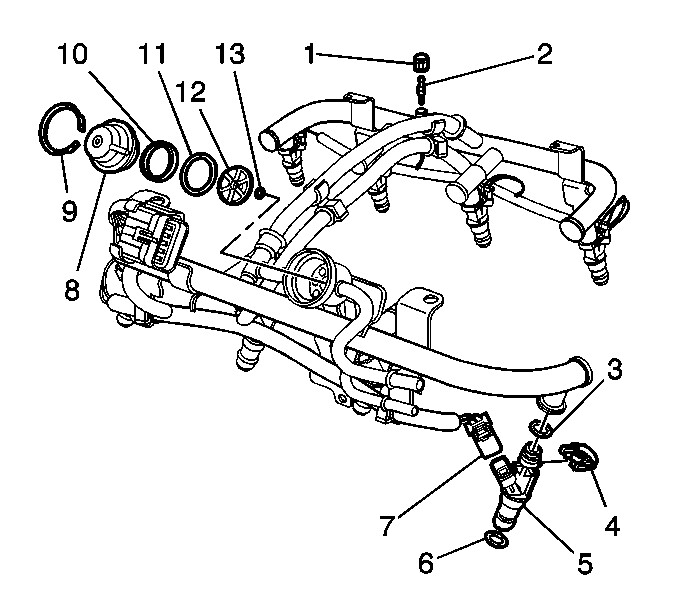
This is a 2001—2003 image of an engine with the Supply and Return line
Number 8 is the nifty adjustable regulator. It should look familiar as GM has used this regulator on many different engines over the years.
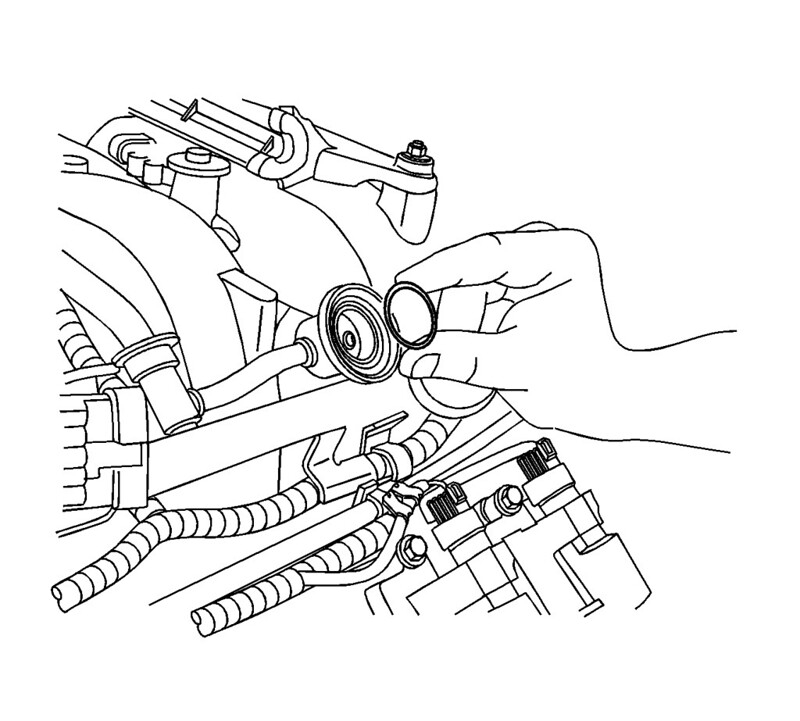
Another view of the adjustable regulator
2004-2010 Returnless
Even though this looks like a fuel regulator in the fuel rail it is not. It is a pulse damper in about the same location the fuel regulator was on earlier engines. The damper and regulator are not interchangeable. This damper itself is actually missing in this illustration
Engine Oil Cooler Delete:
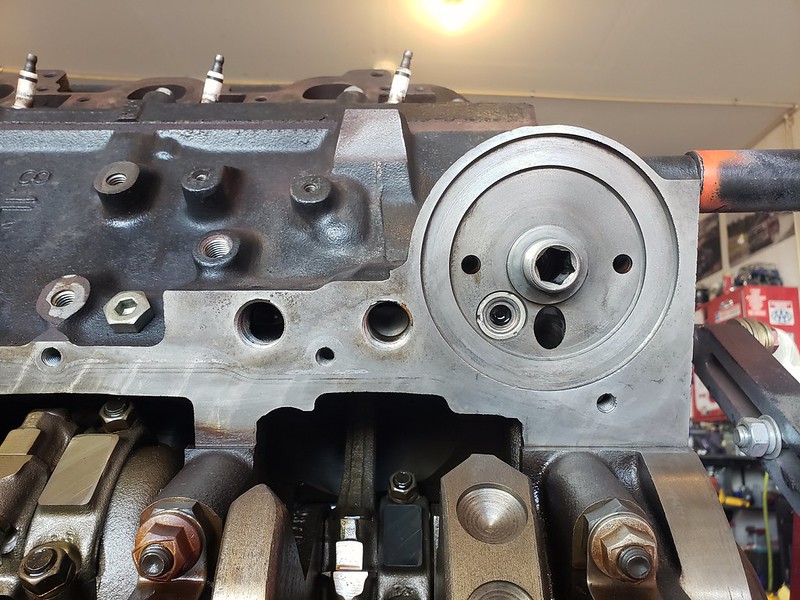
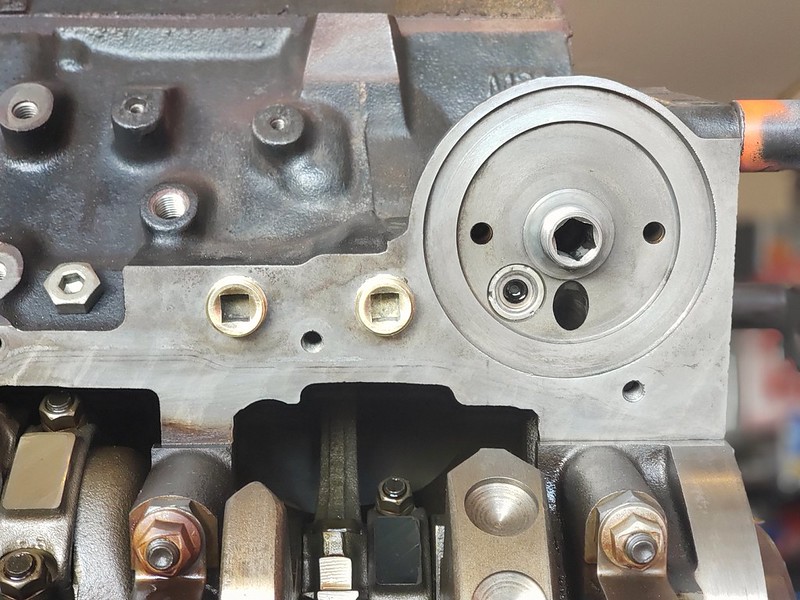
A question that has come up several times is related to the oil cooler and how to delete it for those that don’t want it or have room to mount a cooler. If you chose not to run an engine oil cooler it is best to remove the oil cooler bypass valve to increase oil pressure at low RPMs. The pictures below are how to remove the bypass valve. This process is no different from any other GM V6 or V8 engine that was equipped with an oil cooler.
Remove the oil filter adapter that the filter actually screws on to with a ½ Allen bit
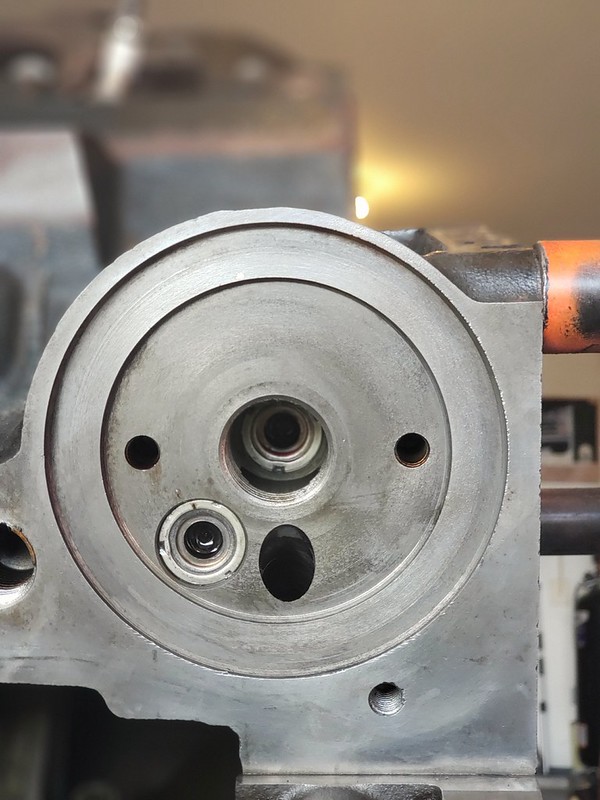
Now you can see the Oil Cooler Bypass Valve (P/N 25013759) stuffed up in the block
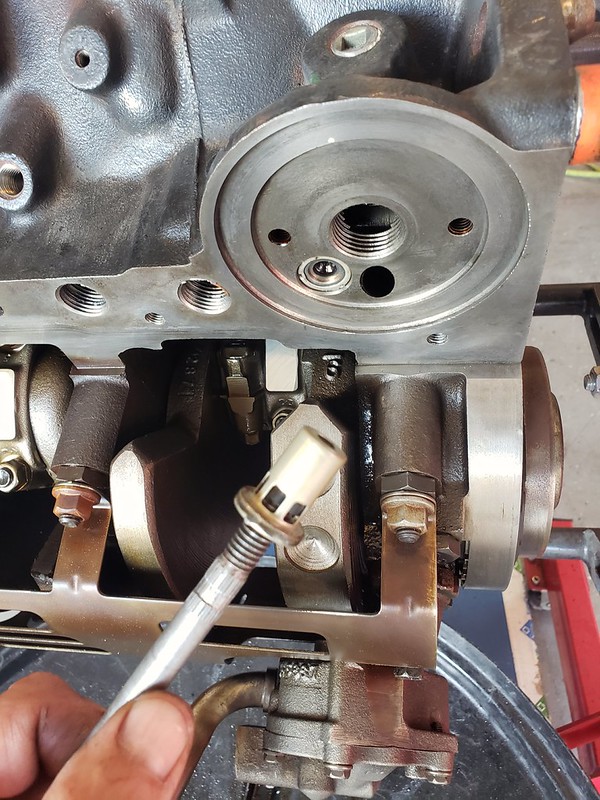
Thread a bolt into the middle of the bypass valve and yank it out like Dr. Payne did to your achy tooth. An old starter bolt works perfect for this chore.
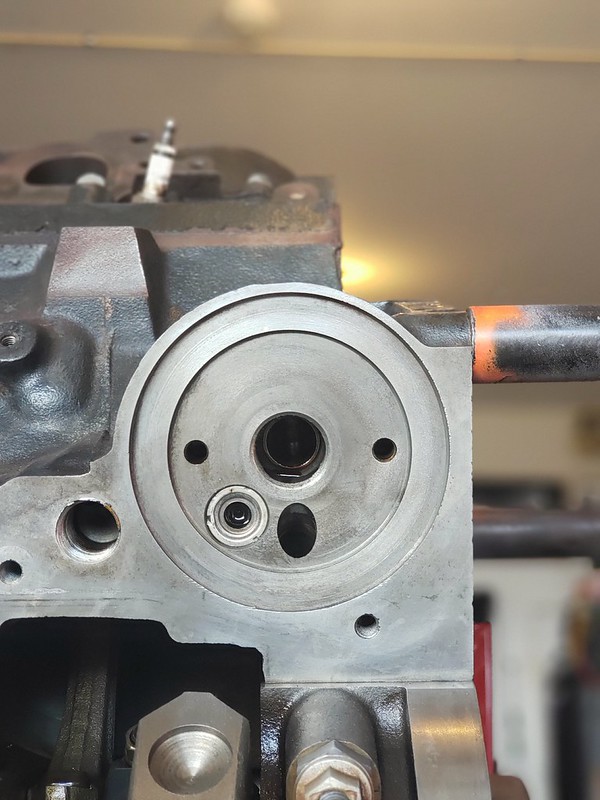
And this is how the oil passage looks without a bypass valve. Leave the other bypass valve where it is. Only remove the one in the center.
Reinstall the oil filter adapter and plug the engine oil cooler ports with ½” pipe plugs and you’re all set
 Oil Pump Priming:
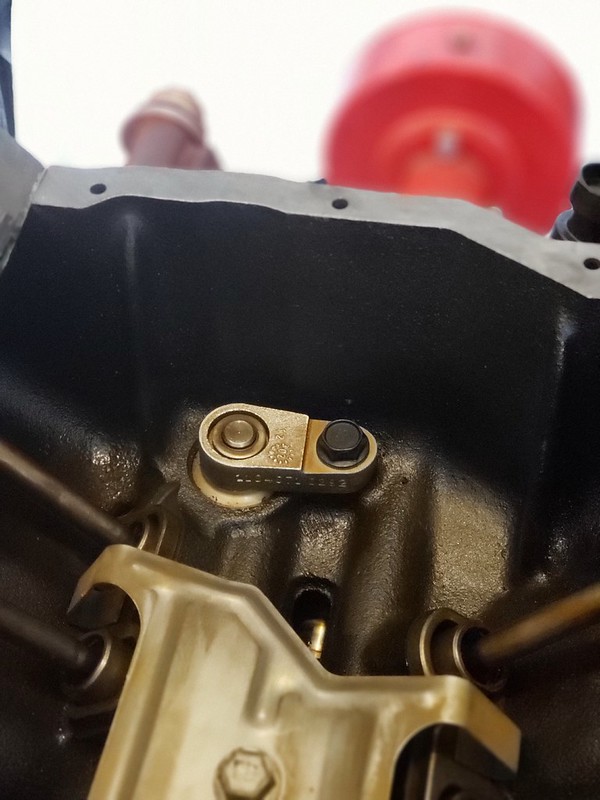
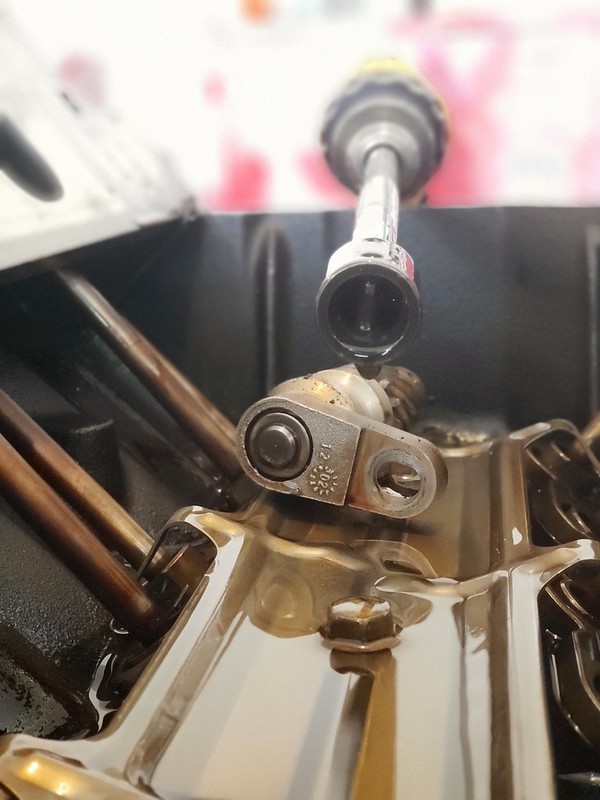
By looking at it, you wouldn’t think you could prime an 8.1L in the same fashion as an old school SBC or BBC but it’s no different once you peel the intake off
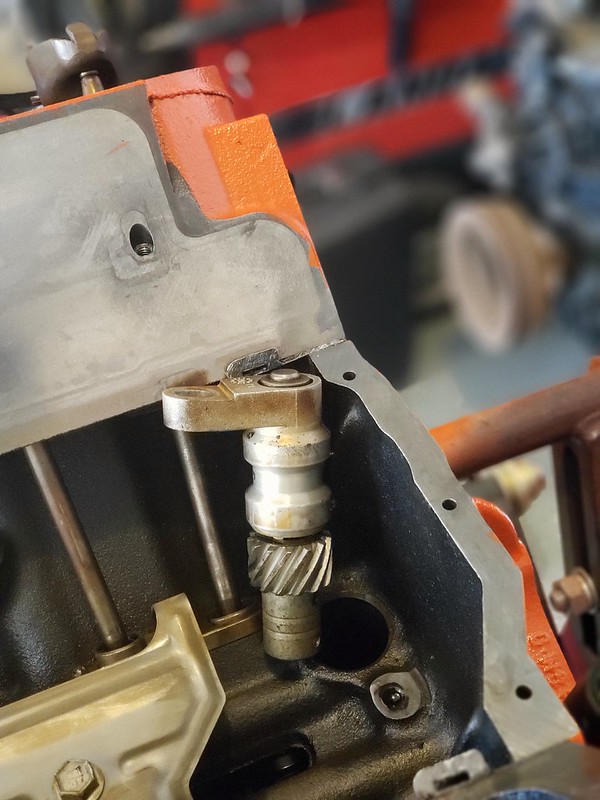
Remove the oil pump drive.
This drive is just like the ones in the old 6.2 and 6.5L diesels. Probably the same part number too
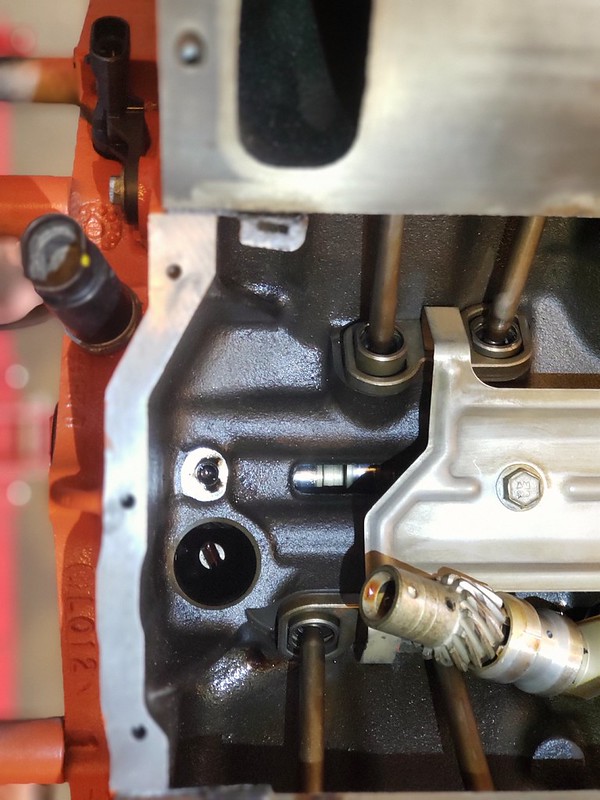
Oil pump shaft down there just like the old days
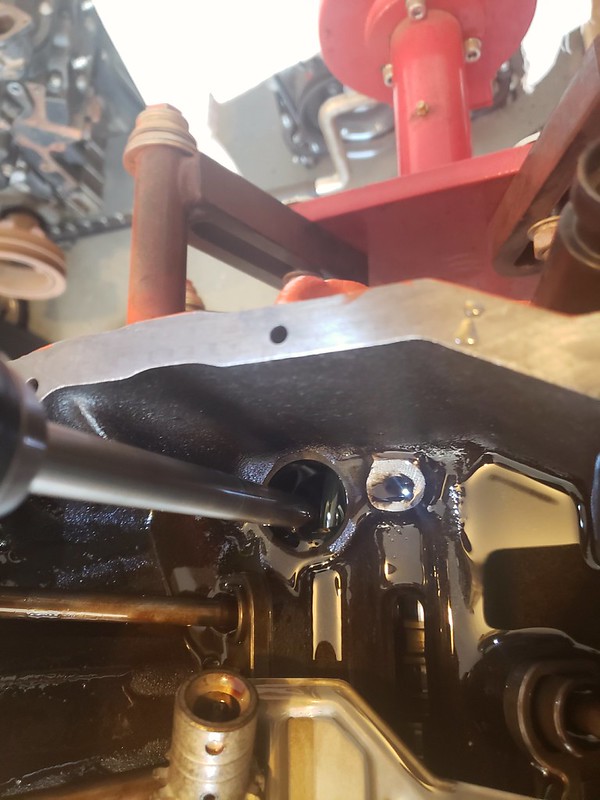
Use your favorite oil pump driving tool. Mine happens to be the guts out of an old HEI dizzy attached to a drill
Then start drilling for oil. You can actually see the oil flowing right next to the shaft of the homemade tool







 .
. .
.


 The software was called TunerPro


