CK5
Register an account today to become a member! Once signed in, you'll be able to participate on this site by adding your own topics and posts, as well as connect with other members.

1989 K5 - Gradual Learning

First 4x4 - learning basic maintenance / upkeep and maybe some small mods.
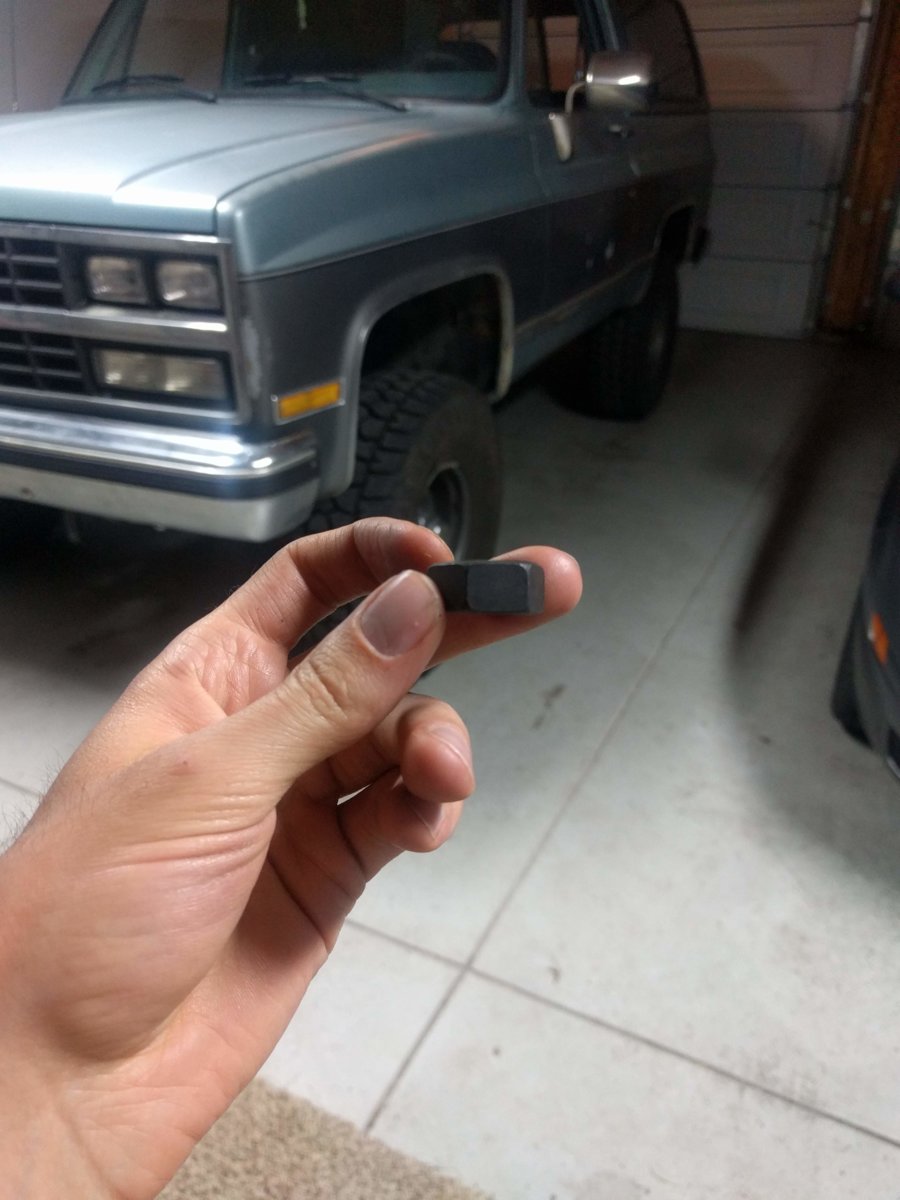
I think the button was just barely engaging. So spacing that just a bit made it function again (both doors).

And, obviously the seatbelts work (from my daughter driving a few days ago :( )

IMG_20180430_075420705_HDR.jpg
 
Drove the truck yesterday to a buddy's house. The check engine light came on while I was on my way back home. This isn't new - it tends to come on once I've been driving awhile (once the engine is real hot). Normally though, it disappears by the time I get home. But this time it stayed on. I put the truck into park in my garage and I noticed that the idle was a bit weird sounding. It would sound normal at first but then the engine RPM would change and it felt like the whole truck was shuddering / shaking. I could feel it sitting in the driver's seat. Then the idle would go back to sounding normal.

Anyhow, I shot a quick video during that episode. It's a crappy video and I certainly don't expect anybody to magically know what's going on, but I thought I'd share. If you have any thoughts don't hesitate to fire away.

For reference the codes that I've read before have been EGR and VSS related. 32 was one of them, can't recall the other off-hand. It's earlier in the thread somewhere.

 
Here's another one shot today, it was a bit worse this time. I am guessing that it has gotta be oxygen related? Gonna keep digging into that EGR issue...

 
May have fixed my seatbelts tonight thanks to @jeff in co...

I only had a couple of washers available that would fit over the hex bolt, and they were pretty thin. So, I decided to improvise and use a substitute:


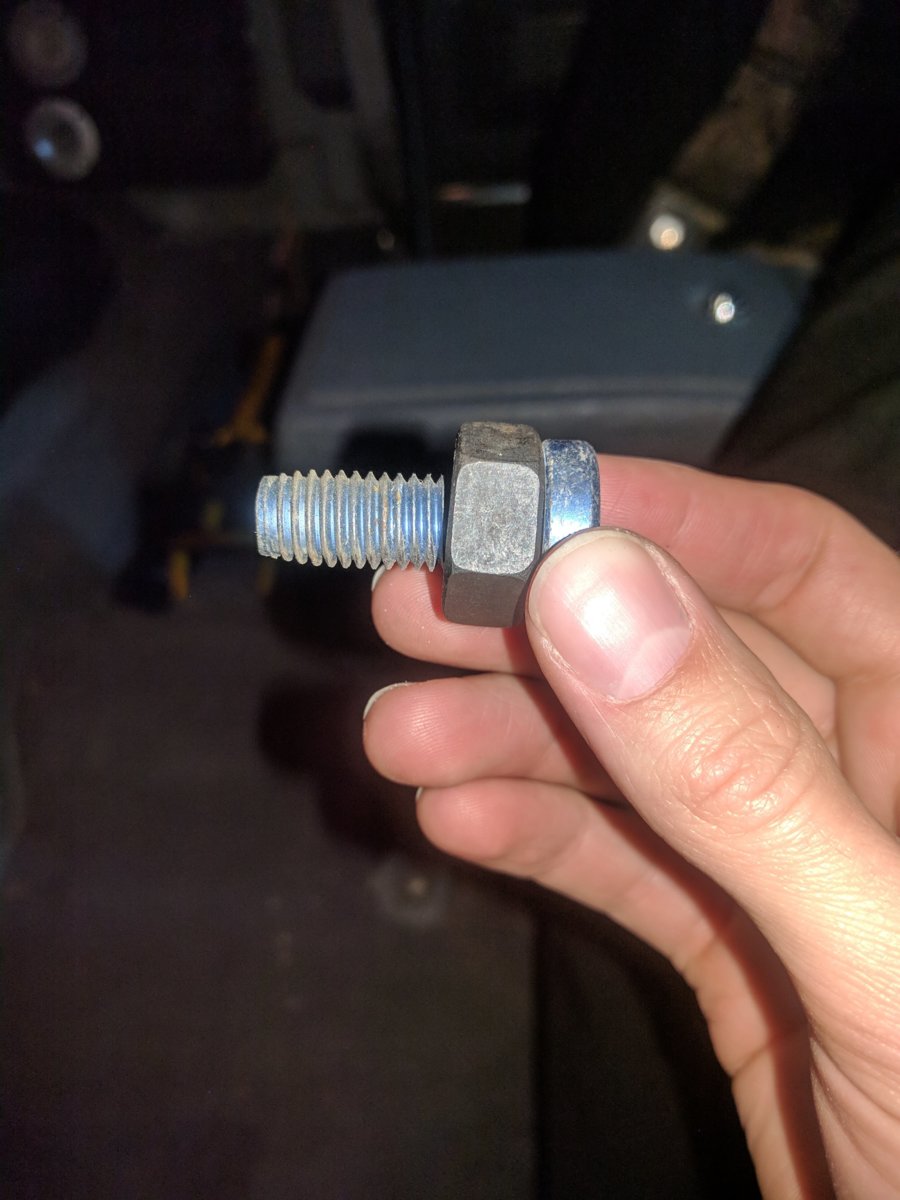
I had two nuts like this that were identical, so I decided to just go for it. The only thing that worried me was that there wasn't a whole bunch of thread left for the bolt to bite with:


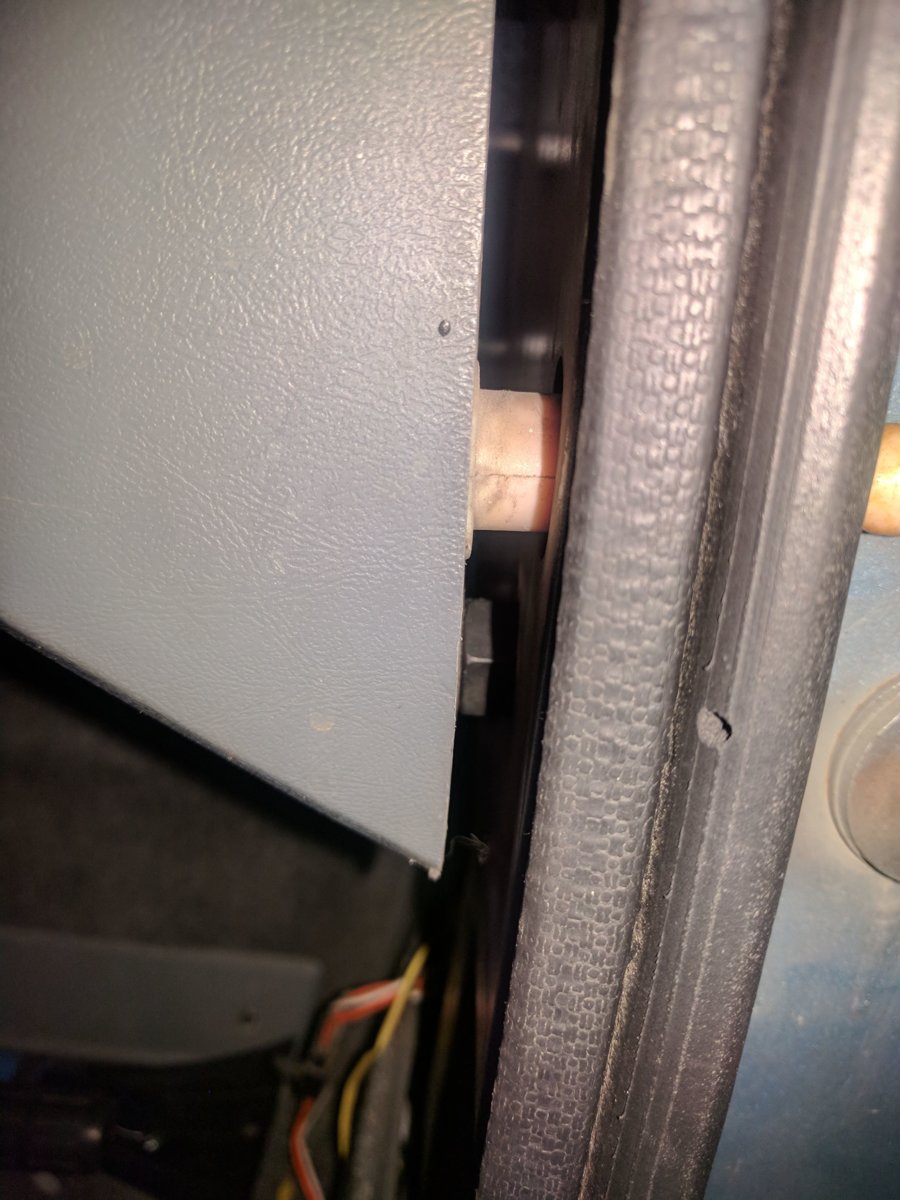
Here's how it looks installed, pretty goofy:


I took the Blazer for a test drive and the seatbelt retracted perfectly. I am so happy, my night is seriously made. The seatbelt not retracting was driving me up a wall.

Thanks again @jeff in co. Gonna jack the Blazer up for the first time soon and check out my u-joints finally. Hopefully my jack will work. It's just a generic floor jack, but it does have a little extension piece that makes it taller.
 
I drove the truck on Wednesday... really far. I live just a bit south of downtown and I went all the way down to Chatfield State Park to pick up a new bike. I don't know if anybody on here is a cyclist, but I got a 2008 Specialized Langster for $90! Proud of that deal.

Anyhow, once back home, I parked the truck in the garage. About 10 minutes later (maybe 15), I started her up again. Man, it sounded like an explosion happened in my engine bay. Obviously many controlled explosions are supposed to be happening, but this one was LOUD... and the truck died immediately after it happened. I waited about 30 seconds and fired it up again. It was louder than normal, but not as loud as the first time and it stayed running. Anyhow, I drove it a short distance and it felt fine from what I can remember.

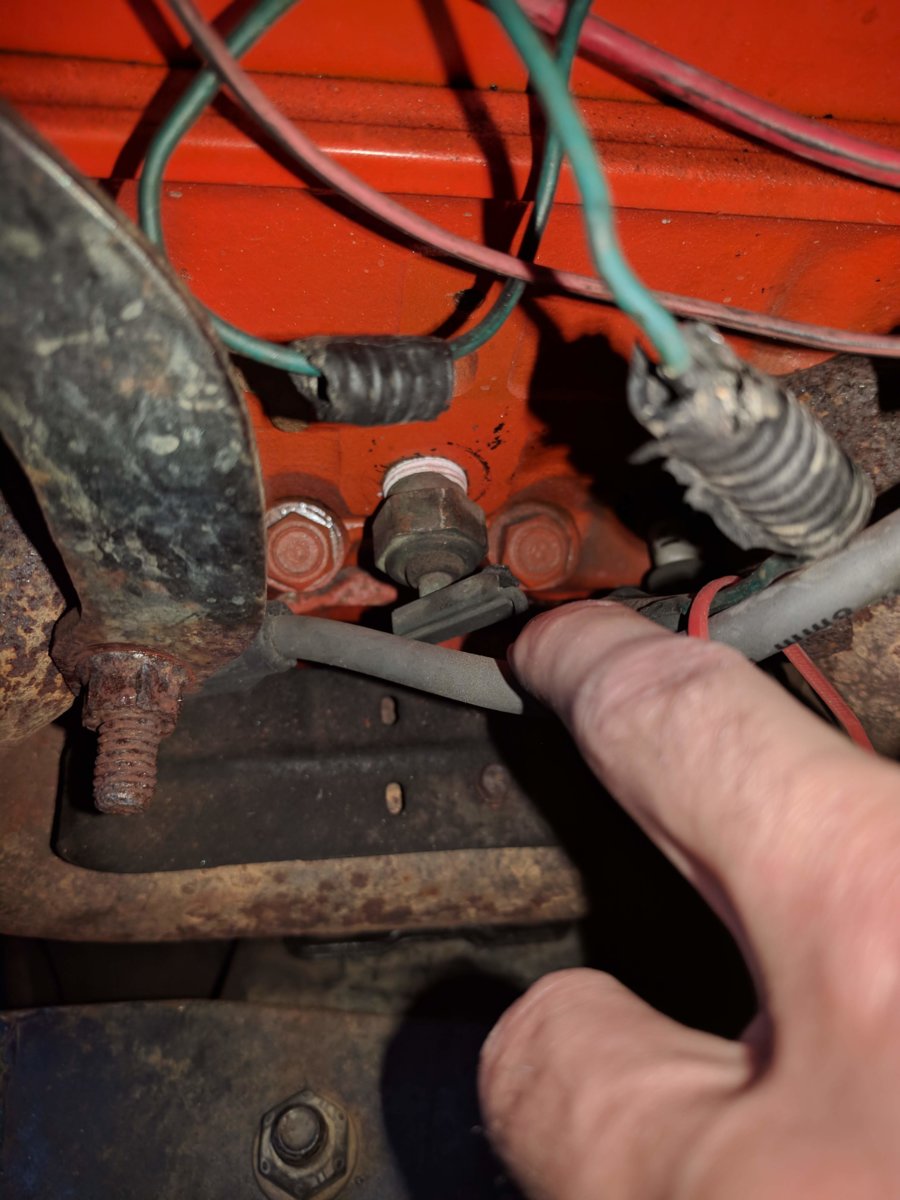
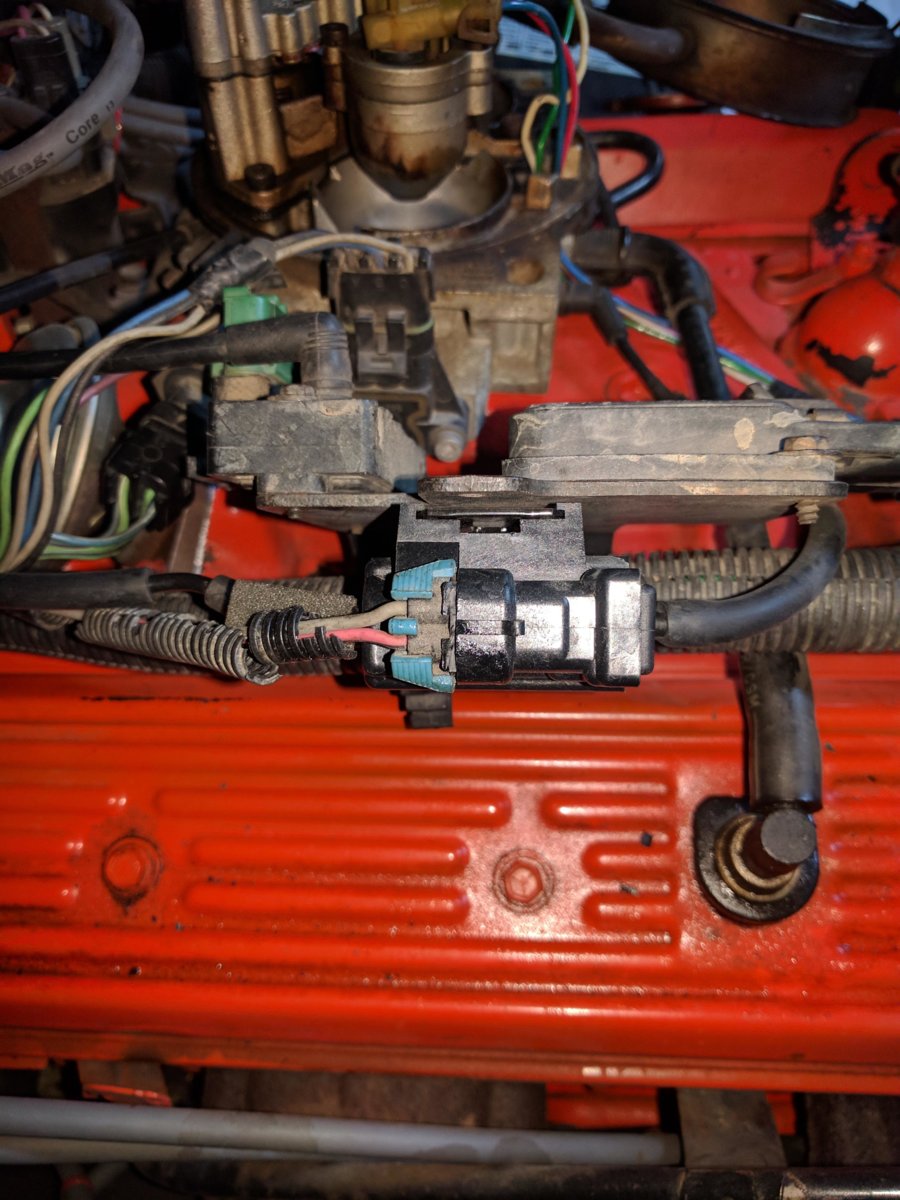
Yesterday, I drove it again and it felt sluggish as hell. It felt like I wasn't getting as much acceleration as normal and it felt like it was shifting late. My check engine light came back on again and stayed on longer than usual. I got home and read the codes. Code 32 is still there, which is expected. However, a new code showed up - number 43. My Haynes manual says this is related to the Electronic Spark Control system. Pretty cool stuff, I had no idea that the ESC system this existed. Anyhow, I'm hoping you fellers can help me out. I tried using the manual to identify the ESC sensor and the ESC module. These two pictures are my best guesses based on the pictures in the book:

ESC Sensor

ESC Module

The Haynes manual says basically one of two things could be happening:
  1. Failure of the ESC knock sensor signal or loss of ground at the ESC module will cause the signal to the ECM to remain high. This condition will result in the ECM controlling the EST as if no spark knock is occurring. Therefore, no retard will occur and spark knock may become severe under heavy engine load conditions. At this point, the ECM will set a Code 43.
  2. Loss of the ESC signal to the ECM will cause the ECM to constantly retard the timing. This will result in sluggish performance and cause the ECM to set a Code 43.
With how sluggish my truck felt, I am guessing that #2 is what is going on. Loss of ESC signal to the ECM. I am really hoping that my wiring isn't messed up. What would you guys do in this situation?
 
Talked to @Bent77 on the phone a little bit (thanks again!), and he advised that I reset the codes and drive it a bit to see if the same thing happens again. It was definitely the right suggestion... I drove the truck a bit this afternoon and only code 32 was thrown. I think I should really focus on getting that code fixed up first and foremost.

If I remember right from talking to @Justin V on the phone, I can use one of these guys to check for vacuum leaks (https://mobileimages.lowes.com/product/converted/014045/014045123211.jpg)? Just want to double-check before I use the wrong thing and blow myself up. Also, I found a kick-ass old article on code 32 via a super old CK5 post (http://sethirdgen.org/egr.htm). Gonna follow the steps in that article the best I can.
 
I’ve always used carb cleaner, with the straw. Just a little dab at a time. The rpm will drop if it sucks it in the intake through a leak

I also use a vac gage on everything. It tattles on things you can’t see
 
Carb cleaner is flammable

The stuff from Wally World in the blue can will strip paint. You know like the old stuff?
 
Thanks @wheels87k5!

I actually saw that post and took notes on it a couple of weeks ago. Hoping to get out and tackle it after the 4th. I took Thursday and Friday off work and a lot of my time is gonna be with the Blazer.
 
Got out there tonight and did some work while it rained. It was actually quite nice.

First off, I tried checking out my driveshaft u-joints for play. I used a YouTube video (below) for guidance. It's a Jeep video but I thought a lot of it looked the same.

Jeep video on u-joints:

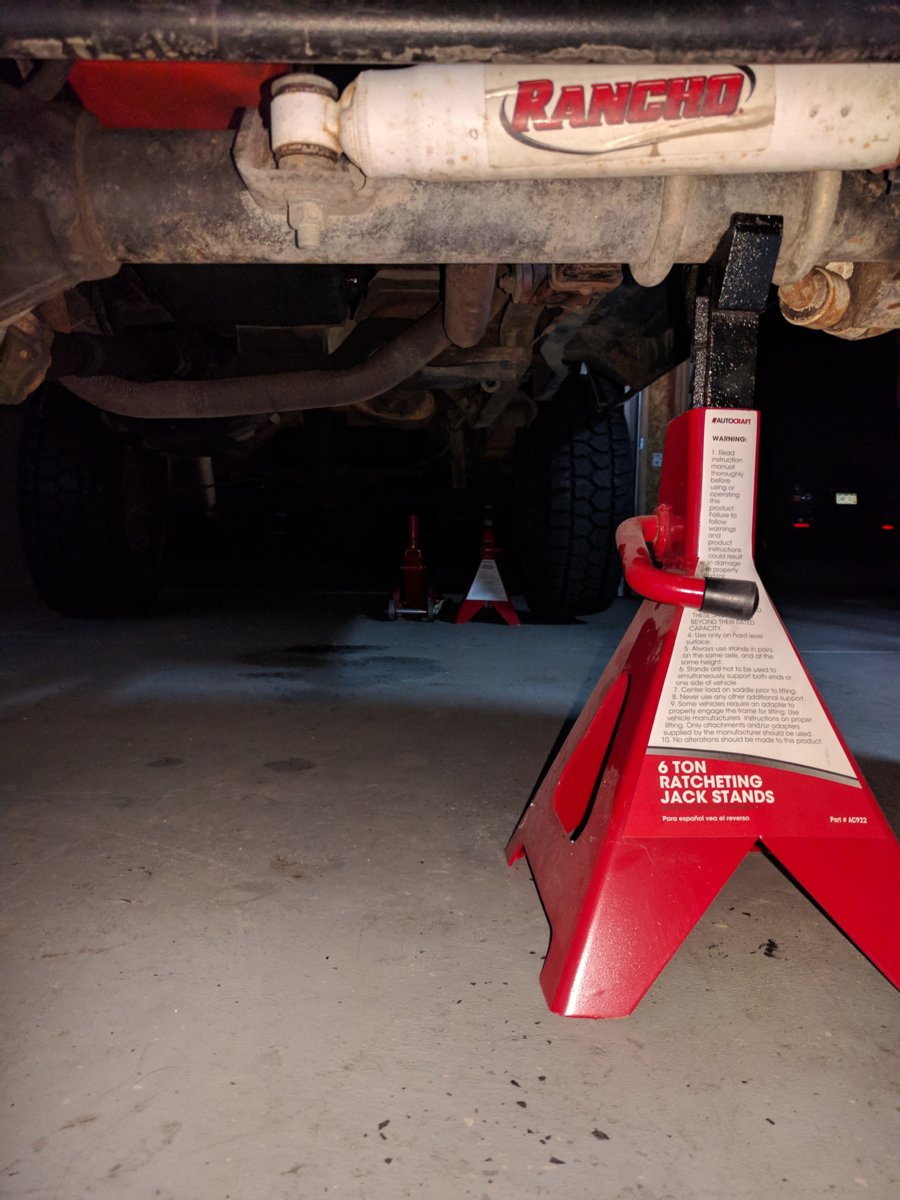
Embarrassingly, this was the first time I tried jacking the Blazer up since I bought it on June 15 of last year:

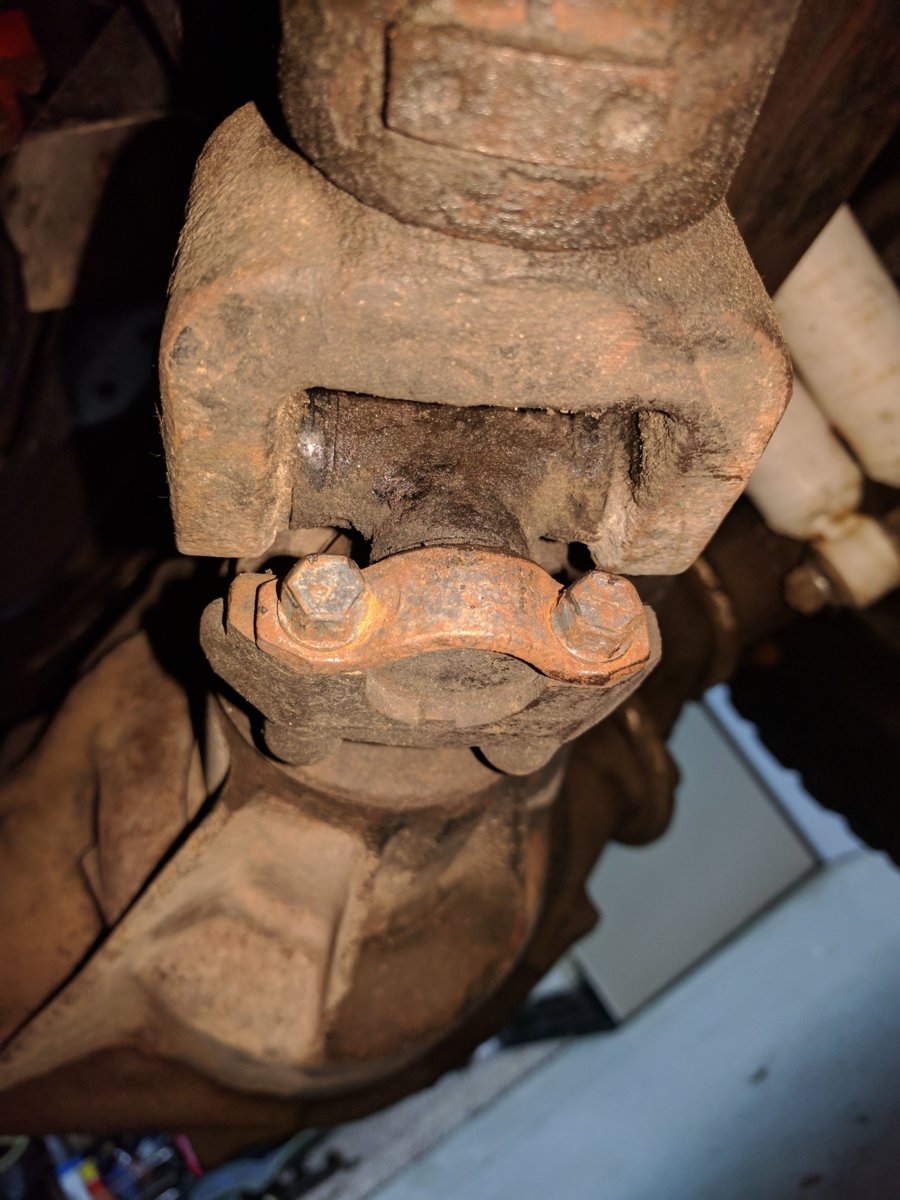
I snapped a couple of photos of my front driveshaft u-joints. Both feel pretty good. I couldn't feel any play in them at all.

Front DS Pumpkin side:

Front DS T-Case side:

When I moved to the back side, I had a hard time figuring out if the play I felt was in the u-joints or somewhere else. I shot a couple of videos if anybody is interested in hearing how little I know about this stuff... :doah:

Rear DS T-Case side:

Rear DS Pumpkin side:

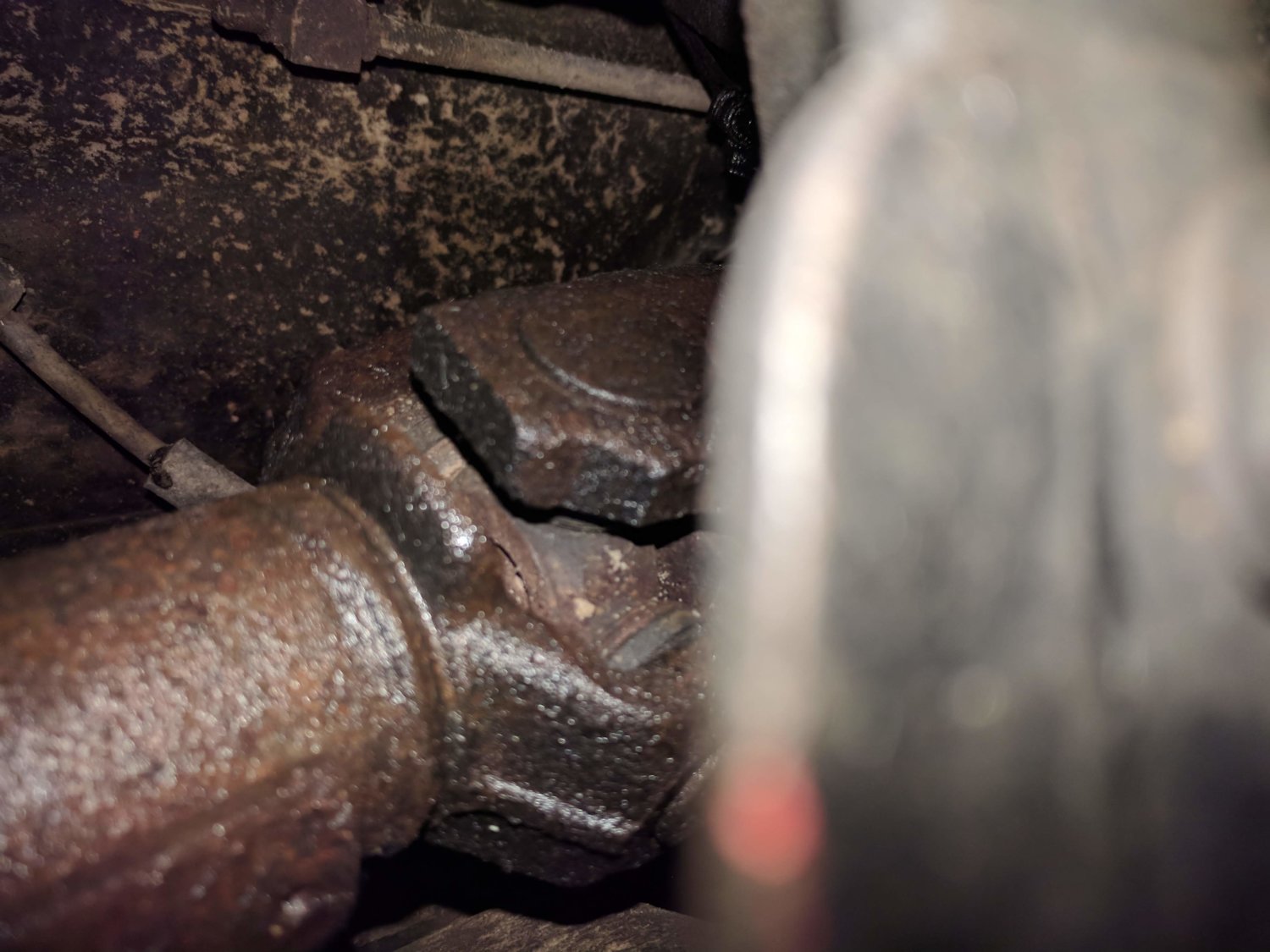
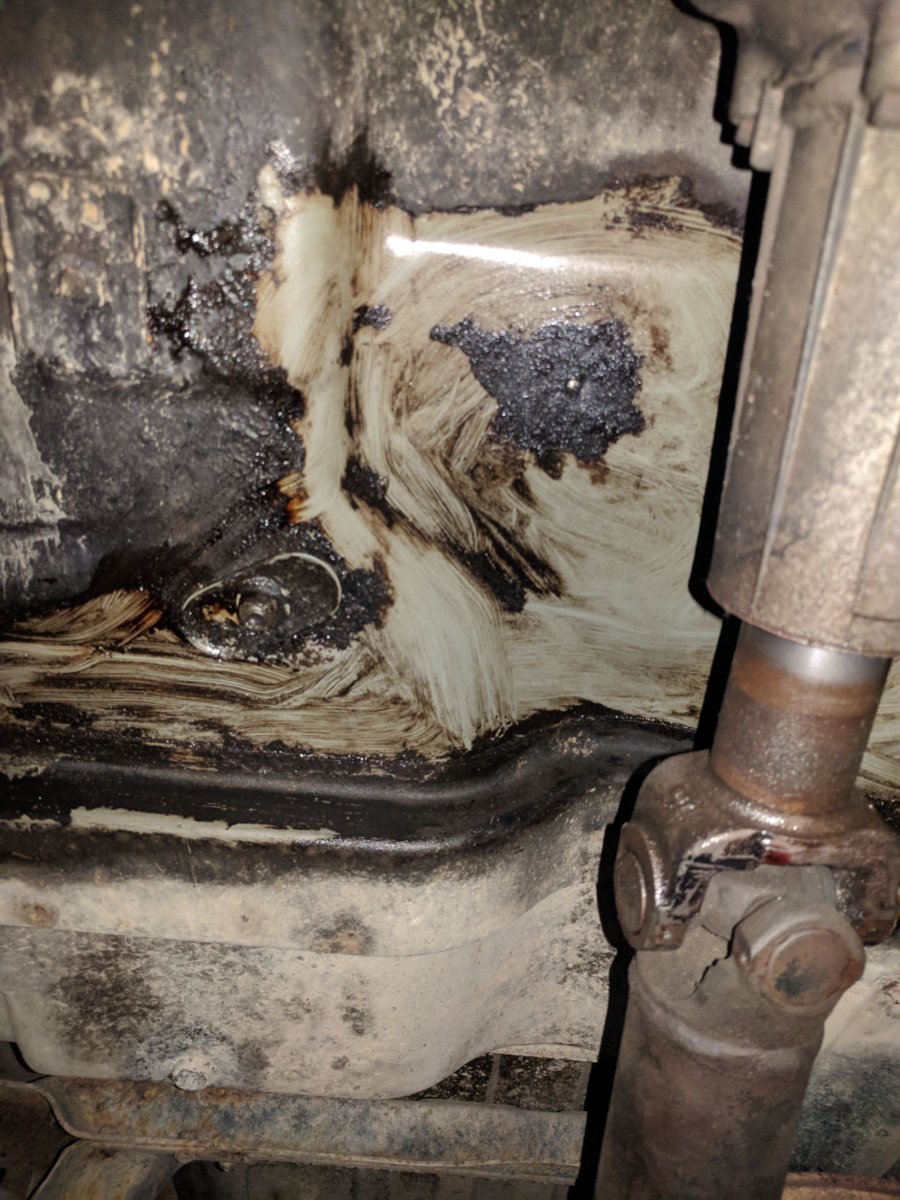
While I was under the t-case area I noticed a lot of black moisture / sludge. I am hoping that it isn't a big deal but I shot another video to show you all how widespread it is. It's too big for CK5 but I'll link it below.

Photo of sludge after wiping it with a shop rag:

Video of sludge area:

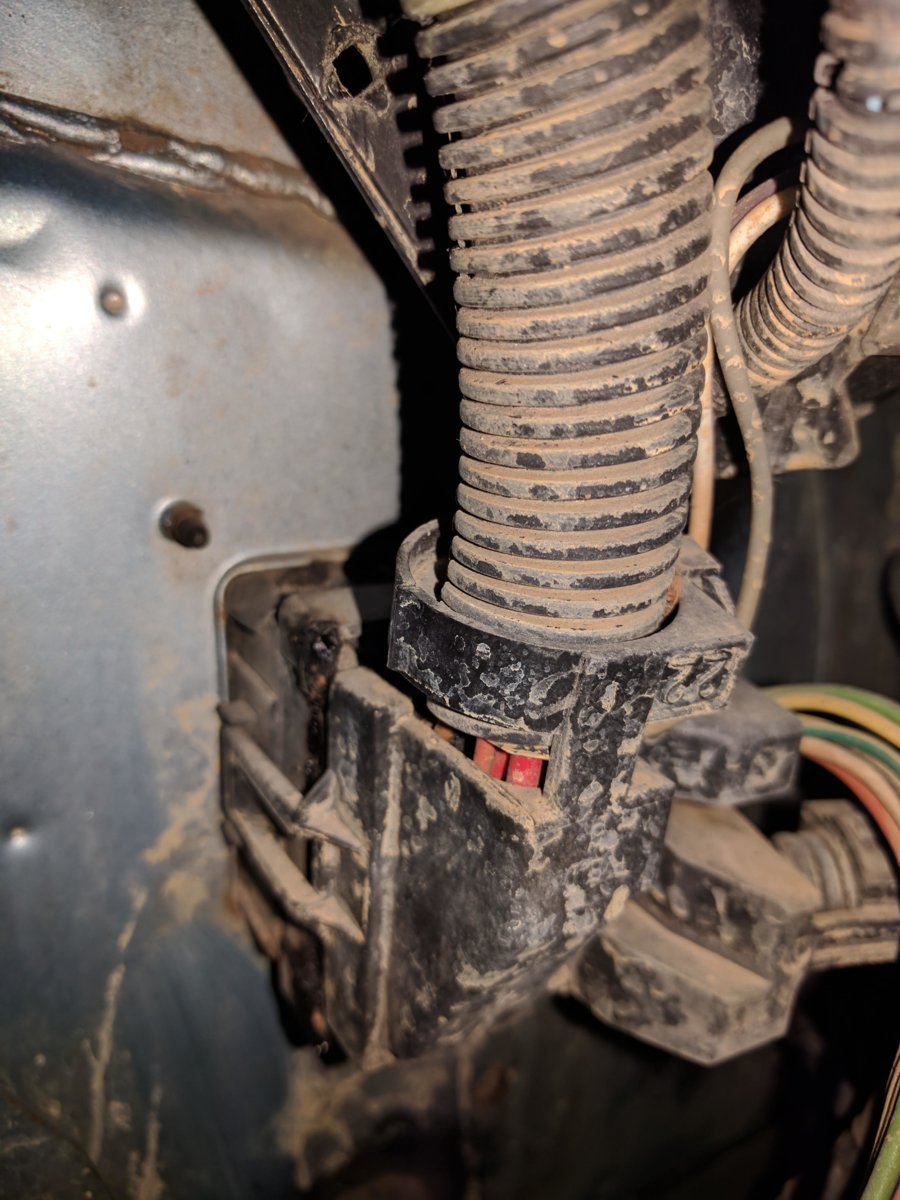
Finally, I tried figuring out my code 32 thing. I shot a photo of what I think is the EGR solenoid connection. The clip is broken off and before I took the photo it was wrapped in electrical tape.

EGR solenoid connection:

I also shot a video of spraying carb / choke cleaner around my vacuum lines. I didn't hear the engine change RPM much at all save for one line that went over to my charcoal canister. I think it's called the purge hose. That video is also too large for CK5 but it's below if anybody is interested. The engine sound changes at 0:53 and 1:16.

Purge hose choke cleaner video:
 
The oil around your t-case is probably the seal for your driveshaft slip joint. Pretty common spot to leak. If you pull out your driveshaft, you can install a new seal. When you pull the driveshaft out, t-case oil will come out a bit so don't be surprised. Once reinstalled, check your t-case fluid level and top off.
 
Thanks. I probably should get around to doing that sooner rather than later...

Also, I was thinking about my EGR stuff earlier this morning. Does anybody know what causes the EGR to close once it is open? It feels like my EGR opens just fine, but then doesn't close when it is supposed to. As a result, more exhaust gas makes it into the intake manifold than is ideal and therefore my engine gets starved of oxygen. Just my guess at this point.
 
I would just replace the egr valve if it is suspect. There is a spring inside of it that should close it.
 
Top Bottom