

Yes it needs to.


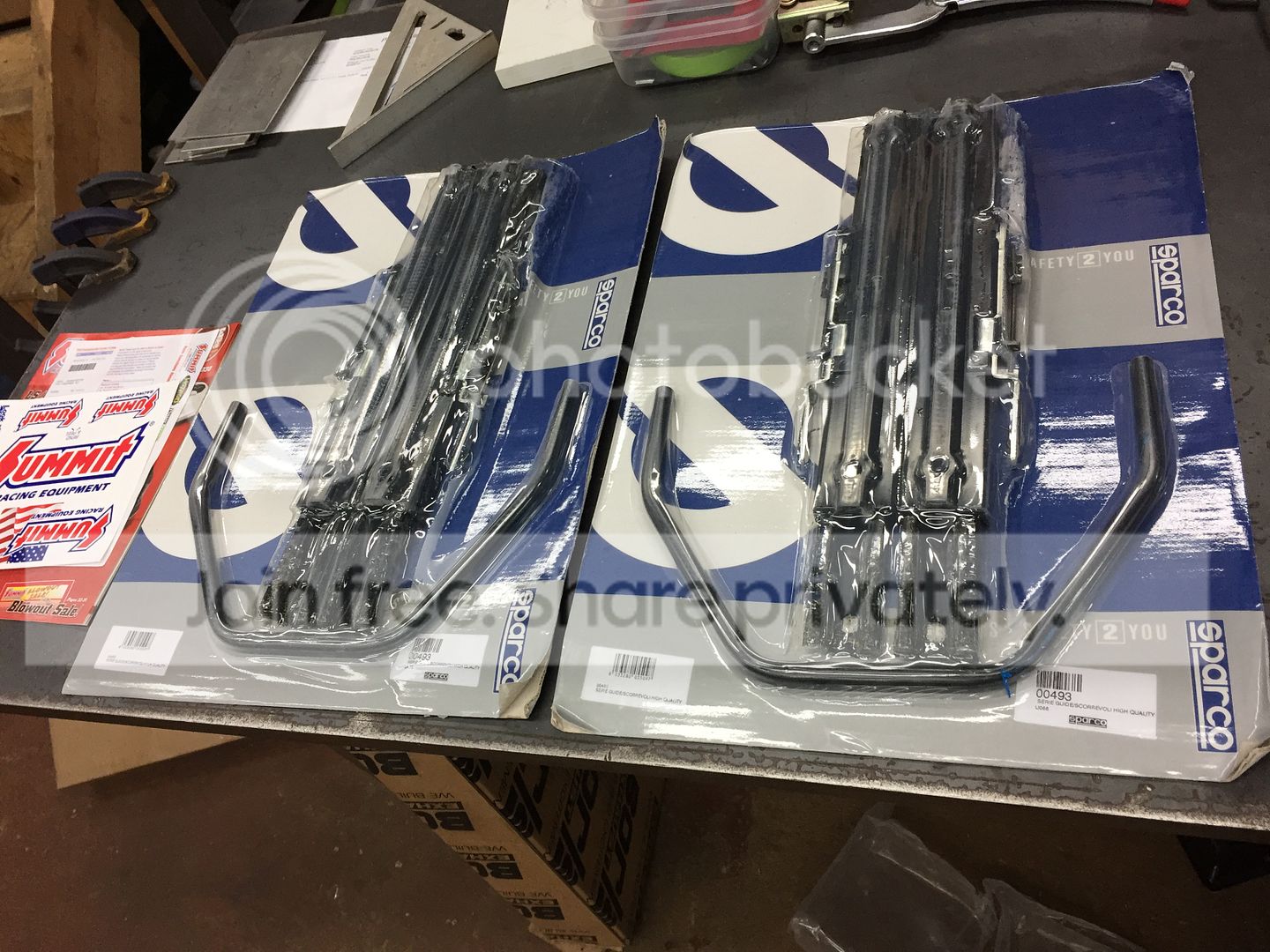
 So the first order of business was to figure out what the "ideal" hole spacing would be to use the tracks "as is" and then starting making decisions about how to build a base/mount to accommodate that.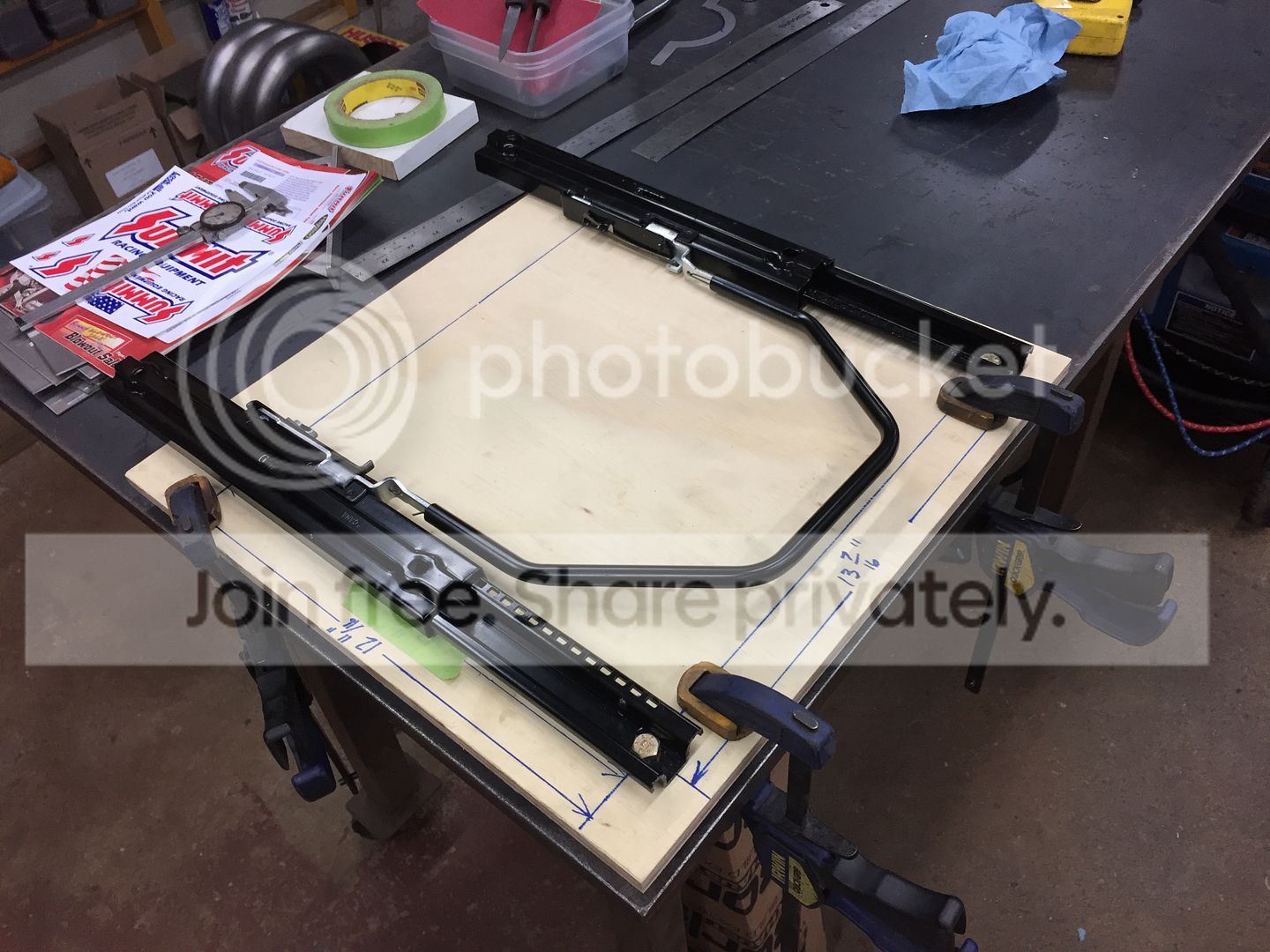


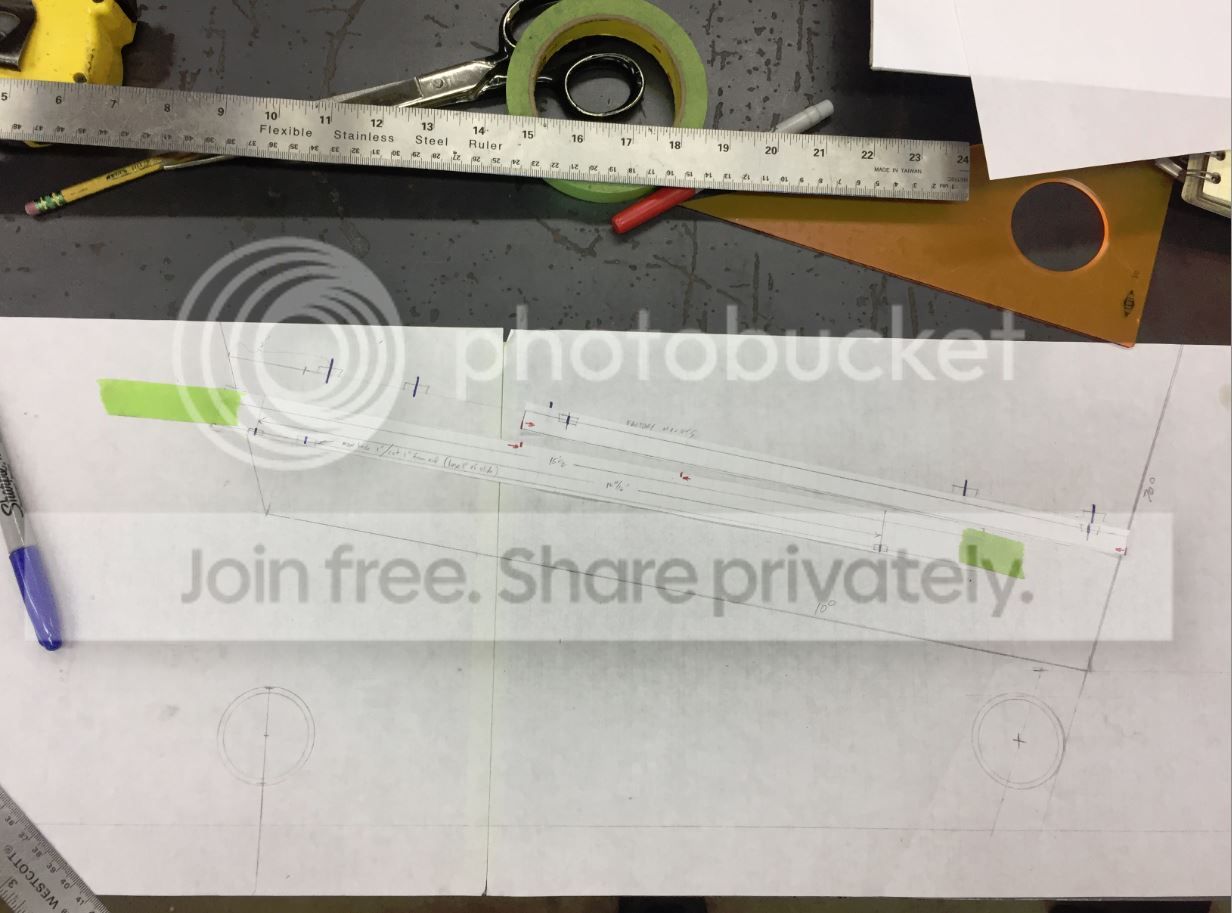
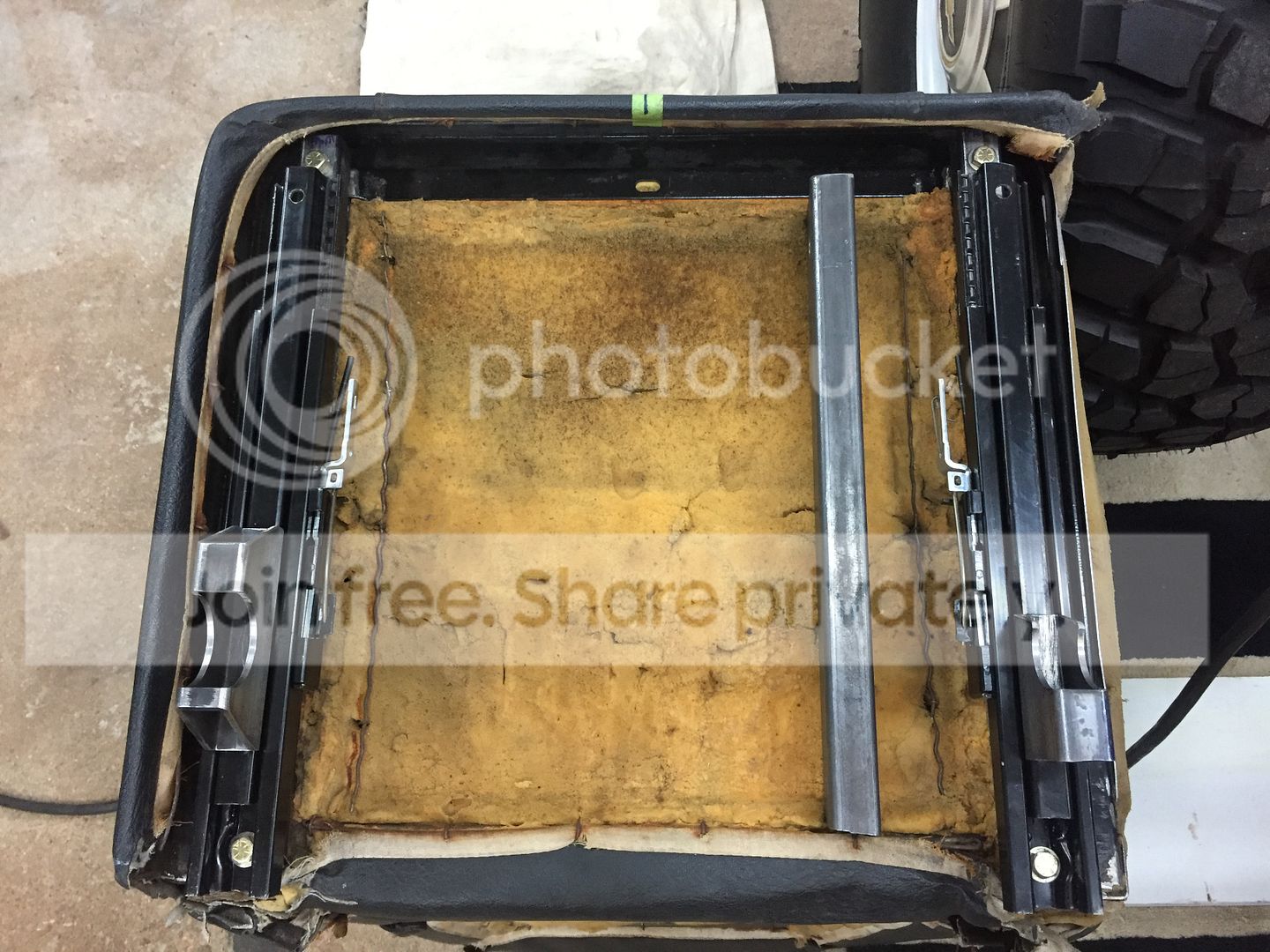
 The seat is pretty deep on the underside... about 3" of dead space under there, so the seat rails dont' really NEED to be installed directly to that seatpan, and it makes adapting everything even harder. A simpler method was to use some 1"x1"x.125"wall box tubing as an intermediate riser. This allowed the hole patterns from both the factory seatpan and the new seat tracks to be combined onto a single part and made life a lot easier.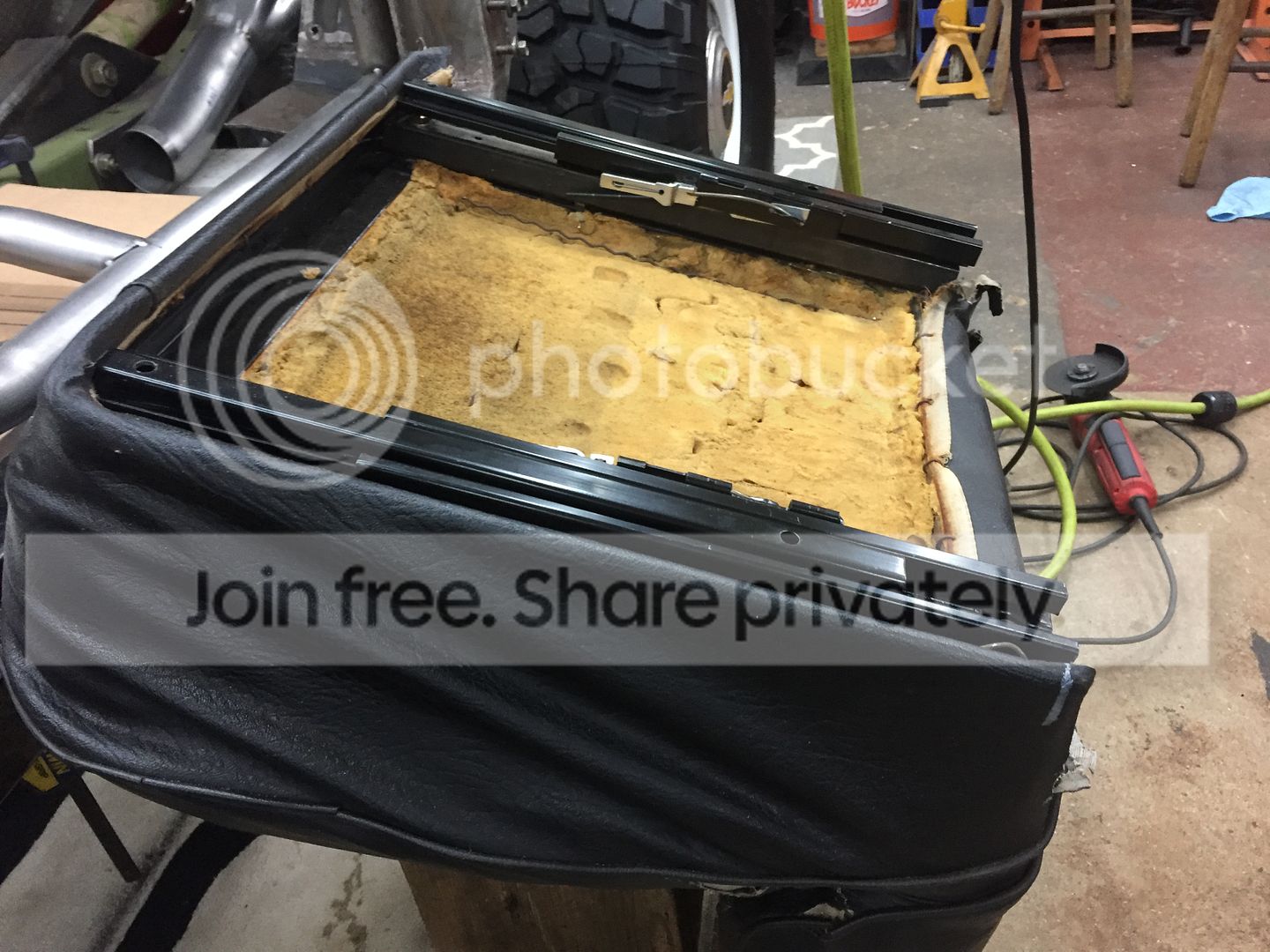


Ah, so it'll slide AND pivot forward? Might be interested in redoing mine if you come up with something that works well.2016.10.03 - UPDATE!! - THIS BUILD IS GETTING ON-TRACK!!!
Not a bad weekend's worth of head-scratching and forward progress!
Going with the Sparco seat tracks was a good idea. Summit Racing had them in stock and true-to-form... they shipped out of the OH facility and were at my house by Friday night!
Obviously, the tracks are "universal fit" which is a marketing term for "not likely to fit anything you own".
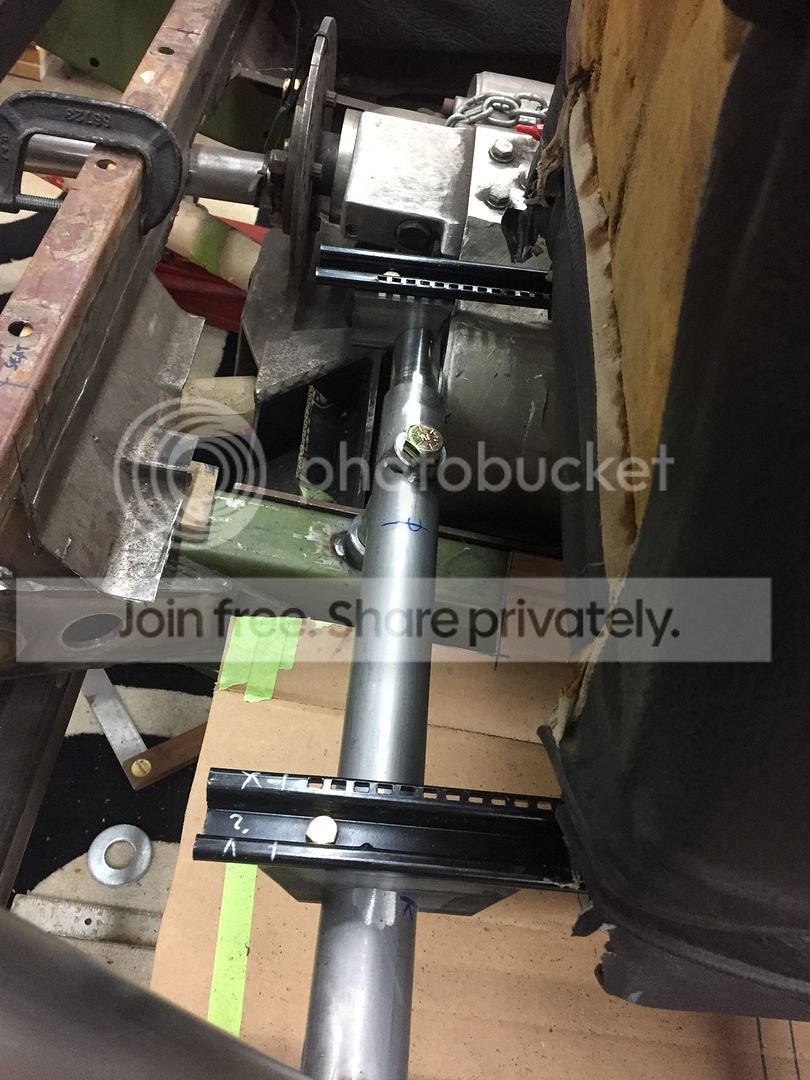
For me, Step 1 was simply squaring-up the track on a scrap of plywood and bolting one down, then based on the width of the u-shaped tubular adjuster place the second track down 100% parallel to the first and figure out all the measurements and existing hole patterns.
The dimensions were pretty odd when taken in English units, so I figured that they must be based on metric (mm) but when converted to metric they still looked like oddball values. Who knows?
Then the head-scratching started.
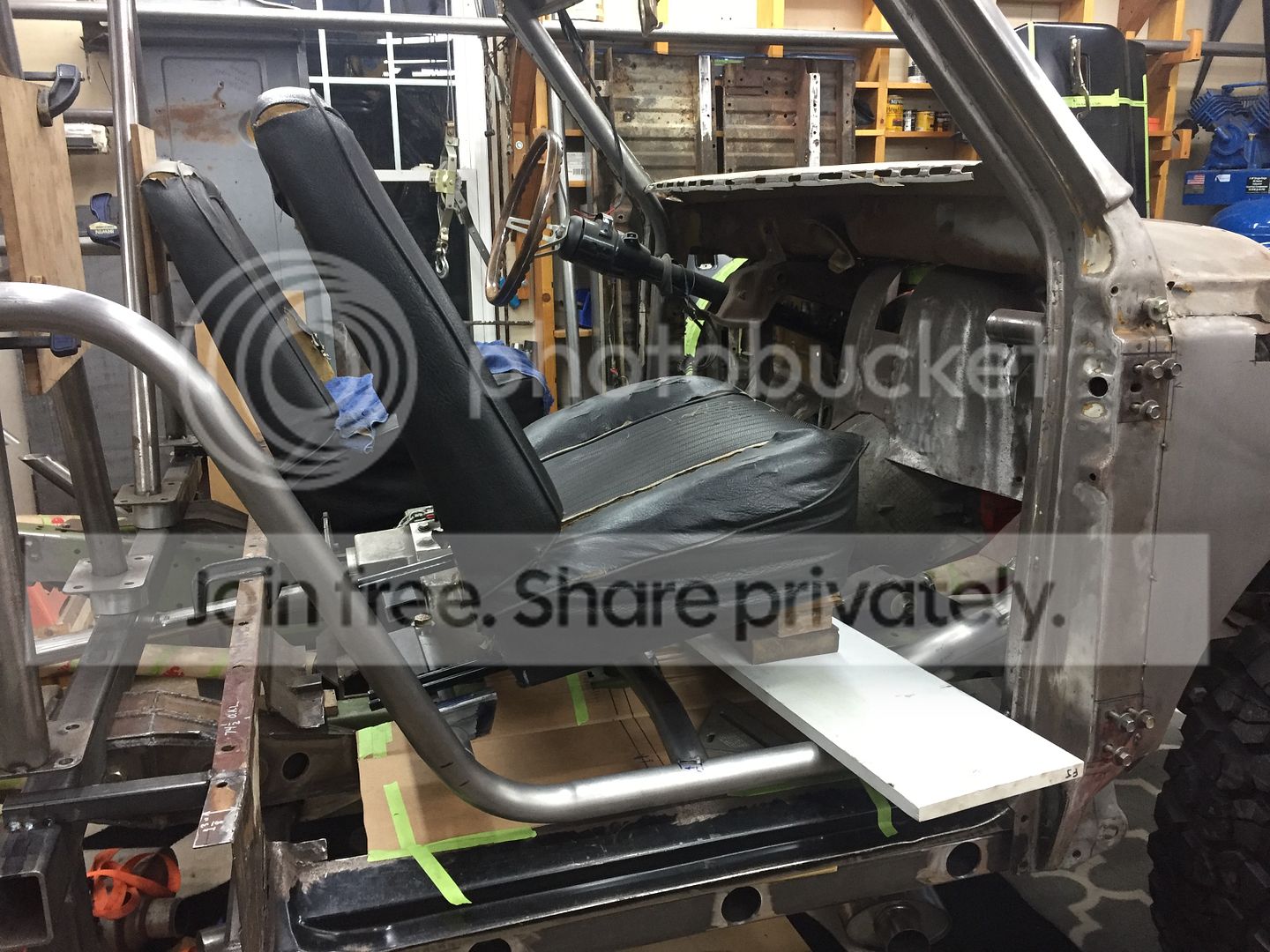
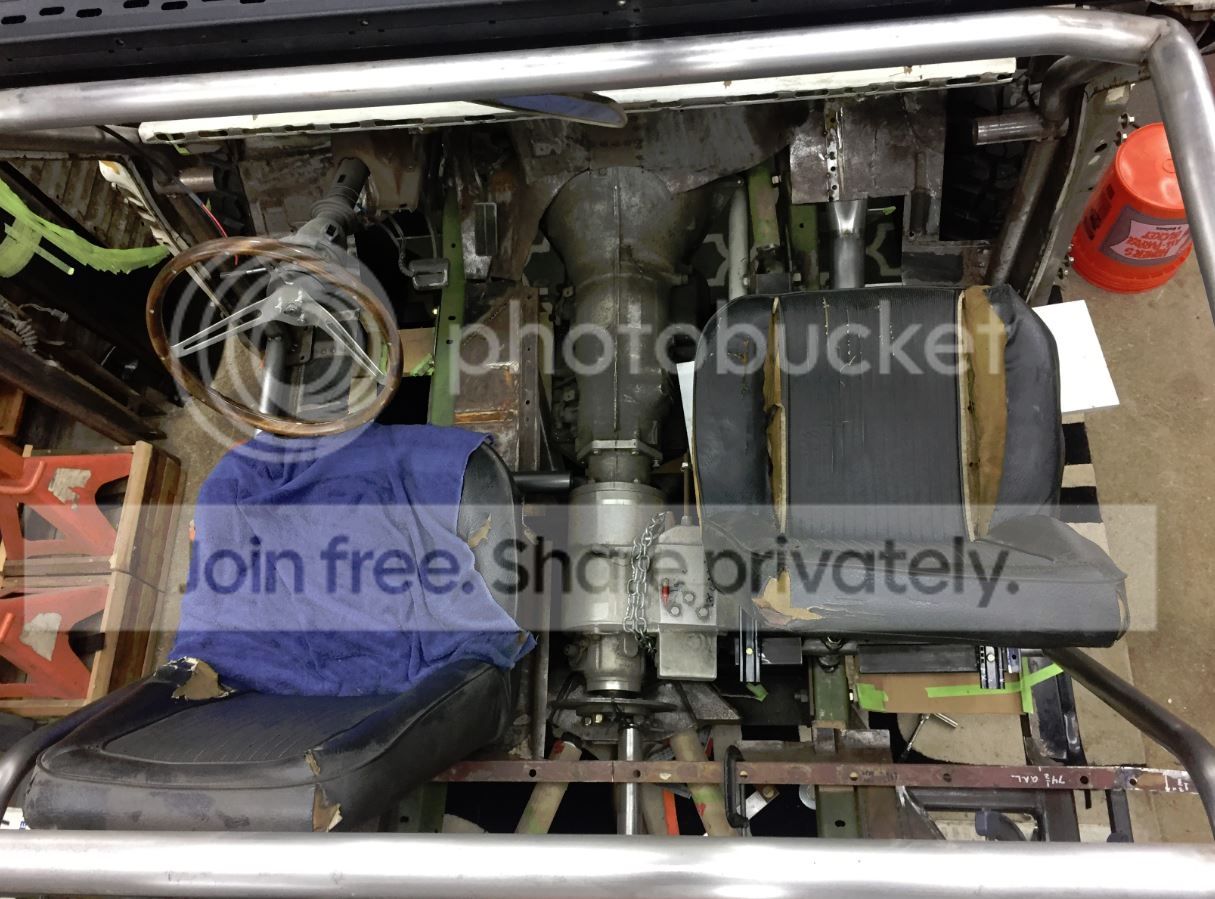
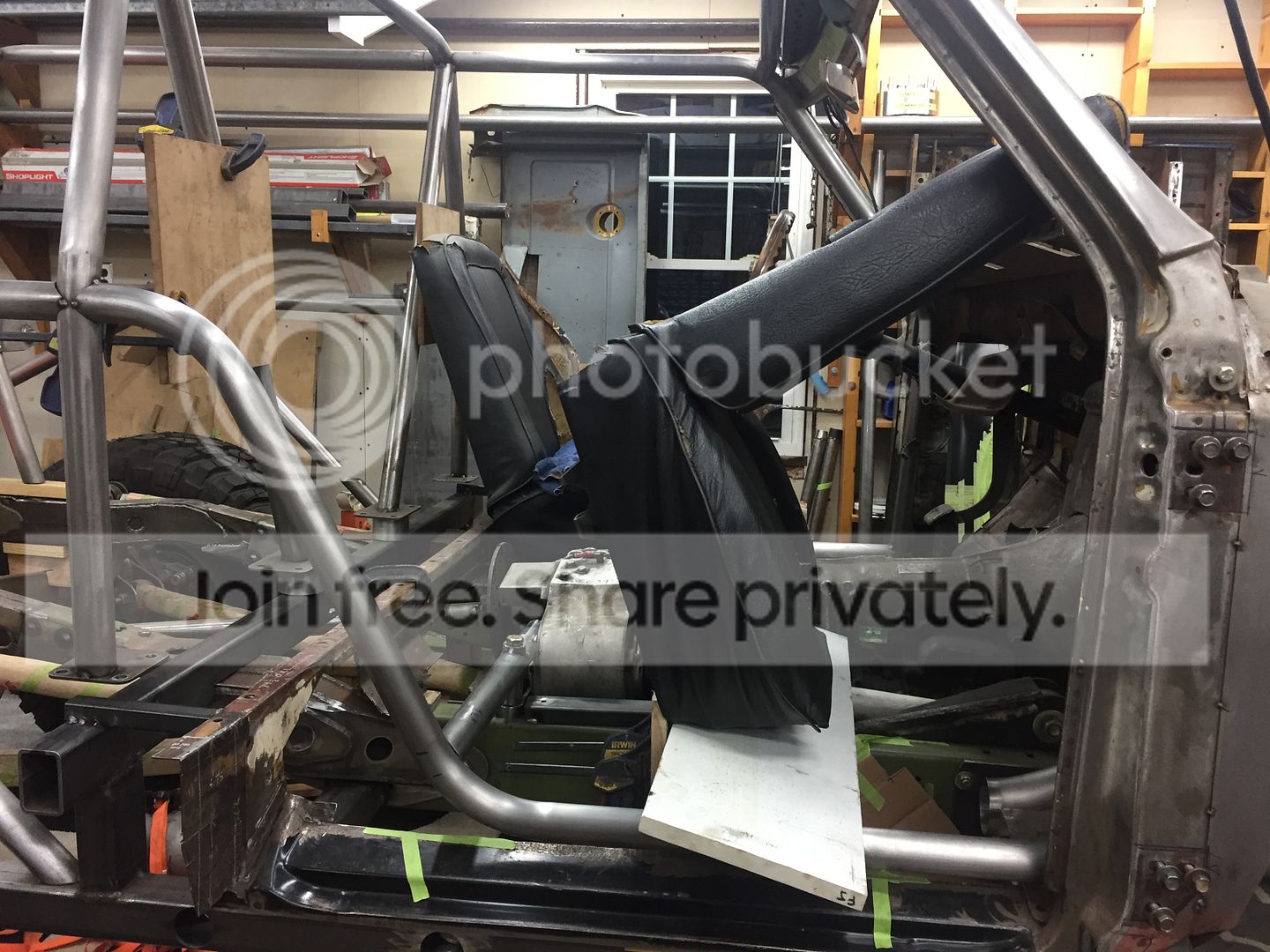
The driver's seat is still bolted to the factory floor, so that is still available as a "reference seat"... though it was modified to slide MUCH further back than stock (we've discussed this before, I'm not sure why GM didn't allow for maximum possible legroom adjustment) The backrest eventually hits the b-pillar cagework, so that establishes the limits for how far back things can go. With a scrap of 1/2" MDF between the seat and the cage a small buffer space was established. On the passenger side, since there is no floor it's hard to find any kind of index or starting point to build from. Anytime you are trying to build in 3-D space without a good reference point things get tricky and tedious.
The challenge was maximizing the amount of "slide" that the new seat tracks have to make ingress/egress to the back seat area as easy as possible. The new tracks provide approximately 9.25" of adjustment. Since the "all the way back" position was defined by the seatback/cagework, the idea was to make sure that the seat tracks were also "fully back" at the same time. Of course, it starts to hurt your head, because there is flexibility about where to mount the "seat side" of the track, as well as the "floor side" of the track so many different combinations can achieve the same result. The only difference is how much track sticks out the back, and how bizarre the intermediate adapter brackets (the ones that go from the tracks down to the floor mounts) will look.
A full 1:1 scale drawing was necessary.... it just wasn't making sense, and it was important to see all the factory holes in both the Blazer seat, as well as the pre-drilled holes in the Sparco seat rails. Perhaps something would line up???
After studying the combinations for a while, it was decided to install the seat-facing part of the slider as far to the rear of the seat as possible, and in fact the rearmost hole was the only "common" hole shared between the OEM seat and the new rails!
The end-result was a really nice-looking and low-profile seat of modern sliders on a 50-year old seat!!!
Ultimately, the sliders had to be cut-down by about 1.25" to get the fitment perfect... which means that the total "slide" will only be 8" instead of 9". Compromises are all part of the build.
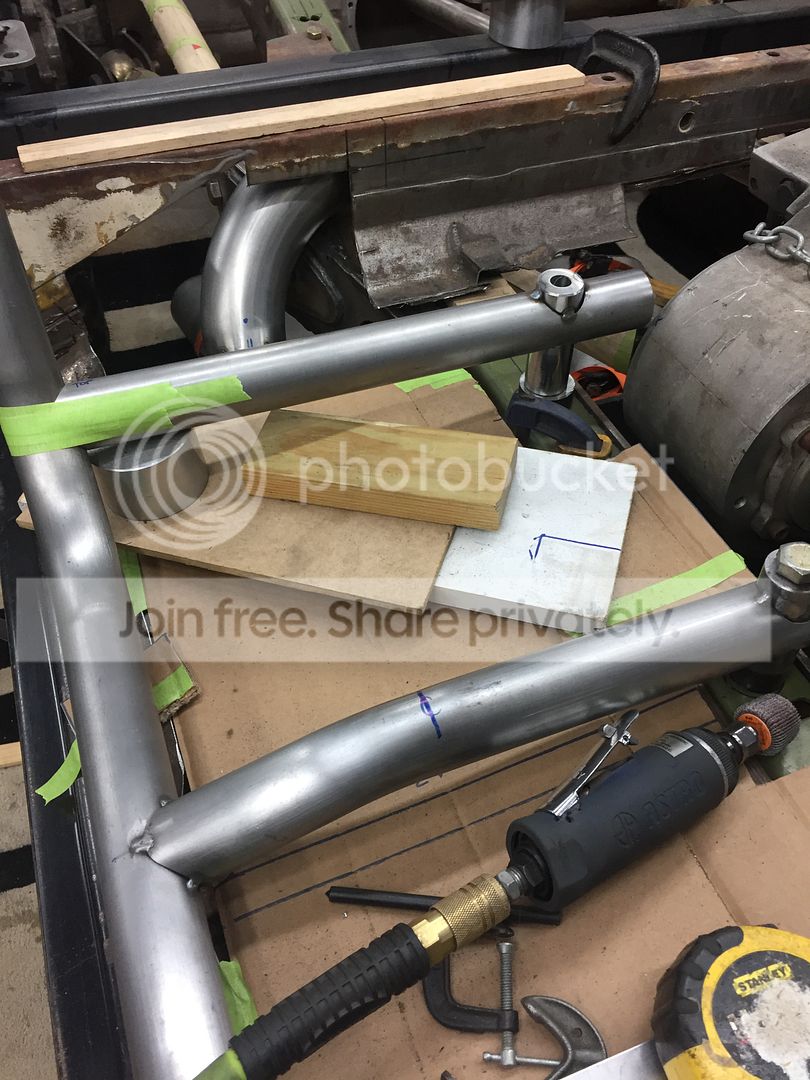
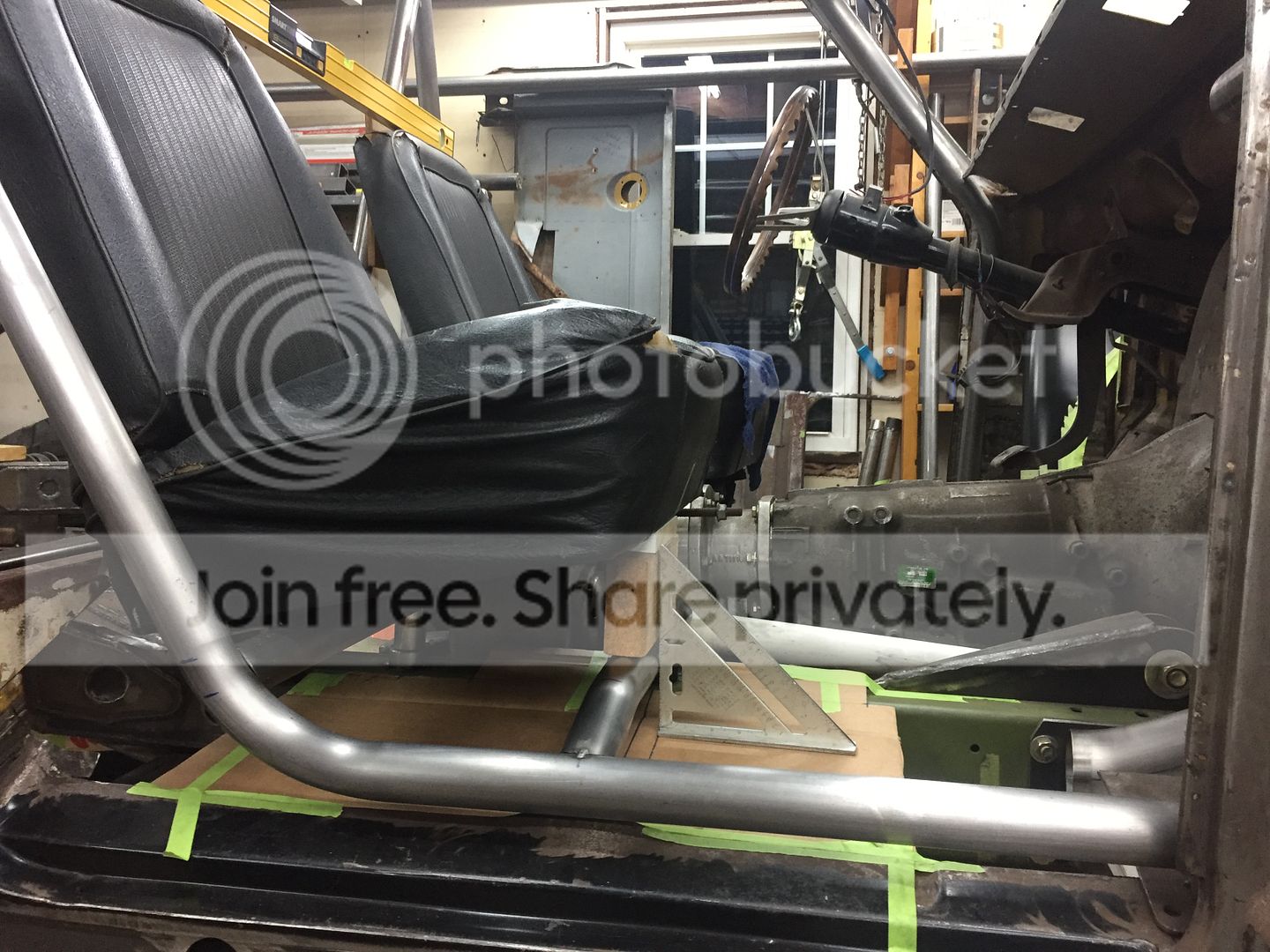
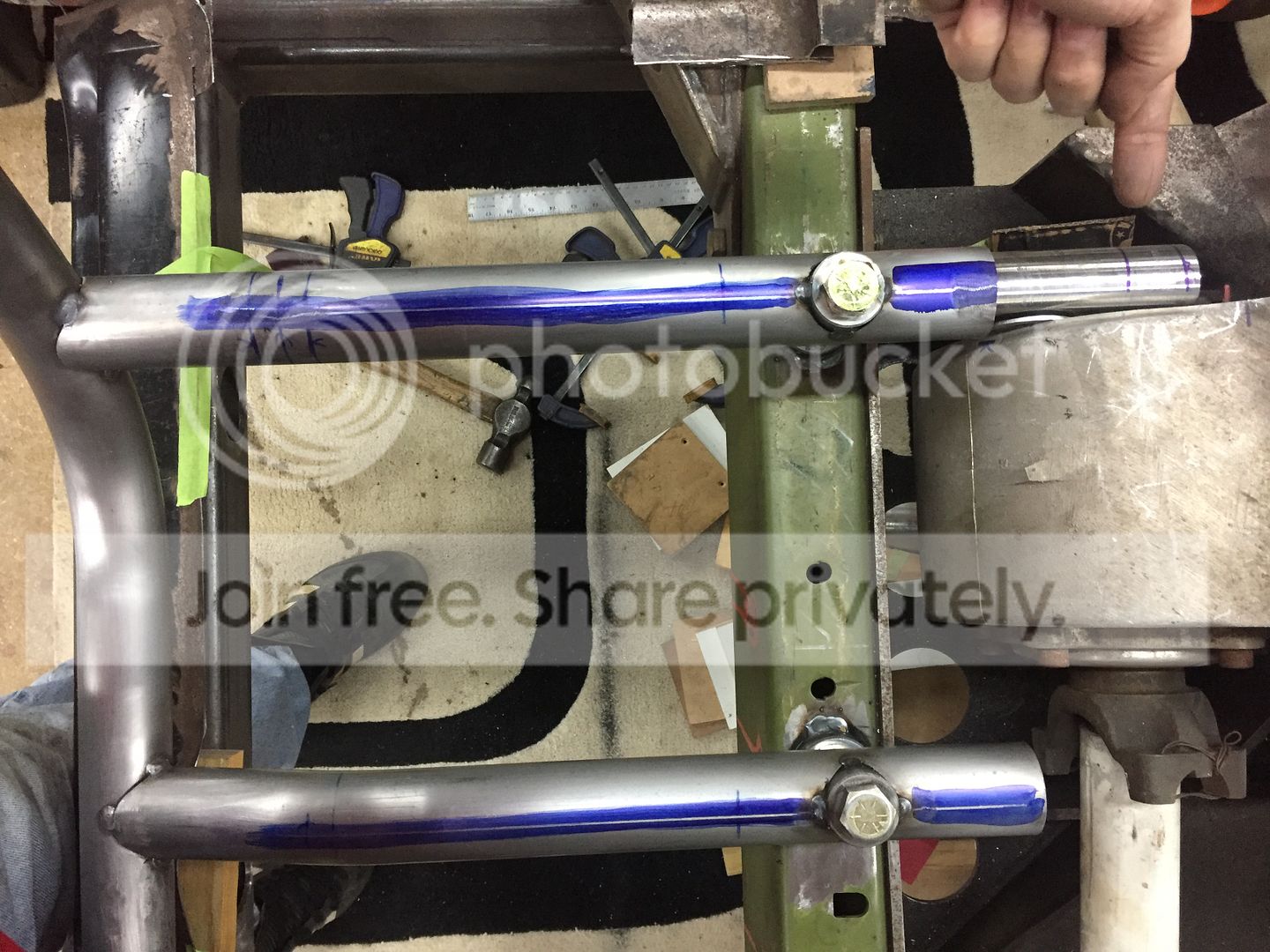
On the floor, some tubework was installed to provide mounting points for the seat. It was also important to avoid welding the tubes directly to the frame since the floor still needs to be installed, and the entire rollcage needs to be removable. So some heavywall DOM vertical slugs were dropped into place and sit on a small 3/4" threaded bung that is permanently welded to the frame below it. This allows the entire system to be locked together once the cage is bolted in, and since this truck doesn't have any body mount bushings anymore... the assembly should be incredibly rigid.
By around 11:30PM last night, it was finally time to drop the seat back down into position and confirm that everything was lining up well. I was pleased to see that the seatback angle was good, the overall height of the passenger seat (as compared to the unmodified drivers seat) was identical and the seat was as far back against the cagework as it can possibly go. It was a "win" all the way around.
So the next step will be to build the intermediate framework that will attach to the bottom of the seat tracks and then weld to those new tubular structures on the floor. The final step will be to dream up some way to pivot the seat forward and design a positive-locking mechanism that will hold the rear seat track area down tight, strong and safe!
-G
Ah, so it'll slide AND pivot forward? Might be interested in redoing mine if you come up with something that works well.


Pffff comin from someone without a rig and hasn't driven in how long? Drive the dirt road out of Pritchett`e and all of a sudden you know a thing or two huh?The seats aren't awful off road. I wheeled an extremely similar seat in my Blazer (73)
Pffff comin from someone without a rig and hasn't driven in how long? Drive the dirt road out of Pritchett`e and all of a sudden you know a thing or two huh?

I do recall a certain video of Horton falling upside down about 14' and landing on a rock with Eric in there...Pffff comin from someone without a rig and hasn't driven in how long? Drive the dirt road out of Pritchett`e and all of a sudden you know a thing or two huh?


I have to ask... you are updating, upgrading everything except the late 60's early 70's seating technology... why? And no the tracks don't count. lol


