CK5
Register an account today to become a member! Once signed in, you'll be able to participate on this site by adding your own topics and posts, as well as connect with other members.
Sounds like the temps may not be as big of a deal as I thought......

from the TCI website http://www.tciauto.com/tc/trans-life-expectancy

The ideal operating temperature for automatic transmission fluid is between 175 and 225° F. At approximately 240° F, important additives in the ATF begin to cook. The result is the formation of varnish inside the transmission. At approximately 260° F, internal transmission seals (which are typically manufactured from a polyacrylate material) begin to harden. The end results are leaks, both internal and external, simply because the seals lose their elasticity. At approximately 295° F, transmission clutch plates begin to slip because the oil is breaking down further. At approximately 315° F, seals and clutches effectively burn out. Carbon forms in the oil and for all intents and purposes, the transmission is junk. Just for your information, a typical transmission will die within 2000 miles if subjected to 300° F+ heat.
I know and yet I just get all wound up when they hit 180 even tho I tell myself it's fine. 95% of the driving I do the 4l80e is running 150 to 165.
 
I know and yet I just get all wound up when they hit 180 even tho I tell myself it's fine. 95% of the driving I do the 4l80e is running 150 to 165.

what kind of fitting are you using for the temp sensor at the cooler?
 
After a short piece of hose from the radiator fitting I used a tee with 3 NPT female ends. Threaded 3/8 NPT to 6 an adapters in 2 ends and a 3/8 to 1/8 npt bushing for the sender in the third end. Have to remember to add a ground wire from the tee or the sender doesn't work.
 
I didn't want to thread the tee straight to the radiator because I was afraid vibration or even an accidental impact would crack or break the fitting or the radiator header.
 
I didn't want to thread the tee straight to the radiator because I was afraid vibration or even an accidental impact would crack or break the fitting or the radiator header.

I was thinking about putting it inline closer to the trans output, I could run the sender wire with the other coming from the pan temp sensor.
 
my trans temp sender is in the remote filter bracket, after the oil leaves the trans and b4 it hits the coolers. I'm guessing that's Scotts return line back to the cooler. So same thing. Should be fine
 
Don't we have the same derale cooler? I still have my fan on a toggle switch and kick it on at like 150. For me the cooler itself isn't enough but it works for now.
 
Don't we have the same derale cooler? I still have my fan on a toggle switch and kick it on at like 150. For me the cooler itself isn't enough but it works for now.

Yeah same cooler and I use to run that alone. Now I use the radiator cooler before the auxiliary derale cooler which has helped.
 
Isn't trans temp supposed to be reading in the pan itself?
I don't know if there's any "official" specification on this. I think the theory for the pan is that tells you the fluid temp entering the trans. I like pulling the temps before it hits the coolers because to me that's more representative of the operating temperature.

The 4l80e has a temperature sensor from factory and it's not in the pan. Best I can find on the old interwebs is it's "on the valvebody". Funny thing is I haven't thought to compare the trans temp on the controller to my gauge mounted in the cooler line. I'm going to have to try that next time. Interesting to see how the compare.

my trans temp sender is in the remote filter bracket, after the oil leaves the trans and b4 it hits the coolers. I'm guessing that's Scotts return line back to the cooler. So same thing. Should be fine
Mine is essentially in the same place as yours; it's right before it goes into the first cooler.
 
Yeah I think a lot of the newer oem trans temp sensors are in the valve body itself. I know Ford does that. Manual trans temp sensors on the big trucks are always just screwed into a port on the case.
 
I don't know if there's any "official" specification on this. I think the theory for the pan is that tells you the fluid temp entering the trans. I like pulling the temps before it hits the coolers because to me that's more representative of the operating temperature.
I tend to agree. I don’t think there’s one perfect location for the temp probe, and each has a valid reason for selection.

Pre-cooler will tend to be higher, but is probably the most accurate read of demand on the fluid itself. I don’t like using the return line since it a lagging indicator of what’s going on inside the transmission and of demand on the fluid. I have come to prefer putting the probe at the back of the pan, where I get a good average of demand on the trans as well as demand on the fluid.

My fluid runs to the external cooler, then back through the low pressure side of the radiator before returning to the trans. Cruising, the ATF doesn’t get above 180/190, and is routinely lower on long flat sections where the TC is locked, indicating that the ATF is actually absorbing some heat from the coolant in the radiator. On a long grade, 1:1 3rd, TC unlocked, my temps will move steadily up to 220 and sit there. The engine fan is usually engaged at that point, too.

With the probe at the back of the pan, my coolant and ATF temps move somewhat in parallel, with the coolant being just a bit quicker to register the immediate demands of the hill climb and the ATF holding on to that heat until back locked up and cruising. All this, and I have a 1700 stall converter.

Echoing @mrk5, I don’t think there’s a wrong location for the temp probe (except maybe outside the fluid path), but it’s most important that you’re familiar with where temps should be at a given load/speed/rpm. A 4L80E, with its lockup and control features will change the game for sure.

One other thought - Dex6 can take repeated beatings and shrug it off. When @Spork929 and I ran Pikes Peak, everything was hot and stayed hot - no boiling or burning; just operating at the very top of the normal range before you might consider pulling over. That same fluid is still bright red and running in the suburban. I don’t see old school Dex3 performing the same.

David
 
I'm having a similar experience with temps at 180-190 cruising around and then it will hit 220 and stay there, drop down once I go downhill usually. Keep in mind our trips are going from 80 feet elevation to 8k+ usually so there is a fair amount of climbing going on. I was told to run Dex III by the builder and that's what I run, fluid looks fine. I'll be separating and re-insulating those lines before the next trip to Butte County in late July.
 
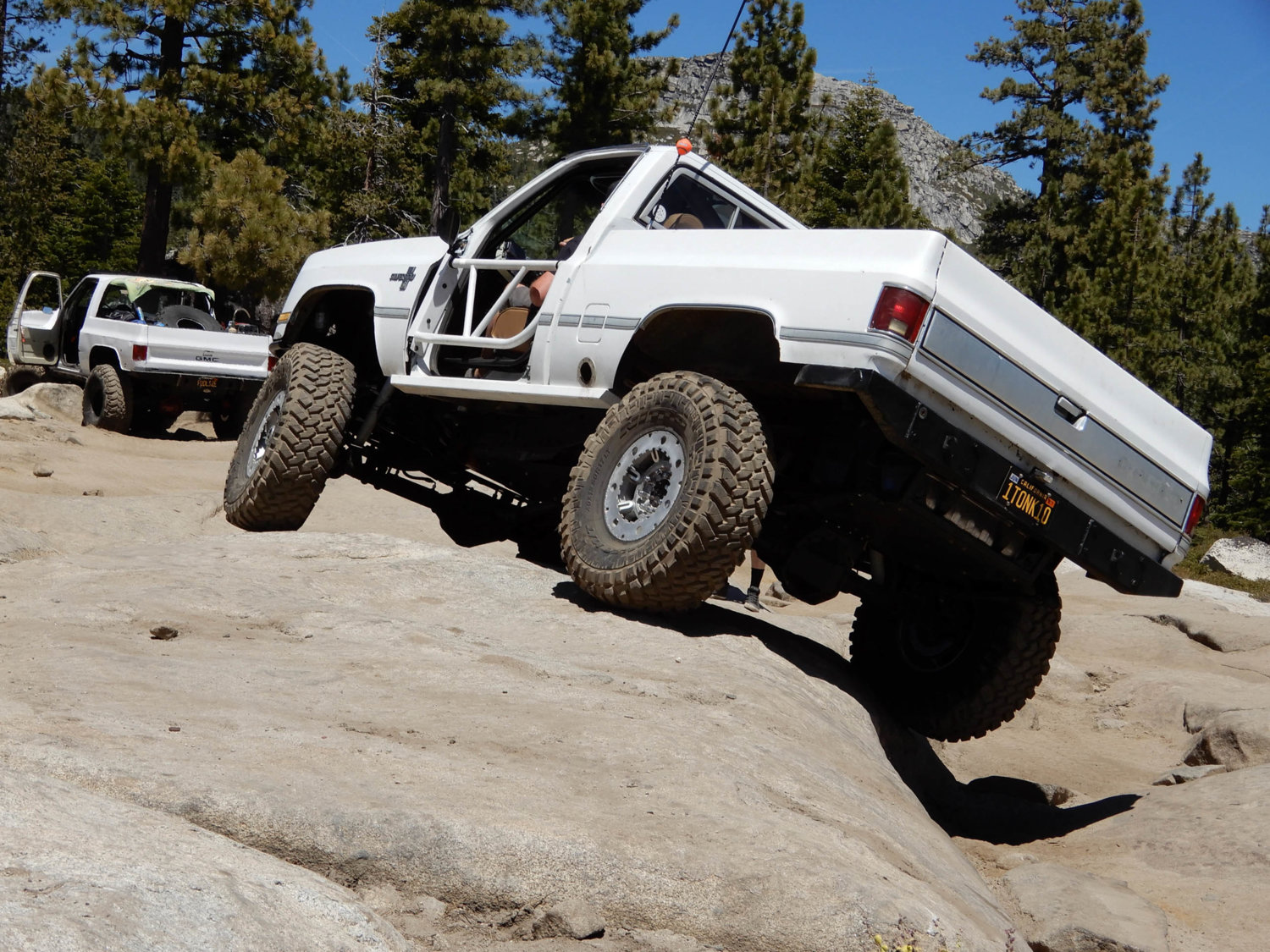
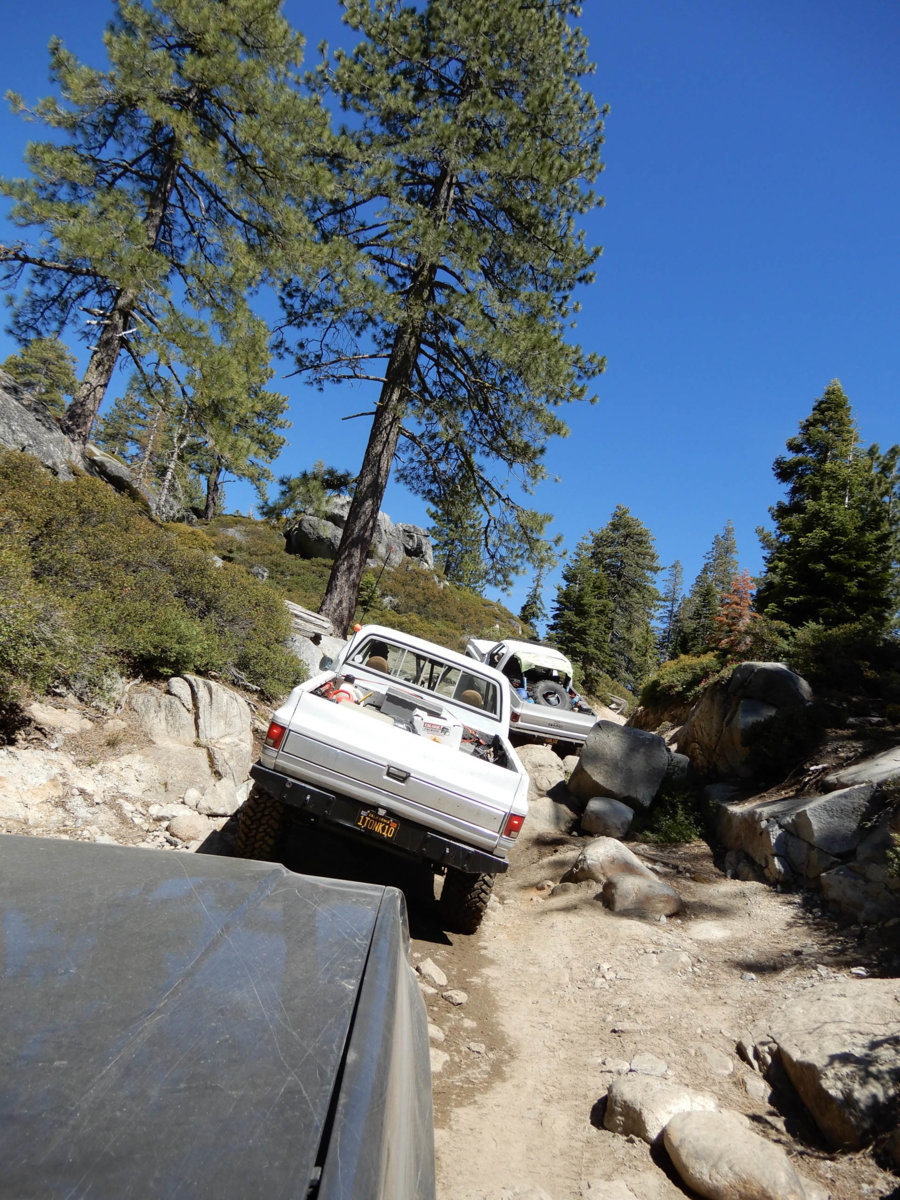
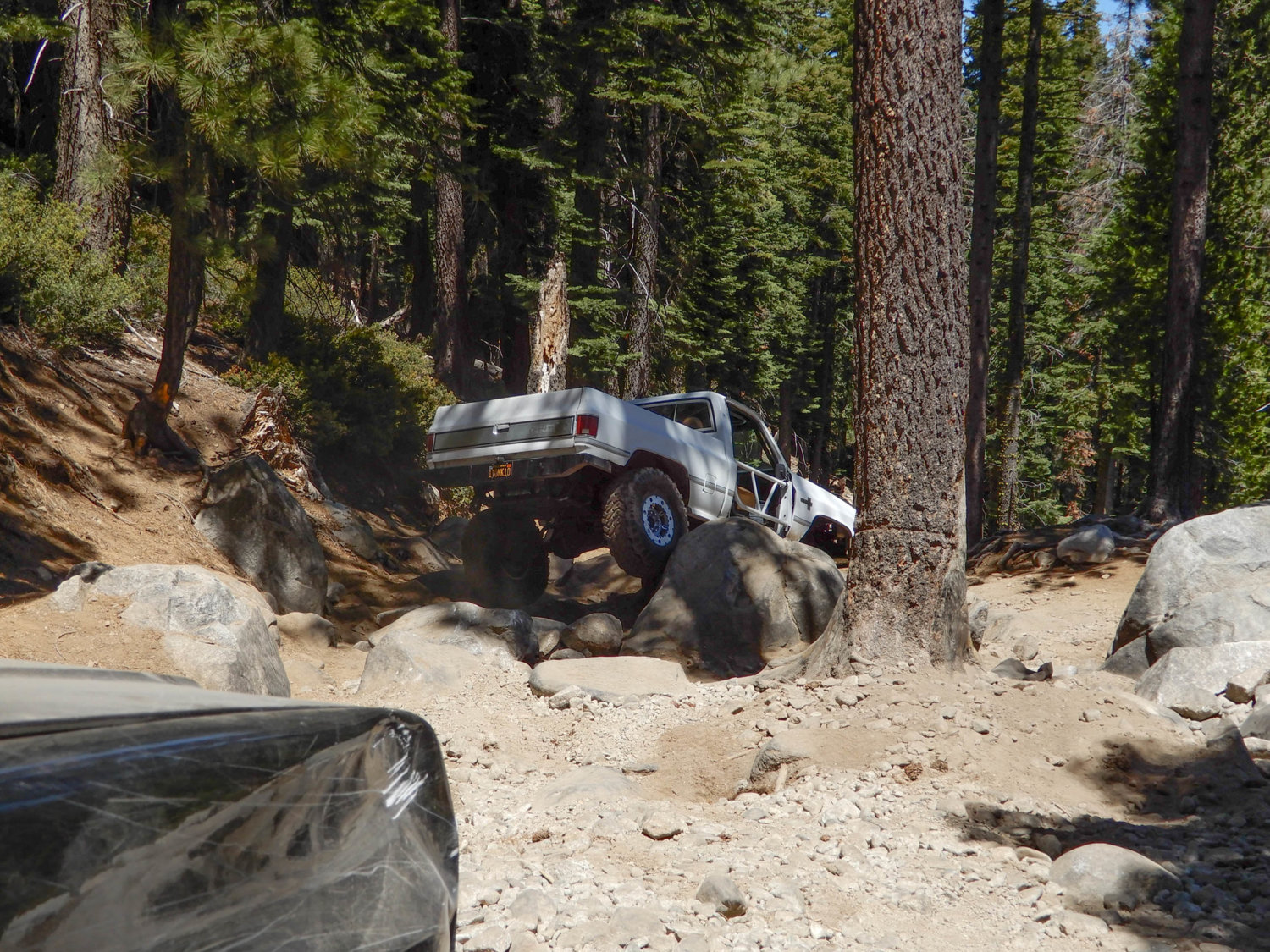
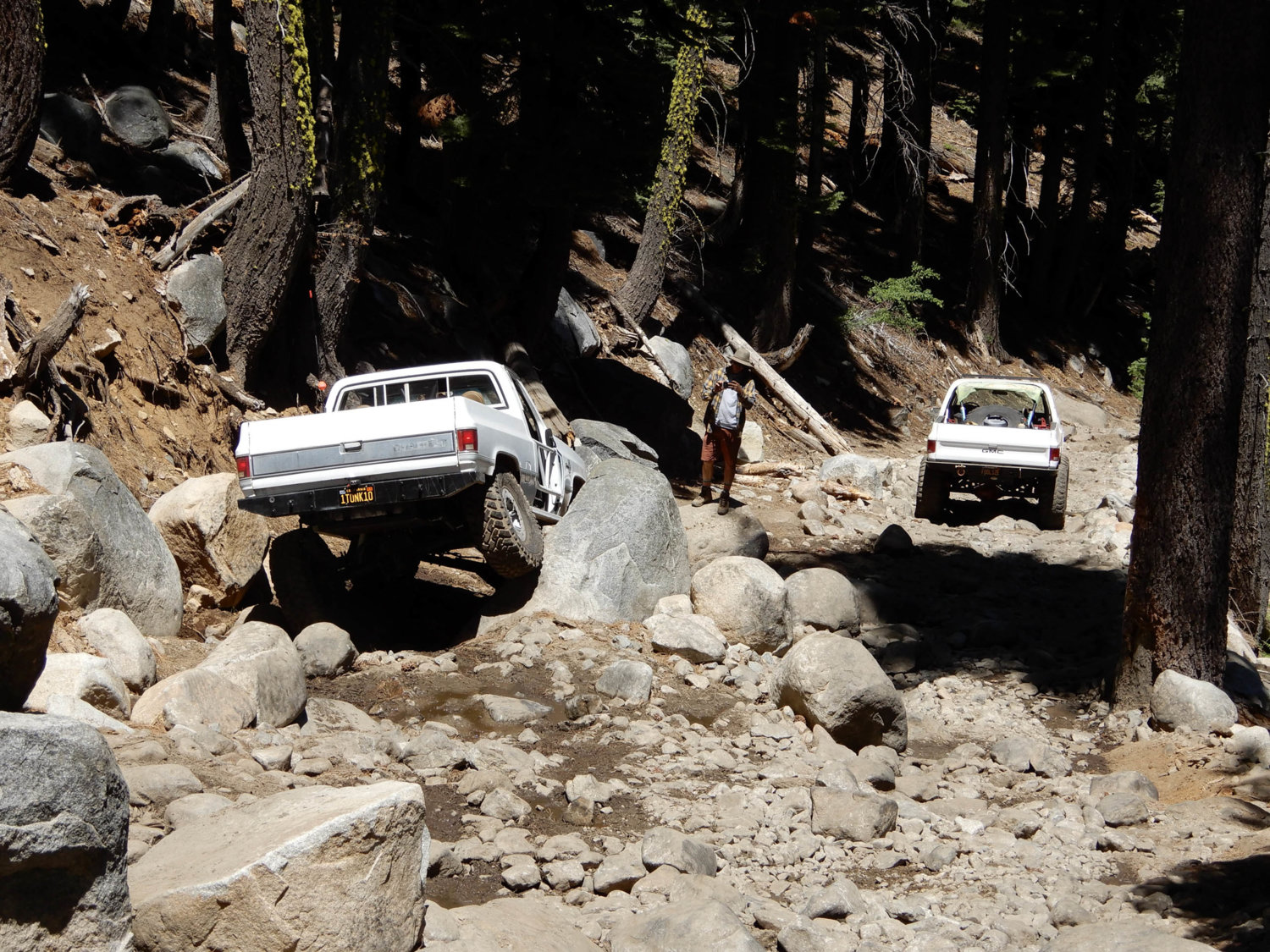
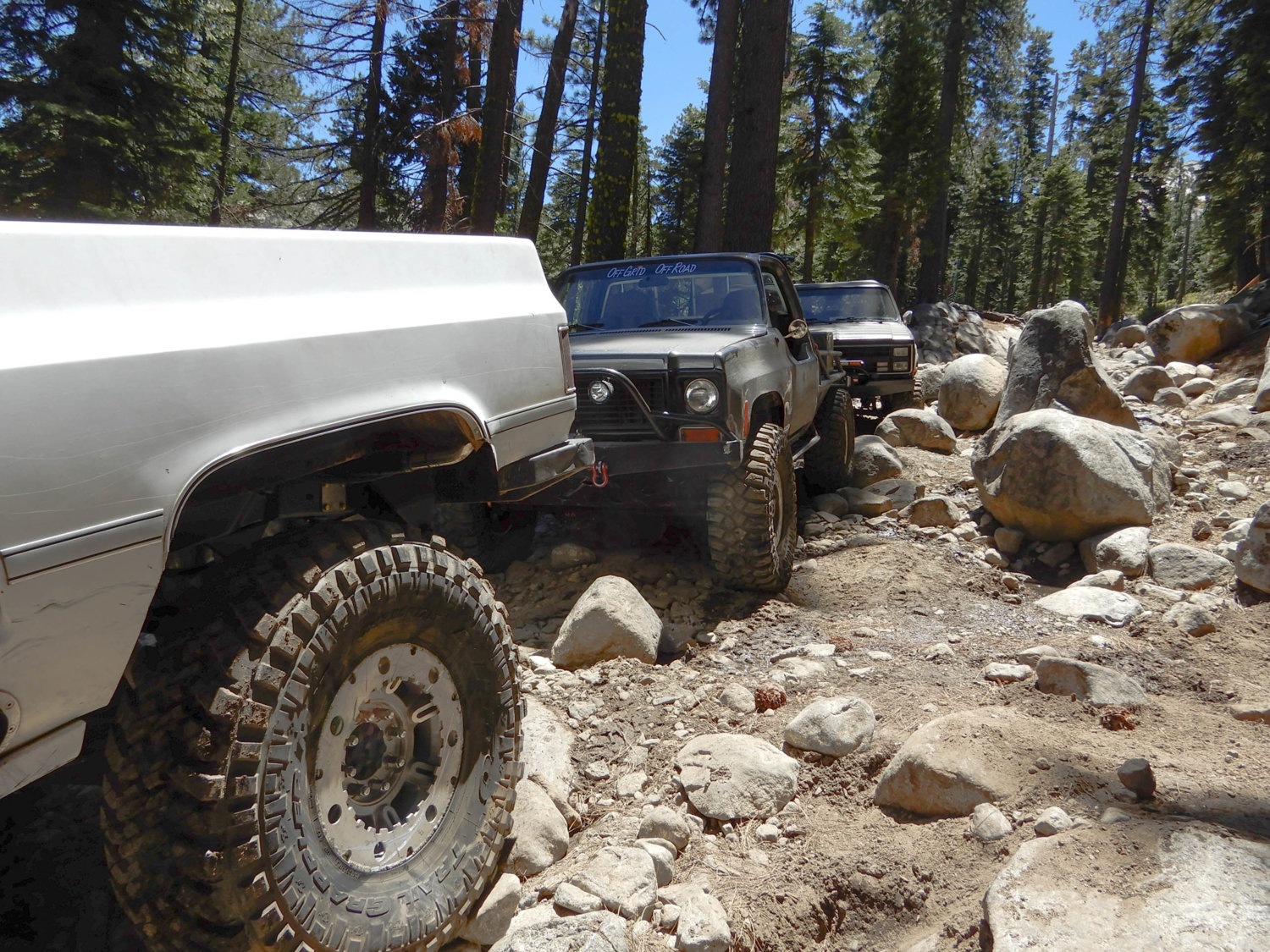
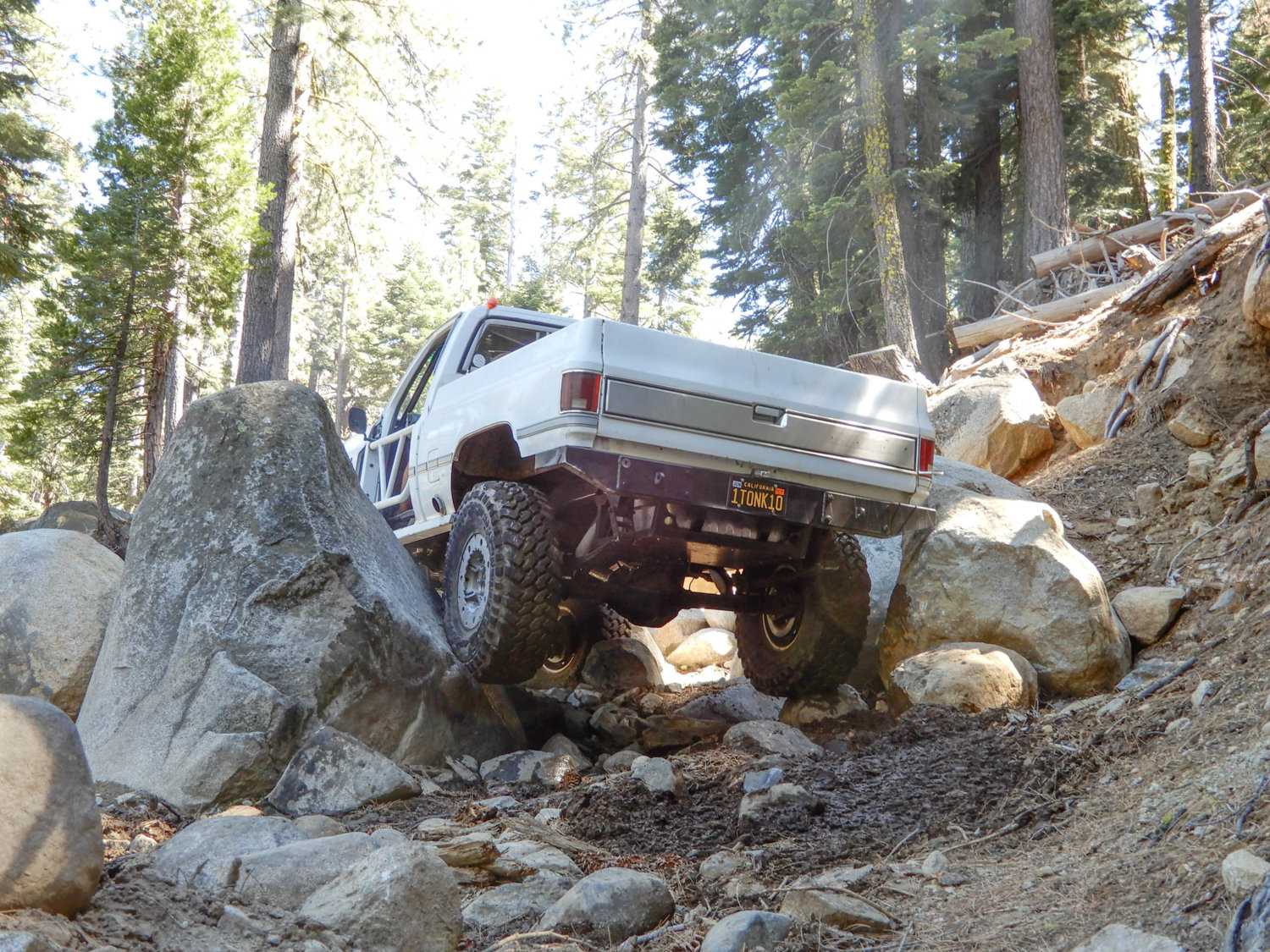
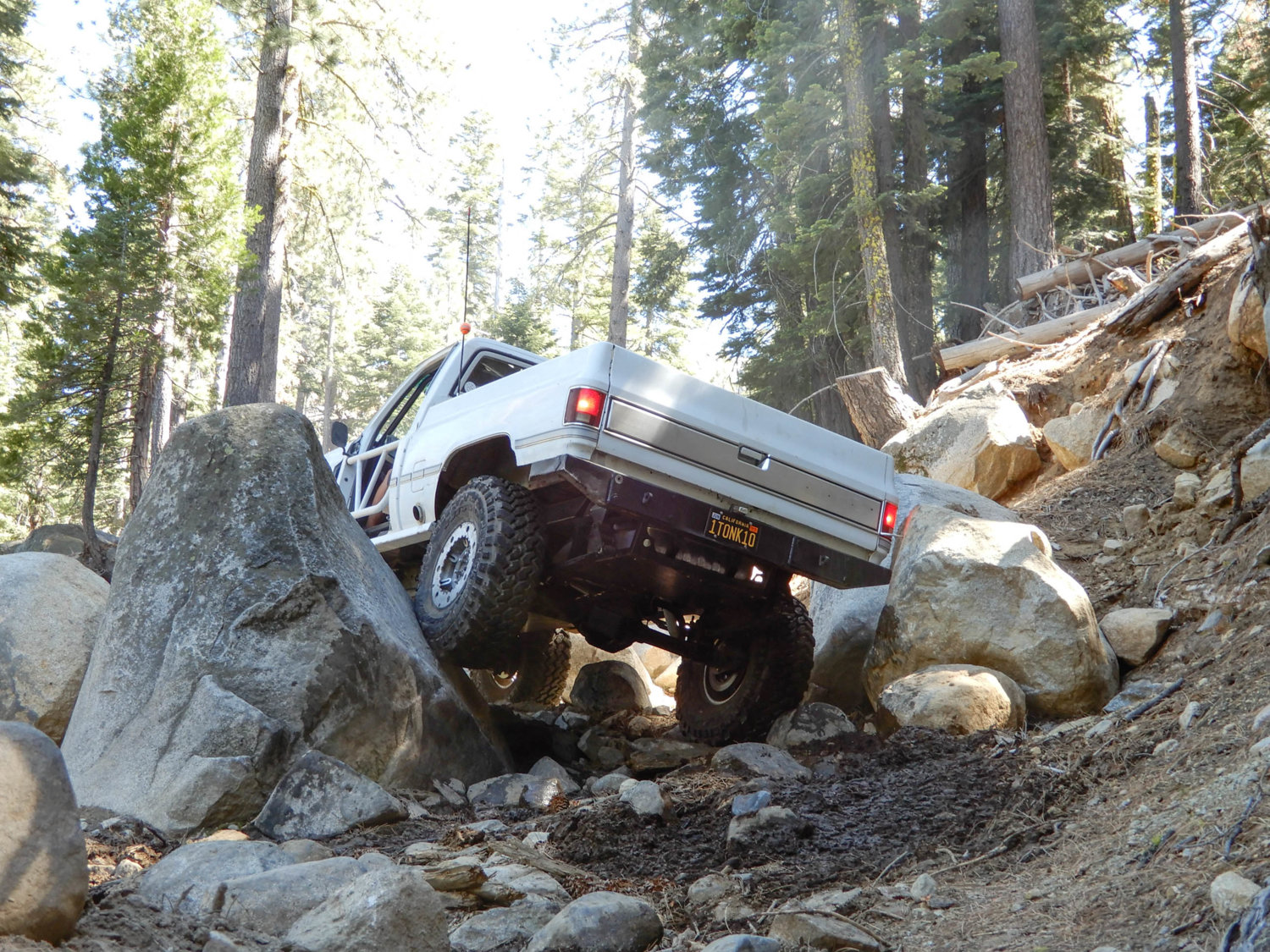
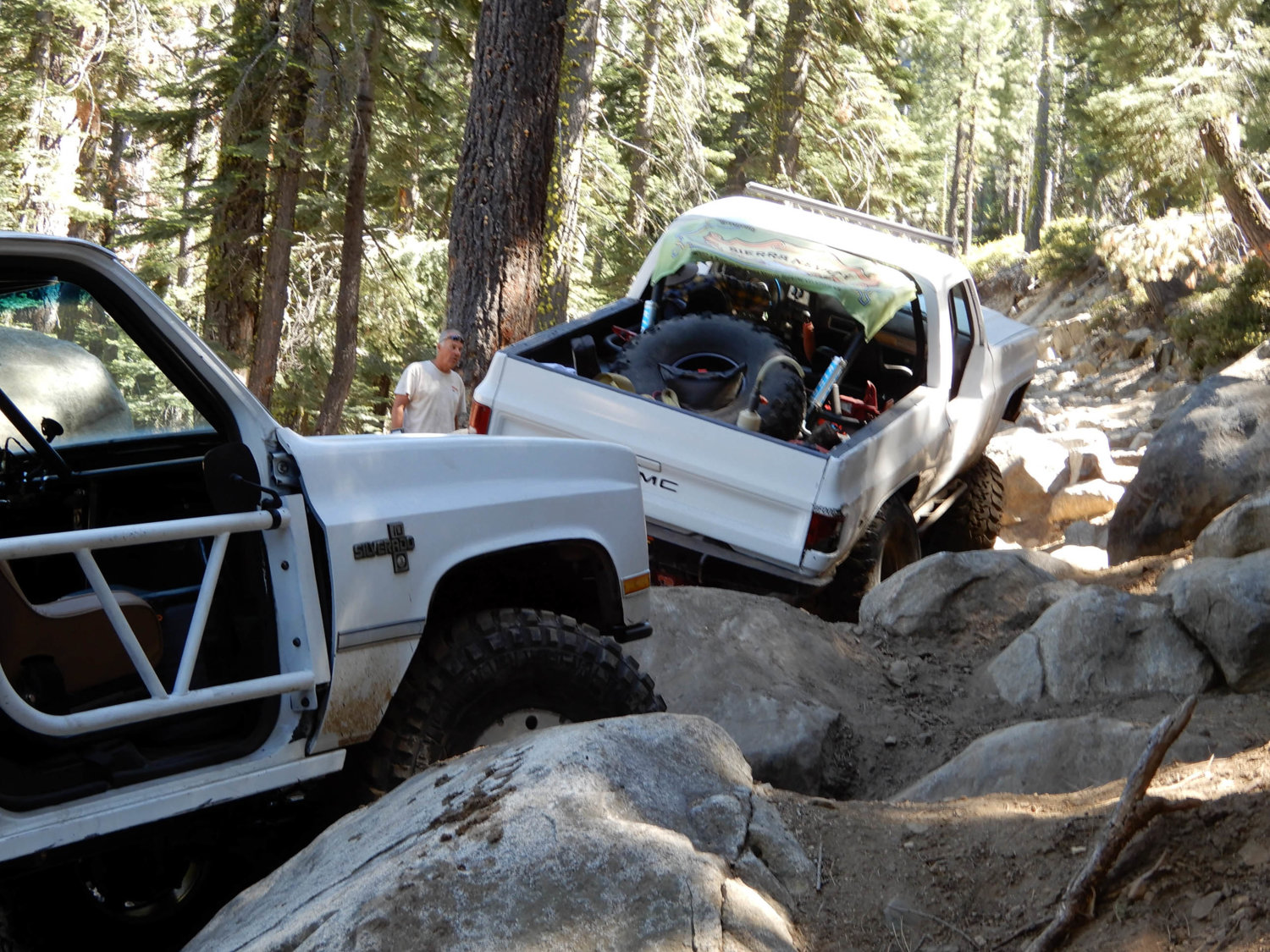
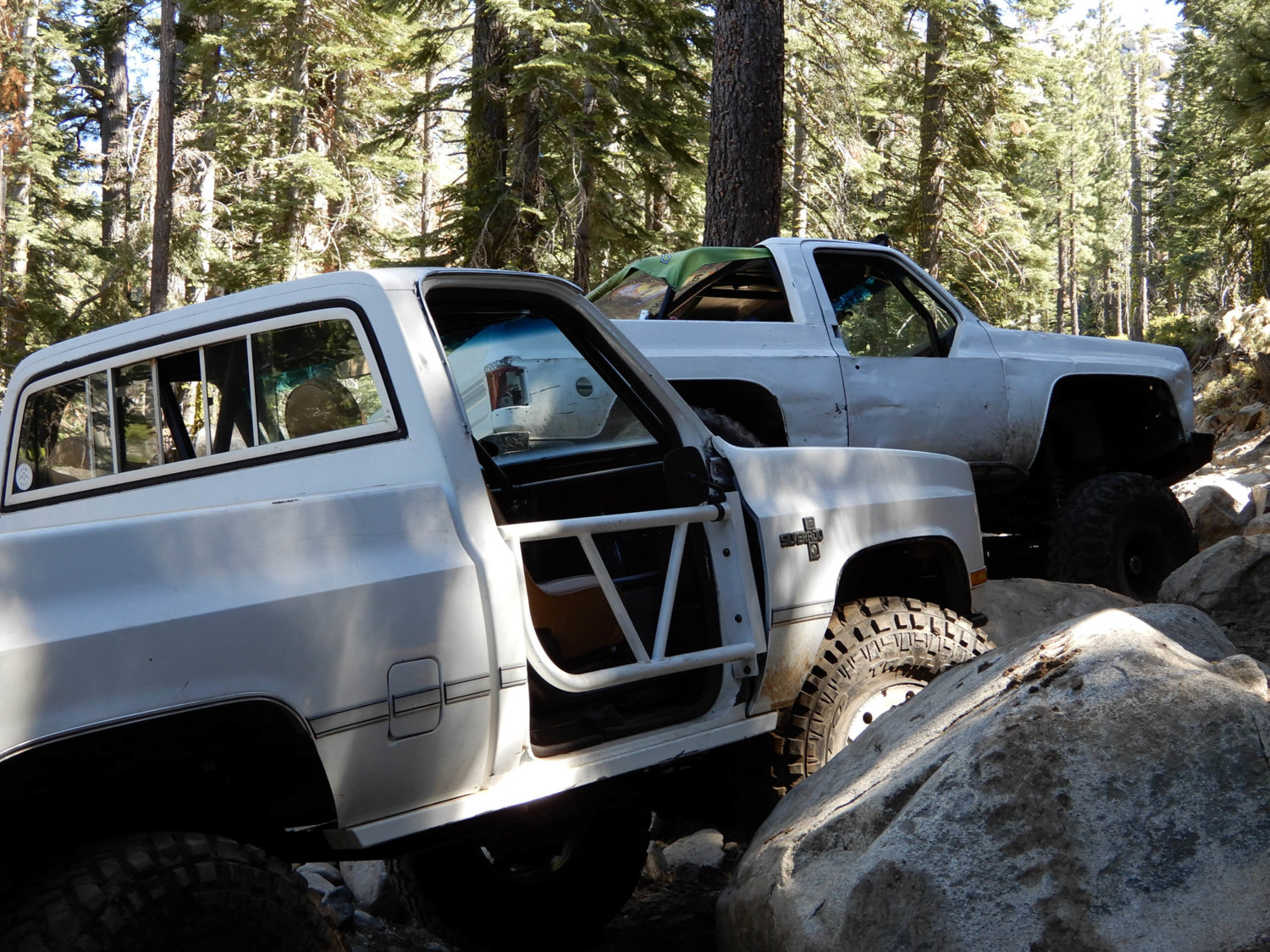
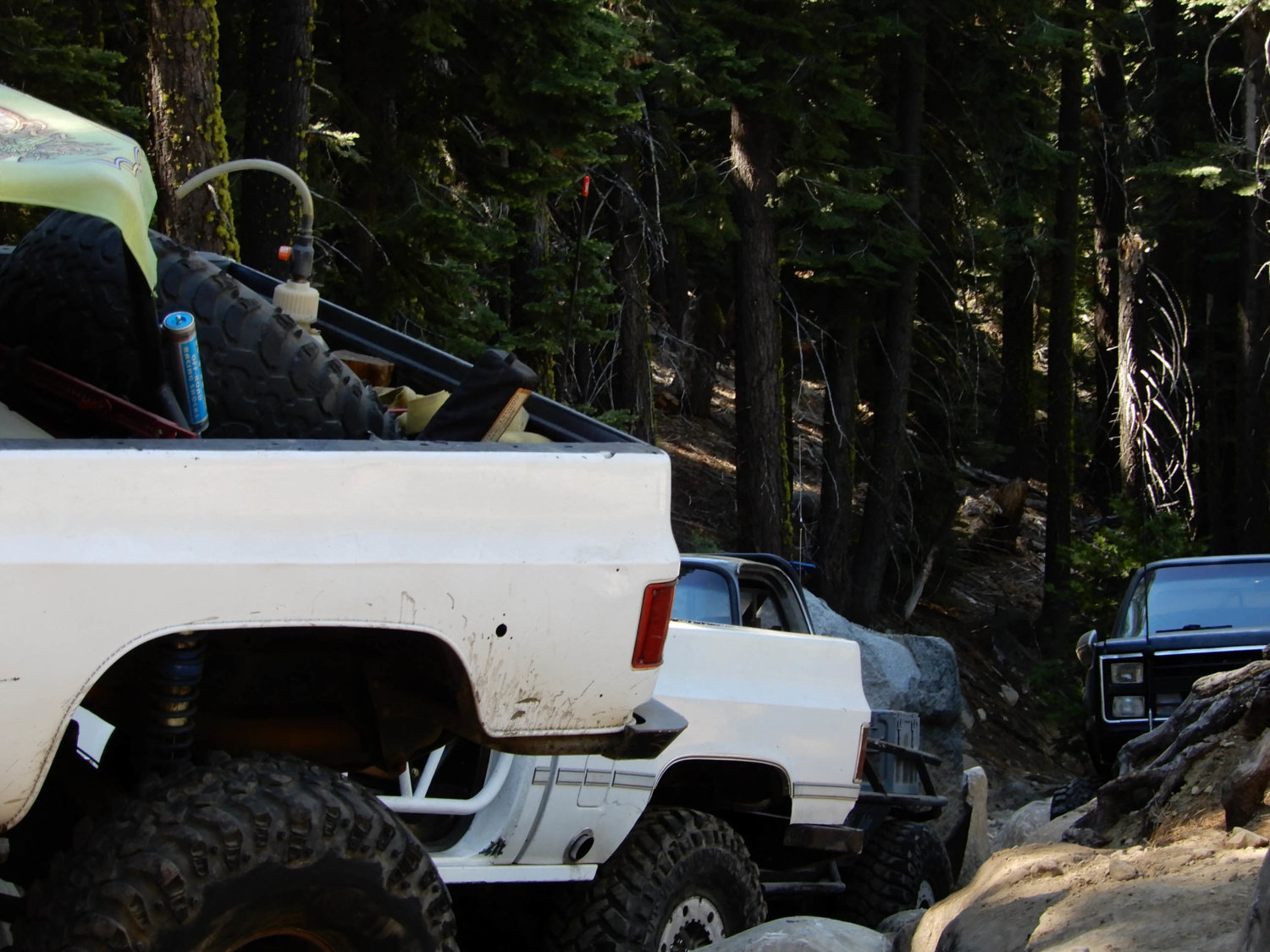
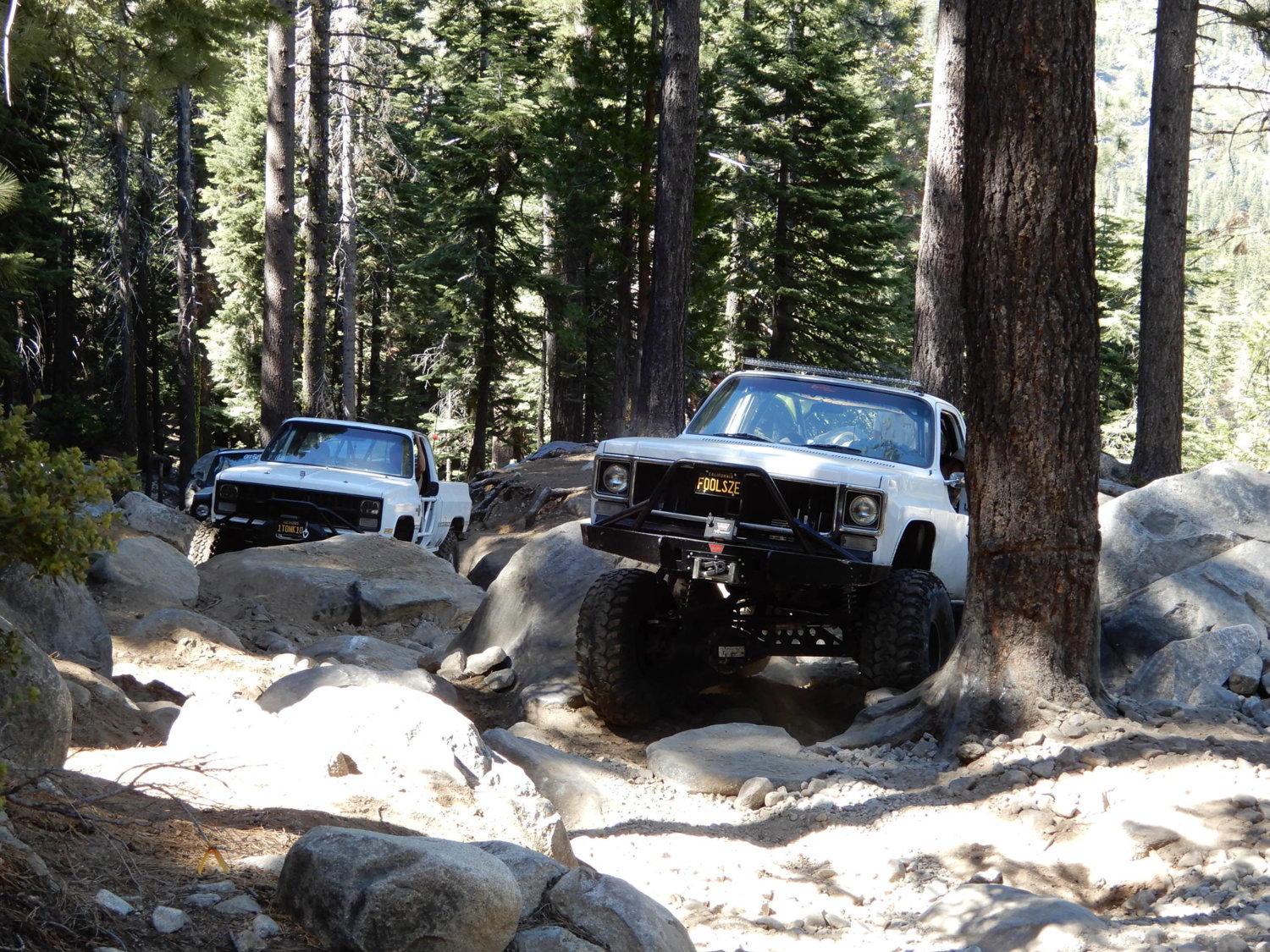
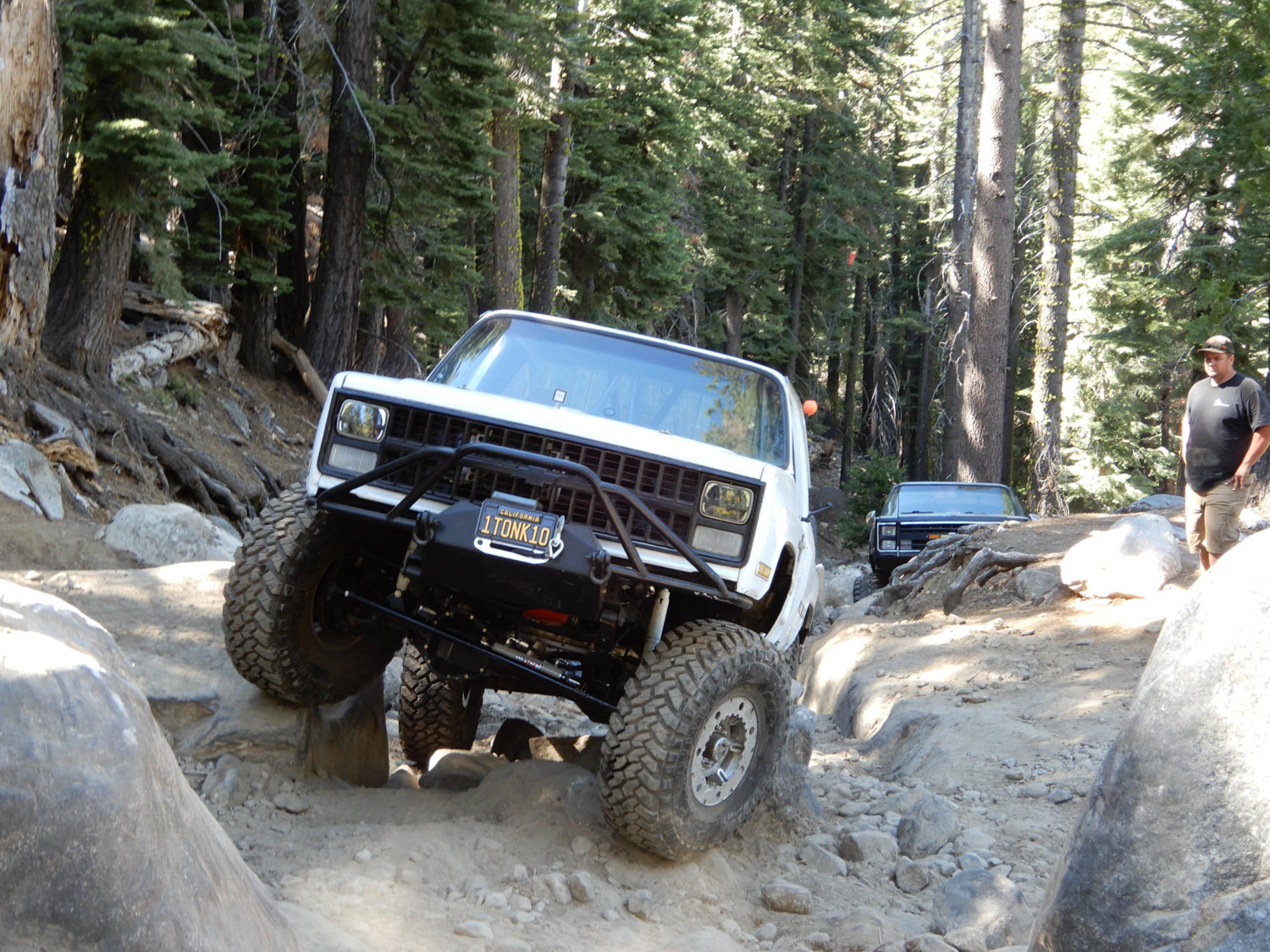
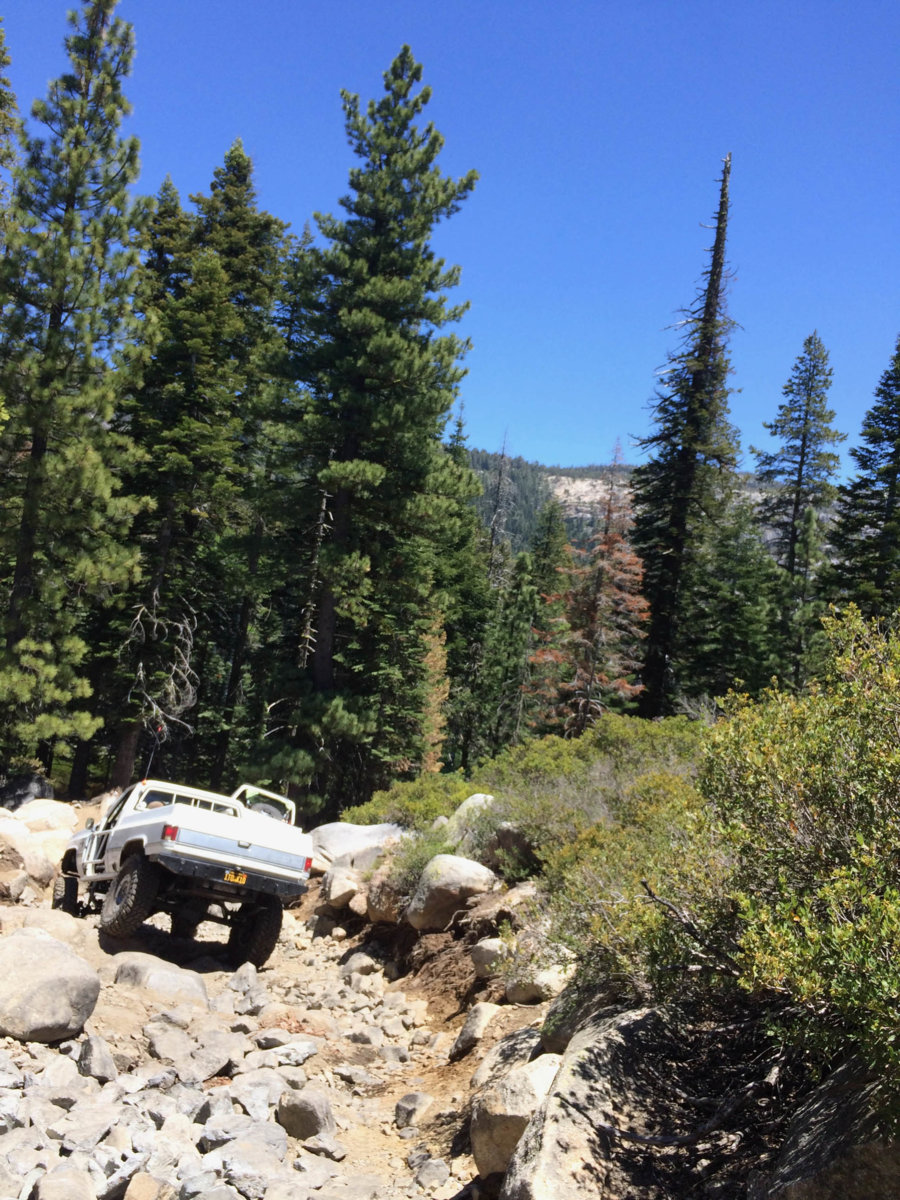
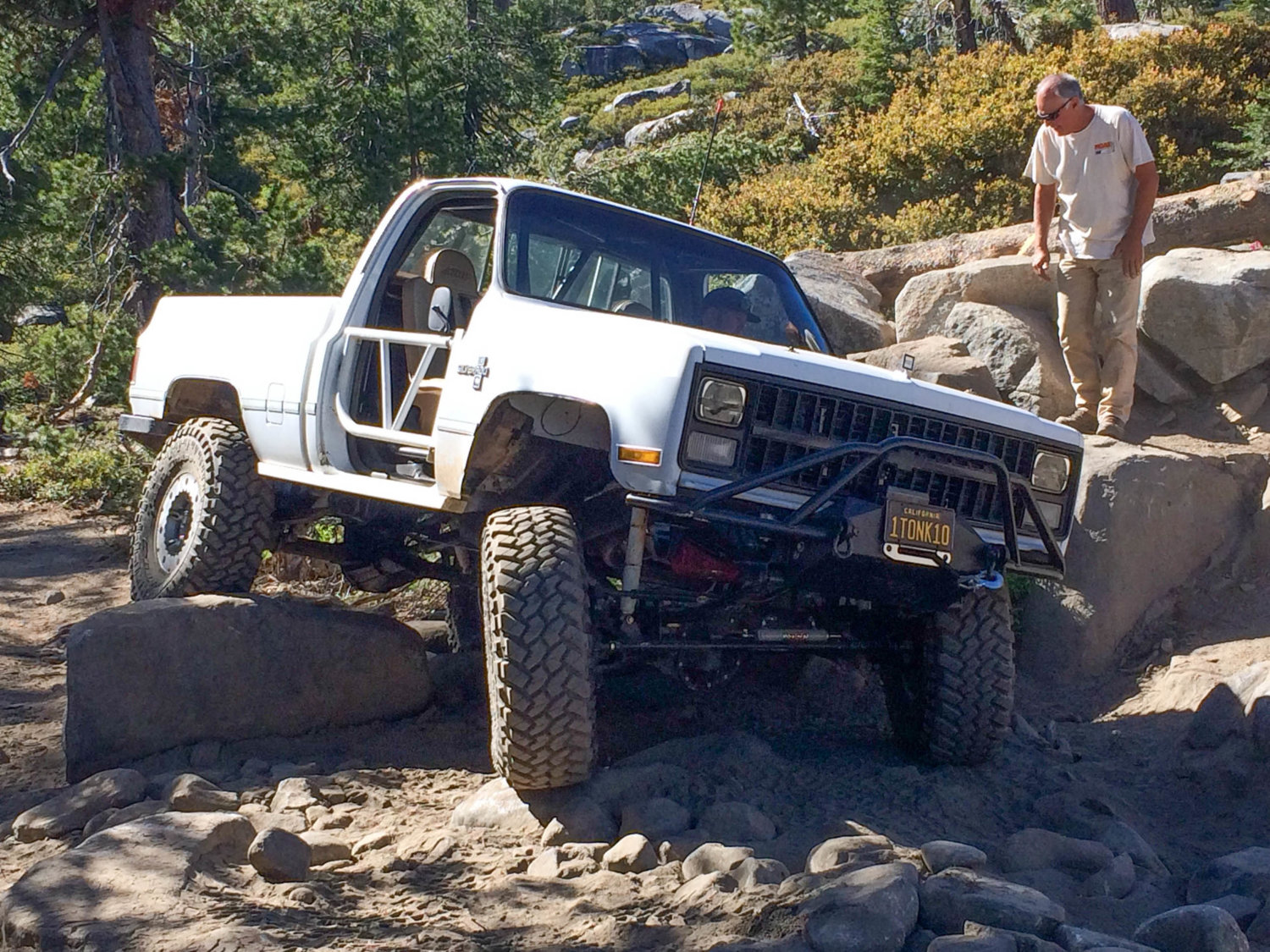
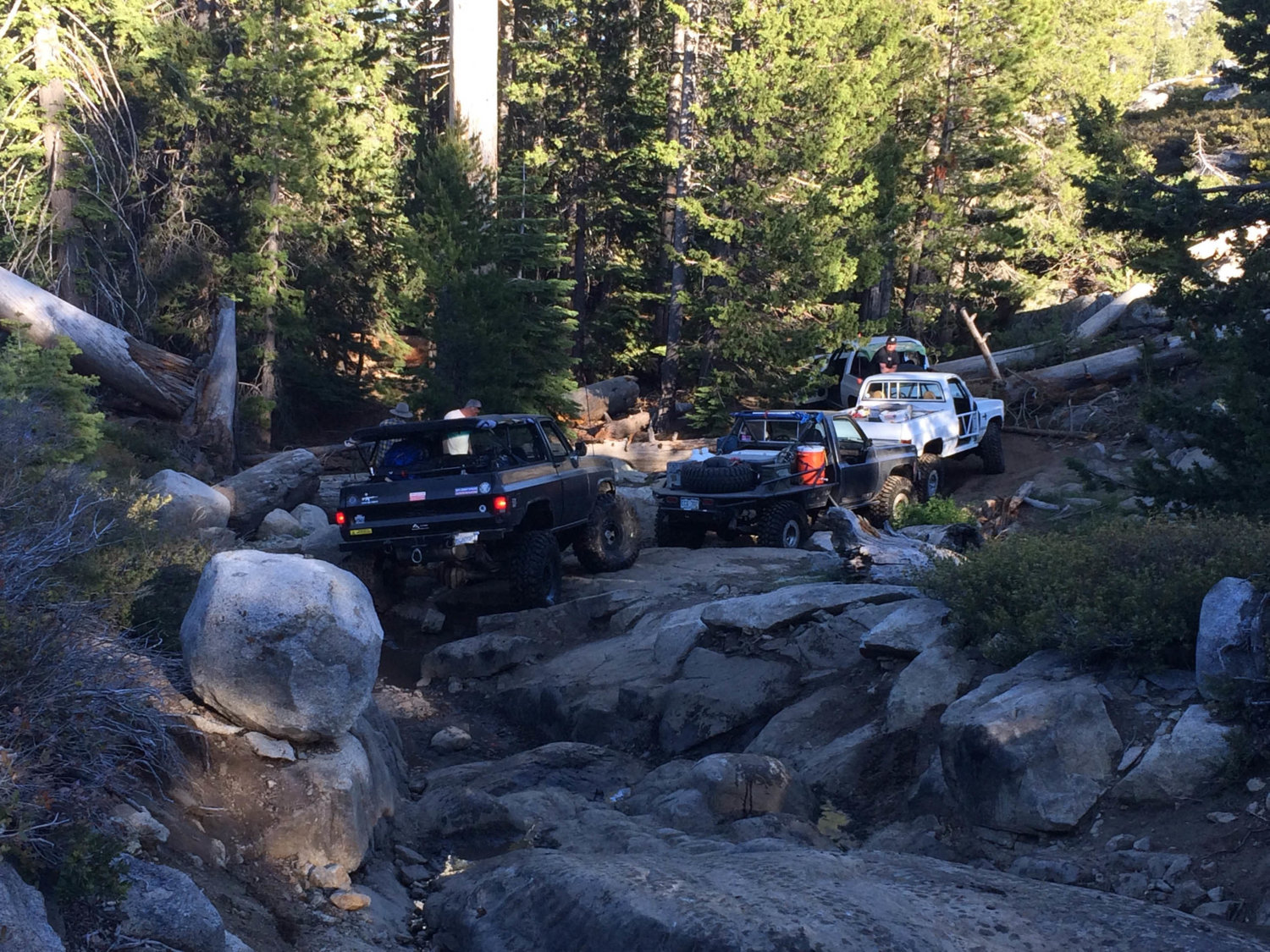
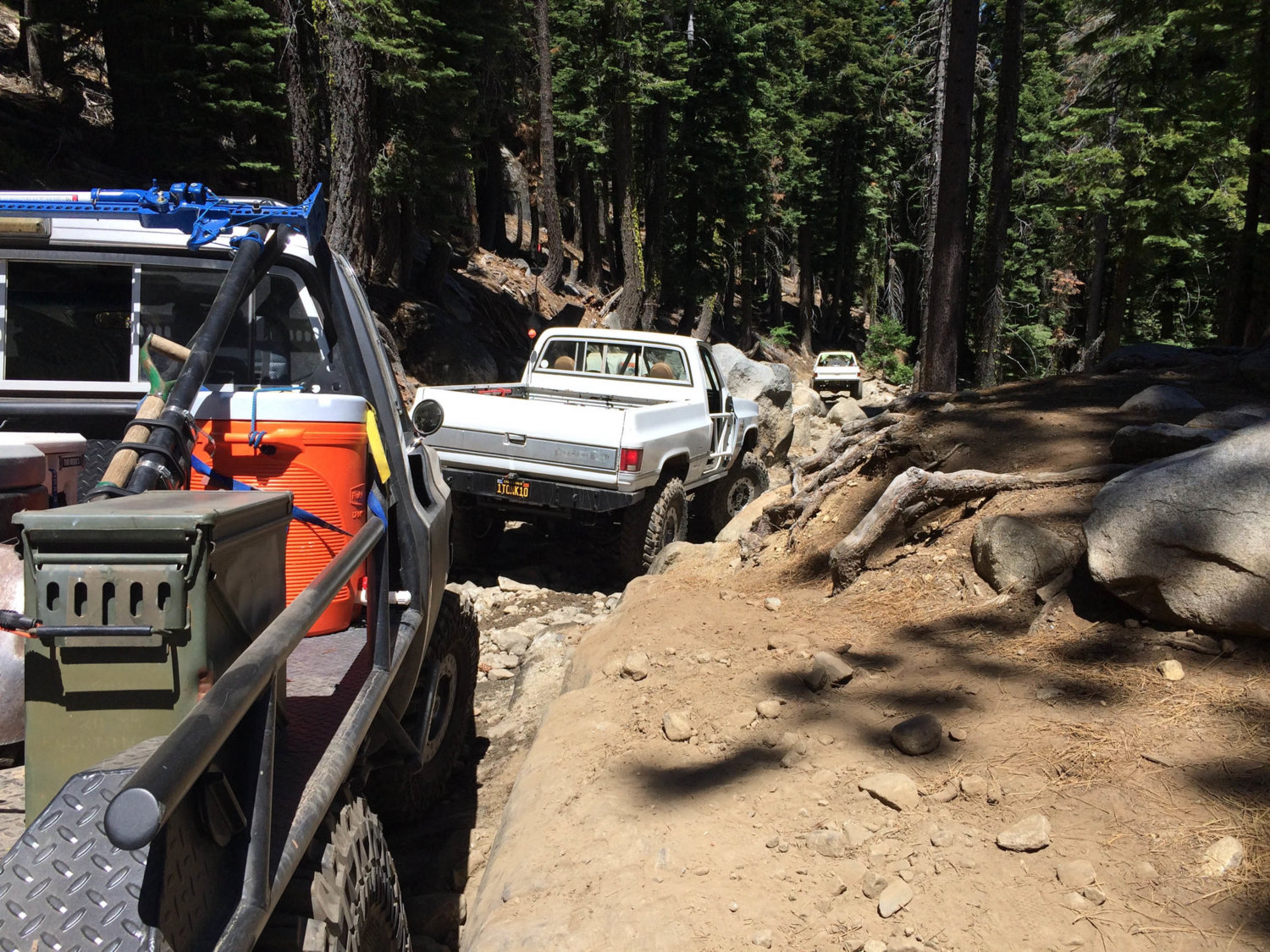
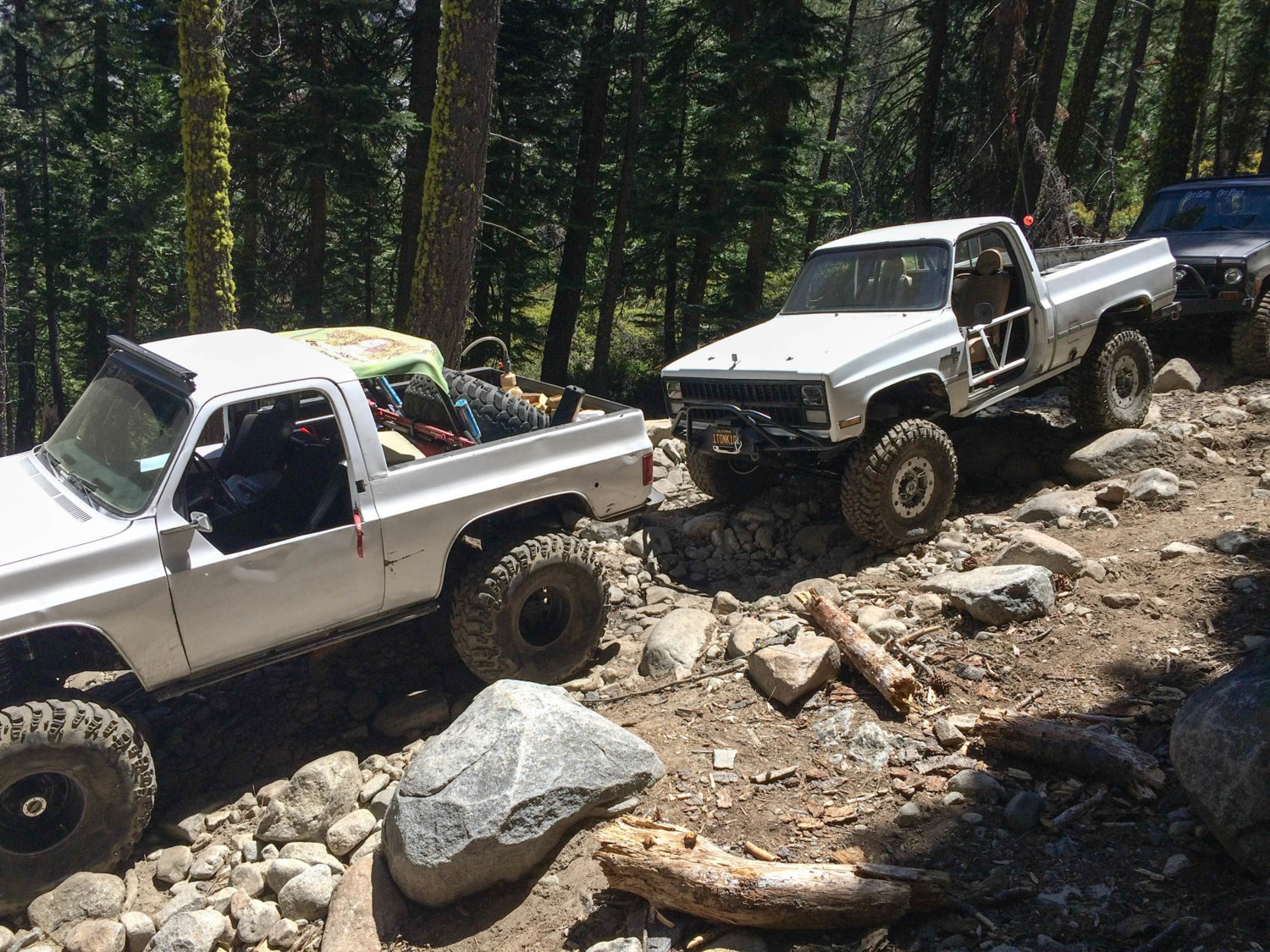
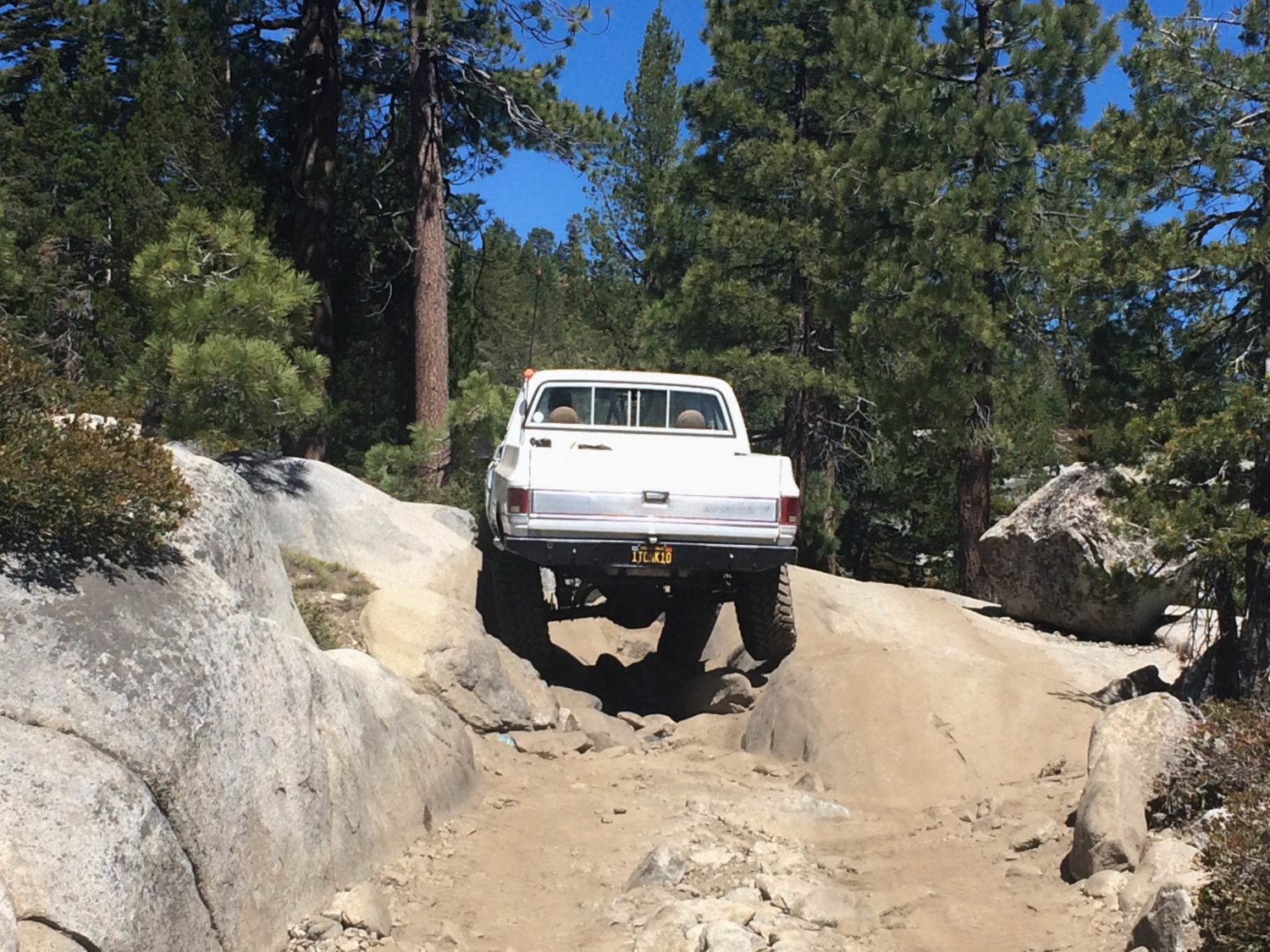
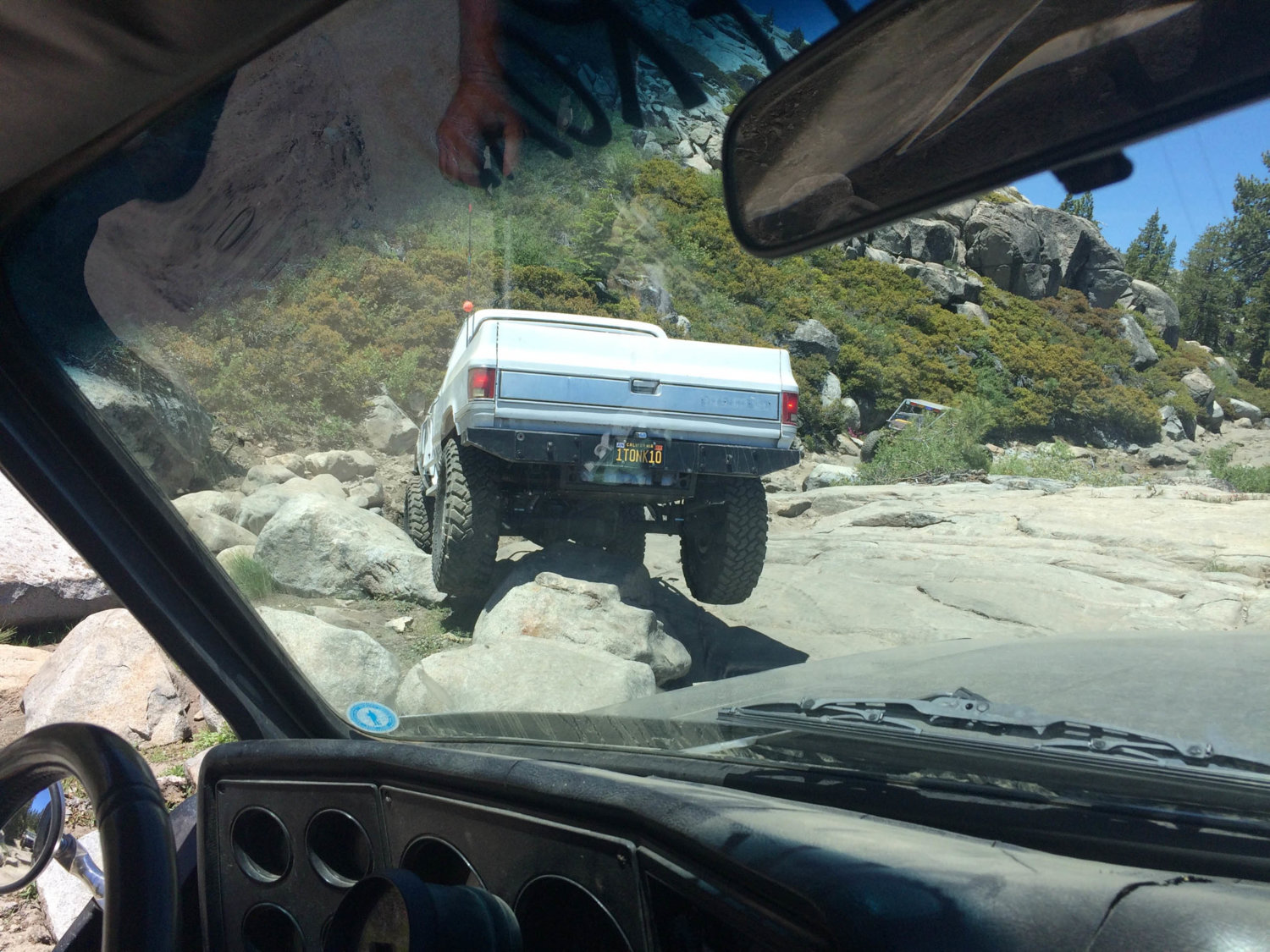
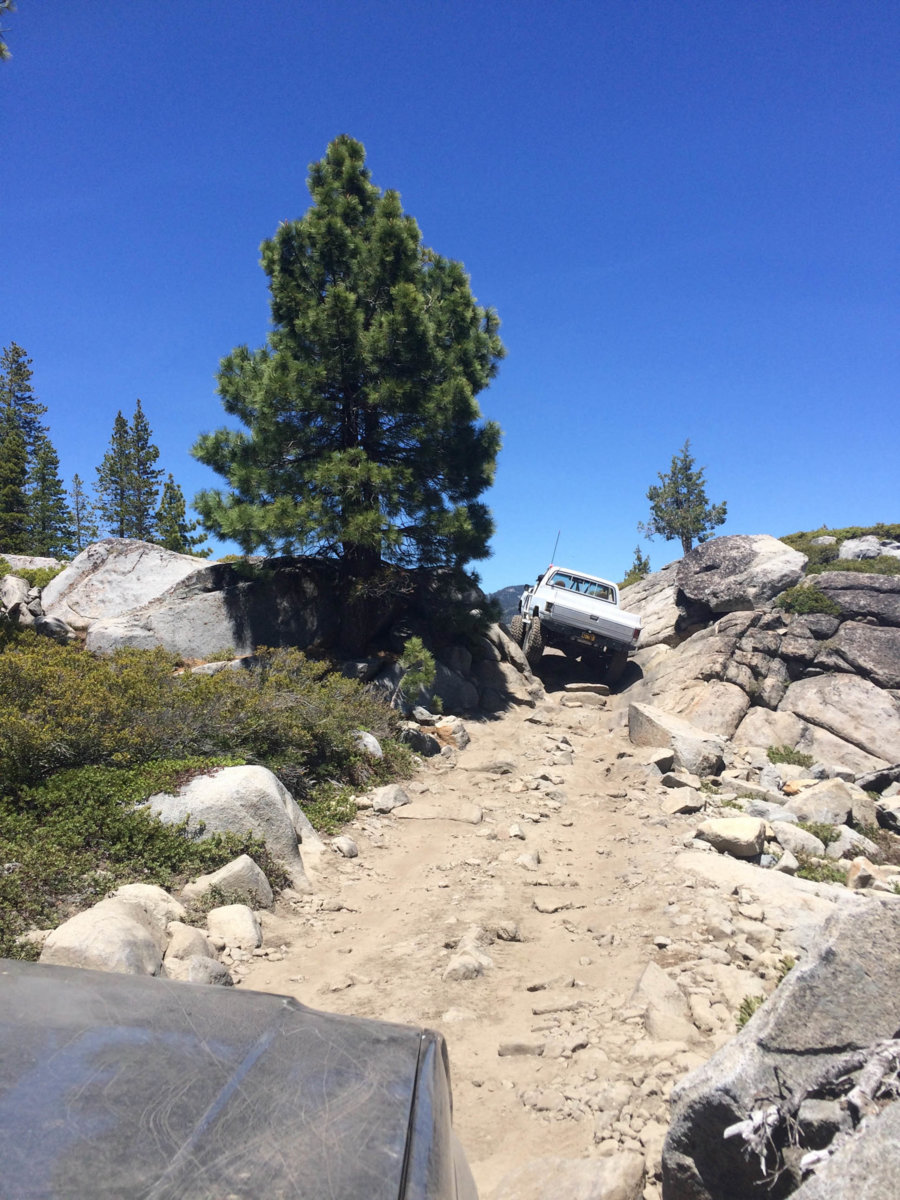
more pics from the Rubicon, these ones Pat took. Professional photographers sure know how to capture the trail better!
full

full

full

full

full

full

full

full

full

full

full

full

full

full

full

full

full

full


Slipped off a rock here, took out my taillight around that next corner:D
full

full
 
Lol I've got a picture just like that.

That looks like some good fun wheeling.
A little technical and a little trail riding.
 

Latest Posts

Top Bottom