CK5
Register an account today to become a member! Once signed in, you'll be able to participate on this site by adding your own topics and posts, as well as connect with other members.

The Story Of A Cummins Suburban (Lots Of Pics)

I am thinking on the older versions this may actually be even simpler, with the elimination of the cowl. Thanks for the writeup, I think this will done to Krusty to get a better clearing of the windshield. I hate hitting a mud hole and having the little weinie sprayers.
 
that's awesome! nice job:waytogo:

Thanks!!

congratulations on getting to the fun part!

Thank you!! I am enjoying every mile of it--even if most of it is just to and from work. The first few days I saw it sitting in the parking lot at work it would take me by surprise because I had been looking at it in the same place at the house for six years.

is there any thing you would have configured differently?

Nothing I can think of. I tried to plan everything out to work as intended and for the most part I think I got it right (but I am not quite done yet, so there is still a possibility in the future).

would this have been easier with a dodge parts truck?

Not for me because I already had a drivetrain and I did not need any Dodge components beyond what is screwed to the motor itself. I rid the motor of the Dodge control box that automatically turns the fuel heater on or the grid heater or the KSB valve. I made the KSB (cold start timing advance) work autonomously with a temp switch out of another application. The fuel heater and grid heater are on separate switches and I can engage them if I feel it is necessary. So with all of that, I got what I needed without having to dispose of a Dodge when I was finished.

recommendations for future swappers?

Resist the urge and drive what you have!! If that suggestion does not work, I would recommend having a few thousand extra laying around for the "little" things that pop up near the end of the job. Try to engineer the conversion for the long haul. Nothing is more disheartening than getting finished with something only to have to tear back into it because this broke or that rubs this or.... I have had an issue here or there with that type of thing, but luckily most of mine could be fixed with a zip tie or minor adjustment of the components--not a full-on re-fab. I would also highly recommend looking at a 4bt instead as they are much easier to adapt, get great mileage, weigh less and produce some impressive torque for their size.

Thanks for the writeup, I think this will done to Krusty to get a better clearing of the windshield. I hate hitting a mud hole and having the little weinie sprayers.

I'm not sure they will move enough water to clear mud, but they will be better than the piston pump you have now.
 
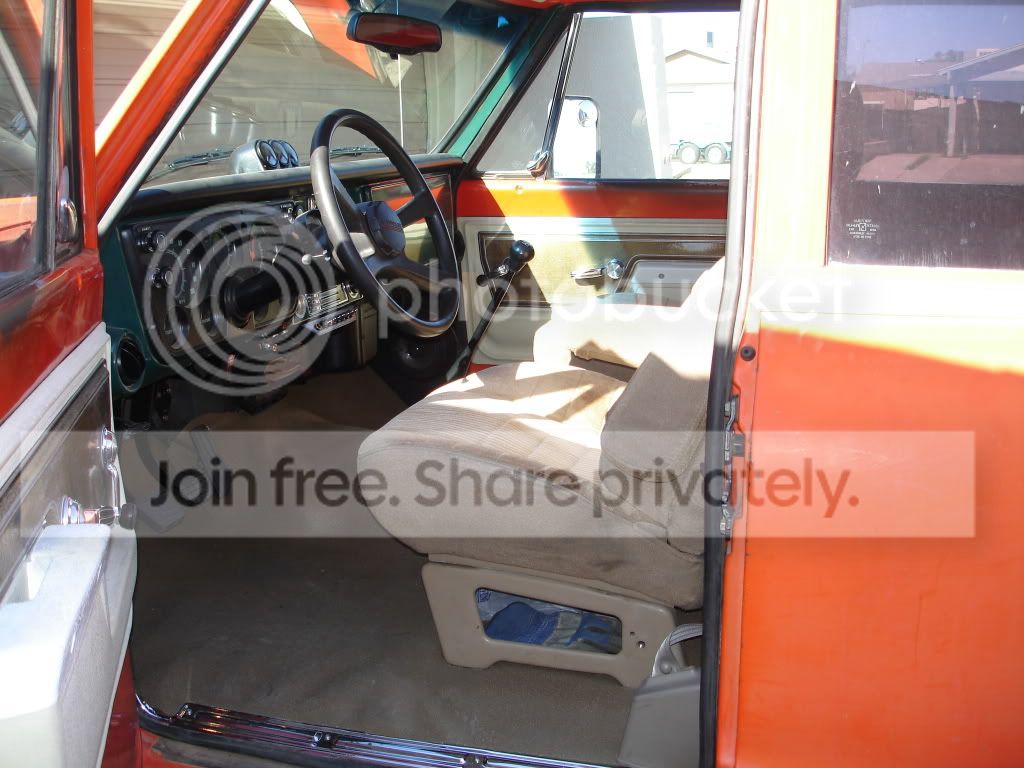
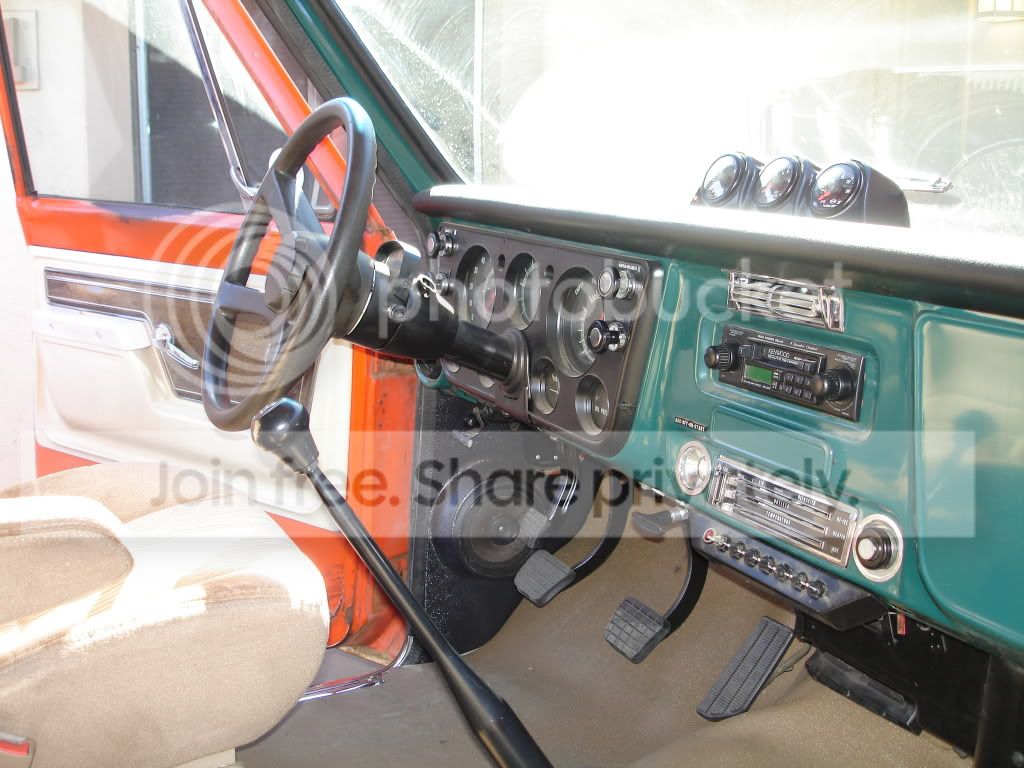
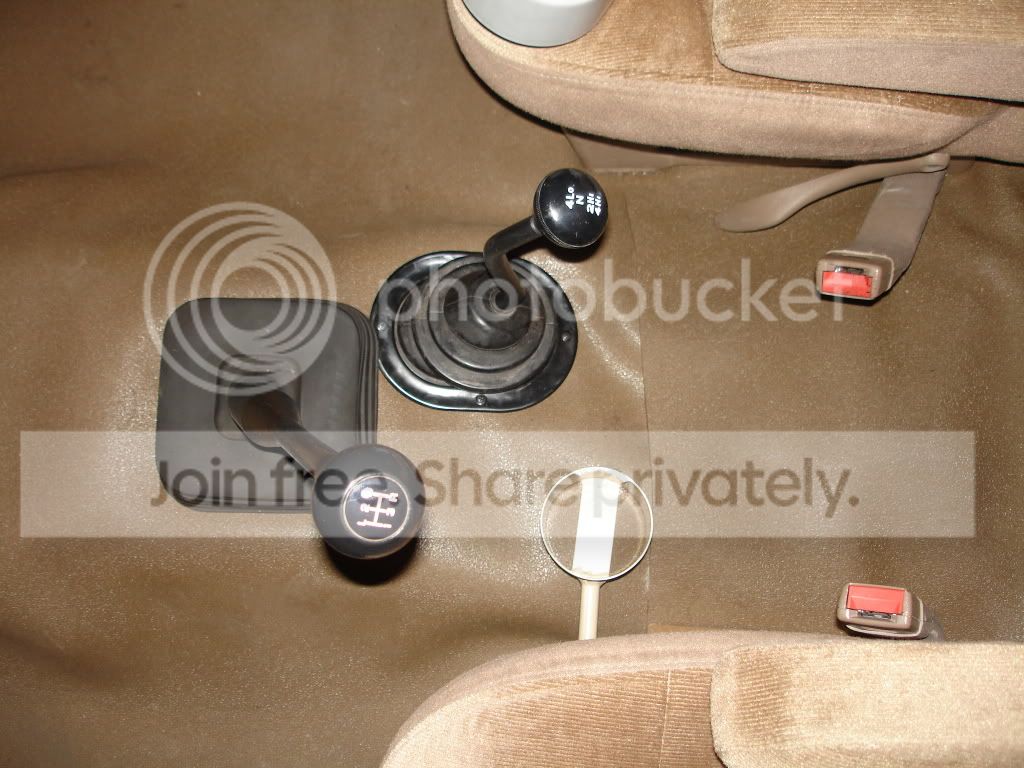
Well, I finally got around to loading my interior pics. I had to convert my truck to bucket seats because where my motor got placed put the transmission shifter so far back that I had to widen the hole for the transfer case shifter for the transmission shifter to come through. That still would have worked with a bench seat, but the transfer case shifter was going to end up even farther back than that thus preventing the use of a bench seat.

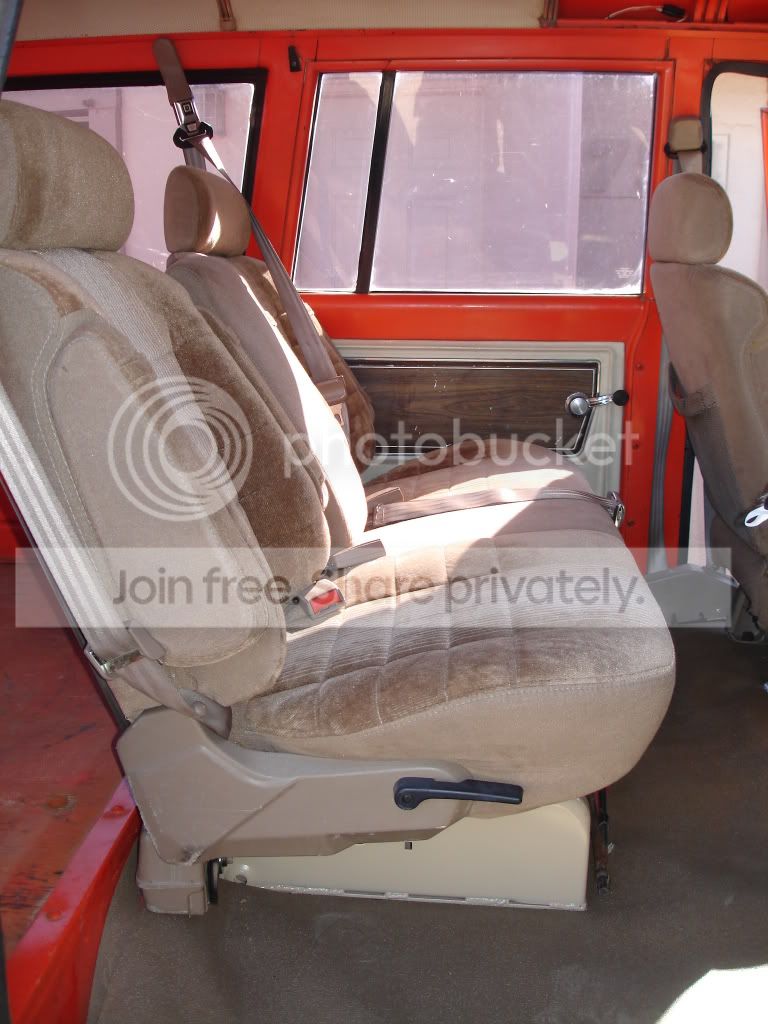
So I started searching around and I found a full-factory-pimped '94 GMC Safari SLE van in a U-Steal-It yard down by work. This is no small task as I am guessing the price of the full-pimp factory unit was probably fairly close to the conversion van price because this was the only loaded factory-stock one that I found in a sea of conversion vans. This particular van had a power driver's bucket seat, manual passenger bucket, manual bucket seats for the second row (both have adjustment levers for fore/aft seat position, recline, and integral armrests), and a bench seat for the thrid row (this also has an adjustment lever for fore/aft seat position, the left and right side of the seat have integral armrests and recline with the center of the seat folding down to become a cup holder/armrest type apparatus).

Now, I did not want power seats. I do not move the seat around enough to ever want to deal with a non-functioning power seat ever again, and the front seats were pretty worn/sun faded. I got to looking at the second row seats (buckets) and really liked what I saw. They were very dirty and had typical kid type bio-hazards going on, but I thought they would clean up enough to use. I grabbed the two second row seats to use as my front seats. I got them home and started checking them out and started liking them even more. Did I mention it was half off day and I got them for less than $35.00 for the pair?? Yeah it was a sweet deal that day. Anyways I got to thinking that my second row seat was just as bad as my front seat and I should have grabbed the third row seat out of the Safari van to use as my second row seat. I waited a week and went back and it was still there and nobody had used it as a rag to clean their hands on. I got it and the integral seatbelts for under forty bones. I wanted to use the quick release mechanism for my second row seat, but it was not going to work with the frame rail spacing of the Sub. Oh well, I sawed the "hooks" off of the bottom and welded some flat plate to the brackets and converted it to a bolt-in seat.

Here are some pics:

DSC05441.jpg


I have a manual trans column to go in it now.

DSC05448.jpg


DSC05450.jpg


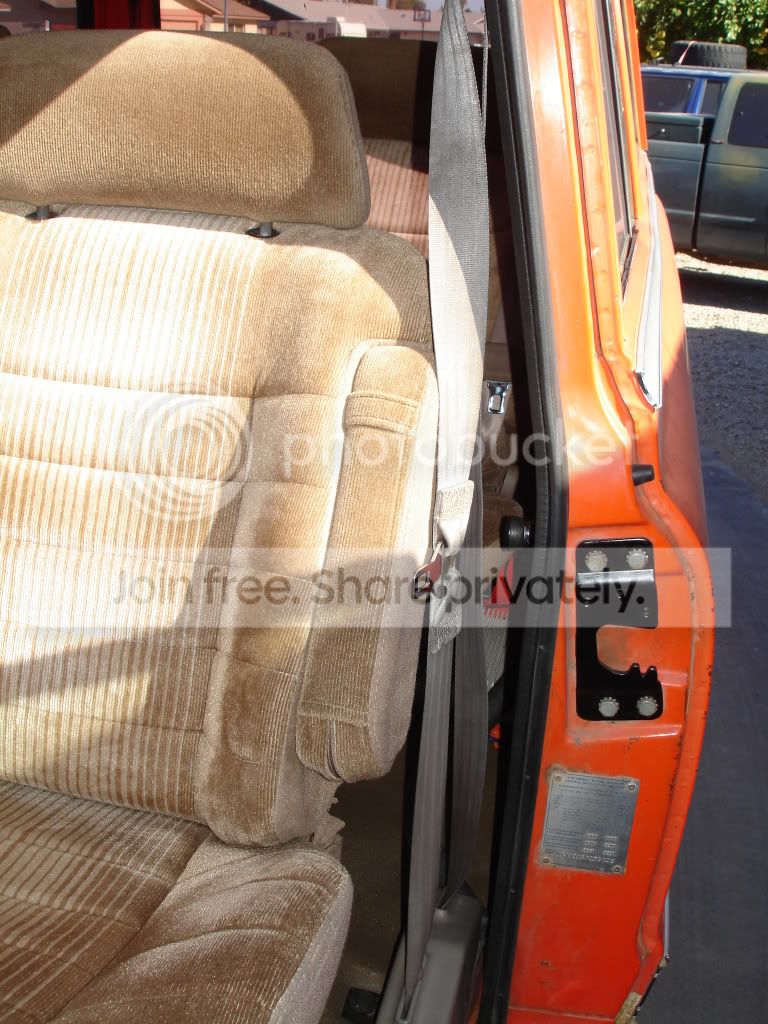
For the front seat belts I used assemblies out of a '97 Chevy regular cab truck. I wanted to use assembliles out of a Tahoe or Suburban, but all of the ones I found were crap.

DSC05446.jpg


Now, the only difference between regular cab and Tahoe/Suburban seatbelt assemblies is the black tab has a plastic covering with the Tahoe/Suburban units. These belts I got were like brand new. They were in pristine condition and definitely were not being worn when the truck they came from got crashed.
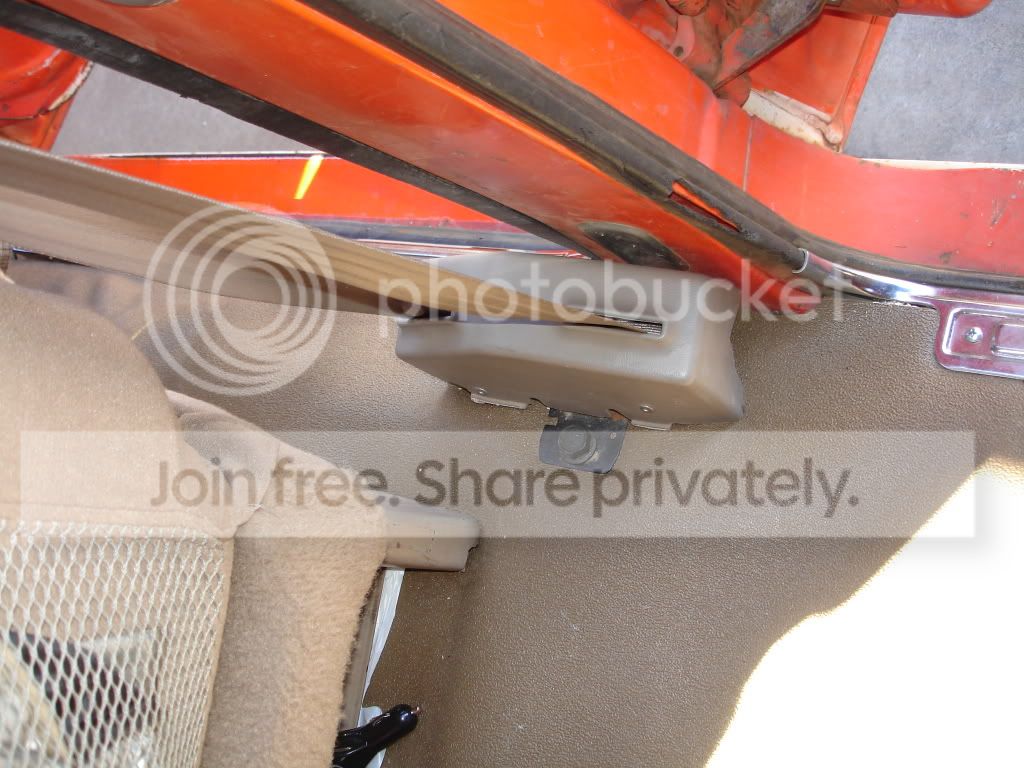
DSC05451.jpg


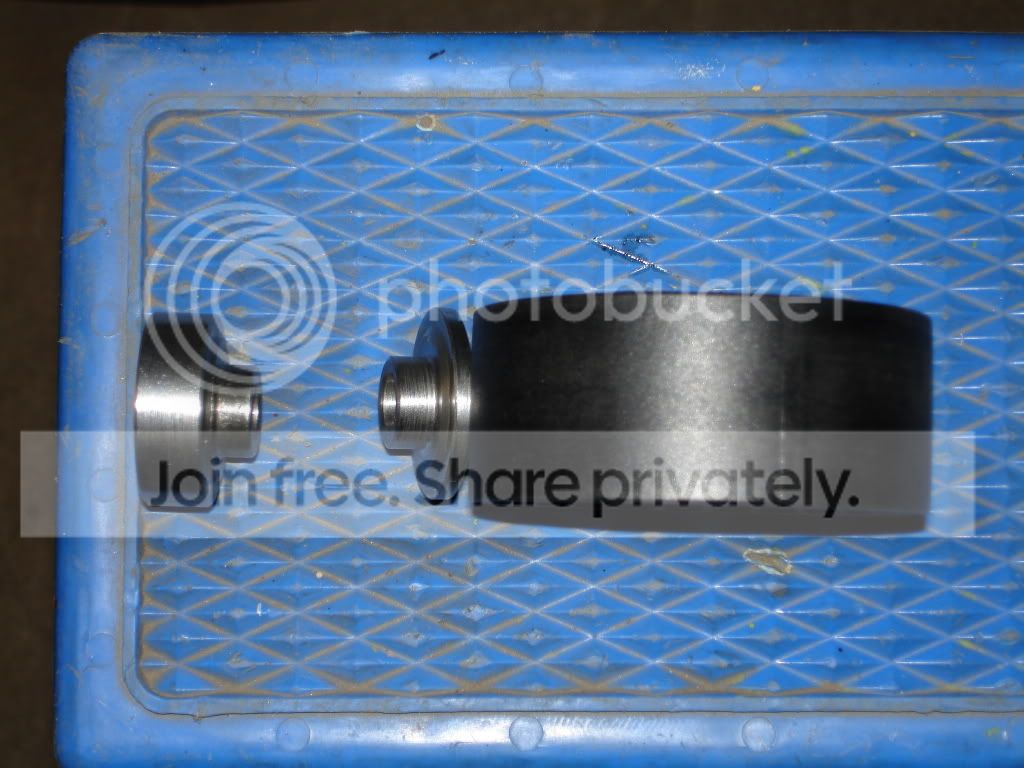
Now, I have seatbelts with shoulder harnesses for every position in the truck and Generous Motors was kind enough to give provisions to bolt up the shoulder straps, but the hole they gave was not typical compared to late-model vehicles. Instead of being 1/2-13(ish) or metric, they are 7/16-20. Swell. The shoulder belts all attached with a shouldered bolt in their original application, but they are all larger than 7/16". Hmm, what to do. I measured the hole in the rear shoulder belt mountings and found it to be about .625". Ok, for a mock-up I need a bushing with a 7/16" bore and a 5/8" od. I must have something that will work around here...I did. The caliper mounting bolt sleeve from 1/2-3/4T trucks (and a bazillion GM passenger cars also) just happens to have the needed specs. Sweet, I get them mocked up and decide I want something a bit stouter than the caliper guide pin sleeve. I call Russ's 24hr Machine Svc and describe this "top-hat" looking thing with x diameter for the brim and y diameter for the cylinder above the brim and a 7/16 hole through it (I love it when something can be accurately described over the phone). He whips up several of them and they work out perfectly. My theory was the sleeve could use some stability by adding a shoulder to it:
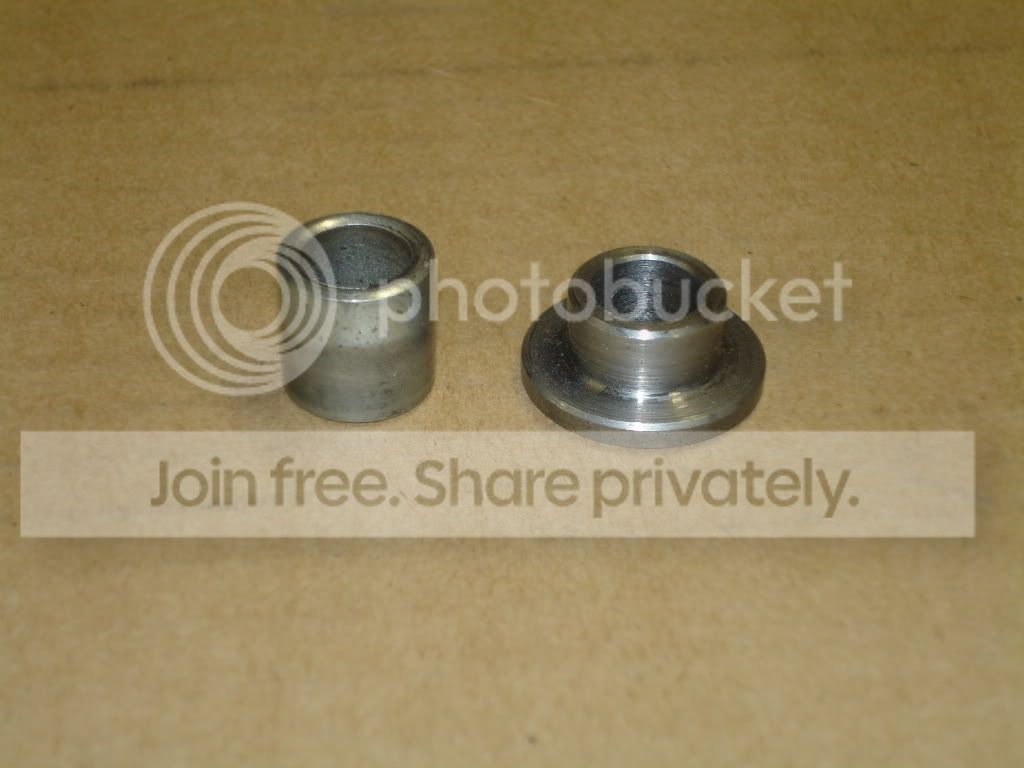
DSC05522.jpg


Ok, so I have some stout bushings to mount the shoulder harnesses to the body, now I just need some bolts. Hmm, 7/16-20 about an inch long with as thin of a head as possible.....exactly my thought as well--flywheel bolts for a Mark IV big block/first gen SBC!! They worked out perfect!! Thin head that the covers fit nicely over and long enough to engage all of the provided threads in the body.
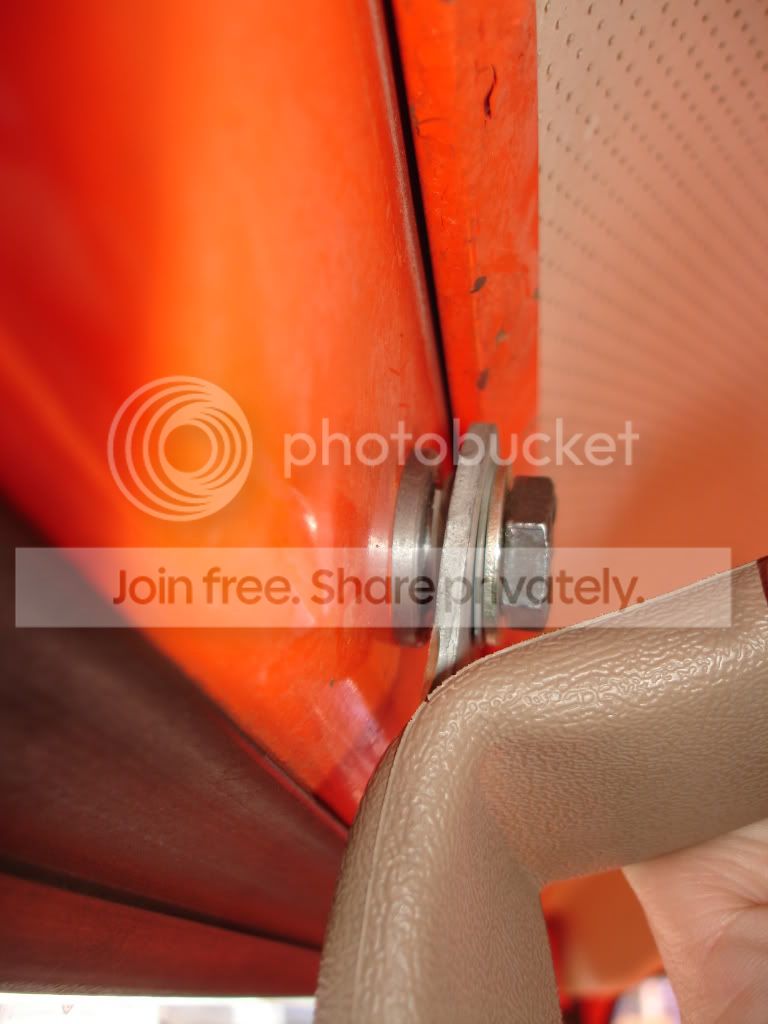
DSC05453.jpg


The flooring I used was the Auto Custom Carpet heavy duty molded vinyl kit. I followed their instructions about laying it out before working with it. I put it in the truck and it looked good until I started trying to fit it to the truck. It went to hell in a handbasket real quick. What looked good to start with ended up looking horrid once I got it "fitted" if it can be described like that. Now, I have installed several factory GM rubber floor coverings and I thought those fit bad---nooo, those fit like gloves compared to this clump of crap. I was thouroughly dissappointed. I was working with this stuff in summer when the ambient temp is just a fuzz under the surface temp of the sun and I still couldn't get this thing to lay out right. I ended up trying to fit it with a heat gun and glue, but it undid everything I did in a matter of 24hrs. I finally said screw it (literally) and made a couple strategic relief cuts, then glued and screwed the pieces together. It looks sorta ok at best, but I would not use one again, that is for sure.

Anyways, this is just my opinion and I am sure someone somewhere had good luck with their product, just not me.

That is all for today. There is more to come, so stay tuned.
 
Looks great - seats really look good in there! To bad the flooring didn't fit better - why aftermarket can't do a better job amazes me.
 
Looks great - seats really look good in there! To bad the flooring didn't fit better - why aftermarket can't do a better job amazes me.

Thanks!! Yeah, that flooring sucks. It amazed me how nice/accurate it looked until I started trying to fit it. Now that I have run it for awhile, I have found another feature of this floor that i do not like: the texture of the flooring traps dirt and grease in the crevices--kind of like a magnified fingerprint that traps grease in the low spots (if that makes any sense). Factory rubber floors are relatively smooth (compared to this stuff) and much easier to clean up. This stuff requires a stiff nylon brush and a bunch of effort to dig the stuff out of the grooves/crevices.
 
This is one seriously well done conversion :bow:

You will have to drive it to one of the Loco meet n greets sometime so we can check it out in person :D
 
A little story about my favorite piece of engineering/fabrication on this project.

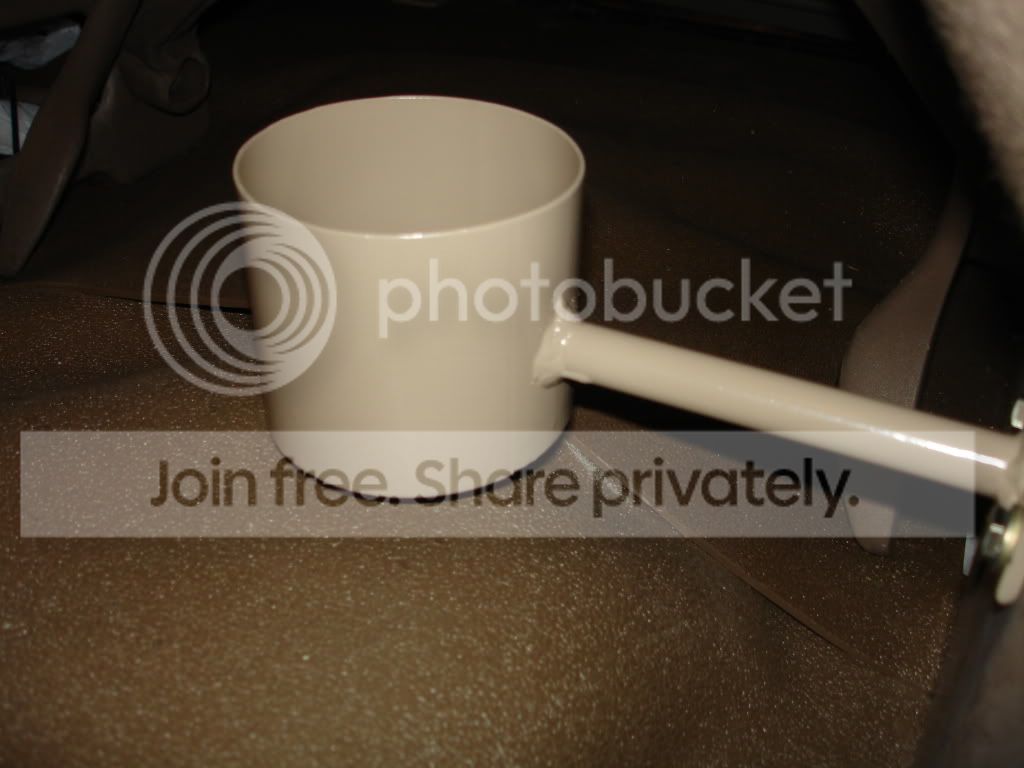
None of my vehicles have a cupholder. Living in AZ, this is an issue as operating without liquids in summer means quick death. Since my boy has been around, I have been scamming his cupholder in his car seats then and booster seats now. It worked out great in my S10 p/u as it is small and *basically* a two person vehicle. I was using the same technique in the Suburban and it worked well when it is just me and him, but when my wife comes with, he goes in the back seat along with MY cup holder. This makes the consumption of liquids a potentially dangerous event. I finally gave up and figured if I can fab a huge-ass diesel motor into this thing, I should be able to make a friggin' cup holder. Simple, right?? Well, it must have certain design features of course and must hold vessels of various capacities and configurations, be easy to reach, and can not be too ugly as it must go inside the vehicle--not hidden under the hood.

Ok, so where to start. I guess I should figure out what size vessels and what configurations to start with. I decided it must me able to hold a can with the foam sleeve around it. I also figured it needed to be able to hold the two most common size cups from the local Kwik-E-Mart as I have a bunch of these cups in inventory and I do stop and buy a soda once in a while.

So here they are:

DSC05528.jpg


You can see that the difference in diameter is fairly substantial. I started with the can/foam sleeve. The foam sleeve measures 3.25" o.d.. The cups are obviously smaller diameter at the base but taper to a larger diameter as you go up toward the top. Ok, 3.25, 3.25, 3.25. Ah, I got it!! 3.5" o.d. exhaust pipe. Perfect fit on the can!! Ok, now to figure out how to make the cups that are going to be VERY top heavy remain seated in the pipe without assistance from the driver. With some water in the cups and some EXTREMELY scientific shaking and leaning of the pipe, I found the perfect depth that will keep both upright.

I welded a piece of 1 x .187 flat stock to the inside of the pipe at the bottom to make a place for the cup/can to sit on while also providing drainage for the inevitable drip/leak etc. Now what to do with this piece of pipe. Ah, I can mount it to the side of the seat frame. Ok, it must be spaced out so much to clear the side of the seat bottom. Ok, what to use. Well, heavy wall exhaust pipe seems a bit excessive, so I should probably go with something more reasonable. 5/8" grade 8 round bar--perfect!! Nice and light, not overkill, excellent. Now to mount it. Another chunk of the .187, 1" flat stock welded to the end of the round stock, drill two holes, add a couple grade 8 bolts to the seat framemount it about an inch above the floor and BOOM!! There it is, one perfect, lightweight, cupholder.


DSC05519.jpg
 
Nice...is it in between the seats?

Yes. It mounts to the right side of the seat bracket, about one inch above the floor. It puts the lid of the 44oz cup about 3/4" away from the seat and a fuzz below the level of the seat cushion. It is in the exact place it needs to be--no stretching or fumbling around to grab the cup or re-holster it.

This pic shows it a bit better:

DSC05544.jpg


It also shows the crappy floor covering a bit better. It also shows my transfer case shifter. I am getting closer to having a four wheel drive Suburban.
 
Now that is awesome - I'm always sitting my beverage on the floor and sure makes it a pain to steer, shift and watch the drink fall over all at the same time!
 
Now that is awesome - I'm always sitting my beverage on the floor and sure makes it a pain to steer, shift and watch the drink fall over all at the same time!

I understand completely. I have already had to clean up spilled beverage in this and rubber floor or not, I do not like it. I was thinking about this item and why I like it so much and it dawned on me--this is the first cupholder I have ever had in a vehicle. I have always devised some way of transporting a drink in what ever vehicle I was driving, but never had a cupholder or a method of holding a drink that worked this well. Simple things I guess....
 
I accomplished a milestone feat this weekend. I got my D60 front axle assembly installed. It went pretty well. I did have to have my boy help maneuver the end that was on the furniture dolly. He probably weighs 50lbs soaking wet, but he did a good job doing what I told him to do and getting the heavy chunk of iron positioned where it needed to be.

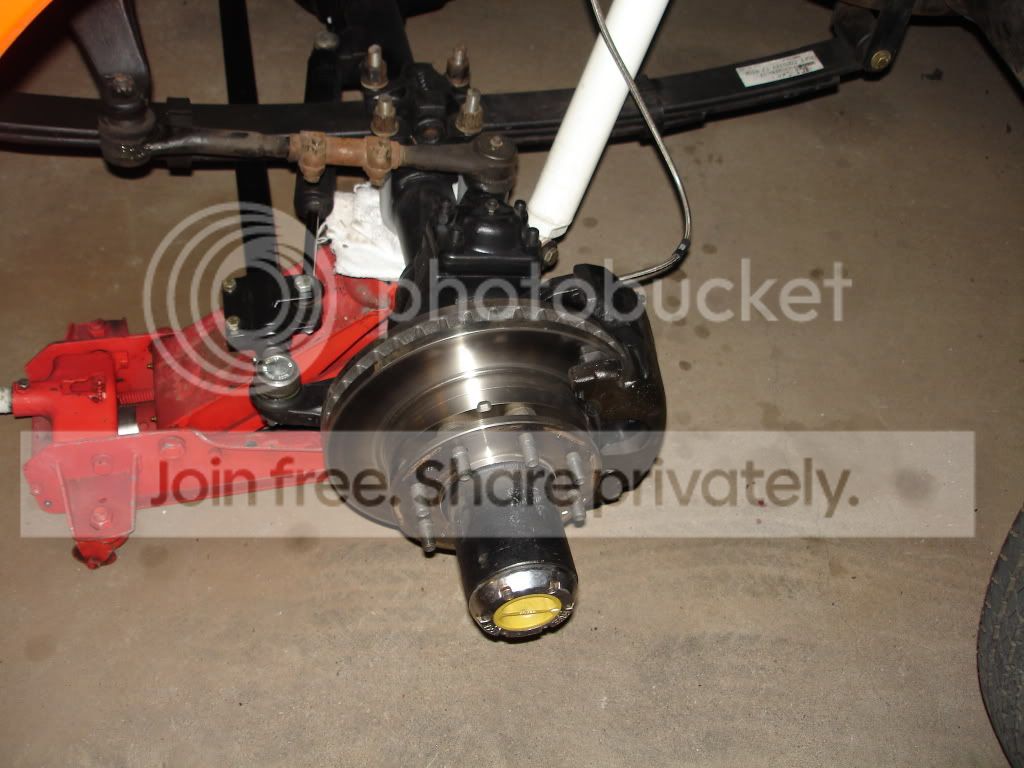
As far as the 60 goes, it is really nothing too special. It was in very good shape when I got it (unbeknownst to me), but I tore it down and found all kinds of nice parts that did not need replacing. I replaced all of the seals in the diff and king pins, one lower king pin cap and the spindle seals and bushings, but other than that, all of the bearings, king pins and diff components were in good shape. I did replace all of the brake components though. I bought new GM hub/rotor assemblies, new wheel bearings and seals, new Bendix Fleet/MetLok brake pads, new GM caliper assemblies (yes brand new--ouch) and new DOT approved braided brake lines.

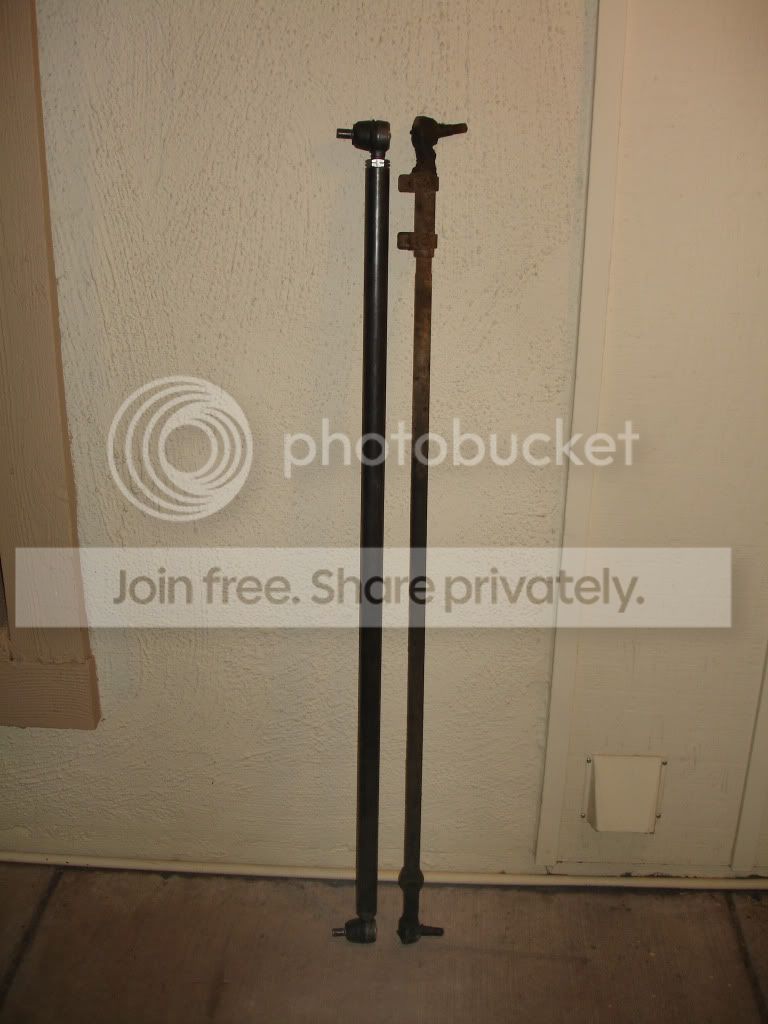
The cool feature of this 60 is the tie rod assembly that was created for it. I am not a fan of the four foot long tie rod end that the 60's come with from GM. I like shorter ends with a long connecting tie "tube". GM never had this setup on a 60. They did it on a 10B in a 3/4T application, but never on a 1T. Well, I guess I am on my own again. I started checking diameters and found that the Dodge 1T 60's use a very short end that should be adaptable to my setup. They use a goofy 7/8-18 RH or LH thread. That left me a few options for a connecting tube. The lightest I wanted to go was 1.250" .250 wall, but then I called my steel supplier and they had 1.50" .375 wall 1026 DOM in stock. Well that made the decision real easy. I bought a chunk of it and a couple tie rod ends and headed over to Russ's 24hr Machine Shop. I brought the old tie rod as a guide for length and left the tube and ends for machining. It turned out great. The ends do not have a whole bunch of length to them, especially when you add a jam nut, but going off of the original tie rod spec, he faced the tube to a length that has only one thread showing on each side. Not so good if you have to toe it in a bunch, but I have it set a bit farther in than it was and still have the one thread. This keeps most of the threads on the tie rod end in the tube where they will do the most good. There are way more threads engaged than are required for maximum strength which is just the way I like it.

New tie rod on left, original on right. New one weighs 6.3lbs more than the original:

DSC055551.jpg


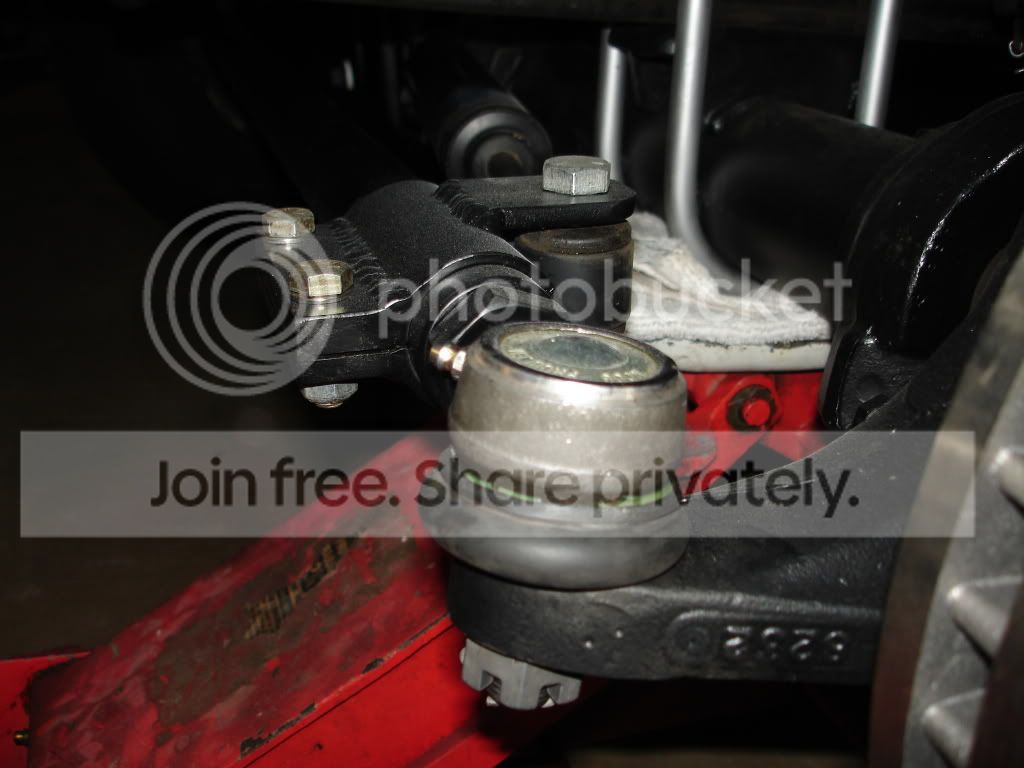
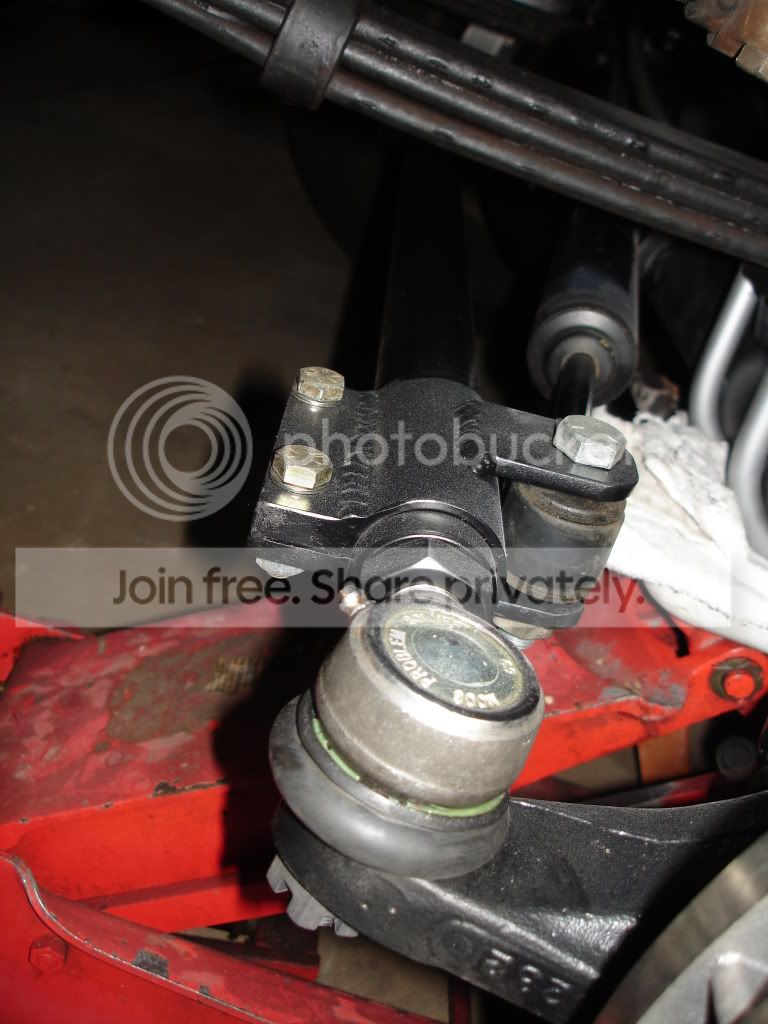
So, now that this big bitchin' tie rod is made, there needs to be a way to attach a steering damper to it. I am not a fan of the u-bolt type mounting of the aftermarket stabillizer units, so Russ came up with a great idea to make a fully functional (and fully cool looking) mount. It started as a piece of 1.75" 1.20 wall tubing that I cut lengthwise with a cutoff wheel. Then I took the piece of .375 x 1 flat stock that Russ had machined a notch into and welded it above the cut. I took a piece of .250 x 1 flat stock and welded that below the cut making a big pinch clamp out of it. On the back side I used .250 x 1.250 flat stock to make two tabs to mount the steering stabilizer end in a double shear configuration. It worked out great. Minimal torque is required to keep the clamp from rotating/moving.

This pic shows how the two pieces of flat stock fit together. The upper one has the milled slot in it. It is kind of hard to see, but the front of the piece has about a 1/8" lip on it that contacts the lower plate first then will pull the backside of the joint together if more torque is applied to the bolts:

DSC05560.jpg


This pic shows the double shear mounting on the stabilizer end: (and the ever-present AZ dust)

DSC05561.jpg


This pic shows the new hubs, rotors, calipers, and brake hoses:

DSC05562.jpg


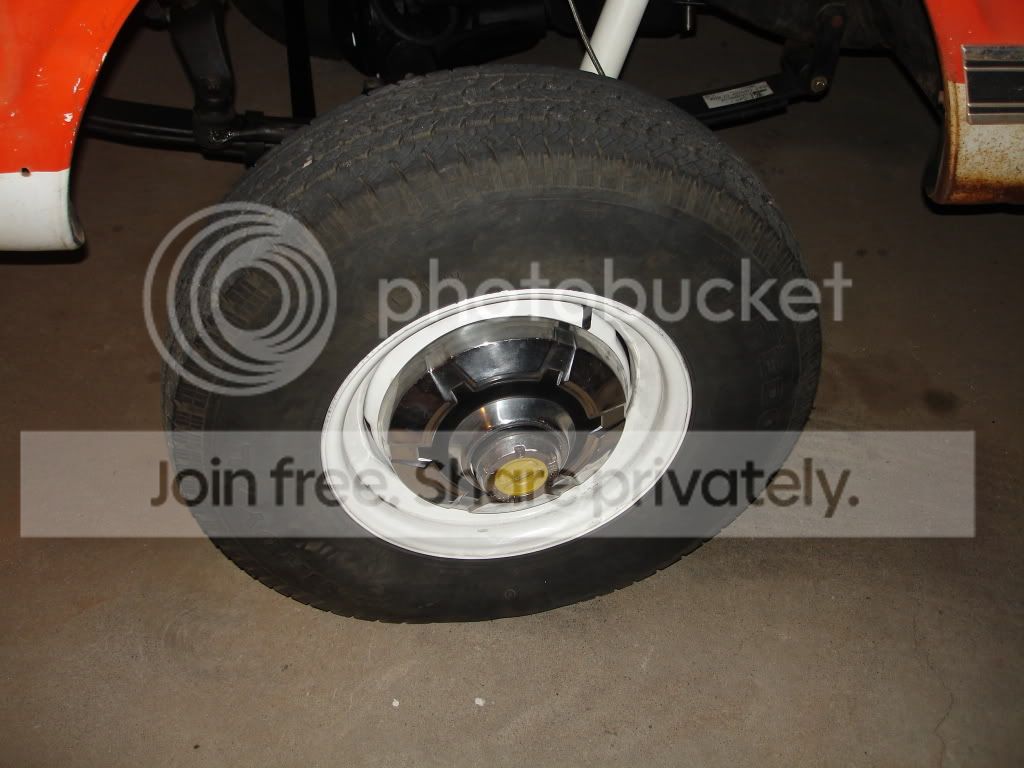
I finally have a set of Spicer hubs hanging out of my hub caps:

DSC05563.jpg


So all is good on the front end now. One problem (or benefit) with converting to a D60 front axle is that you gain one inch of height due to taller spring pad mounts and a larger tube diameter. My Sub already sits a fuzz lower than level in the back, so one inch is an issue for me. I picked up a set of Zero Rates awhile back and figured this would be the perfect application of them. I have a probelm though. I have a vibration at 60-65 that is pretty noticable and it continues through 82 when the motor lays down. I measured the angles of the transfer case and rear diff and came up with the pinion needing to come down 2.3 degrees to match the transfer case. I took the Zero Rates over to Russ and he cut them at 2.5 degrees to try to keep the pinion at a zero more often than it would at 2.3 degrees. I threw them in the back and went for a drive. Well, the vibration between 60-65 went from bad to worse--wow. But, the vibration at 65 and above is barely noticable if it exists at all. Sweet. I think the easy fix for this problem is not to drive between 60 and 65. For the time being, that is what I am going to do.

So, all in all, I could not have been more pleased with the whole ordeal. There were a few small issues here and there, but nothing that was too difficult to deal with.
 
So you really have a 24hr machine shop in your neck of the woods? That's nuts.
 
some great progress! :waytogo:

So awesome!

Thanks!! I am really enjoying the drive now. I think the previous setup was either toed out or at least toed out more than this one. It is a fair bit easier to drive now.


So you really have a 24hr machine shop in your neck of the woods? That's nuts.

Uh, no Avery. It's my buddy Russ's garage that is overflowing with machine equipment. I joke that it is 24hrs because he is rather nocturnal albeit often ruluctantly so, but nocturnal nonetheless.

I really can not give enough credit to him and his abilities. His skill has saved my bacon on more than one occasion. He has turned some of my late night "mental wanderings" into exactly what I was thinking of and will often add a little this or that to address an aspect that I had not thought of or had not given enough consideration to (or just wants to make it that much more cool). The unfortunate thing is that, except for one part, everything got painted black and disappeared into the abyss of the underhood area.

A couple examples from past posts highlighting his work:

Seat belt shoulder harness bushings:

DSC05522.jpg


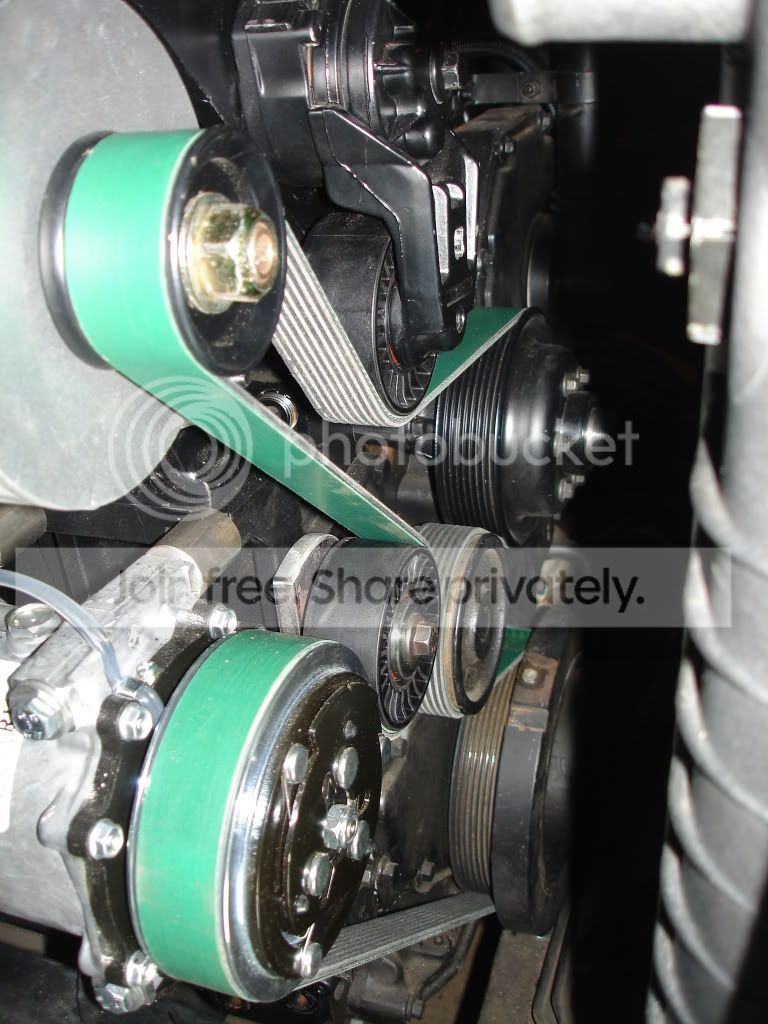
Pulley bushing and "washer" (the only parts not painted black)

DSC04903.jpg


compressor spacers:

DSC04800.jpg


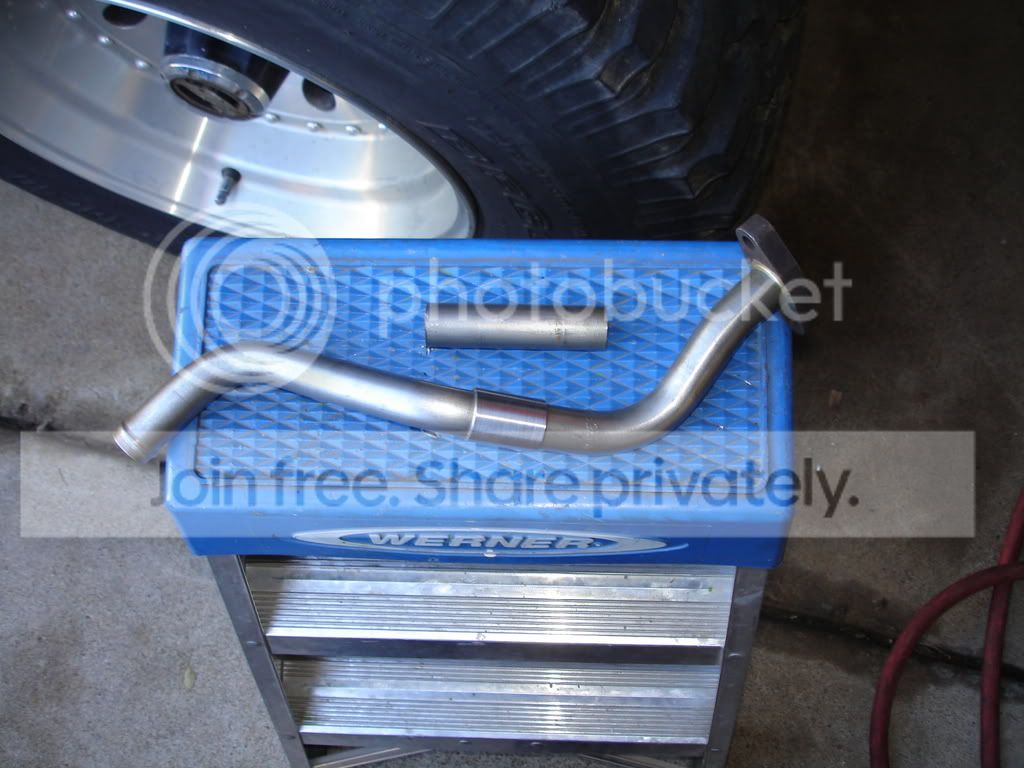
Sleeve for re-connecting turbo drain tube:

DSC04684.jpg


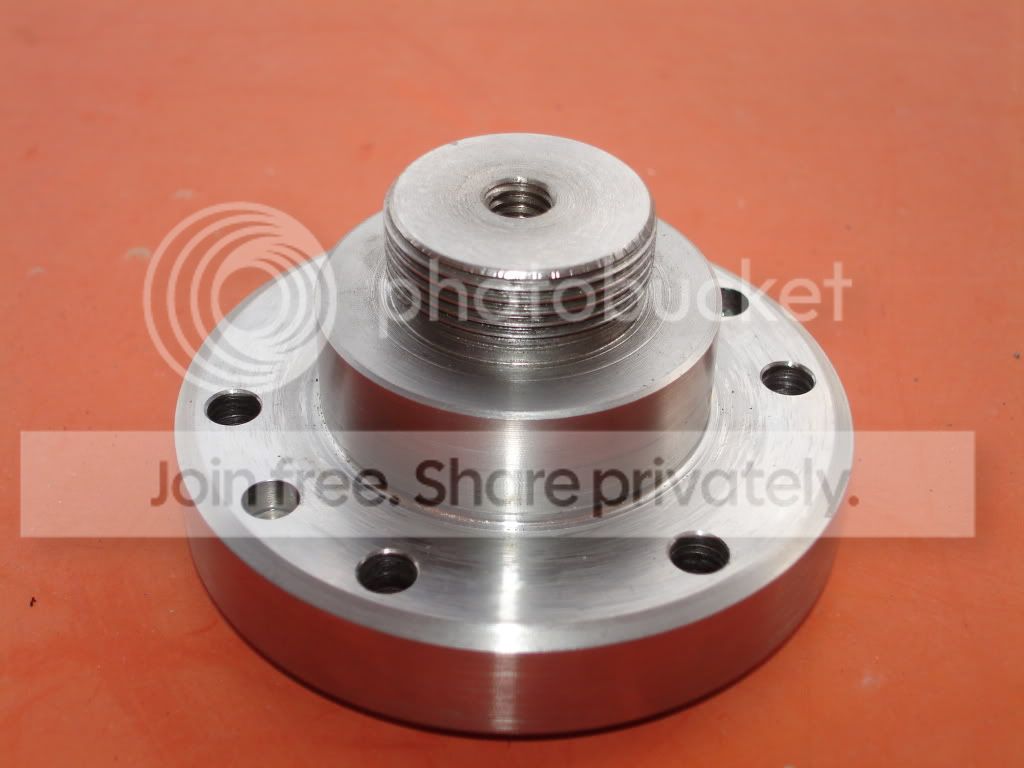
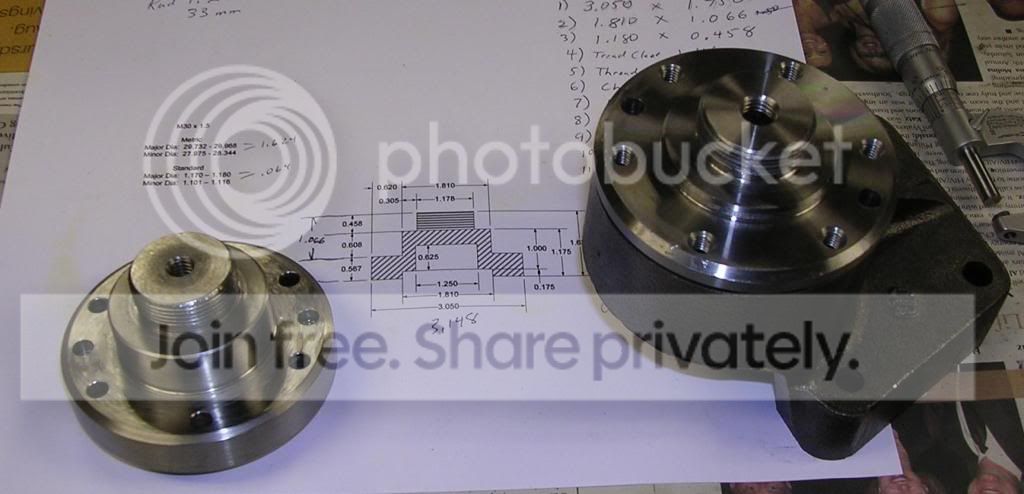
Super bitchin' fan hub spacer:

DSC04497.jpg


Spacer4.jpg


This is not all that he has done, just a few of the highlights.
 
Top Bottom